Sustainable Packaging Design: Cost vs Brand Impact
Time
Click Count
Sustainable packaging design is no longer a niche concern. It now affects unit economics, compliance exposure, logistics efficiency, and long-term brand trust across global markets.
For organizations balancing cost discipline with premium positioning, the issue is not simply whether to adopt greener materials. It is how to make sustainable packaging design perform commercially.
The most effective solutions reduce waste, support regulatory readiness, improve shelf presence, and strengthen digital-to-physical brand consistency. That balance matters across retail, consumer goods, hospitality, and commercial ecosystems.
Within global supply chains, sustainable packaging design also connects upstream manufacturing precision with downstream consumer experience. Done well, it becomes both an operational asset and a visible brand signal.
What Sustainable Packaging Design Means in Business Terms

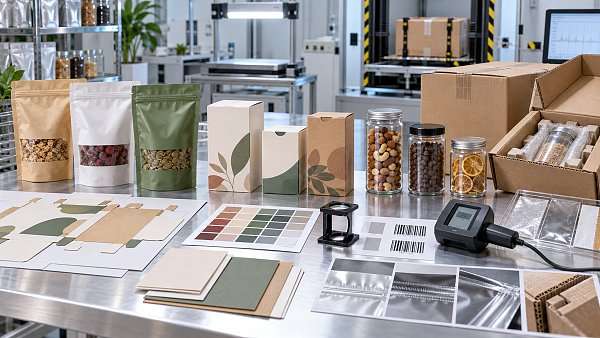
Sustainable packaging design refers to packaging systems that reduce environmental burden without weakening product protection, transport performance, or commercial presentation.
It includes material selection, structural engineering, labeling clarity, recyclability, reuse potential, and compatibility with automated packing and retail display requirements.
A narrow view focuses only on material substitution. A stronger view evaluates the full packaging lifecycle, from sourcing and production to shipping, retail handling, disposal, and recovery.
This is why sustainable packaging design often requires cross-functional review. Environmental intent alone cannot justify increased breakage, poor unboxing, damaged shelf appeal, or regulatory confusion.
Core dimensions of evaluation
- Material efficiency and source transparency
- Product protection and durability during transit
- Retail presentation and premium visual impact
- Recyclability, compostability, or reuse potential
- Compliance with regional packaging regulations
- Total landed cost across the supply chain
Why the Cost Versus Brand Debate Has Intensified
The debate around sustainable packaging design has become sharper because both cost pressure and brand scrutiny have increased at the same time.
Raw material volatility, freight instability, and extended lead times raise the cost of experimentation. At the same time, customers and regulators expect credible environmental action.
As a result, packaging decisions are now judged on multiple horizons. Some effects are immediate, while others appear gradually through reputation, returns, and channel performance.
Key market signals shaping current decisions
How Sustainable Packaging Design Affects Real Cost Structures
The direct cost of sustainable packaging design usually starts with materials, tooling changes, testing, and supplier qualification. These items are visible and easy to compare.
However, the total cost picture is broader. Better structure can reduce cube size, shipping weight, storage volume, damage rates, and manual handling time.
In many cases, higher unit packaging cost is offset by lower logistics expense or improved retail readiness. This is where simplistic comparisons often fail.
Common cost levers
- Material downgauging without compromising protection
- Mono-material formats that simplify recycling streams
- Right-sizing to reduce void fill and dimensional freight
- Print simplification that maintains brand clarity
- Pack structures designed for automation compatibility
A practical review should compare current packaging cost against total delivered value. That includes damage claims, return rates, repacking, labor, disposal fees, and shelf execution.
Brand Impact Extends Beyond Appearance
Brand impact is often reduced to color, texture, and premium finishes. In reality, sustainable packaging design influences trust through consistency, clarity, and proof of intent.
A package that looks refined but feels wasteful creates friction. A package that is sustainable but visually weak can also undermine perceived value.
The strongest outcomes happen when environmental improvements are visible, intuitive, and aligned with the brand’s overall market position.
Brand signals strengthened by better packaging
- Credibility through material transparency and accurate claims
- Premium experience through clean structure and tactile quality
- Modern relevance through low-waste and recyclable formats
- Cross-channel consistency across retail, e-commerce, and hospitality use
For global brands, sustainable packaging design also supports localization. It allows regional compliance adjustments without losing visual identity or structural performance.
Typical Application Scenarios Across the Commercial Ecosystem
Different sectors prioritize sustainable packaging design in different ways. The right solution depends on handling conditions, sales channel, product sensitivity, and brand positioning.
Practical Guidelines for Better Packaging Decisions
A disciplined process helps sustainable packaging design deliver both cost control and brand value. The goal is not maximum complexity. The goal is measurable fit.
Recommended decision framework
- Define non-negotiables for protection, compliance, and presentation
- Measure current pack weight, cube, waste, and damage performance
- Screen alternative materials for availability and certification support
- Prototype structural changes before aesthetic refinements
- Validate claims with clear documentation and test data
- Track post-launch outcomes across freight, returns, and feedback
It is also important to avoid overclaiming. If a package is recyclable only under limited local conditions, that should be communicated precisely and responsibly.
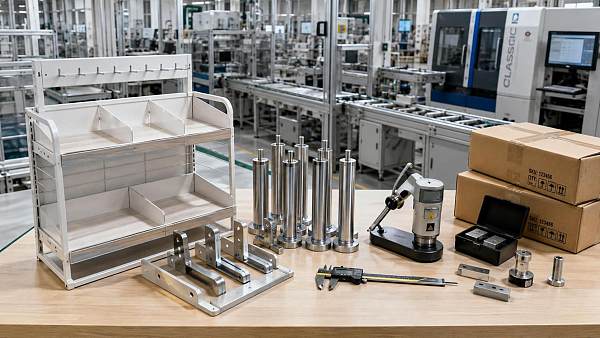
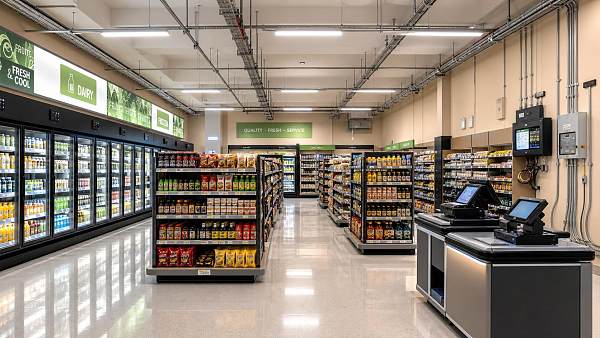
Packaging redesign should further align with broader commercial systems. Fixtures, shelf dimensions, smart retail workflows, and consumer goods logistics all influence final performance.
A Strategic Next Step for Sustainable Packaging Design
Sustainable packaging design works best when treated as a business system, not a one-time visual update. It should connect material science, supply chain data, and brand expression.
A useful next step is to audit one packaging line across cost, damage, cube efficiency, recyclability, and consumer perception. That creates a factual baseline for improvement.
From there, compare redesign options against international expectations, operational realities, and customer-facing impact. Evidence-based benchmarking reduces risk and supports better investment timing.
In today’s integrated marketplace, sustainable packaging design is not simply about spending more or less. It is about creating packaging that performs responsibly, travels efficiently, and strengthens brand value at every touchpoint.
News Recommendations
 How to compare commercial linear light wholesale quotes accurately
![51a6ab95581761cc26f4318be6520c15]()
Aris Katos
Future of Carbide Coatings
 How to verify international standards compliance for Middle East exports
![51a6ab95581761cc26f4318be6520c15]()
Aris Katos
Future of Carbide Coatings
 How to select laboratory instruments for reproducible test results
![51a6ab95581761cc26f4318be6520c15]()
Aris Katos
Future of Carbide Coatings
 When does a sheet metal prototype reveal design flaws early?
![51a6ab95581761cc26f4318be6520c15]()
Aris Katos
Future of Carbide Coatings
 When PE air column bags reduce damage in e-commerce fulfillment
![51a6ab95581761cc26f4318be6520c15]()
Aris Katos
Future of Carbide Coatings
 How energy-efficient design reduces operating costs in retail lighting
![51a6ab95581761cc26f4318be6520c15]()
Aris Katos
Future of Carbide Coatings
 When commercial aluminum storefronts make sense for a retail renovation
![51a6ab95581761cc26f4318be6520c15]()
Aris Katos
Future of Carbide Coatings
 What makes LED lights durable in high-use commercial spaces?
![51a6ab95581761cc26f4318be6520c15]()
Aris Katos
Future of Carbide Coatings
 Which industry categories offer the strongest export potential in Latin America?
![51a6ab95581761cc26f4318be6520c15]()
Aris Katos
Future of Carbide Coatings
 How to choose an ultra bright waterproof window display for storefronts
![51a6ab95581761cc26f4318be6520c15]()
Aris Katos
Future of Carbide Coatings
 How to verify suppliers on a trade portal for global sourcing
![51a6ab95581761cc26f4318be6520c15]()
Aris Katos
Future of Carbide Coatings
 How RoHS requirements should be stated in product specifications
![51a6ab95581761cc26f4318be6520c15]()
Aris Katos
Future of Carbide Coatings
 What affects the lead time for custom retail counter displays?
![51a6ab95581761cc26f4318be6520c15]()
Aris Katos
Future of Carbide Coatings
 What consumer packaging USA importers need to verify before ordering
![51a6ab95581761cc26f4318be6520c15]()
Aris Katos
Future of Carbide Coatings
 How commercial spaces interiors shape customer dwell time
![51a6ab95581761cc26f4318be6520c15]()
Aris Katos
Future of Carbide Coatings
 How LED commercial lighting design reduces glare in retail spaces
![51a6ab95581761cc26f4318be6520c15]()
Aris Katos
Future of Carbide Coatings
 How industrial technology information improves RFID inventory accuracy
![51a6ab95581761cc26f4318be6520c15]()
Aris Katos
Future of Carbide Coatings
 When drip garden watering systems make more sense than sprinklers
![51a6ab95581761cc26f4318be6520c15]()
Aris Katos
Future of Carbide Coatings
 When category comparison improves sourcing for industrial applications
![51a6ab95581761cc26f4318be6520c15]()
Aris Katos
Future of Carbide Coatings
 Industrial application guidance for selecting the right LED lighting
![51a6ab95581761cc26f4318be6520c15]()
Aris Katos
Future of Carbide Coatings
 Which commercial architecture standards apply to European retail fit-outs?
![51a6ab95581761cc26f4318be6520c15]()
Aris Katos
Future of Carbide Coatings
 How to verify FDA requirements for maternity care products
![51a6ab95581761cc26f4318be6520c15]()
Aris Katos
Future of Carbide Coatings
 How to verify BPA-free claims for food-contact products
![51a6ab95581761cc26f4318be6520c15]()
Aris Katos
Future of Carbide Coatings
 When does a European wholesale supplier suit modular office projects?
![51a6ab95581761cc26f4318be6520c15]()
Aris Katos
Future of Carbide Coatings
 When consumer ecosystem solutions improve the in-store shopping journey
![51a6ab95581761cc26f4318be6520c15]()
Aris Katos
Future of Carbide Coatings
 How a commercial developers network can reduce site selection risk
![51a6ab95581761cc26f4318be6520c15]()
Aris Katos
Future of Carbide Coatings
 How clear purchasing specifications prevent costly supplier deviations
![51a6ab95581761cc26f4318be6520c15]()
Aris Katos
Future of Carbide Coatings
 What an ISTA drop test lab checks before your packaging ships
![51a6ab95581761cc26f4318be6520c15]()
Aris Katos
Future of Carbide Coatings
 Which commercial furniture standards apply to workplace seating?
![51a6ab95581761cc26f4318be6520c15]()
Aris Katos
Future of Carbide Coatings
 How to evaluate smart lighting module OEM compatibility before sampling
![51a6ab95581761cc26f4318be6520c15]()
Aris Katos
Future of Carbide Coatings
 How to assess whether sustainable technology delivers real impact
![51a6ab95581761cc26f4318be6520c15]()
Aris Katos
Future of Carbide Coatings
 How to assess an OEM supplier’s quality control before ordering
![51a6ab95581761cc26f4318be6520c15]()
Aris Katos
Future of Carbide Coatings
 How consumer ecosystem solutions data can improve retail personalization
![51a6ab95581761cc26f4318be6520c15]()
Aris Katos
Future of Carbide Coatings
 When does consumer packaging design justify a higher product price?
![51a6ab95581761cc26f4318be6520c15]()
Aris Katos
Future of Carbide Coatings
 Supermarket Fixture Installation: Planning Layouts, Wiring, and Handover
![51a6ab95581761cc26f4318be6520c15]()
Aris Katos
Future of Carbide Coatings
 Automated Lighting and Smart Lighting Control in Bergerac: Key Project Considerations
![51a6ab95581761cc26f4318be6520c15]()
Aris Katos
Future of Carbide Coatings
 Segment Streetlight Controllers: Choosing Control Modes for Urban Roads
![51a6ab95581761cc26f4318be6520c15]()
Aris Katos
Future of Carbide Coatings
 IEC 62471-2 Explained: How to Assess Photobiological Risks in LED Lighting
![51a6ab95581761cc26f4318be6520c15]()
Aris Katos
Future of Carbide Coatings
 Food Grade Packaging Requirements by Product Type, Temperature, and Contact Risk
![51a6ab95581761cc26f4318be6520c15]()
Aris Katos
Future of Carbide Coatings