Retail Benchmarking Metrics That Reveal Margin Gaps
Time
Click Count
For business evaluators navigating complex commercial ecosystems, retail benchmarking is essential for uncovering hidden margin gaps across store design, fixtures, technology, and supply chain performance. By comparing operational costs, compliance standards, and customer-facing assets against global benchmarks, companies can identify where profitability is being lost and where strategic improvements create measurable competitive advantage.
What does retail benchmarking actually measure?

Retail benchmarking compares commercial performance against internal goals, peer groups, and recognized global standards.
It is not limited to sales per square foot.
Strong retail benchmarking also measures fixture durability, energy use, labor efficiency, technology uptime, and replenishment speed.
In integrated retail environments, margin leaks often start below the revenue line.
A store may attract traffic yet lose profit through poor lighting layouts, underperforming displays, or maintenance-heavy hardware.
That is why retail benchmarking should include physical assets and operational infrastructure.
Useful metrics usually fall into five groups:
- Gross margin by category, channel, and location
- Occupancy, fit-out, and fixture lifecycle costs
- POS speed, downtime, and conversion impact
- Packaging, logistics, and return-related expenses
- Compliance performance against UL, CE, and BIFMA expectations
When these indicators are tracked together, hidden margin gaps become visible.
This is where G-BCE adds value.
Its cross-sector repository links retail benchmarking to commercial furniture, smart retail technology, lighting, signage, packaging, and supply chain realities.
Which retail benchmarking metrics reveal margin gaps fastest?
Not every metric deserves equal attention.
The fastest signals usually come from metrics connecting asset quality to profit impact.
1. Gross margin return on floor space
This metric shows whether expensive display areas actually generate profitable movement.
A premium zone may deliver sales but still underperform after fixture depreciation and labor allocation.
2. Fixture cost per selling year
Cheap fixtures often look attractive during sourcing.
Retail benchmarking exposes whether replacements, scratches, instability, or repairs erase initial savings.
3. POS downtime versus lost conversion
Slow or unstable POS terminals reduce basket completion, especially during peak periods.
Retail benchmarking should connect uptime data with queue abandonment and transaction value loss.
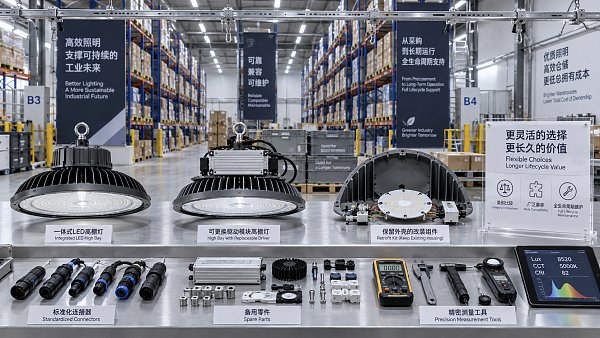
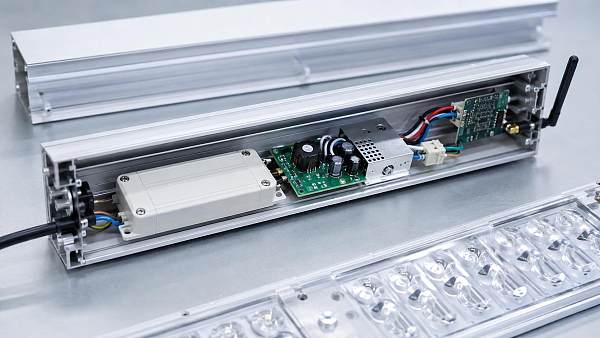
4. Energy cost per illuminated zone
Lighting affects operating cost and product perception.
Benchmarking LED efficiency, control systems, and maintenance cycles often reveals overlooked savings.
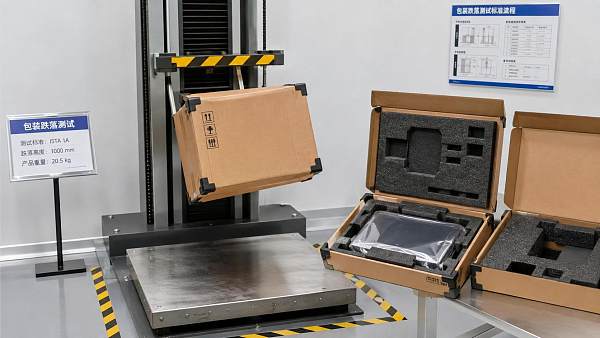
5. Packaging cost to damage ratio
Low-cost packaging can increase returns, spoilage, and brand dissatisfaction.
In retail benchmarking, sustainable packaging should be judged by total landed and recovery cost.
6. Compliance failure risk
Noncompliant commercial hardware can trigger project delays, retrofits, and warranty disputes.
Benchmarking against UL, CE, and BIFMA reduces hidden capital erosion.
Where do companies most often miss margin gaps in retail benchmarking?
The biggest mistake is focusing on visible costs while ignoring structural cost drivers.
Many reviews stop at procurement price comparisons.
That approach misses how commercial environments perform over time.
Common blind spots include:
- Store fixtures chosen without lifecycle or warranty benchmarking
- Signage systems assessed by design only, not maintenance access
- Digital tools measured by features, not service continuity
- Packaging judged by unit price, not return and waste impact
- Supply chain speed tracked without landed margin analysis
Retail benchmarking should also compare regional sourcing assumptions.
Asian manufacturing precision can support strong cost-performance ratios.
However, value disappears if specifications ignore local compliance, finish expectations, or installation conditions.
This is why benchmarking must join technical standards with commercial use cases.
A fixture that passes factory inspection still may underperform in heavy-traffic retail layouts.
How should retail benchmarking be applied across commercial spaces and supply chains?
Effective retail benchmarking works best when mapped across the full consumer ecosystem.
That includes front-of-house experience, back-end operations, and supplier execution.
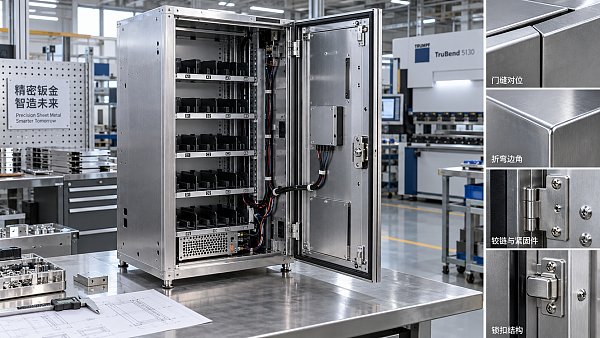
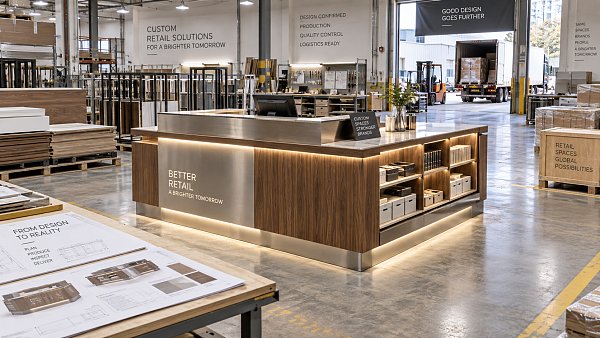
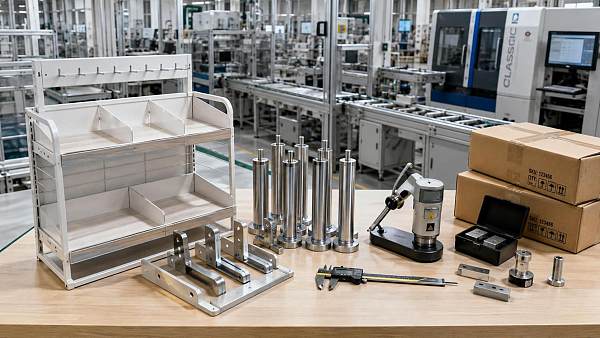
Commercial furniture and fixtures
Benchmark assembly time, damage tolerance, ergonomic performance, and replacement cycles.
Well-designed systems reduce labor and improve merchandising consistency.
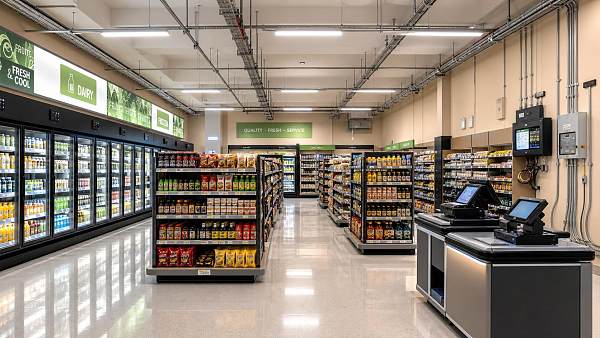
Smart retail technology
Compare hardware stability, software integration, data capture accuracy, and service response times.
Retail benchmarking here should include both shopper experience and operating resilience.
Lighting and signage
Measure illumination quality, power consumption, replacement labor, and wayfinding clarity.
These metrics affect dwell time, navigation, and maintenance budgets.
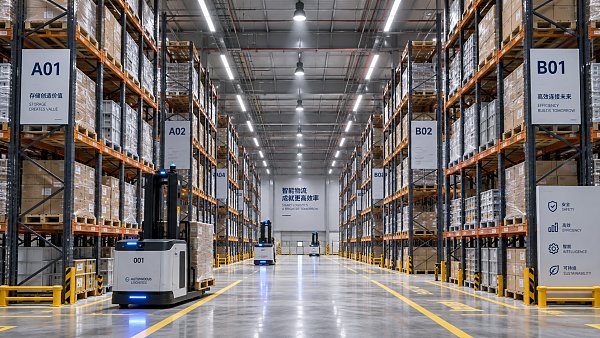
Consumer goods supply chain
Track order accuracy, lead-time volatility, fill rate, and cost-to-serve by product family.
Benchmarking these factors clarifies whether stock availability supports profitable sales.
Sustainable packaging
Assess recyclability, cube efficiency, protection performance, and disposal costs.
Retail benchmarking should balance environmental goals with actual margin protection.
How can you tell whether a benchmarking result is actionable?
A useful benchmark leads to a clear decision.
An unusable benchmark produces interesting numbers without operational direction.
Actionable retail benchmarking usually has four traits:
- It compares similar formats, not unrelated business models.
- It links each metric to profit, risk, or service outcomes.
- It accounts for standards, geography, and lifecycle conditions.
- It supports prioritization by impact and feasibility.
The table below helps translate retail benchmarking findings into action.
What mistakes weaken retail benchmarking and delay results?
Several mistakes make retail benchmarking look precise while hiding the real problem.
Mistake one: using isolated metrics
A low sourcing price means little without maintenance, logistics, and compliance context.
Mistake two: copying peer data blindly
Benchmarking should reflect format, geography, product mix, and customer expectations.
Mistake three: ignoring standardization gaps
Margin losses often appear when regional specifications vary without control.
Mistake four: skipping implementation timing
A sound benchmark still fails if rollout windows disrupt trading periods or capital planning.
To avoid these problems, retail benchmarking should follow a staged review:
- Define the margin question first
- Select comparable assets and operating contexts
- Validate standards and technical requirements
- Quantify lifecycle and risk-adjusted cost
- Prioritize actions by payback speed
This creates a more reliable path from insight to profit recovery.
What should happen next after identifying margin gaps?
Retail benchmarking should end with decisions, not dashboards.
Once gaps are identified, rank them by financial impact, technical complexity, and implementation speed.
Start with areas where specification improvement quickly protects margin.
Examples include durable fixture upgrades, POS stability improvements, efficient lighting retrofits, or packaging redesign.
G-BCE supports this process by connecting retail benchmarking with global technical intelligence and supply-side comparability.
That broader view helps commercial environments perform better across aesthetics, compliance, and operating economics.
If margin pressure remains unclear, begin with a focused audit.
Review one store format, one asset category, and one supply chain cost cluster.
Then expand retail benchmarking across the wider network using the same logic.
The strongest gains often come from disciplined benchmarking of details others treat as background costs.
- commercial furniture
- smart retail
- POS terminals
- supply chain
- consumer goods
- signage
- sustainable packaging
- commercial hardware
- retail technology
- commercial spaces
- manufacturing precision
- commercial environments
- consumer goods supply chain
- smart retail technology
- consumer ecosystem
- retail benchmarking
News Recommendations
 How to select laboratory instruments for reproducible test results
![51a6ab95581761cc26f4318be6520c15]()
Aris Katos
Future of Carbide Coatings
 When does a sheet metal prototype reveal design flaws early?
![51a6ab95581761cc26f4318be6520c15]()
Aris Katos
Future of Carbide Coatings
 When PE air column bags reduce damage in e-commerce fulfillment
![51a6ab95581761cc26f4318be6520c15]()
Aris Katos
Future of Carbide Coatings
 How energy-efficient design reduces operating costs in retail lighting
![51a6ab95581761cc26f4318be6520c15]()
Aris Katos
Future of Carbide Coatings
 When commercial aluminum storefronts make sense for a retail renovation
![51a6ab95581761cc26f4318be6520c15]()
Aris Katos
Future of Carbide Coatings
 What makes LED lights durable in high-use commercial spaces?
![51a6ab95581761cc26f4318be6520c15]()
Aris Katos
Future of Carbide Coatings
 Which industry categories offer the strongest export potential in Latin America?
![51a6ab95581761cc26f4318be6520c15]()
Aris Katos
Future of Carbide Coatings
 How to choose an ultra bright waterproof window display for storefronts
![51a6ab95581761cc26f4318be6520c15]()
Aris Katos
Future of Carbide Coatings
 How to verify suppliers on a trade portal for global sourcing
![51a6ab95581761cc26f4318be6520c15]()
Aris Katos
Future of Carbide Coatings
 How RoHS requirements should be stated in product specifications
![51a6ab95581761cc26f4318be6520c15]()
Aris Katos
Future of Carbide Coatings
 What affects the lead time for custom retail counter displays?
![51a6ab95581761cc26f4318be6520c15]()
Aris Katos
Future of Carbide Coatings
 What consumer packaging USA importers need to verify before ordering
![51a6ab95581761cc26f4318be6520c15]()
Aris Katos
Future of Carbide Coatings
 How commercial spaces interiors shape customer dwell time
![51a6ab95581761cc26f4318be6520c15]()
Aris Katos
Future of Carbide Coatings
 How LED commercial lighting design reduces glare in retail spaces
![51a6ab95581761cc26f4318be6520c15]()
Aris Katos
Future of Carbide Coatings
 How industrial technology information improves RFID inventory accuracy
![51a6ab95581761cc26f4318be6520c15]()
Aris Katos
Future of Carbide Coatings
 When drip garden watering systems make more sense than sprinklers
![51a6ab95581761cc26f4318be6520c15]()
Aris Katos
Future of Carbide Coatings
 When category comparison improves sourcing for industrial applications
![51a6ab95581761cc26f4318be6520c15]()
Aris Katos
Future of Carbide Coatings
 Industrial application guidance for selecting the right LED lighting
![51a6ab95581761cc26f4318be6520c15]()
Aris Katos
Future of Carbide Coatings
 Which commercial architecture standards apply to European retail fit-outs?
![51a6ab95581761cc26f4318be6520c15]()
Aris Katos
Future of Carbide Coatings
 How to verify FDA requirements for maternity care products
![51a6ab95581761cc26f4318be6520c15]()
Aris Katos
Future of Carbide Coatings
 How to verify BPA-free claims for food-contact products
![51a6ab95581761cc26f4318be6520c15]()
Aris Katos
Future of Carbide Coatings
 When does a European wholesale supplier suit modular office projects?
![51a6ab95581761cc26f4318be6520c15]()
Aris Katos
Future of Carbide Coatings
 When consumer ecosystem solutions improve the in-store shopping journey
![51a6ab95581761cc26f4318be6520c15]()
Aris Katos
Future of Carbide Coatings
 How a commercial developers network can reduce site selection risk
![51a6ab95581761cc26f4318be6520c15]()
Aris Katos
Future of Carbide Coatings
 How clear purchasing specifications prevent costly supplier deviations
![51a6ab95581761cc26f4318be6520c15]()
Aris Katos
Future of Carbide Coatings
 What an ISTA drop test lab checks before your packaging ships
![51a6ab95581761cc26f4318be6520c15]()
Aris Katos
Future of Carbide Coatings
 Which commercial furniture standards apply to workplace seating?
![51a6ab95581761cc26f4318be6520c15]()
Aris Katos
Future of Carbide Coatings
 How to evaluate smart lighting module OEM compatibility before sampling
![51a6ab95581761cc26f4318be6520c15]()
Aris Katos
Future of Carbide Coatings
 How to assess whether sustainable technology delivers real impact
![51a6ab95581761cc26f4318be6520c15]()
Aris Katos
Future of Carbide Coatings
 How to assess an OEM supplier’s quality control before ordering
![51a6ab95581761cc26f4318be6520c15]()
Aris Katos
Future of Carbide Coatings
 How consumer ecosystem solutions data can improve retail personalization
![51a6ab95581761cc26f4318be6520c15]()
Aris Katos
Future of Carbide Coatings
 When does consumer packaging design justify a higher product price?
![51a6ab95581761cc26f4318be6520c15]()
Aris Katos
Future of Carbide Coatings
 Supermarket Fixture Installation: Planning Layouts, Wiring, and Handover
![51a6ab95581761cc26f4318be6520c15]()
Aris Katos
Future of Carbide Coatings
 Automated Lighting and Smart Lighting Control in Bergerac: Key Project Considerations
![51a6ab95581761cc26f4318be6520c15]()
Aris Katos
Future of Carbide Coatings
 Segment Streetlight Controllers: Choosing Control Modes for Urban Roads
![51a6ab95581761cc26f4318be6520c15]()
Aris Katos
Future of Carbide Coatings
 IEC 62471-2 Explained: How to Assess Photobiological Risks in LED Lighting
![51a6ab95581761cc26f4318be6520c15]()
Aris Katos
Future of Carbide Coatings
 Food Grade Packaging Requirements by Product Type, Temperature, and Contact Risk
![51a6ab95581761cc26f4318be6520c15]()
Aris Katos
Future of Carbide Coatings
 Food Packaging Compliance Checklist: Tests, Records, and Labeling Before Shipment
![51a6ab95581761cc26f4318be6520c15]()
Aris Katos
Future of Carbide Coatings
 NSF Food Packaging Standards: When Certification Matters for Commercial Food Use
![51a6ab95581761cc26f4318be6520c15]()
Aris Katos
Future of Carbide Coatings