Ecommerce Packaging Solutions: 2026 Cost vs Protection
Time
Click Count
Choosing the right ecommerce packaging solutions in 2026 is no longer a simple price exercise. Material inflation, parcel handling intensity, sustainability rules, and customer expectations now move together.
The strongest packaging decisions balance landed cost, cube efficiency, damage prevention, and presentation quality. A lower unit price can still create higher total cost if breakage, returns, or dimensional weight rise.
Across global supply chains, packaging is becoming a performance system. For brands, retailers, and cross-border operators, better ecommerce packaging solutions support margin protection, compliance readiness, and customer trust.
Cost pressure is rising, but protection failures are getting more expensive

In 2026, parcel networks remain rough on products. More touchpoints, automated sorting, and mixed-delivery channels increase the need for smarter ecommerce packaging solutions.
At the same time, packaging costs are under scrutiny. Fiber pricing, recycled content premiums, and freight charges make overpackaging harder to justify.
This creates a new sourcing reality. The decision is not cheapest box versus premium protection. It is total system efficiency versus preventable loss.
Well-designed ecommerce packaging solutions reduce product damage, void fill use, shipping air, repacking labor, and negative reviews. Poor design often hides cost in operations, not invoices.
The key trend signals behind ecommerce packaging solutions in 2026
Several signals explain why packaging strategy is changing across the broader commercial ecosystem.
These signals make performance benchmarking more important. The best ecommerce packaging solutions are selected through measured tradeoffs, not assumptions.
Why the market is shifting from unit price to total protection economics
The shift is driven by a broader understanding of packaging cost. Unit material price is only one line in the equation.
- Damage claims raise replacement, handling, and reverse-logistics expenses.
- Oversized packs increase dimensional charges and storage footprint.
- Weak presentation can reduce repeat purchase confidence.
- Non-compliant materials may create market access or labeling problems.
- Excessive packaging conflicts with sustainability commitments.
As a result, ecommerce packaging solutions are increasingly evaluated through total delivered cost per intact unit. That metric captures what invoice-only comparisons miss.
A practical comparison framework
Different business stages feel packaging tradeoffs in different ways
Packaging decisions affect more than outbound shipping. They shape warehouse flow, customer experience, retail readiness, and sustainability reporting.
In omnichannel operations, one packaging format may travel through store replenishment, parcel delivery, and returns. That raises the value of flexible ecommerce packaging solutions.
Where impacts usually appear first
- Warehouse operations: slower packing if carton ranges are poorly standardized.
- Transportation: higher parcel charges from oversized dimensions.
- Customer experience: more complaints if packaging arrives crushed or difficult to recycle.
- Brand consistency: low-grade packaging can weaken premium positioning.
- Compliance tracking: material declarations and claims need documentation.
For the wider commercial environment, packaging now connects with data transparency. Performance should be benchmarked with transit testing, defect rates, and recovery outcomes.
What strong ecommerce packaging solutions now include
The most resilient solutions are not always the heaviest. They combine material engineering, route-specific protection, and efficient pack geometry.
- Right-sized corrugated mailers or RSC cartons matched to SKU dimensions.
- Paper-based cushioning for moderate shock protection and easier recycling.
- Engineered inserts that lock product movement without excessive fill.
- Tamper-evident closures for higher-risk categories.
- Water-resistant labeling and print durability for long transit routes.
- Test-backed material grades based on actual drop and compression profiles.
In many cases, hybrid formats perform best. A lighter outer box plus precision insert can outperform a thicker box with loose filler.
Protection should match product and route risk
Fragile electronics, premium glass, beauty kits, and home accessories need different ecommerce packaging solutions. Protection level should reflect product sensitivity, parcel density, and destination complexity.
The most important evaluation points for 2026 sourcing decisions
A useful review process focuses on measurable outcomes. These points matter more than broad marketing claims.
- Measure damage rate by SKU, route, and carrier.
- Compare packaging cost against freight and returns together.
- Audit dimensional utilization and empty space percentage.
- Check recyclability claims against destination market expectations.
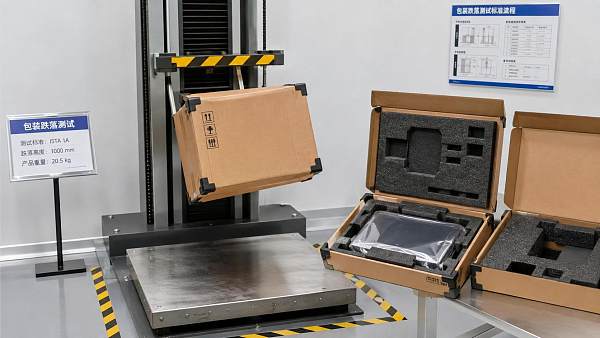
- Request performance data from drop, vibration, and compression tests.
- Review packing speed and carton range complexity.
- Assess visual quality for premium or gift-oriented categories.
These criteria help compare ecommerce packaging solutions objectively. They also support alignment between cost control, sustainability goals, and customer experience.
A practical response: benchmark, test, then standardize
In uncertain markets, the safest path is evidence-based packaging optimization. Start with a small number of high-volume or high-damage SKUs.
This approach supports continuous improvement. It also creates a stronger technical record for future sourcing and compliance reviews.
The next move should focus on data-backed packaging resilience
In 2026, the best ecommerce packaging solutions will be those that protect products without wasting material, freight space, or brand value.
A smart next step is to audit current packaging by damage frequency, cube efficiency, and recyclability. Then compare alternatives through testing, not assumptions.
For organizations building modern commercial ecosystems, packaging is now part of operational intelligence. Better decisions come from benchmarking performance across protection, cost, and sustainability at the same time.
News Recommendations
 How to select laboratory instruments for reproducible test results
![51a6ab95581761cc26f4318be6520c15]()
Aris Katos
Future of Carbide Coatings
 When does a sheet metal prototype reveal design flaws early?
![51a6ab95581761cc26f4318be6520c15]()
Aris Katos
Future of Carbide Coatings
 When PE air column bags reduce damage in e-commerce fulfillment
![51a6ab95581761cc26f4318be6520c15]()
Aris Katos
Future of Carbide Coatings
 How energy-efficient design reduces operating costs in retail lighting
![51a6ab95581761cc26f4318be6520c15]()
Aris Katos
Future of Carbide Coatings
 When commercial aluminum storefronts make sense for a retail renovation
![51a6ab95581761cc26f4318be6520c15]()
Aris Katos
Future of Carbide Coatings
 What makes LED lights durable in high-use commercial spaces?
![51a6ab95581761cc26f4318be6520c15]()
Aris Katos
Future of Carbide Coatings
 Which industry categories offer the strongest export potential in Latin America?
![51a6ab95581761cc26f4318be6520c15]()
Aris Katos
Future of Carbide Coatings
 How to choose an ultra bright waterproof window display for storefronts
![51a6ab95581761cc26f4318be6520c15]()
Aris Katos
Future of Carbide Coatings
 How to verify suppliers on a trade portal for global sourcing
![51a6ab95581761cc26f4318be6520c15]()
Aris Katos
Future of Carbide Coatings
 How RoHS requirements should be stated in product specifications
![51a6ab95581761cc26f4318be6520c15]()
Aris Katos
Future of Carbide Coatings
 What affects the lead time for custom retail counter displays?
![51a6ab95581761cc26f4318be6520c15]()
Aris Katos
Future of Carbide Coatings
 What consumer packaging USA importers need to verify before ordering
![51a6ab95581761cc26f4318be6520c15]()
Aris Katos
Future of Carbide Coatings
 How commercial spaces interiors shape customer dwell time
![51a6ab95581761cc26f4318be6520c15]()
Aris Katos
Future of Carbide Coatings
 How LED commercial lighting design reduces glare in retail spaces
![51a6ab95581761cc26f4318be6520c15]()
Aris Katos
Future of Carbide Coatings
 How industrial technology information improves RFID inventory accuracy
![51a6ab95581761cc26f4318be6520c15]()
Aris Katos
Future of Carbide Coatings
 When drip garden watering systems make more sense than sprinklers
![51a6ab95581761cc26f4318be6520c15]()
Aris Katos
Future of Carbide Coatings
 When category comparison improves sourcing for industrial applications
![51a6ab95581761cc26f4318be6520c15]()
Aris Katos
Future of Carbide Coatings
 Industrial application guidance for selecting the right LED lighting
![51a6ab95581761cc26f4318be6520c15]()
Aris Katos
Future of Carbide Coatings
 Which commercial architecture standards apply to European retail fit-outs?
![51a6ab95581761cc26f4318be6520c15]()
Aris Katos
Future of Carbide Coatings
 How to verify FDA requirements for maternity care products
![51a6ab95581761cc26f4318be6520c15]()
Aris Katos
Future of Carbide Coatings
 How to verify BPA-free claims for food-contact products
![51a6ab95581761cc26f4318be6520c15]()
Aris Katos
Future of Carbide Coatings
 When does a European wholesale supplier suit modular office projects?
![51a6ab95581761cc26f4318be6520c15]()
Aris Katos
Future of Carbide Coatings
 When consumer ecosystem solutions improve the in-store shopping journey
![51a6ab95581761cc26f4318be6520c15]()
Aris Katos
Future of Carbide Coatings
 How a commercial developers network can reduce site selection risk
![51a6ab95581761cc26f4318be6520c15]()
Aris Katos
Future of Carbide Coatings
 How clear purchasing specifications prevent costly supplier deviations
![51a6ab95581761cc26f4318be6520c15]()
Aris Katos
Future of Carbide Coatings
 What an ISTA drop test lab checks before your packaging ships
![51a6ab95581761cc26f4318be6520c15]()
Aris Katos
Future of Carbide Coatings
 Which commercial furniture standards apply to workplace seating?
![51a6ab95581761cc26f4318be6520c15]()
Aris Katos
Future of Carbide Coatings
 How to evaluate smart lighting module OEM compatibility before sampling
![51a6ab95581761cc26f4318be6520c15]()
Aris Katos
Future of Carbide Coatings
 How to assess whether sustainable technology delivers real impact
![51a6ab95581761cc26f4318be6520c15]()
Aris Katos
Future of Carbide Coatings
 How to assess an OEM supplier’s quality control before ordering
![51a6ab95581761cc26f4318be6520c15]()
Aris Katos
Future of Carbide Coatings
 How consumer ecosystem solutions data can improve retail personalization
![51a6ab95581761cc26f4318be6520c15]()
Aris Katos
Future of Carbide Coatings
 When does consumer packaging design justify a higher product price?
![51a6ab95581761cc26f4318be6520c15]()
Aris Katos
Future of Carbide Coatings
 Supermarket Fixture Installation: Planning Layouts, Wiring, and Handover
![51a6ab95581761cc26f4318be6520c15]()
Aris Katos
Future of Carbide Coatings
 Automated Lighting and Smart Lighting Control in Bergerac: Key Project Considerations
![51a6ab95581761cc26f4318be6520c15]()
Aris Katos
Future of Carbide Coatings
 Segment Streetlight Controllers: Choosing Control Modes for Urban Roads
![51a6ab95581761cc26f4318be6520c15]()
Aris Katos
Future of Carbide Coatings
 IEC 62471-2 Explained: How to Assess Photobiological Risks in LED Lighting
![51a6ab95581761cc26f4318be6520c15]()
Aris Katos
Future of Carbide Coatings
 Food Grade Packaging Requirements by Product Type, Temperature, and Contact Risk
![51a6ab95581761cc26f4318be6520c15]()
Aris Katos
Future of Carbide Coatings
 Food Packaging Compliance Checklist: Tests, Records, and Labeling Before Shipment
![51a6ab95581761cc26f4318be6520c15]()
Aris Katos
Future of Carbide Coatings
 NSF Food Packaging Standards: When Certification Matters for Commercial Food Use
![51a6ab95581761cc26f4318be6520c15]()
Aris Katos
Future of Carbide Coatings