3D Channel Letters Manufacturer: What Affects Lifespan
Time
Click Count
For after-sales maintenance teams, lifespan is not a cosmetic issue. It directly shapes uptime, repair frequency, safety exposure, and total operating cost across modern commercial environments.
A dependable 3d channel letters manufacturer affects far more than appearance. Material choice, sealing quality, LED architecture, fabrication precision, and installation discipline all determine how long signage performs outdoors.
As retail, hospitality, mixed-use property, and branded environments become more data-driven, signage is expected to last longer with fewer interventions. That shift is changing how lifespan should be evaluated.
Why lifespan expectations are rising across commercial signage
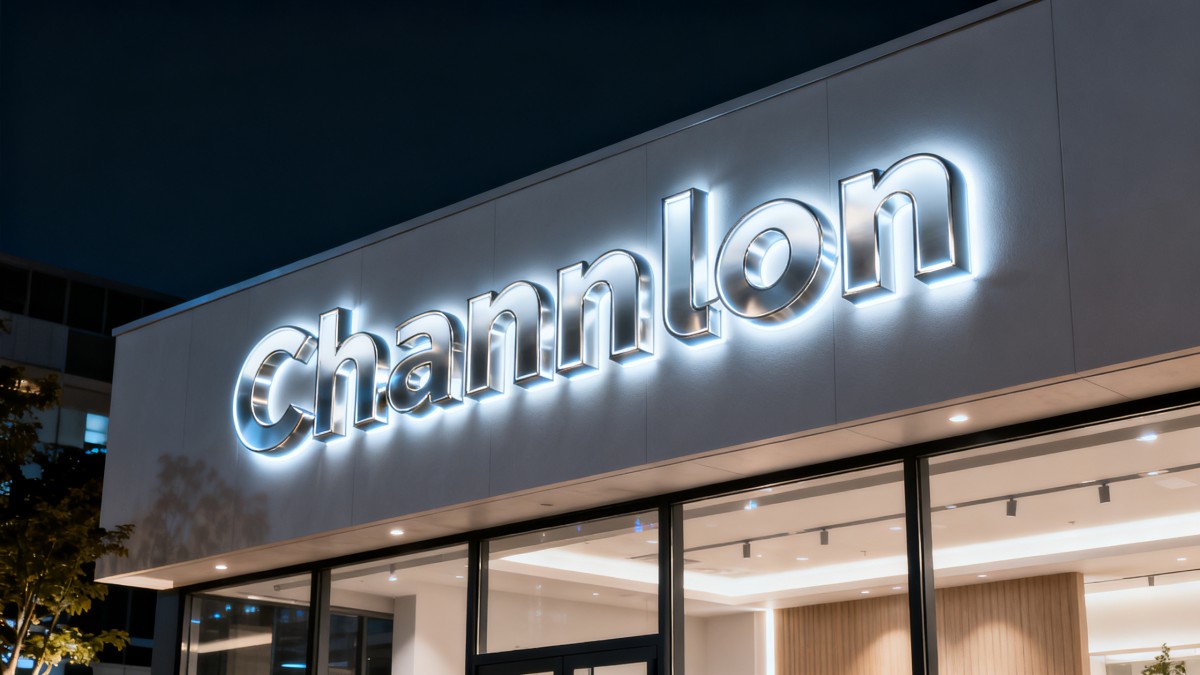
Commercial spaces now demand visual consistency, lower maintenance, and better energy control. Signs are no longer isolated fixtures. They are part of a broader operating ecosystem.
This makes the role of a 3d channel letters manufacturer more strategic. The sign must survive weather, pollution, vibration, thermal cycling, and long operating hours without frequent service calls.
In many projects, replacement access is difficult. Façade-mounted signs on towers, transit-adjacent sites, and flagship storefronts can turn small failures into major service events.
As a result, lifespan is now judged by three dimensions: structural endurance, luminous stability, and maintenance predictability. A credible 3d channel letters manufacturer should be assessed on all three.
The strongest lifespan signals appear before the sign is even installed
Most durability problems start upstream. They usually begin in material selection, engineering tolerance, or assembly control rather than in field use alone.
When comparing suppliers, the best early warning signs are not marketing claims. They are measurable technical decisions that affect aging behavior over time.
Key drivers that shape service life
A high-performing 3d channel letters manufacturer usually documents these variables clearly. That transparency matters more than broad lifespan promises without test context.
Material upgrades are becoming the clearest divider of long-term performance
Material selection remains the foundation of durability. Acrylic quality, stainless steel grade, aluminum thickness, and finishing method all influence weathering and maintenance intervals.
Lower-grade acrylic can yellow or embrittle under UV exposure. Inferior metal may corrode near coastal air, road salt, or industrial emissions. Thin returns may deform under heat and wind.
A capable 3d channel letters manufacturer should match materials to location risk. Dry inland retail and coastal hospitality projects should not receive the same construction logic.
What to verify in material specifications
- UV-stable acrylic or polycarbonate face options
- Stainless steel or treated aluminum suited to site exposure
- Protective coatings with outdoor aging resistance
- Consistent sheet thickness and bend integrity
- Adhesives compatible with heat, moisture, and expansion cycles
These details help distinguish a basic sign fabricator from a serious 3d channel letters manufacturer focused on lifecycle performance.
Water, heat, and power quality now cause more failures than simple aging
In many cases, signs fail early because water enters the enclosure or heat cannot dissipate properly. Electrical instability then accelerates the damage.
Ingress protection is not only about gaskets. It depends on seam treatment, drainage design, cable routing, vent strategy, and connector reliability.
LED lifespan claims also require caution. Module quality, driver matching, and current management influence real-world performance more than nominal laboratory hours.
Why electronics quality changes maintenance outcomes
- Stable drivers reduce flicker and voltage stress.
- Efficient thermal design protects LEDs from lumen loss.
- Uniform module spacing preserves visual consistency longer.
- Serviceable wiring layouts shorten repair time when faults occur.
Any 3d channel letters manufacturer serving demanding sites should explain power supply placement, waterproof ratings, and thermal considerations in detail.
Installation quality can either preserve or erase manufacturing advantages
Even excellent fabrication can be undermined by poor mounting or careless electrical work. Lifespan depends on how the sign interacts with the building envelope.
Improper fasteners, weak backing support, missing drip loops, or unprotected penetrations create conditions for vibration damage and water intrusion.
This is why a qualified 3d channel letters manufacturer often provides installation drawings, wiring logic, and location-specific recommendations rather than shipping letters alone.
Business impacts across the operating chain
Short sign life affects more than maintenance budgets. It can disrupt brand presentation, create tenant complaints, complicate safety compliance, and reduce façade quality in premium projects.
For distributed commercial portfolios, inconsistent sign durability also weakens standardization. Different failure rates across sites make service planning and spare inventory harder to control.
- Higher emergency repair frequency
- Longer nighttime maintenance windows
- Greater façade access and lift equipment costs
- Faster decline in visual brand consistency
The most useful evaluation focus is lifecycle evidence, not lowest initial cost
Selecting a 3d channel letters manufacturer should involve performance evidence. Initial price alone rarely reflects the true cost of ownership across years of exposure.
A lower quote may hide weaker sealing, lower-grade LEDs, thinner metal, or poor finish protection. Those savings often disappear after the first major service event.
Priority checks before approval
- Ask for outdoor project references in similar climates.
- Review material grades and test reports.
- Confirm LED brand, driver brand, and rated operating conditions.
- Check waterproof construction details, not just warranty length.
- Verify installation guidance and service access planning.
- Compare expected maintenance intervals, not purchase price alone.
What deserves close attention in the next project cycle
The market is moving toward longer-life signage with better traceability. That means more emphasis on standardized components, tested waterproofing, and documented quality control.
The right 3d channel letters manufacturer should support this shift with measurable data, realistic warranty terms, and project-specific engineering logic.
When reviewing future signage, focus on climate fit, internal electronics quality, mounting design, and serviceability. These factors usually predict lifespan more accurately than finish appearance at delivery.
A practical next step is to build a comparison checklist for every sign package. Score each 3d channel letters manufacturer against materials, sealing, LED systems, installation support, and long-term maintenance risk.
That approach improves decision quality, reduces unplanned failures, and supports more resilient commercial spaces where signage remains consistent, safe, and efficient over time.
News Recommendations
 Best E-Commerce Platforms for Margin and Scale in 2026
![51a6ab95581761cc26f4318be6520c15]()
Aris Katos
Future of Carbide Coatings
 Architectural Hardware Selection Guide for Long-Term Performance
![51a6ab95581761cc26f4318be6520c15]()
Aris Katos
Future of Carbide Coatings
 Hotel Procurement Checklist for FF&E Cost Control
![51a6ab95581761cc26f4318be6520c15]()
Aris Katos
Future of Carbide Coatings
 Fixture Based Store Design: Cost, Flow, and Flexibility
![51a6ab95581761cc26f4318be6520c15]()
Aris Katos
Future of Carbide Coatings
 How Supplier References Reduce Risk in Global Sourcing
![51a6ab95581761cc26f4318be6520c15]()
Aris Katos
Future of Carbide Coatings
 Saudi SABER Adds Mandatory Upload for Biodegradable Materials
![51a6ab95581761cc26f4318be6520c15]()
Aris Katos
Future of Carbide Coatings
 US West Capacity Tightens, Raising POS Export Costs
![51a6ab95581761cc26f4318be6520c15]()
Aris Katos
Future of Carbide Coatings
 RCEP Rule Shift Adds Traceability to Pack Exports
![51a6ab95581761cc26f4318be6520c15]()
Aris Katos
Future of Carbide Coatings
 CPSC Moves to Ban PFAS Kitchenware Sales
![51a6ab95581761cc26f4318be6520c15]()
Aris Katos
Future of Carbide Coatings
 EU CE Rule Takes Effect for EN 55032:2026 Signage Testing
![51a6ab95581761cc26f4318be6520c15]()
Aris Katos
Future of Carbide Coatings
 Commercial Architects: Key Checks Before Finalizing a Design Partner
![51a6ab95581761cc26f4318be6520c15]()
Aris Katos
Future of Carbide Coatings
 Food Safety Gaps That Common Audits Still Miss
![51a6ab95581761cc26f4318be6520c15]()
Aris Katos
Future of Carbide Coatings
 Retail Sensor Network Cost: What Impacts ROI in Multi-Store Deployment
![51a6ab95581761cc26f4318be6520c15]()
Aris Katos
Future of Carbide Coatings
 How to Compare a Retail Fixtures Manufacturer for Store Rollouts
![51a6ab95581761cc26f4318be6520c15]()
Aris Katos
Future of Carbide Coatings
 Office Furniture Bulk Pricing: Cost Drivers and Quote Benchmarks
![51a6ab95581761cc26f4318be6520c15]()
Aris Katos
Future of Carbide Coatings
 SABER Update Adds Dual Reports for 3D Signs
![51a6ab95581761cc26f4318be6520c15]()
Aris Katos
Future of Carbide Coatings
 RFID Tag Prices Ease as Lead Times Shrink
![51a6ab95581761cc26f4318be6520c15]()
Aris Katos
Future of Carbide Coatings
 Vietnam Enforces QCVN 167:2026 for Retail Shelving
![51a6ab95581761cc26f4318be6520c15]()
Aris Katos
Future of Carbide Coatings
 FDA Extends Food-Grade Packaging Rules to E-Commerce Liners
![51a6ab95581761cc26f4318be6520c15]()
Aris Katos
Future of Carbide Coatings
 EU Adopts EN IEC 63000:2026 for Smart Lighting Controls
![51a6ab95581761cc26f4318be6520c15]()
Aris Katos
Future of Carbide Coatings
 Kraft Takeaway Food Box: Cost, Grease Resistance, and Compliance
![51a6ab95581761cc26f4318be6520c15]()
Aris Katos
Future of Carbide Coatings
 Cinema Ticketing Kiosk Manufacturer Checklist for Reliable Deployment
![51a6ab95581761cc26f4318be6520c15]()
Aris Katos
Future of Carbide Coatings
 Posture Support Office Furniture: What Actually Improves Comfort
![51a6ab95581761cc26f4318be6520c15]()
Aris Katos
Future of Carbide Coatings
 How to Evaluate a Braille Wayfinding Signage Supplier
![51a6ab95581761cc26f4318be6520c15]()
Aris Katos
Future of Carbide Coatings
 Product Specification Guidance: How to Compare Key Components
![51a6ab95581761cc26f4318be6520c15]()
Aris Katos
Future of Carbide Coatings
 Saudi SASO Mandates SASO 2870:2026 for Architectural LED Lighting
![51a6ab95581761cc26f4318be6520c15]()
Aris Katos
Future of Carbide Coatings
 SCFI Falls Below 1,200 as POS Export Shipping Costs Drop
![51a6ab95581761cc26f4318be6520c15]()
Aris Katos
Future of Carbide Coatings
 Vietnam Tightens Labels for Biodegradable Packaging
![51a6ab95581761cc26f4318be6520c15]()
Aris Katos
Future of Carbide Coatings
 CPSC Escalates Lead-Coating Recall Across Sales Channels
![51a6ab95581761cc26f4318be6520c15]()
Aris Katos
Future of Carbide Coatings
 EU EMC Rule Takes Effect for Digital Signage
![51a6ab95581761cc26f4318be6520c15]()
Aris Katos
Future of Carbide Coatings
 Tillage Equipment Selection Guide for Soil Type, Fuel Use, and Field Efficiency
![51a6ab95581761cc26f4318be6520c15]()
Aris Katos
Future of Carbide Coatings
 Eco Pet Supplies Manufacturer Checklist: Materials, Compliance, and MOQ
![51a6ab95581761cc26f4318be6520c15]()
Aris Katos
Future of Carbide Coatings
 How to Compare HDMI Video Wall Controller Suppliers for Multi-Screen Stability
![51a6ab95581761cc26f4318be6520c15]()
Aris Katos
Future of Carbide Coatings
 Aluminum Extrusion Profiles for Facades: Key Performance Checks Before Specification
![51a6ab95581761cc26f4318be6520c15]()
Aris Katos
Future of Carbide Coatings
 How Commercial Developers in the Middle East Assess Mixed-Use Project Risk
![51a6ab95581761cc26f4318be6520c15]()
Aris Katos
Future of Carbide Coatings
 RFID Chip Shortage Eases as Lead Times Fall to 6 Weeks
![51a6ab95581761cc26f4318be6520c15]()
Aris Katos
Future of Carbide Coatings
 Vietnam Tightens Import Rules for Retail Shelving
![51a6ab95581761cc26f4318be6520c15]()
Aris Katos
Future of Carbide Coatings
 EU Opens Review of Digital Signage Energy Label Shift
![51a6ab95581761cc26f4318be6520c15]()
Aris Katos
Future of Carbide Coatings
 RCEP Launches Green Mutual Recognition for Smart Lighting Controls
![51a6ab95581761cc26f4318be6520c15]()
Aris Katos
Future of Carbide Coatings