Office Furniture Bulk Pricing: Cost Drivers and Quote Benchmarks
Time
Click Count
Why does office furniture bulk pricing vary so much from one quote to another?
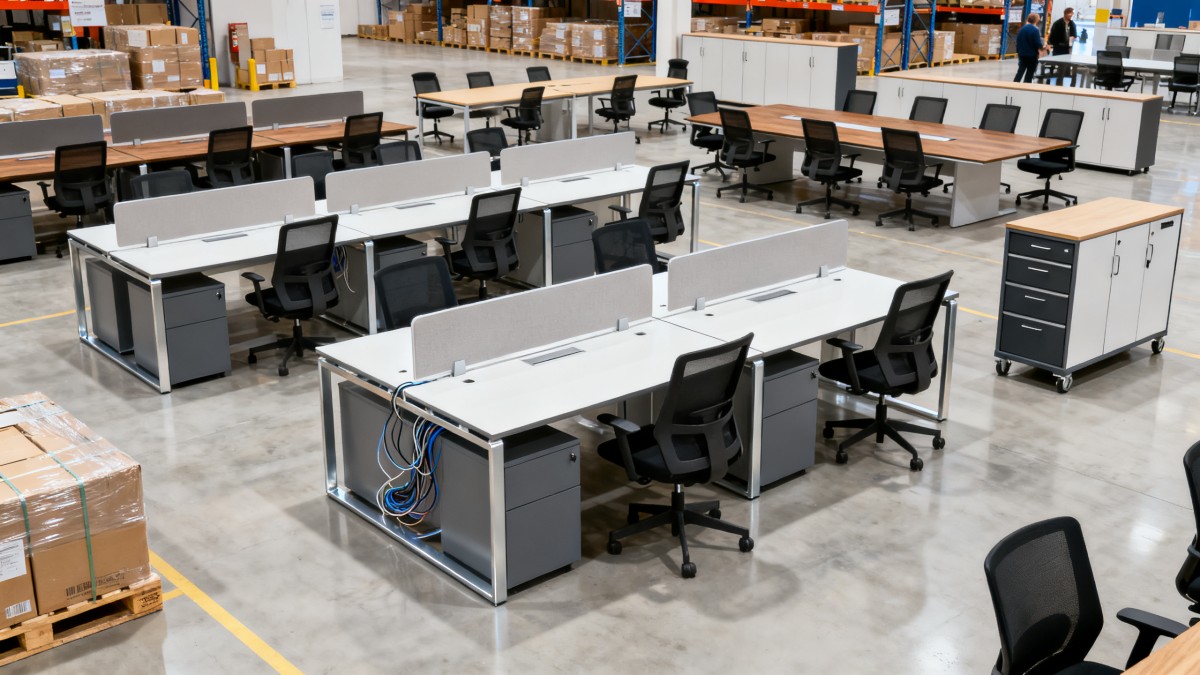
Office furniture bulk pricing rarely changes for one reason alone. Most quote gaps come from a stack of small technical and commercial decisions.
At a basic level, buyers are comparing structure, finish, labor, packaging, freight, and compliance. Two desks may look similar online, yet land at very different landed costs.
In practical sourcing, the biggest cost drivers are usually material grade, order volume, customization depth, and shipping method. Lead time pressure also pushes pricing upward.
This matters more in commercial environments than in casual home-office buying. Chain rollouts, fit-out schedules, and replacement cycles all depend on stable quote logic.
That is why platforms such as G-BCE focus on benchmarkable furniture data. When office systems are reviewed against standards and supply chain variables, quote comparisons become clearer.
A useful way to read office furniture bulk pricing is this: the unit price is only the visible part. The risk cost sits underneath.
Which cost drivers usually have the strongest effect on office furniture bulk pricing?
The short answer is that structure and specification drive the core price, while logistics and compliance reshape the final number.
Material selection comes first. Steel thickness, aluminum content, worktop substrate, laminate grade, veneer quality, and upholstery performance all change manufacturing cost.
A powder-coated steel frame costs more than a lighter painted option, but it often lasts longer in high-use commercial settings.
Worksurface choices also shift office furniture bulk pricing quickly. MFC is usually lower-cost. HPL, Fenix-style surfaces, solid wood edging, or acoustic panels raise the quote.
Then comes product complexity. Benching systems with cable trays, power modules, privacy screens, and monitor arms need more components and more assembly time.
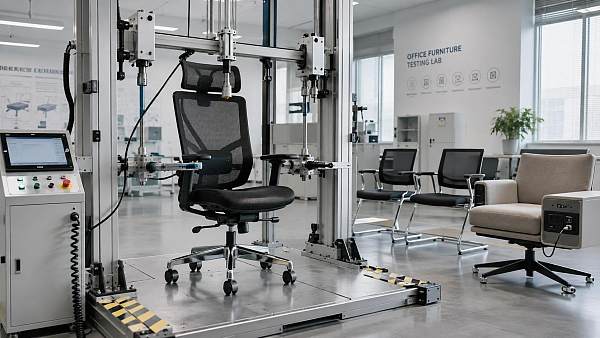
Chairs follow a similar pattern. A task chair with molded foam, synchro tilt, BIFMA testing, and multi-shift durability will not price like a simple visitor chair.
Customization is another major factor. Standard finishes are easier to source, batch, and pack. Custom colors, dimensions, and branded details interrupt factory efficiency.
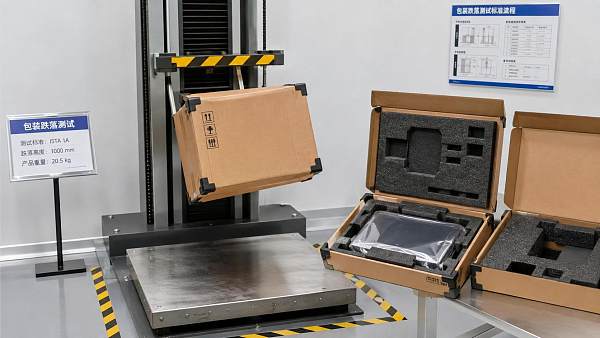
Packaging deserves attention too. Export cartons, corner guards, palletization, and knock-down engineering can reduce damage, but they add measurable cost.
Finally, certification and documentation matter. UL-listed components, CE alignment, BIFMA test reports, fire ratings, or chain-specific documentation may increase office furniture bulk pricing, but they often reduce project risk.
A quick benchmark table for early quote review
The ranges below are not universal list prices. They are planning references for standard commercial-grade sourcing before project-specific freight and taxes.
If a quote falls far below these bands, check where the reduction comes from. It may be valid. It may also hide lighter structure, weaker packaging, or incomplete compliance.
How should a bulk quote be compared without missing hidden costs?
A common mistake is comparing only EXW unit pricing. That number is useful, but it rarely reflects the total project burden.
A stronger comparison looks at landed cost, install readiness, document completeness, and failure risk. Those four points usually explain the real difference.
In real projects, a lower unit quote can become more expensive after damage claims, delayed approvals, or missing hardware during installation.
Use this review list when comparing office furniture bulk pricing from different suppliers:
- Quoted trade term: EXW, FOB, CIF, or DDP
- Assembly condition: fully assembled or knock-down
- Included accessories: grommets, power, screens, feet, brackets
- Material specification sheet and finish schedule
- Compliance evidence and test reports
- Packaging standard and damage replacement process
- Lead time split between sample, production, and shipment
The better quotes usually feel more transparent. They show what is included, what is optional, and where price risk may change after drawing approval.
This is where technical benchmarking helps. G-BCE-style comparison is useful because it puts furniture, fixtures, and related commercial hardware into the same decision framework.
When does customization make sense, and when does it inflate office furniture bulk pricing too much?
Customization is not automatically wasteful. It becomes expensive when it breaks standard tooling, creates low-yield production, or complicates packaging and freight.
The best use of customization is targeted customization. Keep the core platform standard, then adjust visible or functional elements that matter most.
For example, changing laminate color across a standard desk family is usually manageable. Redesigning leg geometry for a short-run project is far more costly.
Power integration is another case. If cable management needs to match smart retail or hybrid office infrastructure, the extra spend can be justified.
That is especially relevant in mixed-use commercial environments, where office zones connect with branded reception, digital service points, and flexible collaboration spaces.
A simple decision table can prevent over-customization early.
What are the most common mistakes in office furniture bulk pricing requests?
Many quote problems begin before the supplier answers. The RFQ is often too vague, too visual, or too compressed on timing.
One frequent issue is sending mood boards without technical requirements. Attractive references help, but they do not replace dimensions, materials, load targets, or compliance needs.
Another mistake is mixing project phases into one quantity. Pilot offices, headquarters, and regional rollouts may need separate pricing logic.
It is also risky to ignore replacement policy. A low bulk quote looks less attractive when damaged panels or failed chair parts need slow and costly replenishment.
Watch for these warning signs:
- No clear bill of materials
- No distinction between sample cost and mass order cost
- No test documentation for key categories
- No shipping assumption stated in the quote
- No revision control after drawing changes
Office furniture bulk pricing works best when the input pack is disciplined. A clear RFQ usually gets a clearer quote back.
So what is a practical next step before approving a supplier?
Start by separating must-have requirements from visual preferences. That single step improves quote quality more than most negotiation tactics.
Then build a comparison sheet using the same structure for every supplier. Include unit price, trade term, lead time, packaging method, and compliance evidence.
If the project spans multiple commercial functions, review furniture alongside lighting, signage, technology integration, and packaging assumptions for spare parts or accessories.
That broader lens reflects how modern commercial spaces are actually delivered. It also aligns with the cross-sector intelligence model used by G-BCE.
Before final approval, confirm five things in writing:
- Approved drawings and finish codes
- Final office furniture bulk pricing basis and trade term
- Testing or certification documents required
- Damage, shortage, and warranty response process
- Production and shipment milestones
A strong office furniture bulk pricing decision is not about chasing the lowest number. It is about understanding what the quote protects, what it omits, and what it may cost later.
The next move is straightforward: define the specification, normalize the quote format, benchmark the range, and test the risk behind the price.
News Recommendations
 When does a sheet metal prototype reveal design flaws early?
![51a6ab95581761cc26f4318be6520c15]()
Aris Katos
Future of Carbide Coatings
 When PE air column bags reduce damage in e-commerce fulfillment
![51a6ab95581761cc26f4318be6520c15]()
Aris Katos
Future of Carbide Coatings
 How energy-efficient design reduces operating costs in retail lighting
![51a6ab95581761cc26f4318be6520c15]()
Aris Katos
Future of Carbide Coatings
 When commercial aluminum storefronts make sense for a retail renovation
![51a6ab95581761cc26f4318be6520c15]()
Aris Katos
Future of Carbide Coatings
 What makes LED lights durable in high-use commercial spaces?
![51a6ab95581761cc26f4318be6520c15]()
Aris Katos
Future of Carbide Coatings
 Which industry categories offer the strongest export potential in Latin America?
![51a6ab95581761cc26f4318be6520c15]()
Aris Katos
Future of Carbide Coatings
 How to choose an ultra bright waterproof window display for storefronts
![51a6ab95581761cc26f4318be6520c15]()
Aris Katos
Future of Carbide Coatings
 How to verify suppliers on a trade portal for global sourcing
![51a6ab95581761cc26f4318be6520c15]()
Aris Katos
Future of Carbide Coatings
 How RoHS requirements should be stated in product specifications
![51a6ab95581761cc26f4318be6520c15]()
Aris Katos
Future of Carbide Coatings
 What affects the lead time for custom retail counter displays?
![51a6ab95581761cc26f4318be6520c15]()
Aris Katos
Future of Carbide Coatings
 What consumer packaging USA importers need to verify before ordering
![51a6ab95581761cc26f4318be6520c15]()
Aris Katos
Future of Carbide Coatings
 How commercial spaces interiors shape customer dwell time
![51a6ab95581761cc26f4318be6520c15]()
Aris Katos
Future of Carbide Coatings
 How LED commercial lighting design reduces glare in retail spaces
![51a6ab95581761cc26f4318be6520c15]()
Aris Katos
Future of Carbide Coatings
 How industrial technology information improves RFID inventory accuracy
![51a6ab95581761cc26f4318be6520c15]()
Aris Katos
Future of Carbide Coatings
 When drip garden watering systems make more sense than sprinklers
![51a6ab95581761cc26f4318be6520c15]()
Aris Katos
Future of Carbide Coatings
 When category comparison improves sourcing for industrial applications
![51a6ab95581761cc26f4318be6520c15]()
Aris Katos
Future of Carbide Coatings
 Industrial application guidance for selecting the right LED lighting
![51a6ab95581761cc26f4318be6520c15]()
Aris Katos
Future of Carbide Coatings
 Which commercial architecture standards apply to European retail fit-outs?
![51a6ab95581761cc26f4318be6520c15]()
Aris Katos
Future of Carbide Coatings
 How to verify FDA requirements for maternity care products
![51a6ab95581761cc26f4318be6520c15]()
Aris Katos
Future of Carbide Coatings
 How to verify BPA-free claims for food-contact products
![51a6ab95581761cc26f4318be6520c15]()
Aris Katos
Future of Carbide Coatings
 When does a European wholesale supplier suit modular office projects?
![51a6ab95581761cc26f4318be6520c15]()
Aris Katos
Future of Carbide Coatings
 When consumer ecosystem solutions improve the in-store shopping journey
![51a6ab95581761cc26f4318be6520c15]()
Aris Katos
Future of Carbide Coatings
 How a commercial developers network can reduce site selection risk
![51a6ab95581761cc26f4318be6520c15]()
Aris Katos
Future of Carbide Coatings
 How clear purchasing specifications prevent costly supplier deviations
![51a6ab95581761cc26f4318be6520c15]()
Aris Katos
Future of Carbide Coatings
 What an ISTA drop test lab checks before your packaging ships
![51a6ab95581761cc26f4318be6520c15]()
Aris Katos
Future of Carbide Coatings
 Which commercial furniture standards apply to workplace seating?
![51a6ab95581761cc26f4318be6520c15]()
Aris Katos
Future of Carbide Coatings
 How to evaluate smart lighting module OEM compatibility before sampling
![51a6ab95581761cc26f4318be6520c15]()
Aris Katos
Future of Carbide Coatings
 How to assess whether sustainable technology delivers real impact
![51a6ab95581761cc26f4318be6520c15]()
Aris Katos
Future of Carbide Coatings
 How to assess an OEM supplier’s quality control before ordering
![51a6ab95581761cc26f4318be6520c15]()
Aris Katos
Future of Carbide Coatings
 How consumer ecosystem solutions data can improve retail personalization
![51a6ab95581761cc26f4318be6520c15]()
Aris Katos
Future of Carbide Coatings
 When does consumer packaging design justify a higher product price?
![51a6ab95581761cc26f4318be6520c15]()
Aris Katos
Future of Carbide Coatings
 Supermarket Fixture Installation: Planning Layouts, Wiring, and Handover
![51a6ab95581761cc26f4318be6520c15]()
Aris Katos
Future of Carbide Coatings
 Automated Lighting and Smart Lighting Control in Bergerac: Key Project Considerations
![51a6ab95581761cc26f4318be6520c15]()
Aris Katos
Future of Carbide Coatings
 Segment Streetlight Controllers: Choosing Control Modes for Urban Roads
![51a6ab95581761cc26f4318be6520c15]()
Aris Katos
Future of Carbide Coatings
 IEC 62471-2 Explained: How to Assess Photobiological Risks in LED Lighting
![51a6ab95581761cc26f4318be6520c15]()
Aris Katos
Future of Carbide Coatings
 Food Grade Packaging Requirements by Product Type, Temperature, and Contact Risk
![51a6ab95581761cc26f4318be6520c15]()
Aris Katos
Future of Carbide Coatings
 Food Packaging Compliance Checklist: Tests, Records, and Labeling Before Shipment
![51a6ab95581761cc26f4318be6520c15]()
Aris Katos
Future of Carbide Coatings
 NSF Food Packaging Standards: When Certification Matters for Commercial Food Use
![51a6ab95581761cc26f4318be6520c15]()
Aris Katos
Future of Carbide Coatings
 FDA Food Grade Compliance: Which Materials and Documents Do Buyers Need?
![51a6ab95581761cc26f4318be6520c15]()
Aris Katos
Future of Carbide Coatings