Polycarbonate Roofing vs Metal Sheets: Cost, Light, and Lifespan
Time
Click Count
Choosing between polycarbonateroofing and metal sheets is rarely a simple material comparison. In commercial projects, the roof influences daylight quality, indoor heat gain, maintenance planning, and even how a space feels to occupants. For retail, logistics, transit, and mixed-use developments, that decision shapes both capital cost and operating performance over time.
That is why the topic matters beyond construction alone. Across modern commercial environments, owners are balancing sustainability targets, tighter energy models, and stronger expectations around user experience. Seen through the benchmarking lens used by G-BCE, roofing is part of a larger system where structure, lighting, sourcing, and lifecycle value need to work together.
What the Comparison Really Involves
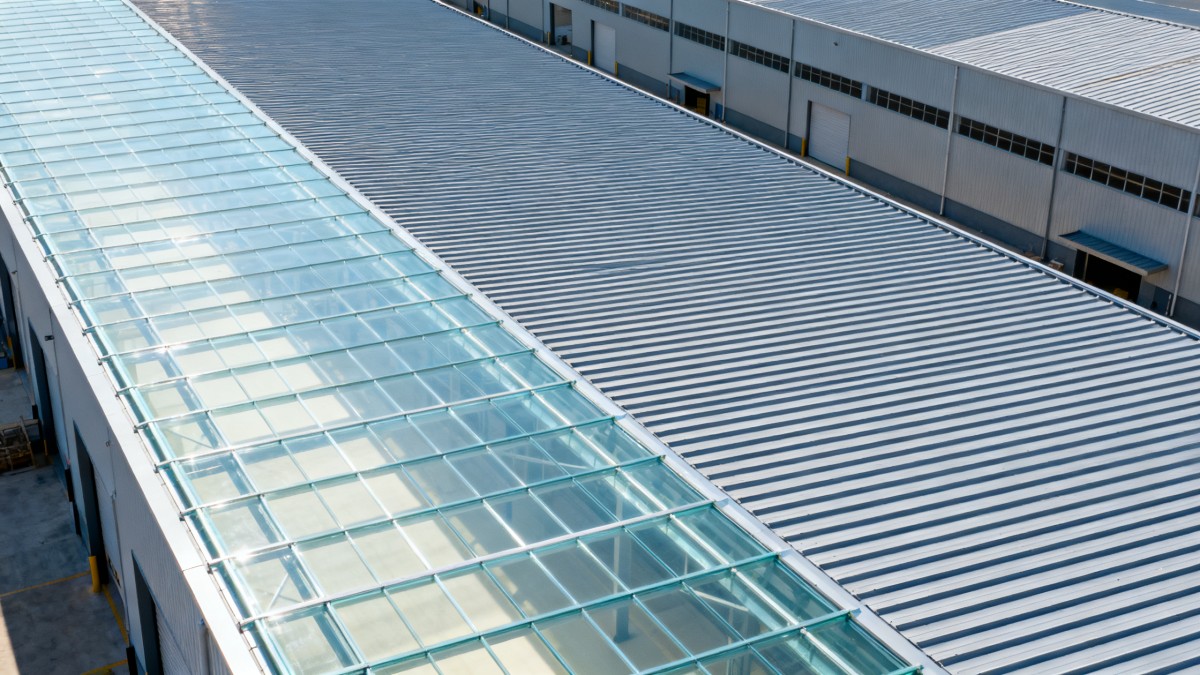
At a basic level, polycarbonateroofing is a translucent polymer-based roofing system. It is commonly supplied in multiwall, corrugated, or solid sheet formats. Metal roofing usually refers to steel or aluminum sheets, often coated for weather resistance and corrosion control.
The headline differences are easy to state. Polycarbonateroofing brings light transmission. Metal sheets bring opacity, rigidity, and a familiar industrial cost structure. The harder part is understanding how those traits behave in actual buildings.
In practical terms, the choice often comes down to three connected questions. How much natural light is useful, not just attractive? What cost profile fits the project timeline? How long will the installed system perform before repairs or replacement disrupt operations?
Why Commercial Projects Are Looking Closer at Roofing Materials
Commercial buildings now carry more performance expectations than they did a decade ago. Roofs are no longer judged only by weather protection. They are evaluated for daylighting contribution, thermal behavior, acoustics, code compliance, and compatibility with sustainability goals.
In sectors tracked by G-BCE, this is especially visible in retail parks, showroom environments, transport-linked facilities, and warehouse-to-display hybrids. These spaces need durable shells, but they also need visual comfort and efficient operating conditions.
That broader context changes how polycarbonateroofing is assessed. It is not only a substitute for metal sheets. It can also be a daylighting strategy, a design element, and a way to reduce dependence on artificial lighting during business hours.
Cost Means More Than the Purchase Price
Upfront pricing usually favors standard metal sheets, especially in large-volume industrial procurement. Material cost per square meter is often lower, and contractor familiarity can reduce installation friction. That makes metal appealing where budget certainty is the first priority.
Polycarbonateroofing can cost more initially, depending on thickness, UV treatment, impact grade, and support spacing. Multiwall panels and branded systems may also require more specific accessories, including glazing bars, seals, and expansion detailing.
Still, a strict purchase-price comparison is incomplete. When polycarbonateroofing reduces daytime lighting demand, especially in circulation zones or semi-conditioned spaces, part of that cost can be recovered in operations. The scale of that benefit depends on building orientation, climate, and occupancy schedule.
Usually, the most reliable approach is lifecycle costing. That means comparing not only sheet price, but also supporting structure, lighting energy, cleaning access, service interruptions, and replacement intervals.
Light Transmission Can Be an Asset or a Liability
This is where polycarbonateroofing clearly separates itself. It can transmit daylight while diffusing glare, which is useful in covered walkways, atriums, canopies, platform shelters, garden retail, and warehouse sections that benefit from ambient light.
That benefit is strongest when daylight supports the function of the space. In customer-facing environments, brighter daytime interiors can improve visibility and reduce the flat, enclosed feeling that opaque roofs sometimes create. In back-of-house areas, light can reduce artificial load during peak operating hours.
But light alone is not enough. Uncontrolled solar gain can become a problem, especially in warm climates or buildings with limited ventilation. Clear sheets may create heat build-up, glare, or uneven light distribution if the specification is too simple.
Metal sheets avoid that issue by blocking light entirely, yet that also means relying on skylights or electric lighting to achieve visibility targets. In many projects, the better answer is not full replacement of one material by the other, but targeted use of polycarbonateroofing within a mostly metal roof layout.
Where light performance should be checked closely
- Solar heat gain coefficient and visible light transmission
- Orientation of roof slopes relative to peak sun exposure
- Interior tasks that are sensitive to glare or shadow contrast
- Compatibility with artificial lighting controls and sensors
Lifespan Depends on Environment, Not Just Material Type
Lifespan claims are often oversimplified. Polycarbonateroofing may perform well for many years, but its long-term behavior depends heavily on UV protection, sheet quality, fixing details, and cleaning exposure. Lower-grade sheets can yellow, embrittle, or lose impact resistance faster than expected.
Metal sheets also vary widely. Galvanized steel, pre-painted steel, and aluminum do not age in the same way. In coastal, chemical, or humid settings, corrosion risk becomes a central concern. Coating breakdown, fastener failure, and edge corrosion can shorten service life significantly.
So the real question is not which material lasts longer in theory. It is which system will remain functional in the project's actual environment, with realistic maintenance standards and procurement controls.
From a benchmarking perspective, documented performance matters more than generic claims. Warranties, fire behavior, UV-layer specifications, impact test data, and regional code alignment should all be reviewed before locking in a decision.
Typical Use Cases Favor Different Priorities
Not every roof serves the same purpose. A logistics canopy, a retail arcade cover, and a utility shed face different tradeoffs. That is why polycarbonateroofing and metal sheets often coexist across a single commercial site.
In other words, the most resilient specification is often selective. Polycarbonateroofing works best where daylight is operationally useful. Metal works best where coverage, cost efficiency, and reduced solar penetration matter more.
What to Review Before Final Specification
A sound decision usually comes from narrowing the comparison to measurable project conditions. General preferences are less helpful than a focused review of performance criteria.
- Map daylight needs by zone instead of applying one material across the entire roof.
- Check local climate exposure, especially UV intensity, rainfall, salt air, and temperature swings.
- Review fire rating, impact resistance, and code obligations early in design development.
- Compare cleaning access and replacement logistics, not only installation speed.
- Validate supplier data against recognized standards and documented test results.
This is where cross-sector intelligence becomes useful. G-BCE's broader perspective on commercial fit-out, lighting, and supply chain benchmarking helps frame roofing as part of a complete operational environment, not an isolated material line item.
A Practical Way to Move Forward
For most commercial projects, the better question is not whether polycarbonateroofing is universally better than metal sheets. It is where each option creates measurable value. Light, heat, durability, procurement quality, and maintenance access should be judged together.
A short comparison matrix can sharpen the next step. List roof zones, daylight targets, climate stress, cleaning frequency, and replacement tolerance. Then test whether polycarbonateroofing, metal, or a hybrid layout delivers the stronger lifecycle result.
That approach tends to produce better specifications than choosing by headline cost alone. It also creates a clearer basis for supplier review, performance benchmarking, and long-term asset planning.
News Recommendations
 Which industry categories offer the strongest export potential in Latin America?
![51a6ab95581761cc26f4318be6520c15]()
Aris Katos
Future of Carbide Coatings
 How to choose an ultra bright waterproof window display for storefronts
![51a6ab95581761cc26f4318be6520c15]()
Aris Katos
Future of Carbide Coatings
 How to verify suppliers on a trade portal for global sourcing
![51a6ab95581761cc26f4318be6520c15]()
Aris Katos
Future of Carbide Coatings
 How RoHS requirements should be stated in product specifications
![51a6ab95581761cc26f4318be6520c15]()
Aris Katos
Future of Carbide Coatings
 What affects the lead time for custom retail counter displays?
![51a6ab95581761cc26f4318be6520c15]()
Aris Katos
Future of Carbide Coatings
 What consumer packaging USA importers need to verify before ordering
![51a6ab95581761cc26f4318be6520c15]()
Aris Katos
Future of Carbide Coatings
 How commercial spaces interiors shape customer dwell time
![51a6ab95581761cc26f4318be6520c15]()
Aris Katos
Future of Carbide Coatings
 How LED commercial lighting design reduces glare in retail spaces
![51a6ab95581761cc26f4318be6520c15]()
Aris Katos
Future of Carbide Coatings
 How industrial technology information improves RFID inventory accuracy
![51a6ab95581761cc26f4318be6520c15]()
Aris Katos
Future of Carbide Coatings
 When drip garden watering systems make more sense than sprinklers
![51a6ab95581761cc26f4318be6520c15]()
Aris Katos
Future of Carbide Coatings
 When category comparison improves sourcing for industrial applications
![51a6ab95581761cc26f4318be6520c15]()
Aris Katos
Future of Carbide Coatings
 Industrial application guidance for selecting the right LED lighting
![51a6ab95581761cc26f4318be6520c15]()
Aris Katos
Future of Carbide Coatings
 Which commercial architecture standards apply to European retail fit-outs?
![51a6ab95581761cc26f4318be6520c15]()
Aris Katos
Future of Carbide Coatings
 How to verify FDA requirements for maternity care products
![51a6ab95581761cc26f4318be6520c15]()
Aris Katos
Future of Carbide Coatings
 How to verify BPA-free claims for food-contact products
![51a6ab95581761cc26f4318be6520c15]()
Aris Katos
Future of Carbide Coatings
 When does a European wholesale supplier suit modular office projects?
![51a6ab95581761cc26f4318be6520c15]()
Aris Katos
Future of Carbide Coatings
 When consumer ecosystem solutions improve the in-store shopping journey
![51a6ab95581761cc26f4318be6520c15]()
Aris Katos
Future of Carbide Coatings
 How a commercial developers network can reduce site selection risk
![51a6ab95581761cc26f4318be6520c15]()
Aris Katos
Future of Carbide Coatings
 How clear purchasing specifications prevent costly supplier deviations
![51a6ab95581761cc26f4318be6520c15]()
Aris Katos
Future of Carbide Coatings
 What an ISTA drop test lab checks before your packaging ships
![51a6ab95581761cc26f4318be6520c15]()
Aris Katos
Future of Carbide Coatings
 Which commercial furniture standards apply to workplace seating?
![51a6ab95581761cc26f4318be6520c15]()
Aris Katos
Future of Carbide Coatings
 How to evaluate smart lighting module OEM compatibility before sampling
![51a6ab95581761cc26f4318be6520c15]()
Aris Katos
Future of Carbide Coatings
 How to assess whether sustainable technology delivers real impact
![51a6ab95581761cc26f4318be6520c15]()
Aris Katos
Future of Carbide Coatings
 How to assess an OEM supplier’s quality control before ordering
![51a6ab95581761cc26f4318be6520c15]()
Aris Katos
Future of Carbide Coatings
 How consumer ecosystem solutions data can improve retail personalization
![51a6ab95581761cc26f4318be6520c15]()
Aris Katos
Future of Carbide Coatings
 When does consumer packaging design justify a higher product price?
![51a6ab95581761cc26f4318be6520c15]()
Aris Katos
Future of Carbide Coatings
 Supermarket Fixture Installation: Planning Layouts, Wiring, and Handover
![51a6ab95581761cc26f4318be6520c15]()
Aris Katos
Future of Carbide Coatings
 Automated Lighting and Smart Lighting Control in Bergerac: Key Project Considerations
![51a6ab95581761cc26f4318be6520c15]()
Aris Katos
Future of Carbide Coatings
 Segment Streetlight Controllers: Choosing Control Modes for Urban Roads
![51a6ab95581761cc26f4318be6520c15]()
Aris Katos
Future of Carbide Coatings
 IEC 62471-2 Explained: How to Assess Photobiological Risks in LED Lighting
![51a6ab95581761cc26f4318be6520c15]()
Aris Katos
Future of Carbide Coatings
 Food Grade Packaging Requirements by Product Type, Temperature, and Contact Risk
![51a6ab95581761cc26f4318be6520c15]()
Aris Katos
Future of Carbide Coatings
 Food Packaging Compliance Checklist: Tests, Records, and Labeling Before Shipment
![51a6ab95581761cc26f4318be6520c15]()
Aris Katos
Future of Carbide Coatings
 NSF Food Packaging Standards: When Certification Matters for Commercial Food Use
![51a6ab95581761cc26f4318be6520c15]()
Aris Katos
Future of Carbide Coatings
 FDA Food Grade Compliance: Which Materials and Documents Do Buyers Need?
![51a6ab95581761cc26f4318be6520c15]()
Aris Katos
Future of Carbide Coatings
 What Should a Food Grade Declaration Include for Packaging Compliance?
![51a6ab95581761cc26f4318be6520c15]()
Aris Katos
Future of Carbide Coatings
 Housewares Importing: How to Evaluate Suppliers, Costs, and Compliance Risks
![51a6ab95581761cc26f4318be6520c15]()
Aris Katos
Future of Carbide Coatings
 Why Freeze-Dried Fruit Ingredients Lose Crispness—and How to Prevent It
![51a6ab95581761cc26f4318be6520c15]()
Aris Katos
Future of Carbide Coatings
 What industry veterans look for before choosing a new supplier
![51a6ab95581761cc26f4318be6520c15]()
Aris Katos
Future of Carbide Coatings
 How material fatigue can shorten the service life of retail shelving
![51a6ab95581761cc26f4318be6520c15]()
Aris Katos
Future of Carbide Coatings