Custom Shipping Boxes Wholesale: Price Factors in 2026
Time
Click Count
For finance decision-makers evaluating custom shipping boxes wholesale in 2026, pricing is no longer driven by unit cost alone. Material volatility, order volume, printing complexity, compliance standards, and freight efficiency all shape the true landed cost. This guide outlines the key price factors behind wholesale packaging decisions, helping buyers balance budget control, brand presentation, and supply chain resilience with greater confidence.
Why custom shipping boxes wholesale pricing changes by business scenario
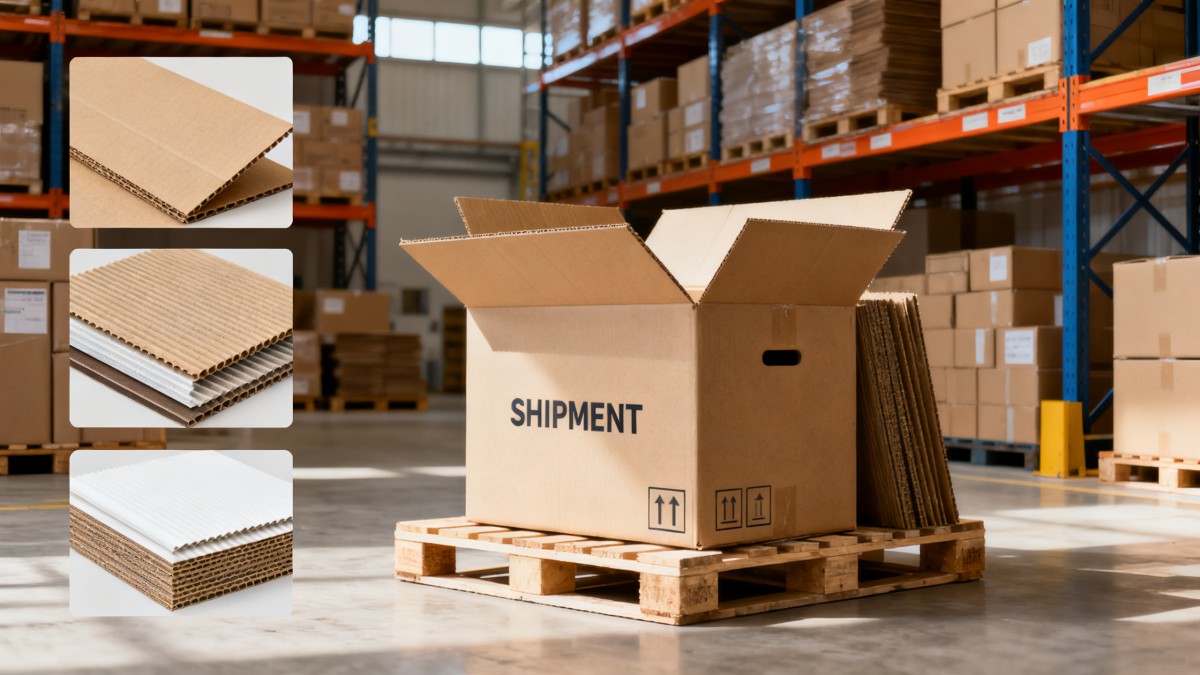
In 2026, custom shipping boxes wholesale decisions vary by channel, product value, and shipping distance. The same box specification may create very different total costs.
A direct-to-consumer brand may prioritize print quality and unboxing. A cross-border exporter may focus on pallet efficiency, durability, and customs documentation performance.
This is why pricing analysis must start with use conditions. Cost control becomes stronger when packaging is matched to the right commercial scenario.
Scenario signals that affect wholesale box cost
- High damage risk products need stronger board grades.
- Retail-ready shipments often require better printing and cleaner finishes.
- Export routes raise compliance, stacking, and moisture resistance needs.
- Promotional cycles increase short-run flexibility and inventory pressure.
Scenario 1: E-commerce fulfillment where branding and damage rates compete
For parcel delivery, custom shipping boxes wholesale pricing often rises with dimensional optimization. Smaller cartons reduce freight, but over-engineering can erase savings.
In this scenario, the core judgment is simple. Does premium presentation generate conversion value greater than the extra print and board cost?
Single-color exterior branding usually keeps cost efficient. Full-coverage graphics, inside printing, and special coatings lift setup time and material waste.
Key pricing triggers in e-commerce use
- Right-size packaging to lower dimensional weight charges.
- Select board strength based on actual drop risk, not assumptions.
- Limit ink coverage when branding impact remains acceptable.
- Review carton consolidation opportunities across SKUs.
Scenario 2: Retail distribution where shelf appearance influences box specification
Retail distribution adds another layer to custom shipping boxes wholesale. Outer cartons may support both transport and in-store handling expectations.
Here, the important question is whether the shipping carton remains backroom-only, or becomes visible during replenishment and floor movement.
When visibility matters, cleaner surfaces, sharper print registration, and consistent dimensions often justify higher wholesale packaging prices.
However, many operations overspend by using display-level aesthetics for logistics-only packaging. Separating transport needs from consumer-facing needs improves budget discipline.
Scenario 3: Cross-border shipping where compliance and freight reshape total cost
Cross-border flows make custom shipping boxes wholesale more sensitive to regulations, humidity, stacking pressure, and container utilization.
A lower per-unit box price can become expensive if damage, rejected labeling, or poor cube efficiency raises the landed cost.
This scenario rewards packaging that aligns with international handling standards, barcode readability, and predictable pallet patterns.
What usually changes the quote
- Higher burst or edge crush performance requirements.
- Moisture-resistant treatments for longer transit exposure.
- Multilingual markings or export-compliant labeling zones.
- Pallet footprint optimization to improve container fill.
Scenario 4: Sustainable packaging programs where material choice affects pricing logic
Sustainability goals are now a direct factor in custom shipping boxes wholesale evaluation. Recycled content, lighter board, and reduced ink systems can shift both cost and brand value.
The key judgment is whether sustainability claims require certification, or whether operational efficiency alone delivers the business case.
Certified materials may cost more upfront. Yet they can support market access, reporting requirements, and long-term packaging standardization.
In other cases, a simpler redesign saves more. Reducing void space, removing unnecessary coatings, and consolidating sizes often generate faster returns.
How wholesale packaging needs differ across common scenarios
Practical ways to evaluate custom shipping boxes wholesale quotes in 2026
A quote comparison should move beyond price per thousand. The real benchmark is total delivered performance across product protection, freight, branding, and inventory flexibility.
Use this review structure
- Check board grade against actual product fragility and route intensity.
- Model freight impact from carton dimensions, not just material use.
- Separate tooling, plate, and setup costs from repeat-order pricing.
- Confirm minimum order quantities against demand volatility.
- Review print specifications for elements that add little commercial value.
- Test whether one box family can support multiple product lines.
This method makes custom shipping boxes wholesale easier to assess on a landed-cost basis. It also supports stronger supplier benchmarking.
Common misjudgments that distort wholesale box pricing decisions
One frequent mistake is choosing the lowest unit price without checking freight outcomes. Larger boxes often cost less to buy, but more to ship.
Another mistake is treating all SKUs equally. Premium products, fragile items, and replenishment goods rarely need identical custom shipping boxes wholesale specifications.
Some packaging programs also ignore order cadence. High minimums may reduce price per unit, but raise cash exposure and obsolescence risk.
A final blind spot involves compliance. Missing labels, weak stacking performance, or poor barcode contrast can create hidden downstream expenses.
Action steps for smarter custom shipping boxes wholesale planning
Start with a scenario map. Group packaging needs by sales channel, shipping route, product sensitivity, and visibility requirements.
Then request quotes using consistent technical data. Include dimensions, board targets, print areas, annual volume, and testing expectations.
Next, compare each custom shipping boxes wholesale option using three lenses: acquisition cost, freight efficiency, and failure risk.
Where possible, run pilot shipments before full rollout. Small tests often reveal oversized cartons, unnecessary print layers, or preventable transit issues.
In 2026, better packaging decisions will come from integrated commercial intelligence. The strongest outcomes align cost discipline with operational reality and brand performance.
News Recommendations
 How to select laboratory instruments for reproducible test results
![51a6ab95581761cc26f4318be6520c15]()
Aris Katos
Future of Carbide Coatings
 When does a sheet metal prototype reveal design flaws early?
![51a6ab95581761cc26f4318be6520c15]()
Aris Katos
Future of Carbide Coatings
 When PE air column bags reduce damage in e-commerce fulfillment
![51a6ab95581761cc26f4318be6520c15]()
Aris Katos
Future of Carbide Coatings
 How energy-efficient design reduces operating costs in retail lighting
![51a6ab95581761cc26f4318be6520c15]()
Aris Katos
Future of Carbide Coatings
 When commercial aluminum storefronts make sense for a retail renovation
![51a6ab95581761cc26f4318be6520c15]()
Aris Katos
Future of Carbide Coatings
 What makes LED lights durable in high-use commercial spaces?
![51a6ab95581761cc26f4318be6520c15]()
Aris Katos
Future of Carbide Coatings
 Which industry categories offer the strongest export potential in Latin America?
![51a6ab95581761cc26f4318be6520c15]()
Aris Katos
Future of Carbide Coatings
 How to choose an ultra bright waterproof window display for storefronts
![51a6ab95581761cc26f4318be6520c15]()
Aris Katos
Future of Carbide Coatings
 How to verify suppliers on a trade portal for global sourcing
![51a6ab95581761cc26f4318be6520c15]()
Aris Katos
Future of Carbide Coatings
 How RoHS requirements should be stated in product specifications
![51a6ab95581761cc26f4318be6520c15]()
Aris Katos
Future of Carbide Coatings
 What affects the lead time for custom retail counter displays?
![51a6ab95581761cc26f4318be6520c15]()
Aris Katos
Future of Carbide Coatings
 What consumer packaging USA importers need to verify before ordering
![51a6ab95581761cc26f4318be6520c15]()
Aris Katos
Future of Carbide Coatings
 How commercial spaces interiors shape customer dwell time
![51a6ab95581761cc26f4318be6520c15]()
Aris Katos
Future of Carbide Coatings
 How LED commercial lighting design reduces glare in retail spaces
![51a6ab95581761cc26f4318be6520c15]()
Aris Katos
Future of Carbide Coatings
 How industrial technology information improves RFID inventory accuracy
![51a6ab95581761cc26f4318be6520c15]()
Aris Katos
Future of Carbide Coatings
 When drip garden watering systems make more sense than sprinklers
![51a6ab95581761cc26f4318be6520c15]()
Aris Katos
Future of Carbide Coatings
 When category comparison improves sourcing for industrial applications
![51a6ab95581761cc26f4318be6520c15]()
Aris Katos
Future of Carbide Coatings
 Industrial application guidance for selecting the right LED lighting
![51a6ab95581761cc26f4318be6520c15]()
Aris Katos
Future of Carbide Coatings
 Which commercial architecture standards apply to European retail fit-outs?
![51a6ab95581761cc26f4318be6520c15]()
Aris Katos
Future of Carbide Coatings
 How to verify FDA requirements for maternity care products
![51a6ab95581761cc26f4318be6520c15]()
Aris Katos
Future of Carbide Coatings
 How to verify BPA-free claims for food-contact products
![51a6ab95581761cc26f4318be6520c15]()
Aris Katos
Future of Carbide Coatings
 When does a European wholesale supplier suit modular office projects?
![51a6ab95581761cc26f4318be6520c15]()
Aris Katos
Future of Carbide Coatings
 When consumer ecosystem solutions improve the in-store shopping journey
![51a6ab95581761cc26f4318be6520c15]()
Aris Katos
Future of Carbide Coatings
 How a commercial developers network can reduce site selection risk
![51a6ab95581761cc26f4318be6520c15]()
Aris Katos
Future of Carbide Coatings
 How clear purchasing specifications prevent costly supplier deviations
![51a6ab95581761cc26f4318be6520c15]()
Aris Katos
Future of Carbide Coatings
 What an ISTA drop test lab checks before your packaging ships
![51a6ab95581761cc26f4318be6520c15]()
Aris Katos
Future of Carbide Coatings
 Which commercial furniture standards apply to workplace seating?
![51a6ab95581761cc26f4318be6520c15]()
Aris Katos
Future of Carbide Coatings
 How to evaluate smart lighting module OEM compatibility before sampling
![51a6ab95581761cc26f4318be6520c15]()
Aris Katos
Future of Carbide Coatings
 How to assess whether sustainable technology delivers real impact
![51a6ab95581761cc26f4318be6520c15]()
Aris Katos
Future of Carbide Coatings
 How to assess an OEM supplier’s quality control before ordering
![51a6ab95581761cc26f4318be6520c15]()
Aris Katos
Future of Carbide Coatings
 How consumer ecosystem solutions data can improve retail personalization
![51a6ab95581761cc26f4318be6520c15]()
Aris Katos
Future of Carbide Coatings
 When does consumer packaging design justify a higher product price?
![51a6ab95581761cc26f4318be6520c15]()
Aris Katos
Future of Carbide Coatings
 Supermarket Fixture Installation: Planning Layouts, Wiring, and Handover
![51a6ab95581761cc26f4318be6520c15]()
Aris Katos
Future of Carbide Coatings
 Automated Lighting and Smart Lighting Control in Bergerac: Key Project Considerations
![51a6ab95581761cc26f4318be6520c15]()
Aris Katos
Future of Carbide Coatings
 Segment Streetlight Controllers: Choosing Control Modes for Urban Roads
![51a6ab95581761cc26f4318be6520c15]()
Aris Katos
Future of Carbide Coatings
 IEC 62471-2 Explained: How to Assess Photobiological Risks in LED Lighting
![51a6ab95581761cc26f4318be6520c15]()
Aris Katos
Future of Carbide Coatings
 Food Grade Packaging Requirements by Product Type, Temperature, and Contact Risk
![51a6ab95581761cc26f4318be6520c15]()
Aris Katos
Future of Carbide Coatings
 Food Packaging Compliance Checklist: Tests, Records, and Labeling Before Shipment
![51a6ab95581761cc26f4318be6520c15]()
Aris Katos
Future of Carbide Coatings
 NSF Food Packaging Standards: When Certification Matters for Commercial Food Use
![51a6ab95581761cc26f4318be6520c15]()
Aris Katos
Future of Carbide Coatings