Commercial Design Briefs: What to Define Before Buildout
Time
Click Count
A strong commercial design brief now acts as a strategic control tool, not a simple project note.
Before any buildout begins, teams must define business goals, spatial performance, technical standards, and future flexibility.
In today’s market, commercial design must also connect brand experience, digital systems, sustainability targets, and supply chain realities.
When these factors stay vague, projects face change orders, approval delays, budget drift, and operational friction after opening.
A disciplined brief creates alignment early and gives every later decision a measurable reference point.
Commercial design is shifting from visual planning to performance-led definition
Commercial design used to focus heavily on layout, finish palettes, and customer-facing aesthetics.
That is no longer enough for modern offices, retail environments, hospitality sites, and mixed-use commercial spaces.
Buildouts now require early definition of workflow, technology integration, code compliance, fixture durability, and maintenance expectations.
This shift reflects a wider industry move toward measurable outcomes across the full lifecycle of a commercial environment.
As a result, the commercial design brief has become the first operational benchmark for project quality.
Why buildout decisions are being defined earlier than before
Several market signals explain why early-stage commercial design definition has become more important.
These forces make reactive planning expensive.
They also reward commercial design teams that define assumptions before drawings become fixed.
The most important elements to define before commercial buildout begins
A high-quality commercial design brief should convert broad ambition into specific decision criteria.
1. Brand intent and customer experience
Define what the space should communicate within the first few seconds of entry.
Clarify tone, service style, visual hierarchy, and whether the environment should feel premium, efficient, welcoming, or tech-forward.
This gives commercial design decisions a consistent experiential direction.
2. Operational flow and space logic
Document how people, goods, and information move through the site each day.
Include receiving, storage, service circulation, customer paths, queue points, cleaning access, and back-of-house transitions.
Strong commercial design supports operations without forcing staff to work around aesthetic choices.
3. Fixture, furniture, and equipment requirements
List dimensions, load expectations, ergonomic targets, service clearances, and mounting conditions.
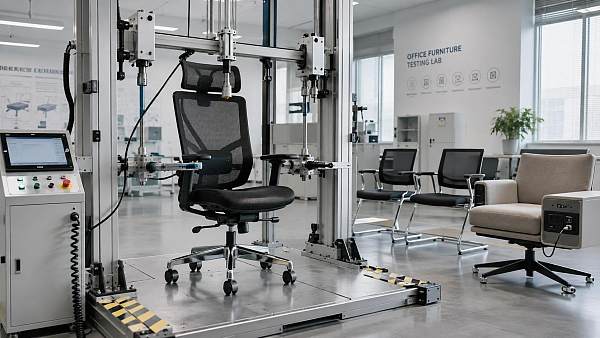
Reference performance standards when relevant, including UL, CE, or BIFMA benchmarks.
This reduces mismatches between design intent and sourced products.
4. Technology and infrastructure needs
Many commercial design failures come from late technology coordination.
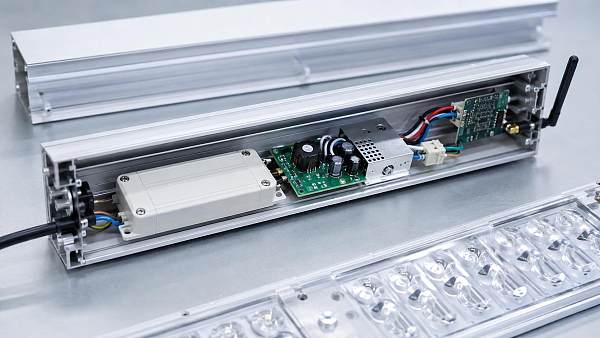
Define POS locations, power density, Wi-Fi coverage, digital signage, sensors, security systems, and cable routes from the start.
If the space may scale, include spare capacity and modular access points.
5. Compliance, safety, and approval requirements
The brief should identify code constraints before concept development accelerates.
Cover fire safety, accessibility, lighting levels, egress, signage rules, and local permitting expectations.
Commercial design works best when compliance is treated as a design driver, not a late correction.
6. Budget structure and cost priorities
Do not define only a total budget.
Separate must-have investments from optional enhancements, and identify cost-sensitive categories early.
Commercial design becomes more resilient when teams know where value matters most.
How unclear briefs affect performance across the commercial ecosystem
Poor definition at the beginning creates ripple effects across sourcing, installation, operations, and future upgrades.
- Design revisions increase drawing cycles and consultant fees.
- Product substitutions weaken finish consistency and technical fit.
- Field conflicts delay trades and compress quality control windows.
- Technology retrofits raise opening costs and disrupt finished surfaces.
- Operational inefficiencies appear after launch and become hard to correct.
For global commercial environments, these issues can spread further through supply chain coordination and brand standard replication.
That is why commercial design definition matters not only for one site, but for scalable rollout quality.
What deserves closer attention as commercial design expectations keep rising
Several focus areas now deserve deeper attention in every commercial design brief.
- Material realism: Confirm durability, cleanability, and replacement availability, not only sample appearance.
- Lifecycle value: Compare maintenance and upgrade costs, not just installation pricing.
- Flexibility: Plan for format changes, seasonal use, staffing variation, or digital expansion.
- Environmental impact: Track energy use, recycled content, packaging efficiency, and responsible sourcing.
- Benchmark alignment: Use recognized standards to evaluate furniture, lighting, fixtures, and hardware.
These priorities reflect how commercial design is increasingly judged by long-term performance, not opening-day appearance.
A practical way to turn commercial design intent into build-ready decisions
A useful response is to structure the brief in stages, with each stage resolving a specific kind of uncertainty.
This approach gives commercial design a clearer decision framework before documents move into procurement and construction.
The next move is to audit what is still undefined before drawings advance
Before approving concept packages, review the brief against real buildout risk.
Check whether brand goals, operational flow, technical systems, standards, and budget priorities are specific enough to guide trade decisions.
If any area depends on assumptions, resolve it now rather than during installation.
The best commercial design outcomes begin with stronger definition, clearer benchmarks, and earlier alignment across the full project ecosystem.
Use the brief as a living benchmark, and the buildout will move faster with fewer compromises.
News Recommendations
 How to select laboratory instruments for reproducible test results
![51a6ab95581761cc26f4318be6520c15]()
Aris Katos
Future of Carbide Coatings
 When does a sheet metal prototype reveal design flaws early?
![51a6ab95581761cc26f4318be6520c15]()
Aris Katos
Future of Carbide Coatings
 When PE air column bags reduce damage in e-commerce fulfillment
![51a6ab95581761cc26f4318be6520c15]()
Aris Katos
Future of Carbide Coatings
 How energy-efficient design reduces operating costs in retail lighting
![51a6ab95581761cc26f4318be6520c15]()
Aris Katos
Future of Carbide Coatings
 When commercial aluminum storefronts make sense for a retail renovation
![51a6ab95581761cc26f4318be6520c15]()
Aris Katos
Future of Carbide Coatings
 What makes LED lights durable in high-use commercial spaces?
![51a6ab95581761cc26f4318be6520c15]()
Aris Katos
Future of Carbide Coatings
 Which industry categories offer the strongest export potential in Latin America?
![51a6ab95581761cc26f4318be6520c15]()
Aris Katos
Future of Carbide Coatings
 How to choose an ultra bright waterproof window display for storefronts
![51a6ab95581761cc26f4318be6520c15]()
Aris Katos
Future of Carbide Coatings
 How to verify suppliers on a trade portal for global sourcing
![51a6ab95581761cc26f4318be6520c15]()
Aris Katos
Future of Carbide Coatings
 How RoHS requirements should be stated in product specifications
![51a6ab95581761cc26f4318be6520c15]()
Aris Katos
Future of Carbide Coatings
 What affects the lead time for custom retail counter displays?
![51a6ab95581761cc26f4318be6520c15]()
Aris Katos
Future of Carbide Coatings
 What consumer packaging USA importers need to verify before ordering
![51a6ab95581761cc26f4318be6520c15]()
Aris Katos
Future of Carbide Coatings
 How commercial spaces interiors shape customer dwell time
![51a6ab95581761cc26f4318be6520c15]()
Aris Katos
Future of Carbide Coatings
 How LED commercial lighting design reduces glare in retail spaces
![51a6ab95581761cc26f4318be6520c15]()
Aris Katos
Future of Carbide Coatings
 How industrial technology information improves RFID inventory accuracy
![51a6ab95581761cc26f4318be6520c15]()
Aris Katos
Future of Carbide Coatings
 When drip garden watering systems make more sense than sprinklers
![51a6ab95581761cc26f4318be6520c15]()
Aris Katos
Future of Carbide Coatings
 When category comparison improves sourcing for industrial applications
![51a6ab95581761cc26f4318be6520c15]()
Aris Katos
Future of Carbide Coatings
 Industrial application guidance for selecting the right LED lighting
![51a6ab95581761cc26f4318be6520c15]()
Aris Katos
Future of Carbide Coatings
 Which commercial architecture standards apply to European retail fit-outs?
![51a6ab95581761cc26f4318be6520c15]()
Aris Katos
Future of Carbide Coatings
 How to verify FDA requirements for maternity care products
![51a6ab95581761cc26f4318be6520c15]()
Aris Katos
Future of Carbide Coatings
 How to verify BPA-free claims for food-contact products
![51a6ab95581761cc26f4318be6520c15]()
Aris Katos
Future of Carbide Coatings
 When does a European wholesale supplier suit modular office projects?
![51a6ab95581761cc26f4318be6520c15]()
Aris Katos
Future of Carbide Coatings
 When consumer ecosystem solutions improve the in-store shopping journey
![51a6ab95581761cc26f4318be6520c15]()
Aris Katos
Future of Carbide Coatings
 How a commercial developers network can reduce site selection risk
![51a6ab95581761cc26f4318be6520c15]()
Aris Katos
Future of Carbide Coatings
 How clear purchasing specifications prevent costly supplier deviations
![51a6ab95581761cc26f4318be6520c15]()
Aris Katos
Future of Carbide Coatings
 What an ISTA drop test lab checks before your packaging ships
![51a6ab95581761cc26f4318be6520c15]()
Aris Katos
Future of Carbide Coatings
 Which commercial furniture standards apply to workplace seating?
![51a6ab95581761cc26f4318be6520c15]()
Aris Katos
Future of Carbide Coatings
 How to evaluate smart lighting module OEM compatibility before sampling
![51a6ab95581761cc26f4318be6520c15]()
Aris Katos
Future of Carbide Coatings
 How to assess whether sustainable technology delivers real impact
![51a6ab95581761cc26f4318be6520c15]()
Aris Katos
Future of Carbide Coatings
 How to assess an OEM supplier’s quality control before ordering
![51a6ab95581761cc26f4318be6520c15]()
Aris Katos
Future of Carbide Coatings
 How consumer ecosystem solutions data can improve retail personalization
![51a6ab95581761cc26f4318be6520c15]()
Aris Katos
Future of Carbide Coatings
 When does consumer packaging design justify a higher product price?
![51a6ab95581761cc26f4318be6520c15]()
Aris Katos
Future of Carbide Coatings
 Supermarket Fixture Installation: Planning Layouts, Wiring, and Handover
![51a6ab95581761cc26f4318be6520c15]()
Aris Katos
Future of Carbide Coatings
 Automated Lighting and Smart Lighting Control in Bergerac: Key Project Considerations
![51a6ab95581761cc26f4318be6520c15]()
Aris Katos
Future of Carbide Coatings
 Segment Streetlight Controllers: Choosing Control Modes for Urban Roads
![51a6ab95581761cc26f4318be6520c15]()
Aris Katos
Future of Carbide Coatings
 IEC 62471-2 Explained: How to Assess Photobiological Risks in LED Lighting
![51a6ab95581761cc26f4318be6520c15]()
Aris Katos
Future of Carbide Coatings
 Food Grade Packaging Requirements by Product Type, Temperature, and Contact Risk
![51a6ab95581761cc26f4318be6520c15]()
Aris Katos
Future of Carbide Coatings
 Food Packaging Compliance Checklist: Tests, Records, and Labeling Before Shipment
![51a6ab95581761cc26f4318be6520c15]()
Aris Katos
Future of Carbide Coatings
 NSF Food Packaging Standards: When Certification Matters for Commercial Food Use
![51a6ab95581761cc26f4318be6520c15]()
Aris Katos
Future of Carbide Coatings