Commercial Lighting Design Rules for Better Visual Comfort
Time
Click Count
Commercial lighting design now carries broader responsibility than simple brightness planning.
In modern business environments, it affects comfort, energy use, brand perception, safety, and digital integration at the same time.
As commercial interiors become smarter and more flexible, visual comfort has moved from a design preference to a measurable performance target.
This shift matters across the broader commercial ecosystem tracked by G-BCE, where fixtures, controls, standards, and user experience increasingly intersect.
Effective commercial lighting design must therefore balance glare control, illuminance uniformity, color quality, maintenance strategy, and code compliance.
When these rules are handled well, spaces become easier to navigate, merchandise looks more accurate, and occupants feel less visual fatigue.
Visual comfort has become a defining benchmark in commercial lighting design
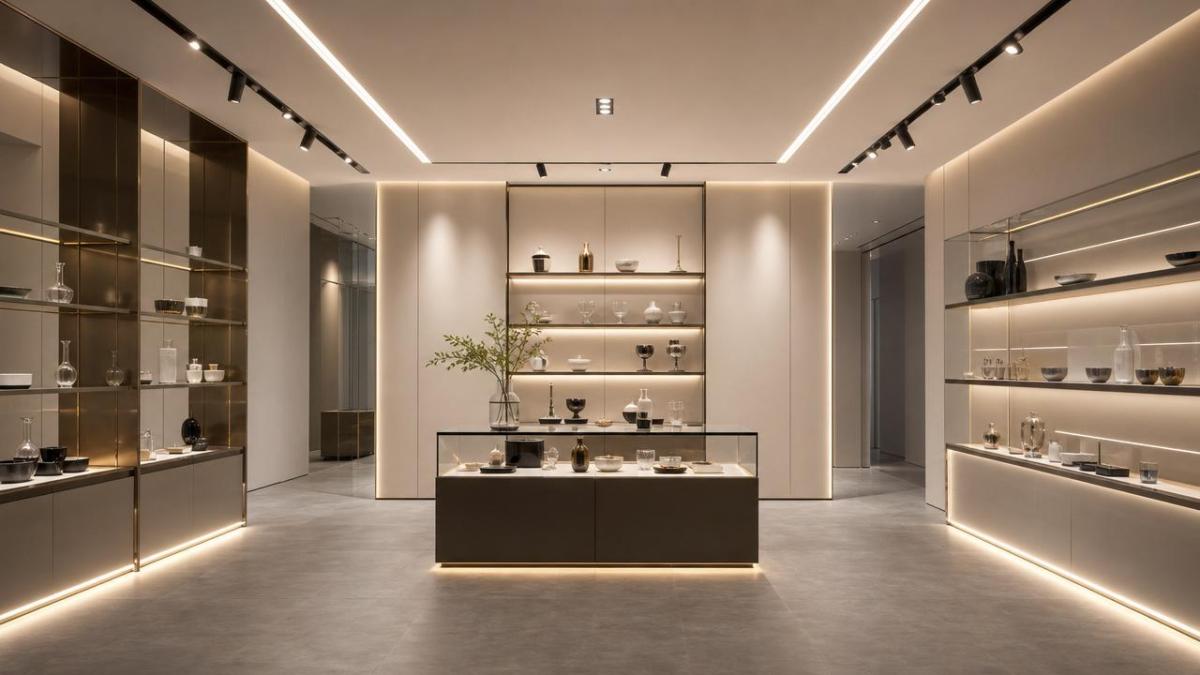
The biggest market change is clear: commercial lighting design is being judged by human response, not only by fixture count or watt reduction.
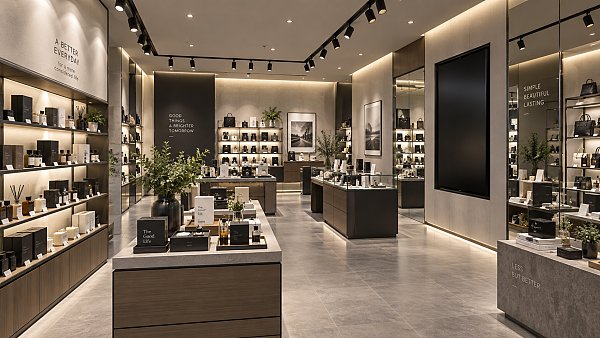
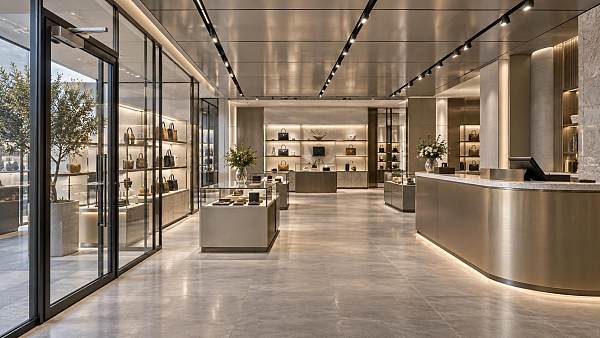
Retail stores, offices, hospitality venues, and mixed-use developments now require lighting that supports longer dwell time and better visual clarity.
At the same time, digital displays, reflective materials, and open ceilings create new sources of glare and contrast imbalance.
That means commercial lighting design rules must respond to real viewing conditions, not theoretical plans alone.
Another important trend is convergence between sustainability and comfort.
Low-energy lighting can no longer succeed if it produces harsh brightness, poor color rendering, or dark transition zones.
Across international fit-out projects, technical evaluators increasingly compare visual comfort metrics alongside UL, CE, and other performance expectations.
Why commercial lighting design rules are changing faster now
Several forces are pushing commercial lighting design toward more detailed comfort standards and more integrated evaluation methods.
These drivers explain why commercial lighting design has become a technical discipline linked to architecture, controls, finishes, and operations.
The core rules that most strongly improve visual comfort
1. Control glare before raising illuminance
Excessive brightness often feels uncomfortable even when average light levels meet target values.
Commercial lighting design should reduce direct and reflected glare through shielding, beam control, fixture placement, and careful aiming.
Downlights above screens, glossy counters, or eye-level sightlines usually create avoidable discomfort.
2. Keep illuminance balanced across task and ambient zones
Visual comfort improves when brightness differences remain controlled.
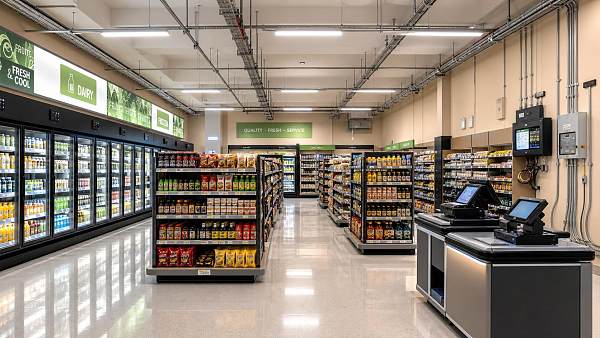
A bright checkout area beside a dark circulation path creates strain during eye adaptation.
Good commercial lighting design uses layered ambient, task, and accent lighting without creating abrupt contrast jumps.
3. Match color quality to the function of the space
Color rendering affects perceived quality, product appearance, and comfort.
Commercial lighting design for fashion, hospitality, and premium retail often benefits from high CRI and stable color consistency.
Work-oriented environments may prioritize neutral white light that supports focus and accurate recognition.
4. Use fixture layout to support orientation and depth
Lighting should help users read the space naturally.
Walls, aisles, vertical displays, and transition points need intentional illumination, not leftover spill from ceiling fixtures.
This is where commercial lighting design influences comfort and wayfinding at once.
5. Design for maintenance from the start
Visual comfort declines when optics collect dust, drivers fail unevenly, or replacement lamps shift in color.
A durable commercial lighting design includes accessible fixtures, standardized specifications, and lumen maintenance planning.
Different commercial settings now require more precise lighting decisions
The rules of commercial lighting design apply broadly, but priorities change by business environment and user behavior.
- Retail spaces need accurate color, strong vertical illumination, and controlled sparkle without uncomfortable hotspots.
- Office environments need low glare, screen compatibility, and stable brightness for long work sessions.
- Hospitality settings need layered light, softer transitions, and visual warmth without losing functional visibility.
- Showrooms need focal contrast, material fidelity, and adaptable scenes for changing displays.
- Public commercial zones need clear navigation, safety visibility, and durable performance over long operating hours.
This variation is why benchmark-driven commercial lighting design should never rely on one universal lux target alone.
Comfort depends on use case, surface reflectance, ceiling geometry, and how long people stay in the space.
What should be checked first when evaluating commercial lighting design quality
A practical review process helps identify whether a scheme will support visual comfort before installation problems become expensive.
- Check glare risk at normal eye level, not only on reflected ceiling plans.
- Verify illuminance uniformity across task areas, circulation paths, and transition zones.
- Review color temperature and CRI against brand goals and operational needs.
- Compare fixture spacing with beam distribution and mounting height.
- Assess daylight interaction during peak and low natural light periods.
- Confirm controls do not create flicker, delay, or abrupt dimming shifts.
- Examine maintenance access and long-term replacement consistency.
These checks make commercial lighting design easier to benchmark across regions and project types.
They also align with the wider G-BCE approach of comparing performance beyond headline specification claims.
A forward-looking response combines comfort, compliance, and operational intelligence
The next phase of commercial lighting design will be more data-aware and more experience-driven.
Projects will increasingly connect lighting with occupancy data, merchandising cycles, digital signage, and energy reporting.
Yet the essential rule will remain simple: visual comfort must stay visible in every technical decision.
For stronger results, evaluate commercial lighting design as part of the entire commercial environment, including furniture, displays, surfaces, and user pathways.
That broader view reveals whether the space will actually feel comfortable after opening day.
The most effective next step is to audit existing projects against these rules and compare measured outcomes with original specifications.
A structured benchmark of glare, balance, color quality, controls, and maintenance readiness can quickly improve commercial lighting design decisions.
In a market where user experience and technical compliance now overlap, better visual comfort is no longer optional.
News Recommendations
 How to select laboratory instruments for reproducible test results
![51a6ab95581761cc26f4318be6520c15]()
Aris Katos
Future of Carbide Coatings
 When does a sheet metal prototype reveal design flaws early?
![51a6ab95581761cc26f4318be6520c15]()
Aris Katos
Future of Carbide Coatings
 When PE air column bags reduce damage in e-commerce fulfillment
![51a6ab95581761cc26f4318be6520c15]()
Aris Katos
Future of Carbide Coatings
 How energy-efficient design reduces operating costs in retail lighting
![51a6ab95581761cc26f4318be6520c15]()
Aris Katos
Future of Carbide Coatings
 When commercial aluminum storefronts make sense for a retail renovation
![51a6ab95581761cc26f4318be6520c15]()
Aris Katos
Future of Carbide Coatings
 What makes LED lights durable in high-use commercial spaces?
![51a6ab95581761cc26f4318be6520c15]()
Aris Katos
Future of Carbide Coatings
 Which industry categories offer the strongest export potential in Latin America?
![51a6ab95581761cc26f4318be6520c15]()
Aris Katos
Future of Carbide Coatings
 How to choose an ultra bright waterproof window display for storefronts
![51a6ab95581761cc26f4318be6520c15]()
Aris Katos
Future of Carbide Coatings
 How to verify suppliers on a trade portal for global sourcing
![51a6ab95581761cc26f4318be6520c15]()
Aris Katos
Future of Carbide Coatings
 How RoHS requirements should be stated in product specifications
![51a6ab95581761cc26f4318be6520c15]()
Aris Katos
Future of Carbide Coatings
 What affects the lead time for custom retail counter displays?
![51a6ab95581761cc26f4318be6520c15]()
Aris Katos
Future of Carbide Coatings
 What consumer packaging USA importers need to verify before ordering
![51a6ab95581761cc26f4318be6520c15]()
Aris Katos
Future of Carbide Coatings
 How commercial spaces interiors shape customer dwell time
![51a6ab95581761cc26f4318be6520c15]()
Aris Katos
Future of Carbide Coatings
 How LED commercial lighting design reduces glare in retail spaces
![51a6ab95581761cc26f4318be6520c15]()
Aris Katos
Future of Carbide Coatings
 How industrial technology information improves RFID inventory accuracy
![51a6ab95581761cc26f4318be6520c15]()
Aris Katos
Future of Carbide Coatings
 When drip garden watering systems make more sense than sprinklers
![51a6ab95581761cc26f4318be6520c15]()
Aris Katos
Future of Carbide Coatings
 When category comparison improves sourcing for industrial applications
![51a6ab95581761cc26f4318be6520c15]()
Aris Katos
Future of Carbide Coatings
 Industrial application guidance for selecting the right LED lighting
![51a6ab95581761cc26f4318be6520c15]()
Aris Katos
Future of Carbide Coatings
 Which commercial architecture standards apply to European retail fit-outs?
![51a6ab95581761cc26f4318be6520c15]()
Aris Katos
Future of Carbide Coatings
 How to verify FDA requirements for maternity care products
![51a6ab95581761cc26f4318be6520c15]()
Aris Katos
Future of Carbide Coatings
 How to verify BPA-free claims for food-contact products
![51a6ab95581761cc26f4318be6520c15]()
Aris Katos
Future of Carbide Coatings
 When does a European wholesale supplier suit modular office projects?
![51a6ab95581761cc26f4318be6520c15]()
Aris Katos
Future of Carbide Coatings
 When consumer ecosystem solutions improve the in-store shopping journey
![51a6ab95581761cc26f4318be6520c15]()
Aris Katos
Future of Carbide Coatings
 How a commercial developers network can reduce site selection risk
![51a6ab95581761cc26f4318be6520c15]()
Aris Katos
Future of Carbide Coatings
 How clear purchasing specifications prevent costly supplier deviations
![51a6ab95581761cc26f4318be6520c15]()
Aris Katos
Future of Carbide Coatings
 What an ISTA drop test lab checks before your packaging ships
![51a6ab95581761cc26f4318be6520c15]()
Aris Katos
Future of Carbide Coatings
 Which commercial furniture standards apply to workplace seating?
![51a6ab95581761cc26f4318be6520c15]()
Aris Katos
Future of Carbide Coatings
 How to evaluate smart lighting module OEM compatibility before sampling
![51a6ab95581761cc26f4318be6520c15]()
Aris Katos
Future of Carbide Coatings
 How to assess whether sustainable technology delivers real impact
![51a6ab95581761cc26f4318be6520c15]()
Aris Katos
Future of Carbide Coatings
 How to assess an OEM supplier’s quality control before ordering
![51a6ab95581761cc26f4318be6520c15]()
Aris Katos
Future of Carbide Coatings
 How consumer ecosystem solutions data can improve retail personalization
![51a6ab95581761cc26f4318be6520c15]()
Aris Katos
Future of Carbide Coatings
 When does consumer packaging design justify a higher product price?
![51a6ab95581761cc26f4318be6520c15]()
Aris Katos
Future of Carbide Coatings
 Supermarket Fixture Installation: Planning Layouts, Wiring, and Handover
![51a6ab95581761cc26f4318be6520c15]()
Aris Katos
Future of Carbide Coatings
 Automated Lighting and Smart Lighting Control in Bergerac: Key Project Considerations
![51a6ab95581761cc26f4318be6520c15]()
Aris Katos
Future of Carbide Coatings
 Segment Streetlight Controllers: Choosing Control Modes for Urban Roads
![51a6ab95581761cc26f4318be6520c15]()
Aris Katos
Future of Carbide Coatings
 IEC 62471-2 Explained: How to Assess Photobiological Risks in LED Lighting
![51a6ab95581761cc26f4318be6520c15]()
Aris Katos
Future of Carbide Coatings
 Food Grade Packaging Requirements by Product Type, Temperature, and Contact Risk
![51a6ab95581761cc26f4318be6520c15]()
Aris Katos
Future of Carbide Coatings
 Food Packaging Compliance Checklist: Tests, Records, and Labeling Before Shipment
![51a6ab95581761cc26f4318be6520c15]()
Aris Katos
Future of Carbide Coatings
 NSF Food Packaging Standards: When Certification Matters for Commercial Food Use
![51a6ab95581761cc26f4318be6520c15]()
Aris Katos
Future of Carbide Coatings