Sustainable Commercial Design Choices for Compliance Goals
Time
Click Count
Sustainable commercial design is no longer just a branding choice—it is a practical path to meeting stricter compliance, safety, and quality standards. For quality control and safety management professionals, selecting certified materials, reliable fixtures, and performance-tested systems can reduce risk while improving operational consistency. This article explores how smart design decisions support regulatory alignment, long-term durability, and responsible commercial space development.
Why Sustainable Commercial Design Needs a Checklist
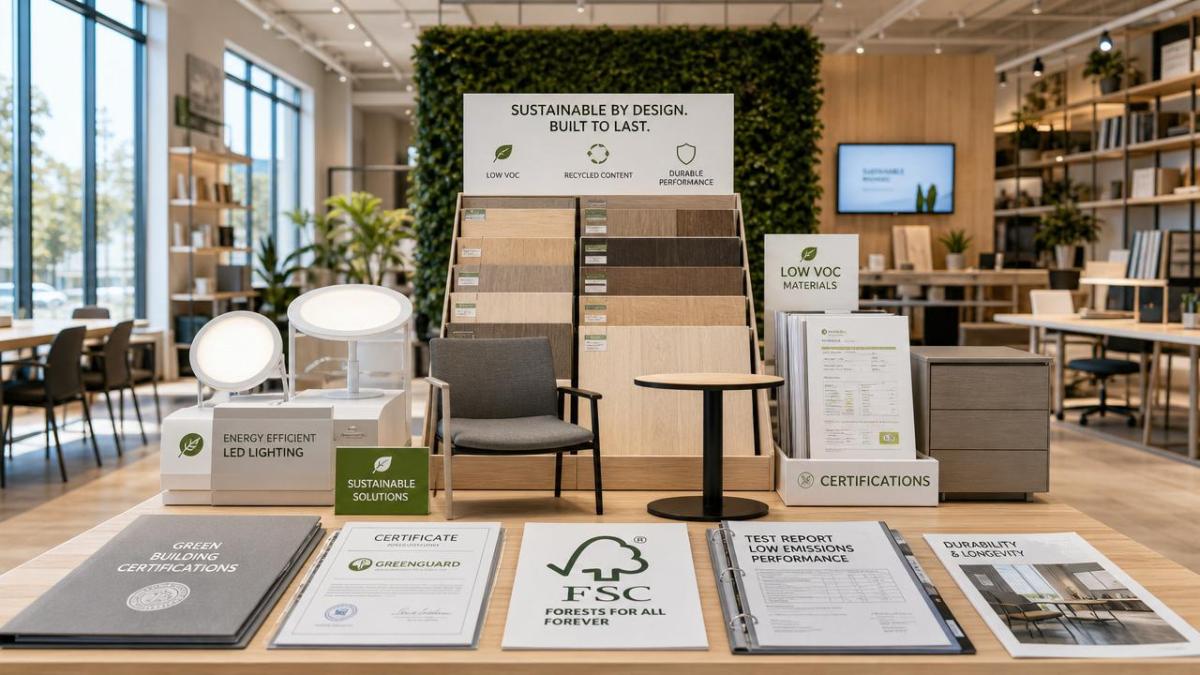
Sustainable commercial design often involves many linked decisions. Materials, lighting, furniture, packaging, and digital systems must work together under safety, environmental, and performance rules.
Without a checklist, teams may approve attractive solutions that later fail fire ratings, durability tests, accessibility rules, or regional certification requirements. That creates delays, rework, and inconsistent site performance.
A checklist approach turns sustainable commercial design into a measurable compliance process. It helps compare options against standards such as UL, CE, BIFMA, VOC limits, electrical safety codes, and local building regulations.
It also supports better lifecycle decisions. Sustainable choices should not only lower environmental impact, but also improve maintenance intervals, reduce replacement frequency, and protect user safety across different commercial settings.
Core Checklist for Sustainable Commercial Design Compliance
- Verify certifications first, and confirm every material, fixture, and device matches the required market standards before reviewing appearance, price, or installation convenience.
- Specify low-emission materials, and request VOC, formaldehyde, coating, and adhesive test reports to support indoor air quality and occupant health compliance.
- Check fire performance carefully, and align wall panels, textiles, foams, cable systems, and decorative finishes with local flame spread and smoke development requirements.
- Select durable commercial furniture, and compare load ratings, abrasion resistance, hardware cycles, and BIFMA-related performance data before approval.
- Review lighting efficiency, and confirm LED drivers, controls, emergency functions, and glare performance meet both energy targets and operational safety needs.
- Assess electrical and smart retail systems, and confirm POS terminals, displays, charging points, and connected sensors meet power, EMC, and user safety rules.
- Map cleaning and maintenance demands, and reject finishes that degrade under routine disinfection, moisture exposure, heavy traffic, or frequent merchandise handling.
- Confirm accessibility integration, and review circulation widths, counter heights, signage visibility, and interface usability as part of sustainable commercial design quality.
- Track supply chain traceability, and require source records for timber, metals, plastics, packaging inputs, and critical hardware used in permanent installations.
- Measure end-of-life impact, and favor modular assemblies, replaceable components, recyclable substrates, and packaging systems that reduce disposal complexity.
How to Use the Checklist Effectively
Apply the checklist at concept stage, not after procurement. Sustainable commercial design becomes more reliable when compliance filters are built into specifications, mockups, and approval gates.
Score each item by risk level. High-risk items usually include electrical products, upholstered seating, illuminated signage, flooring, and products exposed to intensive public contact.
Application Notes Across Commercial Scenarios
Retail Stores and Brand Environments
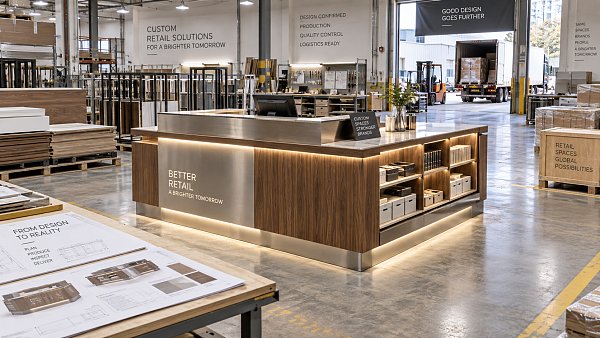
In retail, sustainable commercial design must balance visual identity with intense daily wear. Fixtures should resist impact, maintain finish quality, and support safe product display under changing layouts.
Lighting and signage are especially important. Energy-efficient lighting reduces operating cost, but it must also preserve color rendering, emergency visibility, and thermal safety around displays and electronics.
Office and Mixed-Use Workspaces
For office settings, sustainable commercial design often centers on ergonomics, air quality, and modularity. Certified seating, low-emission panels, and adaptable workstation systems reduce long-term replacement pressure.
Acoustic materials should also be reviewed carefully. Some recycled or decorative options look responsible, yet may fall short in fire behavior, fastening reliability, or cleanability.
Hospitality, Food Service, and Public-Facing Spaces
These spaces need sustainable commercial design choices that tolerate spills, sanitation chemicals, heat, and heavy foot traffic. Surface durability matters as much as recycled content or visual warmth.
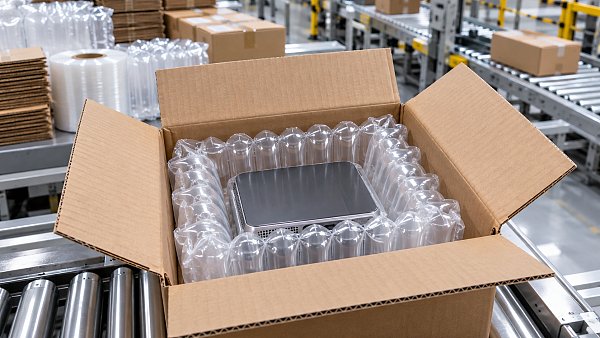
Packaging and service accessories should also follow the same compliance mindset. Compostable or fiber-based options must still meet storage, moisture, and contact performance expectations.
Commonly Overlooked Risks in Sustainable Commercial Design
- Assuming recycled content guarantees compliance. A material can be environmentally preferable and still fail structural, fire, chemical, or cleaning performance requirements.
- Accepting incomplete certificates. Test reports may apply only to one component, one finish, or one market, not to the final installed system.
- Ignoring hardware compatibility. Sustainable panels, lighting, or shelving can fail early if brackets, anchors, hinges, or power accessories are mismatched.
- Focusing only on upfront energy savings. Poor serviceability can create more waste, more downtime, and higher lifetime environmental cost.
- Overlooking regional code differences. A solution compliant in one country may require different labeling, voltage, fire testing, or accessibility features elsewhere.
Another frequent issue is sample bias. A showroom sample may look excellent, while production batches vary in coating thickness, board density, weld quality, or cable protection.
This is why sustainable commercial design should be validated through documentation review, pre-shipment checks, and installation-stage inspections rather than relying on appearance alone.
Practical Execution Steps
- Build a compliance matrix that lists each product category, required standards, environmental claims, and mandatory supporting documents.
- Create approved material libraries with clear version control, so substitutions do not introduce hidden safety or durability risks.
- Use pilot installations to test cleaning response, hardware wear, lighting consistency, and user interaction under realistic operating conditions.
- Coordinate packaging, fixtures, and smart equipment decisions together, because sustainable commercial design performs best as an integrated system.
- Audit suppliers regularly, and compare factory processes, traceability records, and quality controls against the promised technical specifications.
Documentation to Keep on File
Maintain certificates, test reports, bills of materials, care instructions, installation guides, warranty terms, and change records. Good documentation protects compliance decisions during expansion and future audits.
For international rollouts, keep market-specific variants clearly separated. Sustainable commercial design loses value when technical files become mixed across regions or product revisions.
Summary and Next Actions
Sustainable commercial design works best when it is treated as a disciplined compliance framework, not a surface-level environmental theme. The strongest results come from certified materials, validated systems, and lifecycle-based decision making.
Start with a checklist that covers certification, emissions, fire safety, durability, accessibility, maintenance, and traceability. Then test those requirements across furniture, lighting, signage, packaging, and connected retail equipment.
The next practical step is simple: review one current project specification line by line, remove unsupported sustainability claims, and replace them with measurable technical criteria. That is how sustainable commercial design delivers both compliance confidence and long-term commercial value.
News Recommendations
 How to select laboratory instruments for reproducible test results
![51a6ab95581761cc26f4318be6520c15]()
Aris Katos
Future of Carbide Coatings
 When does a sheet metal prototype reveal design flaws early?
![51a6ab95581761cc26f4318be6520c15]()
Aris Katos
Future of Carbide Coatings
 When PE air column bags reduce damage in e-commerce fulfillment
![51a6ab95581761cc26f4318be6520c15]()
Aris Katos
Future of Carbide Coatings
 How energy-efficient design reduces operating costs in retail lighting
![51a6ab95581761cc26f4318be6520c15]()
Aris Katos
Future of Carbide Coatings
 When commercial aluminum storefronts make sense for a retail renovation
![51a6ab95581761cc26f4318be6520c15]()
Aris Katos
Future of Carbide Coatings
 What makes LED lights durable in high-use commercial spaces?
![51a6ab95581761cc26f4318be6520c15]()
Aris Katos
Future of Carbide Coatings
 Which industry categories offer the strongest export potential in Latin America?
![51a6ab95581761cc26f4318be6520c15]()
Aris Katos
Future of Carbide Coatings
 How to choose an ultra bright waterproof window display for storefronts
![51a6ab95581761cc26f4318be6520c15]()
Aris Katos
Future of Carbide Coatings
 How to verify suppliers on a trade portal for global sourcing
![51a6ab95581761cc26f4318be6520c15]()
Aris Katos
Future of Carbide Coatings
 How RoHS requirements should be stated in product specifications
![51a6ab95581761cc26f4318be6520c15]()
Aris Katos
Future of Carbide Coatings
 What affects the lead time for custom retail counter displays?
![51a6ab95581761cc26f4318be6520c15]()
Aris Katos
Future of Carbide Coatings
 What consumer packaging USA importers need to verify before ordering
![51a6ab95581761cc26f4318be6520c15]()
Aris Katos
Future of Carbide Coatings
 How commercial spaces interiors shape customer dwell time
![51a6ab95581761cc26f4318be6520c15]()
Aris Katos
Future of Carbide Coatings
 How LED commercial lighting design reduces glare in retail spaces
![51a6ab95581761cc26f4318be6520c15]()
Aris Katos
Future of Carbide Coatings
 How industrial technology information improves RFID inventory accuracy
![51a6ab95581761cc26f4318be6520c15]()
Aris Katos
Future of Carbide Coatings
 When drip garden watering systems make more sense than sprinklers
![51a6ab95581761cc26f4318be6520c15]()
Aris Katos
Future of Carbide Coatings
 When category comparison improves sourcing for industrial applications
![51a6ab95581761cc26f4318be6520c15]()
Aris Katos
Future of Carbide Coatings
 Industrial application guidance for selecting the right LED lighting
![51a6ab95581761cc26f4318be6520c15]()
Aris Katos
Future of Carbide Coatings
 Which commercial architecture standards apply to European retail fit-outs?
![51a6ab95581761cc26f4318be6520c15]()
Aris Katos
Future of Carbide Coatings
 How to verify FDA requirements for maternity care products
![51a6ab95581761cc26f4318be6520c15]()
Aris Katos
Future of Carbide Coatings
 How to verify BPA-free claims for food-contact products
![51a6ab95581761cc26f4318be6520c15]()
Aris Katos
Future of Carbide Coatings
 When does a European wholesale supplier suit modular office projects?
![51a6ab95581761cc26f4318be6520c15]()
Aris Katos
Future of Carbide Coatings
 When consumer ecosystem solutions improve the in-store shopping journey
![51a6ab95581761cc26f4318be6520c15]()
Aris Katos
Future of Carbide Coatings
 How a commercial developers network can reduce site selection risk
![51a6ab95581761cc26f4318be6520c15]()
Aris Katos
Future of Carbide Coatings
 How clear purchasing specifications prevent costly supplier deviations
![51a6ab95581761cc26f4318be6520c15]()
Aris Katos
Future of Carbide Coatings
 What an ISTA drop test lab checks before your packaging ships
![51a6ab95581761cc26f4318be6520c15]()
Aris Katos
Future of Carbide Coatings
 Which commercial furniture standards apply to workplace seating?
![51a6ab95581761cc26f4318be6520c15]()
Aris Katos
Future of Carbide Coatings
 How to evaluate smart lighting module OEM compatibility before sampling
![51a6ab95581761cc26f4318be6520c15]()
Aris Katos
Future of Carbide Coatings
 How to assess whether sustainable technology delivers real impact
![51a6ab95581761cc26f4318be6520c15]()
Aris Katos
Future of Carbide Coatings
 How to assess an OEM supplier’s quality control before ordering
![51a6ab95581761cc26f4318be6520c15]()
Aris Katos
Future of Carbide Coatings
 How consumer ecosystem solutions data can improve retail personalization
![51a6ab95581761cc26f4318be6520c15]()
Aris Katos
Future of Carbide Coatings
 When does consumer packaging design justify a higher product price?
![51a6ab95581761cc26f4318be6520c15]()
Aris Katos
Future of Carbide Coatings
 Supermarket Fixture Installation: Planning Layouts, Wiring, and Handover
![51a6ab95581761cc26f4318be6520c15]()
Aris Katos
Future of Carbide Coatings
 Automated Lighting and Smart Lighting Control in Bergerac: Key Project Considerations
![51a6ab95581761cc26f4318be6520c15]()
Aris Katos
Future of Carbide Coatings
 Segment Streetlight Controllers: Choosing Control Modes for Urban Roads
![51a6ab95581761cc26f4318be6520c15]()
Aris Katos
Future of Carbide Coatings
 IEC 62471-2 Explained: How to Assess Photobiological Risks in LED Lighting
![51a6ab95581761cc26f4318be6520c15]()
Aris Katos
Future of Carbide Coatings
 Food Grade Packaging Requirements by Product Type, Temperature, and Contact Risk
![51a6ab95581761cc26f4318be6520c15]()
Aris Katos
Future of Carbide Coatings
 Food Packaging Compliance Checklist: Tests, Records, and Labeling Before Shipment
![51a6ab95581761cc26f4318be6520c15]()
Aris Katos
Future of Carbide Coatings
 NSF Food Packaging Standards: When Certification Matters for Commercial Food Use
![51a6ab95581761cc26f4318be6520c15]()
Aris Katos
Future of Carbide Coatings