Supply Chain Bottlenecks: Early Signals and Response Steps
Time
Click Count
Supply chain bottlenecks rarely begin as sudden failures. They usually emerge through small signals that seem isolated at first.
A late component, an unstable freight quote, or a rising return rate can all indicate deeper supply chain stress.
In complex commercial ecosystems, early detection matters because delays spread quickly across sourcing, production, installation, and customer delivery.
For modern retail environments, commercial interiors, consumer goods, and technical hardware, a resilient supply chain supports both operational continuity and brand experience.
This article explains how to identify early supply chain bottlenecks, evaluate their business impact, and respond with structured steps.
Understanding Supply Chain Bottlenecks and Their Early Formation

A supply chain bottleneck occurs when one constraint slows the flow of materials, information, or finished products across connected activities.
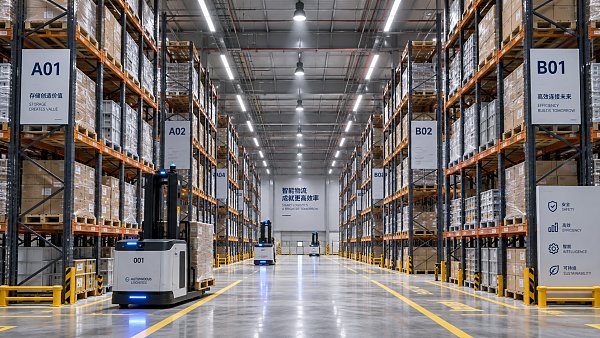
The bottleneck may appear in procurement, factory scheduling, customs clearance, transport capacity, warehousing, installation, or after-sales replenishment.
In a global business environment, bottlenecks often form where lead times are long and visibility is weak.
They also appear when demand changes faster than planning assumptions, especially in seasonal launches or multi-site commercial projects.
The most important point is this: a supply chain disruption is usually visible before it becomes expensive.
That visibility depends on data quality, cross-functional coordination, and disciplined monitoring of weak signals.
Common structural causes
- Single-source dependency for critical parts or packaging materials
- Incomplete forecasting for promotions, rollouts, or product transitions
- Long approval cycles for samples, compliance, or engineering changes
- Port congestion, route instability, or inconsistent inland transport
- Inventory policies that ignore volatility and replenishment risk
Early Signals That a Supply Chain Bottleneck Is Developing
Effective supply chain management depends on recognizing patterns, not just reacting to missed deadlines.
The signals below are especially relevant in commercial fit-outs, retail technology deployments, consumer packaging flows, and cross-border sourcing programs.
Another early warning sign is silence. When updates become vague, information quality often declines before delivery performance collapses.
A healthy supply chain usually shows transparent lead time logic, stable escalation paths, and measurable recovery actions.
Operational indicators worth tracking weekly
- On-time confirmation versus on-time delivery
- Supplier acknowledgment speed for changes
- Purchase order aging by category
- Transit time variance by route
- Fill rate for critical SKUs and components
- Open quality claims affecting shipment release
Why Early Supply Chain Detection Creates Business Value
Detecting supply chain pressure early creates value far beyond avoiding one delayed shipment.
It protects installation sequencing, labor planning, shelf readiness, customer experience, and cash conversion timing.
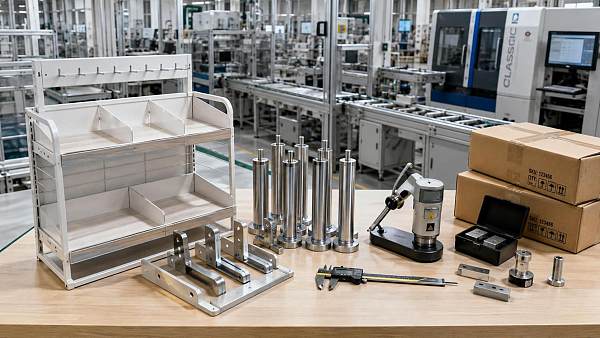
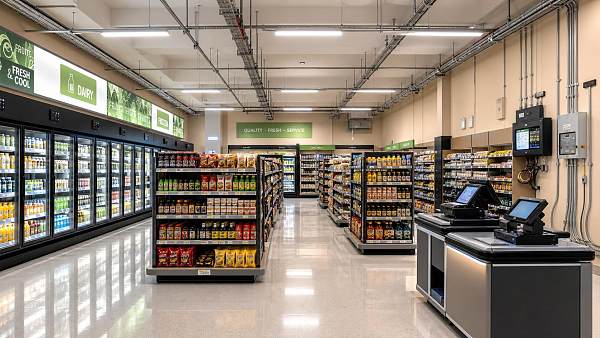
In commercial environments, a bottleneck in fixtures or signage can delay store opening and reduce revenue capture.
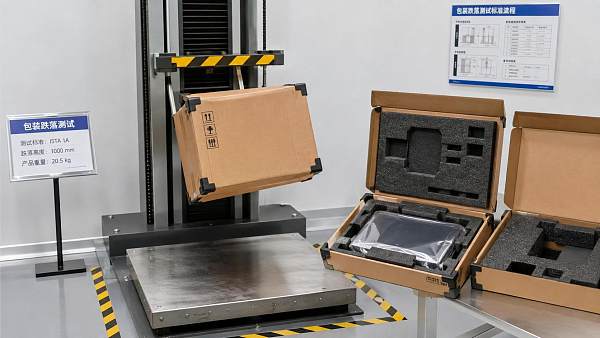
In consumer goods, packaging delays can freeze finished inventory even when manufacturing output is technically complete.
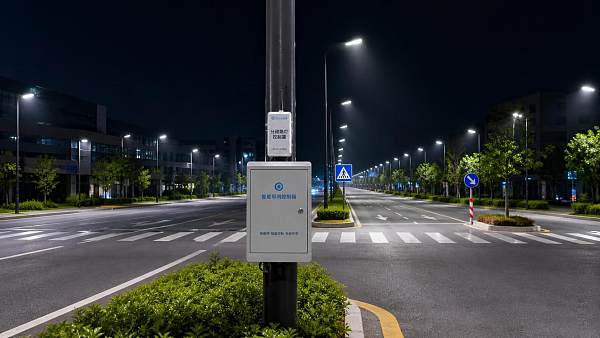
In smart retail deployments, delayed terminals or sensors can prevent integration testing and postpone full system activation.
A transparent supply chain also improves decisions on buffer stock, alternate sourcing, compliance documentation, and phased delivery.
This is especially important when products must meet UL, CE, BIFMA, or other technical standards before site acceptance.
Typical Bottleneck Scenarios Across Integrated Commercial Ecosystems
Not every supply chain bottleneck looks the same. The response should match the type of constraint.
These examples show that supply chain resilience depends on both technical detail and coordination discipline.
A generic response rarely works when constraints involve compliance, installation windows, or customer-facing launch dates.
Response Steps for Managing an Emerging Supply Chain Bottleneck
When a signal appears, speed matters. However, speed without structure often creates confusion.
A disciplined supply chain response should move from diagnosis to containment, then recovery and prevention.
- Validate the signal with current data, not assumptions or outdated lead times.
- Identify the exact constraint point, including material, process, route, or approval dependency.
- Assess impact on revenue, launch sequence, site readiness, and customer commitments.
- Contain the risk through allocation rules, schedule protection, or temporary substitutions.
- Trigger escalation only with a clear recovery path, owner, and review timeline.
- Document root cause and update future planning assumptions.
Useful response questions
- Is the delay isolated, or does it affect multiple orders and suppliers?
- Which items are truly critical to project continuity?
- Can scope be phased without damaging compliance or user experience?
- Is there a qualified alternative source or approved material substitute?
- What data needs to be visible daily until stability returns?
Practical Measures That Strengthen Supply Chain Resilience
Long-term resilience comes from system design, not emergency effort alone.
The strongest supply chain programs build visibility across suppliers, logistics nodes, technical approvals, and demand shifts.
- Map critical paths for components, packaging, compliance, and installation dependencies
- Create risk tiers for SKUs, materials, and transport lanes
- Use lead time ranges instead of fixed assumptions in planning models
- Establish approval deadlines that align with production and shipping cutoffs
- Review alternate sources before disruption occurs, not during it
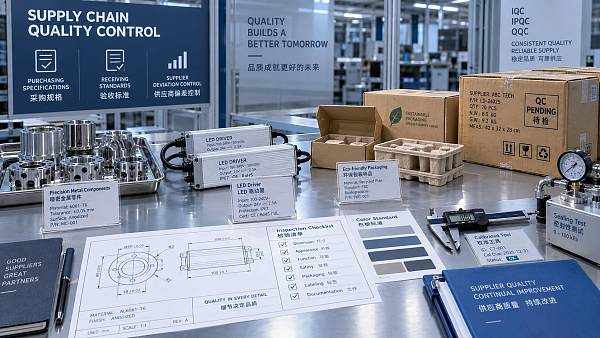
- Track quality drift because defects often precede wider supply chain instability
Cross-border operations benefit from a benchmark mindset. Standardized specifications, compliance records, and packaging data reduce avoidable variation.
That is where technical benchmarking and data transparency can improve supply chain decisions across product categories and regions.
Next-Step Priorities for More Reliable Supply Chain Execution
A reliable supply chain is built through visible signals, shared priorities, and repeatable response methods.
The immediate next step is to review where early-warning data is weak across sourcing, approvals, inventory, freight, and quality performance.
Then define a short list of critical indicators, assign review ownership, and connect each signal to a predefined action path.
For organizations managing commercial hardware, retail systems, consumer products, or sustainable packaging, this approach makes supply chain risk more measurable and manageable.
With earlier signals and clearer response steps, supply chain bottlenecks become easier to contain before they damage schedule, cost, and customer outcomes.
News Recommendations
 How to select laboratory instruments for reproducible test results
![51a6ab95581761cc26f4318be6520c15]()
Aris Katos
Future of Carbide Coatings
 When does a sheet metal prototype reveal design flaws early?
![51a6ab95581761cc26f4318be6520c15]()
Aris Katos
Future of Carbide Coatings
 When PE air column bags reduce damage in e-commerce fulfillment
![51a6ab95581761cc26f4318be6520c15]()
Aris Katos
Future of Carbide Coatings
 How energy-efficient design reduces operating costs in retail lighting
![51a6ab95581761cc26f4318be6520c15]()
Aris Katos
Future of Carbide Coatings
 When commercial aluminum storefronts make sense for a retail renovation
![51a6ab95581761cc26f4318be6520c15]()
Aris Katos
Future of Carbide Coatings
 What makes LED lights durable in high-use commercial spaces?
![51a6ab95581761cc26f4318be6520c15]()
Aris Katos
Future of Carbide Coatings
 Which industry categories offer the strongest export potential in Latin America?
![51a6ab95581761cc26f4318be6520c15]()
Aris Katos
Future of Carbide Coatings
 How to choose an ultra bright waterproof window display for storefronts
![51a6ab95581761cc26f4318be6520c15]()
Aris Katos
Future of Carbide Coatings
 How to verify suppliers on a trade portal for global sourcing
![51a6ab95581761cc26f4318be6520c15]()
Aris Katos
Future of Carbide Coatings
 How RoHS requirements should be stated in product specifications
![51a6ab95581761cc26f4318be6520c15]()
Aris Katos
Future of Carbide Coatings
 What affects the lead time for custom retail counter displays?
![51a6ab95581761cc26f4318be6520c15]()
Aris Katos
Future of Carbide Coatings
 What consumer packaging USA importers need to verify before ordering
![51a6ab95581761cc26f4318be6520c15]()
Aris Katos
Future of Carbide Coatings
 How commercial spaces interiors shape customer dwell time
![51a6ab95581761cc26f4318be6520c15]()
Aris Katos
Future of Carbide Coatings
 How LED commercial lighting design reduces glare in retail spaces
![51a6ab95581761cc26f4318be6520c15]()
Aris Katos
Future of Carbide Coatings
 How industrial technology information improves RFID inventory accuracy
![51a6ab95581761cc26f4318be6520c15]()
Aris Katos
Future of Carbide Coatings
 When drip garden watering systems make more sense than sprinklers
![51a6ab95581761cc26f4318be6520c15]()
Aris Katos
Future of Carbide Coatings
 When category comparison improves sourcing for industrial applications
![51a6ab95581761cc26f4318be6520c15]()
Aris Katos
Future of Carbide Coatings
 Industrial application guidance for selecting the right LED lighting
![51a6ab95581761cc26f4318be6520c15]()
Aris Katos
Future of Carbide Coatings
 Which commercial architecture standards apply to European retail fit-outs?
![51a6ab95581761cc26f4318be6520c15]()
Aris Katos
Future of Carbide Coatings
 How to verify FDA requirements for maternity care products
![51a6ab95581761cc26f4318be6520c15]()
Aris Katos
Future of Carbide Coatings
 How to verify BPA-free claims for food-contact products
![51a6ab95581761cc26f4318be6520c15]()
Aris Katos
Future of Carbide Coatings
 When does a European wholesale supplier suit modular office projects?
![51a6ab95581761cc26f4318be6520c15]()
Aris Katos
Future of Carbide Coatings
 When consumer ecosystem solutions improve the in-store shopping journey
![51a6ab95581761cc26f4318be6520c15]()
Aris Katos
Future of Carbide Coatings
 How a commercial developers network can reduce site selection risk
![51a6ab95581761cc26f4318be6520c15]()
Aris Katos
Future of Carbide Coatings
 How clear purchasing specifications prevent costly supplier deviations
![51a6ab95581761cc26f4318be6520c15]()
Aris Katos
Future of Carbide Coatings
 What an ISTA drop test lab checks before your packaging ships
![51a6ab95581761cc26f4318be6520c15]()
Aris Katos
Future of Carbide Coatings
 Which commercial furniture standards apply to workplace seating?
![51a6ab95581761cc26f4318be6520c15]()
Aris Katos
Future of Carbide Coatings
 How to evaluate smart lighting module OEM compatibility before sampling
![51a6ab95581761cc26f4318be6520c15]()
Aris Katos
Future of Carbide Coatings
 How to assess whether sustainable technology delivers real impact
![51a6ab95581761cc26f4318be6520c15]()
Aris Katos
Future of Carbide Coatings
 How to assess an OEM supplier’s quality control before ordering
![51a6ab95581761cc26f4318be6520c15]()
Aris Katos
Future of Carbide Coatings
 How consumer ecosystem solutions data can improve retail personalization
![51a6ab95581761cc26f4318be6520c15]()
Aris Katos
Future of Carbide Coatings
 When does consumer packaging design justify a higher product price?
![51a6ab95581761cc26f4318be6520c15]()
Aris Katos
Future of Carbide Coatings
 Supermarket Fixture Installation: Planning Layouts, Wiring, and Handover
![51a6ab95581761cc26f4318be6520c15]()
Aris Katos
Future of Carbide Coatings
 Automated Lighting and Smart Lighting Control in Bergerac: Key Project Considerations
![51a6ab95581761cc26f4318be6520c15]()
Aris Katos
Future of Carbide Coatings
 Segment Streetlight Controllers: Choosing Control Modes for Urban Roads
![51a6ab95581761cc26f4318be6520c15]()
Aris Katos
Future of Carbide Coatings
 IEC 62471-2 Explained: How to Assess Photobiological Risks in LED Lighting
![51a6ab95581761cc26f4318be6520c15]()
Aris Katos
Future of Carbide Coatings
 Food Grade Packaging Requirements by Product Type, Temperature, and Contact Risk
![51a6ab95581761cc26f4318be6520c15]()
Aris Katos
Future of Carbide Coatings
 Food Packaging Compliance Checklist: Tests, Records, and Labeling Before Shipment
![51a6ab95581761cc26f4318be6520c15]()
Aris Katos
Future of Carbide Coatings
 NSF Food Packaging Standards: When Certification Matters for Commercial Food Use
![51a6ab95581761cc26f4318be6520c15]()
Aris Katos
Future of Carbide Coatings