Consumer Product Standards and Common Compliance Mistakes
Time
Click Count
Consumer product standards shape whether goods are safe, sellable, and trusted across markets. Yet many compliance failures begin with small assumptions, weak documentation, or poor scenario planning.
For global supply chains, the cost of missing consumer product standards is rarely limited to one shipment. It can trigger relabeling, customs detention, recall exposure, and long-term brand damage.
In complex commercial ecosystems, standards affect packaging, electrical safety, furniture stability, smart retail devices, lighting, and material claims. The right approach is not abstract compliance. It is scenario-based control.
When market entry is the goal, consumer product standards become a launch decision

A product ready for one region may fail in another. Consumer product standards differ by market, product category, voltage, language, chemical limits, and labeling format.
This matters across the broader industry landscape. A smart POS terminal, display fixture, rechargeable device, or sustainable package may need different tests before launch.
Key judgment points before first shipment
- Identify the exact product category and use environment.
- Match destination regulations with applicable consumer product standards.
- Confirm whether self-declaration, third-party testing, or certification is required.
- Review packaging claims, warning text, and traceability markings.
A common mistake is relying on a factory’s previous report. Old reports often reference different models, expired editions, or unrelated standards.
When retail environments change, compliance needs also change
Products used in modern commercial spaces face mixed physical and digital risks. Consumer product standards must align with real installation and usage conditions.
A fixture in a flagship store may face crowd interaction, lighting heat, cleaning chemicals, and constant repositioning. A lab sample may pass, while the installed system fails.
Typical scenario breakdown
In-store electronics require electrical safety, EMC, battery transport, and software-related labeling consistency. Testing only hardware can leave a major compliance gap.
Commercial furniture and fixtures often need stability, load, edge, and material durability review. Decorative redesigns can unintentionally alter conformity.
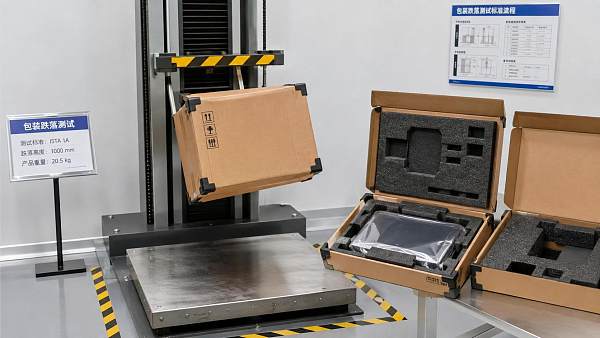
Consumer packaging must meet chemical restrictions, migration rules, recyclability claims, and regional labeling requirements. Sustainability messaging is a frequent risk area.
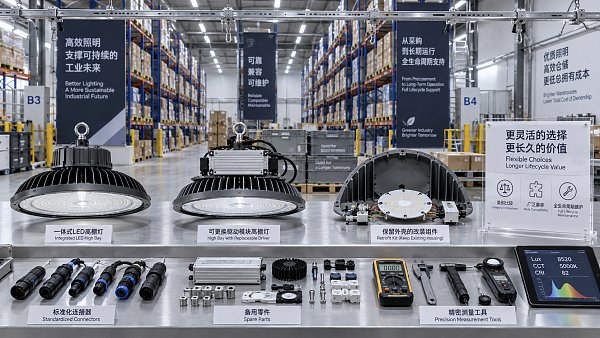
Lighting and signage products may require fire, electrical, ingress, and photobiological considerations. Incorrect component substitution can invalidate previous compliance evidence.
Where common compliance mistakes usually begin
Most errors do not start in the test lab. They begin much earlier, during sourcing, design freeze, specification handoff, or claim development.
1. Misidentifying applicable consumer product standards
A product may fall under multiple frameworks. Electrical, chemical, mechanical, and packaging requirements can overlap.
One mistake is assuming CE, UL, or another familiar mark covers everything. In practice, consumer product standards are layered and market-specific.
2. Testing a sample that does not match production
This is one of the most expensive failures. The approved sample may use different plastics, adapters, fasteners, batteries, or inks than mass production.
Without change control, the product entering customs may no longer match tested evidence under the required consumer product standards.
3. Overlooking labeling and language details
Many teams focus on product safety and forget that labels are part of compliance. Missing warnings, unit formats, importer details, or disposal symbols can stop shipments.
4. Making unsupported sustainability or safety claims
Claims such as recyclable, non-toxic, BPA-free, compostable, or child-safe need support. Consumer product standards increasingly connect claims with evidence expectations.
5. Treating certificates as permanent assets
Standards change. Suppliers change. Components change. Regulatory interpretations also change. Compliance status must be reviewed continuously, not filed away once.
How compliance priorities differ by scenario
Consumer product standards should be managed differently depending on use case, customer exposure, and route to market. The table below highlights the differences.
Practical ways to adapt consumer product standards to each scenario
A strong program links product design, sourcing, testing, packaging, and launch timing. It also aligns technical files with commercial decisions.
Recommended actions
- Create a market-by-market matrix for applicable consumer product standards.
- Define critical components that cannot change without compliance review.
- Link artwork approval to legal and technical label verification.
- Set retest triggers for design, material, software, and supplier changes.
- Keep a current technical file with reports, declarations, BOMs, and traceability data.
For broader commercial ecosystems, benchmarking helps. Comparing products against recognized frameworks such as UL, CE, and BIFMA can reveal hidden gaps early.
That is especially useful where furniture, electronics, packaging, and signage intersect within one retail or consumer experience.
Common scenario misjudgments that weaken compliance control
Some risks appear minor during development but become serious after launch. These are the blind spots most often missed.
- Assuming a decorative component has no compliance impact.
- Treating packaging vendors as outside the compliance scope.
- Ignoring spare parts, adapters, or bundled accessories.
- Using sustainability language before evidence is complete.
- Delaying standards review until final production.
Another misjudgment is separating digital and physical compliance. Connected devices may need firmware consistency, data labeling, and hardware conformity managed together.
Across the comprehensive industry environment, consumer product standards are no longer a final checkpoint. They are a strategic filter for safe design and scalable growth.
Next steps for stronger, faster compliance execution
Start with one product family and map every target market, claim, component, and document. Then compare the file against current consumer product standards and real use scenarios.
Where gaps appear, prioritize those affecting market access, user safety, or high-visibility retail exposure. Correcting early is far cheaper than fixing a blocked launch.
For organizations operating across commercial furniture, smart retail technology, consumer goods, lighting, and sustainable packaging, structured benchmarking creates clarity.
A disciplined review of consumer product standards helps reduce compliance mistakes, strengthen product integrity, and support more resilient global consumer ecosystems.
News Recommendations
 How to select laboratory instruments for reproducible test results
![51a6ab95581761cc26f4318be6520c15]()
Aris Katos
Future of Carbide Coatings
 When does a sheet metal prototype reveal design flaws early?
![51a6ab95581761cc26f4318be6520c15]()
Aris Katos
Future of Carbide Coatings
 When PE air column bags reduce damage in e-commerce fulfillment
![51a6ab95581761cc26f4318be6520c15]()
Aris Katos
Future of Carbide Coatings
 How energy-efficient design reduces operating costs in retail lighting
![51a6ab95581761cc26f4318be6520c15]()
Aris Katos
Future of Carbide Coatings
 When commercial aluminum storefronts make sense for a retail renovation
![51a6ab95581761cc26f4318be6520c15]()
Aris Katos
Future of Carbide Coatings
 What makes LED lights durable in high-use commercial spaces?
![51a6ab95581761cc26f4318be6520c15]()
Aris Katos
Future of Carbide Coatings
 Which industry categories offer the strongest export potential in Latin America?
![51a6ab95581761cc26f4318be6520c15]()
Aris Katos
Future of Carbide Coatings
 How to choose an ultra bright waterproof window display for storefronts
![51a6ab95581761cc26f4318be6520c15]()
Aris Katos
Future of Carbide Coatings
 How to verify suppliers on a trade portal for global sourcing
![51a6ab95581761cc26f4318be6520c15]()
Aris Katos
Future of Carbide Coatings
 How RoHS requirements should be stated in product specifications
![51a6ab95581761cc26f4318be6520c15]()
Aris Katos
Future of Carbide Coatings
 What affects the lead time for custom retail counter displays?
![51a6ab95581761cc26f4318be6520c15]()
Aris Katos
Future of Carbide Coatings
 What consumer packaging USA importers need to verify before ordering
![51a6ab95581761cc26f4318be6520c15]()
Aris Katos
Future of Carbide Coatings
 How commercial spaces interiors shape customer dwell time
![51a6ab95581761cc26f4318be6520c15]()
Aris Katos
Future of Carbide Coatings
 How LED commercial lighting design reduces glare in retail spaces
![51a6ab95581761cc26f4318be6520c15]()
Aris Katos
Future of Carbide Coatings
 How industrial technology information improves RFID inventory accuracy
![51a6ab95581761cc26f4318be6520c15]()
Aris Katos
Future of Carbide Coatings
 When drip garden watering systems make more sense than sprinklers
![51a6ab95581761cc26f4318be6520c15]()
Aris Katos
Future of Carbide Coatings
 When category comparison improves sourcing for industrial applications
![51a6ab95581761cc26f4318be6520c15]()
Aris Katos
Future of Carbide Coatings
 Industrial application guidance for selecting the right LED lighting
![51a6ab95581761cc26f4318be6520c15]()
Aris Katos
Future of Carbide Coatings
 Which commercial architecture standards apply to European retail fit-outs?
![51a6ab95581761cc26f4318be6520c15]()
Aris Katos
Future of Carbide Coatings
 How to verify FDA requirements for maternity care products
![51a6ab95581761cc26f4318be6520c15]()
Aris Katos
Future of Carbide Coatings
 How to verify BPA-free claims for food-contact products
![51a6ab95581761cc26f4318be6520c15]()
Aris Katos
Future of Carbide Coatings
 When does a European wholesale supplier suit modular office projects?
![51a6ab95581761cc26f4318be6520c15]()
Aris Katos
Future of Carbide Coatings
 When consumer ecosystem solutions improve the in-store shopping journey
![51a6ab95581761cc26f4318be6520c15]()
Aris Katos
Future of Carbide Coatings
 How a commercial developers network can reduce site selection risk
![51a6ab95581761cc26f4318be6520c15]()
Aris Katos
Future of Carbide Coatings
 How clear purchasing specifications prevent costly supplier deviations
![51a6ab95581761cc26f4318be6520c15]()
Aris Katos
Future of Carbide Coatings
 What an ISTA drop test lab checks before your packaging ships
![51a6ab95581761cc26f4318be6520c15]()
Aris Katos
Future of Carbide Coatings
 Which commercial furniture standards apply to workplace seating?
![51a6ab95581761cc26f4318be6520c15]()
Aris Katos
Future of Carbide Coatings
 How to evaluate smart lighting module OEM compatibility before sampling
![51a6ab95581761cc26f4318be6520c15]()
Aris Katos
Future of Carbide Coatings
 How to assess whether sustainable technology delivers real impact
![51a6ab95581761cc26f4318be6520c15]()
Aris Katos
Future of Carbide Coatings
 How to assess an OEM supplier’s quality control before ordering
![51a6ab95581761cc26f4318be6520c15]()
Aris Katos
Future of Carbide Coatings
 How consumer ecosystem solutions data can improve retail personalization
![51a6ab95581761cc26f4318be6520c15]()
Aris Katos
Future of Carbide Coatings
 When does consumer packaging design justify a higher product price?
![51a6ab95581761cc26f4318be6520c15]()
Aris Katos
Future of Carbide Coatings
 Supermarket Fixture Installation: Planning Layouts, Wiring, and Handover
![51a6ab95581761cc26f4318be6520c15]()
Aris Katos
Future of Carbide Coatings
 Automated Lighting and Smart Lighting Control in Bergerac: Key Project Considerations
![51a6ab95581761cc26f4318be6520c15]()
Aris Katos
Future of Carbide Coatings
 Segment Streetlight Controllers: Choosing Control Modes for Urban Roads
![51a6ab95581761cc26f4318be6520c15]()
Aris Katos
Future of Carbide Coatings
 IEC 62471-2 Explained: How to Assess Photobiological Risks in LED Lighting
![51a6ab95581761cc26f4318be6520c15]()
Aris Katos
Future of Carbide Coatings
 Food Grade Packaging Requirements by Product Type, Temperature, and Contact Risk
![51a6ab95581761cc26f4318be6520c15]()
Aris Katos
Future of Carbide Coatings
 Food Packaging Compliance Checklist: Tests, Records, and Labeling Before Shipment
![51a6ab95581761cc26f4318be6520c15]()
Aris Katos
Future of Carbide Coatings
 NSF Food Packaging Standards: When Certification Matters for Commercial Food Use
![51a6ab95581761cc26f4318be6520c15]()
Aris Katos
Future of Carbide Coatings