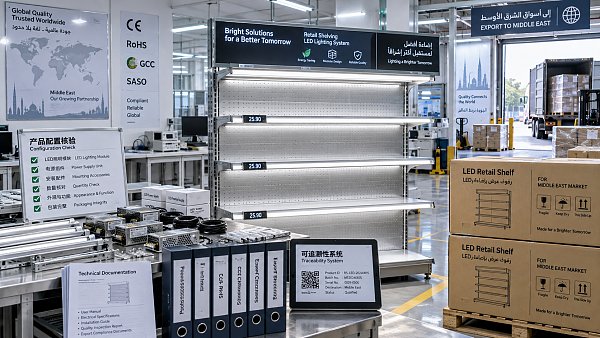
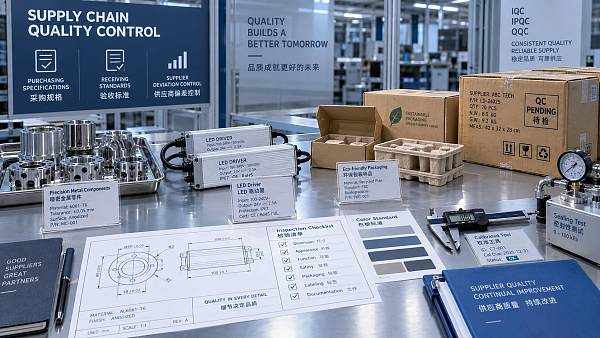
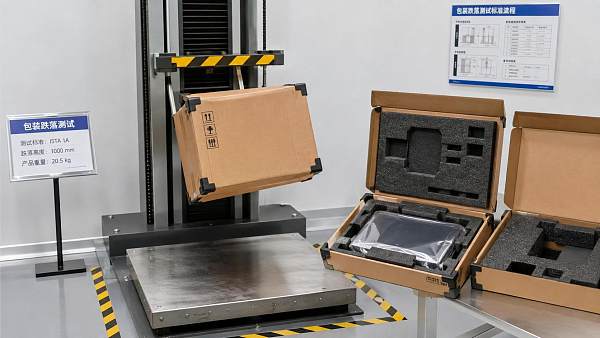
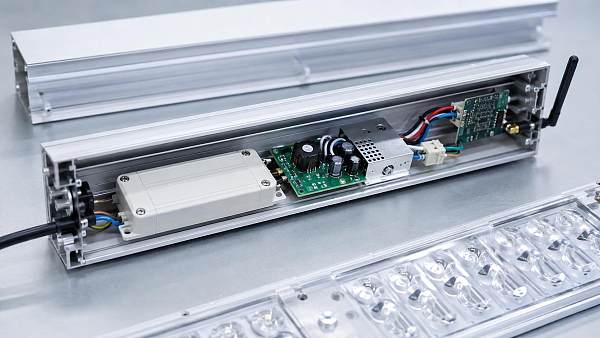
International Standards Certification Checklist
Time
Click Count
Navigating international standards certification can be complex for quality control and safety management teams working across global supply chains. This checklist offers a practical path for reviewing product compliance, reducing risk, and aligning commercial hardware, retail technology, and consumer-facing solutions with recognized benchmarks.
For modern commercial environments, international standards certification is more than a legal formality. It supports product safety, market access, durability, interoperability, and brand credibility across furniture, fixtures, smart retail systems, lighting, signage, and sustainable packaging.
Core Understanding of International Standards Certification
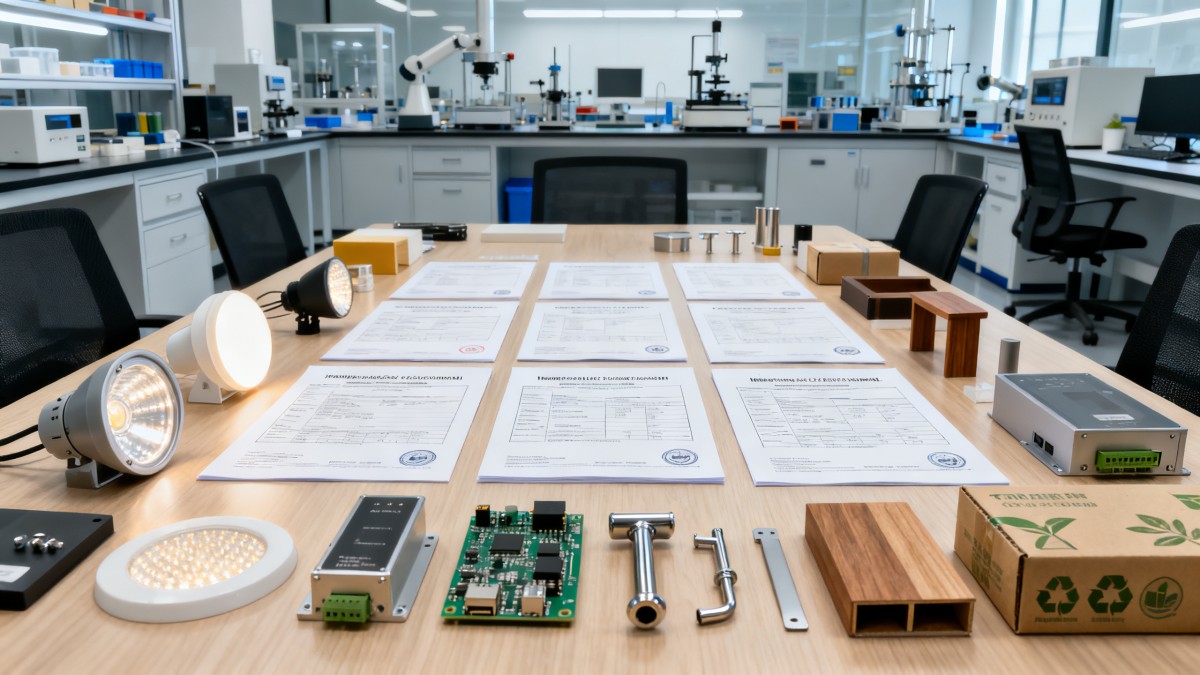
International standards certification refers to formal verification that a product, system, or material meets defined technical, safety, environmental, or performance requirements. These requirements are issued by standards bodies, regulators, or recognized certification organizations.
Common examples include UL for electrical safety, CE for conformity within applicable European directives, and BIFMA for commercial furniture performance. Depending on product category, other standards may cover fire resistance, chemical content, electromagnetic compatibility, recyclability, and labeling.
In cross-border trade, international standards certification helps create a shared technical language. It reduces ambiguity between design teams, suppliers, testing laboratories, logistics partners, and market authorities.
A useful checklist must separate three issues clearly: applicable regulations, voluntary benchmarks, and market-driven buyer requirements. Many projects fail because these are treated as identical, even though their legal weight differs significantly.
What a Certification Checklist Should Confirm
- Product classification is accurate.
- Target markets are defined before testing begins.
- Applicable standards match product functions and materials.
- Technical files are complete and traceable.
- Test reports remain valid after design revisions.
- Marking, labeling, and user instructions meet local rules.
Industry Context and Current Compliance Signals
Across the broader commercial ecosystem, certification expectations are rising. Hybrid retail formats, connected fixtures, sustainable materials, and rapid product iteration have increased the need for structured international standards certification reviews.
Commercial projects now combine physical products with digital functions. A display fixture may include lighting, charging ports, sensors, and data capture elements. This convergence can trigger multiple certification pathways within one installation.
Within this environment, international standards certification functions as a control framework. It connects design intent, material selection, production consistency, and post-market accountability.
Business Value of International Standards Certification
A disciplined approach to international standards certification improves more than compliance. It supports resilient procurement, consistent product performance, and smoother market entry across regions with different regulatory expectations.
In commercial interiors, certified fixtures and furniture can reduce installation disputes and lifecycle failures. In smart retail technology, verified electrical and electromagnetic performance helps avoid field disruptions. In packaging, documented material compliance strengthens sustainability and transport confidence.
Key Operational Benefits
- Fewer redesigns caused by late-stage nonconformities.
- Better supplier alignment on technical expectations.
- Stronger support for customs clearance and market audits.
- Reduced product liability exposure.
- Higher confidence in durability and user safety.
- Improved readiness for multi-country expansion.
For platforms focused on technical benchmarking, international standards certification also creates comparability. Products can be evaluated against recognized baselines instead of inconsistent marketing claims.
Checklist by Product and Application Category
Different product groups require different evidence. The following categories reflect common needs across integrated commercial and consumer ecosystems.
Universal Documentation Review
- Define product scope, configuration, and intended use.
- Map every destination market and channel.
- Confirm applicable international standards certification requirements.
- Collect drawings, bills of materials, and component approvals.
- Review laboratory reports for validity and product match.
- Check labels, manuals, warnings, and language obligations.
- Set change-control rules for future revisions.
Practical Review Points and Common Risks
The most frequent certification failures are procedural rather than technical. Products may pass tests but still face rejection because documents, labels, or market assumptions are incomplete.
High-Risk Gaps to Check Early
- Using old test reports after materials changed.
- Assuming CE is a quality mark for all situations.
- Ignoring component-level approvals in electrical assemblies.
- Overlooking packaging and transport compliance.
- Making environmental claims without supporting evidence.
- Failing to align factory output with tested samples.
Effective international standards certification depends on version control. If a cable, coating, foam, adhesive, or fastener changes, the certification impact should be reviewed immediately.
Sampling strategy also matters. One compliant prototype does not guarantee ongoing conformity. Production controls, incoming material checks, and periodic verification help preserve certification integrity over time.
Implementation Guidance for Ongoing Compliance
A workable system for international standards certification should begin before tooling, not after production. Early review lowers costs because design adjustments are less disruptive at concept and engineering stages.
Recommended Workflow
- Screen the concept against target-market regulations.
- Prioritize standards affecting safety and market access.
- Select components with existing approvals where possible.
- Create a central compliance file for each product family.
- Schedule pre-test reviews before final certification testing.
- Audit production consistency after approval is issued.
For complex commercial programs, benchmark repositories and intelligence platforms can support this process by comparing materials, components, and hardware against established standards histories. That approach improves visibility across categories that often operate in separate silos.
When used well, international standards certification becomes a strategic filter. It clarifies which designs are market-ready, which suppliers are dependable, and which product claims can stand up to scrutiny.
Next-Step Compliance Action
Start by building a category-based checklist for every active product line. Include target markets, applicable standards, approved materials, current reports, labeling requirements, and revision history.
Then compare those records against actual production and shipment configurations. This simple gap review often reveals missing declarations, expired evidence, or inconsistent component sourcing before they become costly failures.
In a market shaped by technical convergence and sustainability expectations, international standards certification remains a foundational discipline. A clear checklist helps transform compliance from a reactive burden into a structured asset for safer, stronger, and more dependable commercial ecosystems.
- commercial furniture
- smart retail
- supply chain
- consumer goods
- commercial lighting
- signage
- sustainable packaging
- commercial hardware
- retail technology
- commercial environments
- international standards
- consumer ecosystems
- technical benchmarking
- retail integration
- sustainable materials
- consumer goods supply chain
- international standards certification
- smart retail systems
- smart retail technology
- consumer ecosystem
- global sourcing
News Recommendations
 How to compare commercial linear light wholesale quotes accurately
![51a6ab95581761cc26f4318be6520c15]()
Aris Katos
Future of Carbide Coatings
 How to verify international standards compliance for Middle East exports
![51a6ab95581761cc26f4318be6520c15]()
Aris Katos
Future of Carbide Coatings
 How to select laboratory instruments for reproducible test results
![51a6ab95581761cc26f4318be6520c15]()
Aris Katos
Future of Carbide Coatings
 When does a sheet metal prototype reveal design flaws early?
![51a6ab95581761cc26f4318be6520c15]()
Aris Katos
Future of Carbide Coatings
 When PE air column bags reduce damage in e-commerce fulfillment
![51a6ab95581761cc26f4318be6520c15]()
Aris Katos
Future of Carbide Coatings
 How energy-efficient design reduces operating costs in retail lighting
![51a6ab95581761cc26f4318be6520c15]()
Aris Katos
Future of Carbide Coatings
 When commercial aluminum storefronts make sense for a retail renovation
![51a6ab95581761cc26f4318be6520c15]()
Aris Katos
Future of Carbide Coatings
 What makes LED lights durable in high-use commercial spaces?
![51a6ab95581761cc26f4318be6520c15]()
Aris Katos
Future of Carbide Coatings
 Which industry categories offer the strongest export potential in Latin America?
![51a6ab95581761cc26f4318be6520c15]()
Aris Katos
Future of Carbide Coatings
 How to choose an ultra bright waterproof window display for storefronts
![51a6ab95581761cc26f4318be6520c15]()
Aris Katos
Future of Carbide Coatings
 How to verify suppliers on a trade portal for global sourcing
![51a6ab95581761cc26f4318be6520c15]()
Aris Katos
Future of Carbide Coatings
 How RoHS requirements should be stated in product specifications
![51a6ab95581761cc26f4318be6520c15]()
Aris Katos
Future of Carbide Coatings
 What affects the lead time for custom retail counter displays?
![51a6ab95581761cc26f4318be6520c15]()
Aris Katos
Future of Carbide Coatings
 What consumer packaging USA importers need to verify before ordering
![51a6ab95581761cc26f4318be6520c15]()
Aris Katos
Future of Carbide Coatings
 How commercial spaces interiors shape customer dwell time
![51a6ab95581761cc26f4318be6520c15]()
Aris Katos
Future of Carbide Coatings
 How LED commercial lighting design reduces glare in retail spaces
![51a6ab95581761cc26f4318be6520c15]()
Aris Katos
Future of Carbide Coatings
 How industrial technology information improves RFID inventory accuracy
![51a6ab95581761cc26f4318be6520c15]()
Aris Katos
Future of Carbide Coatings
 When drip garden watering systems make more sense than sprinklers
![51a6ab95581761cc26f4318be6520c15]()
Aris Katos
Future of Carbide Coatings
 When category comparison improves sourcing for industrial applications
![51a6ab95581761cc26f4318be6520c15]()
Aris Katos
Future of Carbide Coatings
 Industrial application guidance for selecting the right LED lighting
![51a6ab95581761cc26f4318be6520c15]()
Aris Katos
Future of Carbide Coatings
 Which commercial architecture standards apply to European retail fit-outs?
![51a6ab95581761cc26f4318be6520c15]()
Aris Katos
Future of Carbide Coatings
 How to verify FDA requirements for maternity care products
![51a6ab95581761cc26f4318be6520c15]()
Aris Katos
Future of Carbide Coatings
 How to verify BPA-free claims for food-contact products
![51a6ab95581761cc26f4318be6520c15]()
Aris Katos
Future of Carbide Coatings
 When does a European wholesale supplier suit modular office projects?
![51a6ab95581761cc26f4318be6520c15]()
Aris Katos
Future of Carbide Coatings
 When consumer ecosystem solutions improve the in-store shopping journey
![51a6ab95581761cc26f4318be6520c15]()
Aris Katos
Future of Carbide Coatings
 How a commercial developers network can reduce site selection risk
![51a6ab95581761cc26f4318be6520c15]()
Aris Katos
Future of Carbide Coatings
 How clear purchasing specifications prevent costly supplier deviations
![51a6ab95581761cc26f4318be6520c15]()
Aris Katos
Future of Carbide Coatings
 What an ISTA drop test lab checks before your packaging ships
![51a6ab95581761cc26f4318be6520c15]()
Aris Katos
Future of Carbide Coatings
 Which commercial furniture standards apply to workplace seating?
![51a6ab95581761cc26f4318be6520c15]()
Aris Katos
Future of Carbide Coatings
 How to evaluate smart lighting module OEM compatibility before sampling
![51a6ab95581761cc26f4318be6520c15]()
Aris Katos
Future of Carbide Coatings
 How to assess whether sustainable technology delivers real impact
![51a6ab95581761cc26f4318be6520c15]()
Aris Katos
Future of Carbide Coatings
 How to assess an OEM supplier’s quality control before ordering
![51a6ab95581761cc26f4318be6520c15]()
Aris Katos
Future of Carbide Coatings
 How consumer ecosystem solutions data can improve retail personalization
![51a6ab95581761cc26f4318be6520c15]()
Aris Katos
Future of Carbide Coatings
 When does consumer packaging design justify a higher product price?
![51a6ab95581761cc26f4318be6520c15]()
Aris Katos
Future of Carbide Coatings
 Supermarket Fixture Installation: Planning Layouts, Wiring, and Handover
![51a6ab95581761cc26f4318be6520c15]()
Aris Katos
Future of Carbide Coatings
 Automated Lighting and Smart Lighting Control in Bergerac: Key Project Considerations
![51a6ab95581761cc26f4318be6520c15]()
Aris Katos
Future of Carbide Coatings
 Segment Streetlight Controllers: Choosing Control Modes for Urban Roads
![51a6ab95581761cc26f4318be6520c15]()
Aris Katos
Future of Carbide Coatings
 IEC 62471-2 Explained: How to Assess Photobiological Risks in LED Lighting
![51a6ab95581761cc26f4318be6520c15]()
Aris Katos
Future of Carbide Coatings
 Food Grade Packaging Requirements by Product Type, Temperature, and Contact Risk
![51a6ab95581761cc26f4318be6520c15]()
Aris Katos
Future of Carbide Coatings