Coworking space furniture solutions that survive constant rearranging
Time
Click Count
In fast-moving coworking environments, coworking space furniture solutions must endure constant reconfiguration without sacrificing comfort, durability, or brand appeal. From stackable commercial chairs and foldable conference tables wholesale to smart office furniture integration and acoustic solutions for open offices, buyers need data-backed options that support ergonomic workplace wellness, flexible layouts, and sustainable office furniture trends.
Why constant rearranging changes the furniture brief

A coworking floor rarely behaves like a static office. Layouts may shift 2–5 times per month as operators move from hot desks to workshops, private team sessions, product launches, or hybrid meeting formats. That means coworking space furniture solutions are judged not only by appearance, but by how well they survive repeated lifting, rolling, stacking, folding, and reconnecting.
For operators and facility teams, the first pain point is operational fatigue. Furniture that looks acceptable in a catalog can fail in daily use if connectors loosen, casters jam, laminate edges chip, or chair shells crack under frequent movement. Procurement teams therefore need a practical framework that weighs mobility, maintenance cycle, replacement risk, and commercial-grade compliance together.
This is where a benchmarking approach becomes valuable. G-BCE helps commercial architects, sourcing directors, and business evaluators compare furniture systems against globally recognized expectations such as BIFMA-related performance thinking, commercial safety requirements, and cross-border manufacturing consistency. The goal is not to chase trend pieces, but to specify resilient assets for high-turnover shared environments.
In practical terms, the selection brief for flexible workspace furniture usually revolves around 4 core questions: how often it will move, who will move it, what loads it carries, and how quickly the space must reset. A lounge chair moved once per quarter needs a different engineering logic than a nesting table reconfigured 3 times per day.
What decision-makers should assess first
- Movement frequency: occasional monthly changes, weekly reset cycles, or daily event conversion.
- Handling method: one-person manual lift, two-person repositioning, or caster-based mobility.
- User density: quiet focus zones, shared collaboration benches, or multi-use training rooms with repeated turnover.
- Brand requirement: hospitality-led aesthetics, enterprise-grade uniformity, or premium client-facing finishes.
When these inputs are clear at the start, buyers avoid a common mistake: purchasing general office furniture for a flexible commercial environment. The result is usually higher damage rates within 12–24 months and an unplanned replacement budget that outweighs the initial savings.
Which coworking space furniture solutions fit each zone?
Not every zone inside a coworking site needs the same furniture logic. Open work areas prioritize quick reset and ergonomic support. Meeting rooms require foldable conference tables wholesale options that lock securely and align cleanly. Lounge zones need softer finishes, but still require durable internal frames and easy-clean surfaces. Acoustic furniture for open offices adds another layer, because sound control must coexist with mobility.
A useful way to specify flexible workspace furniture is to classify applications into 3 operational bands: daily reconfiguration zones, weekly conversion zones, and low-movement anchor zones. This prevents overspending on heavy-duty mobility features where they are not needed, while avoiding under-specification in high-traffic rooms.
The table below helps information researchers, operators, and procurement teams connect common coworking scenarios with furniture characteristics that better survive constant rearranging. It also highlights where smart office furniture integration or acoustic add-ons become commercially relevant.
The key takeaway is simple: the more often a zone changes, the more valuable mobility engineering becomes. In high-turnover rooms, features such as reinforced hinges, edge protection, locking casters, and stacking geometry usually matter more than decorative finish upgrades. In lower-movement zones, comfort and visual identity can carry greater weight.
Zone planning mistakes that raise replacement cost
Many buyers use the same chair across all zones to simplify procurement. That can work only if the chair performs acceptably in at least 3 conditions: desk work, short meetings, and event overflow. If not, uniformity creates a hidden cost through premature wear, user discomfort, and more maintenance calls.
Another mistake is specifying tables by surface size alone. For coworking space furniture solutions, underframe geometry, folding cycle durability, and ease of one-person handling are equally important. A table that is technically foldable but awkward to maneuver does not support real operational flexibility.
Acoustic furniture is also often underestimated. In open collaborative areas, a modest combination of mobile screens, booth seating, and sound-absorbing finishes can improve usability more effectively than adding more desks. For operators, that can support both occupancy satisfaction and premium membership positioning.
What technical details actually determine durability?
For furniture that survives constant rearranging, durability is rarely one single feature. It comes from the interaction of frame material, joinery method, moving parts, surface finish, and maintenance access. Buyers should review at least 5 technical checkpoints before comparing price: structure, mobility hardware, edge protection, cleanability, and replaceable components.
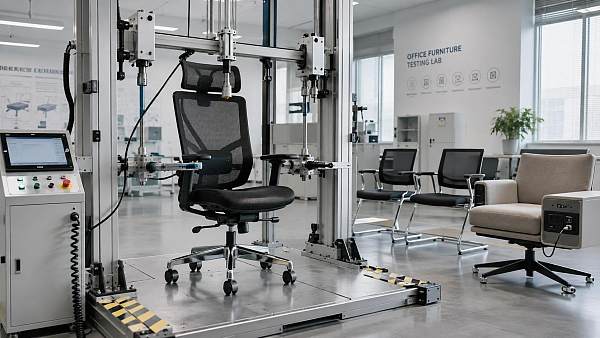
Commercial chairs, for example, should be examined for frame stiffness, seat-shell resilience, caster quality, and stackability without finish damage. Tables should be reviewed for hinge tolerance, leg locking reliability, anti-rack stability, and surface resistance to repeated cleaning. In shared environments, even the difference between basic and commercial-grade casters can become visible within 6–12 months.
The next table summarizes practical performance factors that matter in coworking space furniture solutions. These are not brand-specific claims; they are specification categories that help procurement and evaluation teams ask better questions before issuing RFQs or approving samples.
A useful benchmark for operators is reset labor. If one staff member cannot safely reposition a furniture piece in under 2–3 minutes, the product may be too heavy or too awkward for high-frequency conversion areas. That directly affects staffing demand and increases the chance of accidental damage during rushed room turns.
How smart integration and acoustics affect performance
Power, cable, and device readiness
Smart office furniture integration becomes important when members expect seamless charging, booking, and hybrid meeting support. Tables with integrated power access, cable management, and device-friendly surfaces reduce ad hoc wiring. In many projects, planning these details early avoids retrofit work 4–8 weeks later.
Acoustic control in open offices
Acoustic solutions for open offices should be selected as part of the furniture strategy, not after complaints rise. Mobile screens, high-back booths, and soft modular partitions can create speech buffering while preserving flexibility. For coworking operators, that often delivers a stronger user experience than rigid walls in areas that must stay adaptable.
Sustainable office furniture trends also matter here. Replaceable upholstery panels, recyclable content, low-emission material choices, and repair-friendly components can support longer service life. In commercial terms, sustainability is strongest when it reduces disposal frequency and extends usable cycles rather than adding superficial green claims.
How should buyers compare cost, compliance, and sourcing risk?
Price comparison alone is risky in shared workspace procurement. A lower initial quote may hide shorter finish life, missing spare-part access, or longer replacement downtime. For business evaluators and procurement managers, total ownership logic works better: acquisition cost, reset labor, maintenance interval, damage rate, and renewal timing should all be reviewed over a 24–36 month horizon.
Compliance also influences sourcing decisions, especially for cross-border projects. Depending on the market and application, teams may need to consider product safety expectations, fire-related material considerations, electrical compatibility for powered furniture, and recognized furniture performance references such as BIFMA-oriented criteria. G-BCE supports this process by aligning supplier-side manufacturing detail with global commercial environment requirements.
Before placing volume orders, buyers should ask for a structured sample review and approval path. In many furniture categories, a 3-stage process works well: technical drawing confirmation, material sample approval, and pilot-use evaluation. This reduces mismatch risk between catalog promise and real-site performance.
A practical procurement checklist
- Define 3 use intensities: daily movement, weekly movement, and low-movement anchor use.
- Request specification sheets covering frame material, surface construction, moving parts, and maintenance points.
- Verify whether spare parts such as glides, casters, hinges, and connectors are replaceable within normal service cycles.
- Confirm lead time ranges, which in international projects often vary from 2–4 weeks for standard lines to 6–10 weeks for customized configurations.
- Check whether documentation can support internal review on safety, compliance, packaging, and installation readiness.
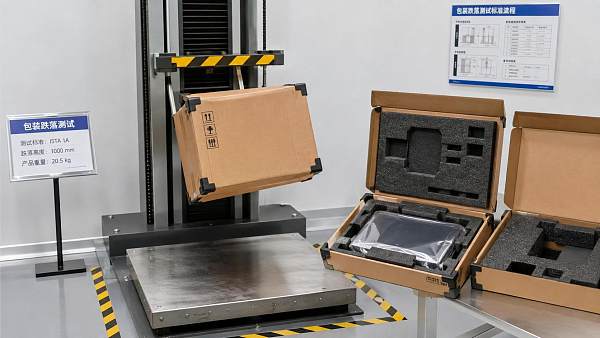
For imported or multi-market projects, packaging and logistics should not be treated as secondary issues. Repeatedly reconfigurable furniture often includes moving mechanisms and finished surfaces that are vulnerable in transit. Better carton engineering, corner protection, and knock-down logic can reduce freight damage and speed on-site assembly.
Common sourcing misjudgments
One common mistake is choosing home-office inspired products because they photograph well. They may not tolerate shared occupancy, repeated sanitizing, or event movement. Another is over-engineering every item to the highest specification, which can inflate budget without improving the user experience in lower-stress zones.
A balanced sourcing strategy usually mixes categories: robust mobile furniture for high-turnover rooms, medium-duty ergonomic pieces for daily work areas, and more design-led furniture in low-movement client-facing zones. That approach aligns cost with real use instead of treating the entire site as one performance category.
FAQ: what do teams ask before committing to a flexible furniture program?
Teams researching coworking space furniture solutions often ask the same practical questions before releasing budgets or finalizing layouts. The answers below focus on deployment reality, not just product marketing language.
How do I know whether stackable chairs or mobile chairs are better?
If a room converts for events or training several times per week, stackable commercial chairs are often more space-efficient for storage. If the same zone supports daily workstation use, mobile chairs may offer better user convenience. In mixed-use rooms, many operators split the ratio, keeping one primary chair type and a smaller overflow stack for peak events.
Are foldable conference tables wholesale options suitable for premium coworking brands?
Yes, if the tables are specified with strong underframes, reliable locks, and finish quality that supports a hospitality-grade look. Premium appearance and flexibility are not opposites. The real issue is whether the table maintains alignment, stability, and edge condition after repeated cycles over 12 months or more of active use.
What lead time should procurement teams plan for?
For standard commercial furniture lines, a typical planning window may be 2–4 weeks before shipment readiness, while customized finishes, integrated power modules, or acoustic booths may require 6–10 weeks. International sourcing adds review time for drawings, packaging confirmation, and logistics coordination, so early technical alignment is important.
What certifications or standards should be reviewed?
Requirements vary by product category and destination market, but buyers commonly review commercial furniture performance references, safety-related documentation, and where applicable electrical or material compliance expectations. For multinational projects, teams often compare supplier information against common frameworks such as UL, CE, and BIFMA-related expectations to streamline internal approval.
How can operators reduce replacement risk after installation?
Start with a reset protocol. Train staff on lifting points, folding steps, caster locking, and storage method. Schedule a quick inspection every quarter for loose fasteners, damaged glides, or worn connectors. Small maintenance actions usually cost less than emergency replacement after a failure in a high-visibility member area.
Why work with G-BCE when specifying coworking furniture systems?
G-BCE is built for decision-makers who need more than a product brochure. Our value lies in translating commercial furniture and fixtures, smart retail technology logic, supply chain transparency, and international benchmarking into sourcing decisions that fit real operating environments. For coworking space furniture solutions, that means connecting layout flexibility, durability expectations, compliance considerations, and brand presentation into one evaluation path.
We support information researchers, users, procurement personnel, and business evaluators with structured comparison criteria rather than generic claims. If you are balancing Asian manufacturing capability with global commercial standards, we help clarify which parameters matter, which certifications may be relevant, and which configuration choices can reduce risk before volume commitment.
You can contact us for specific support on 6 decision areas: parameter confirmation, product selection, estimated lead times, custom configuration planning, certification review, and sample evaluation. We can also help map furniture categories by zone, compare alternatives for budget tiers, and identify where acoustic or smart integration will create the most operational value.
If your project involves stackable commercial chairs, foldable conference tables wholesale sourcing, modular lounge systems, or smart office furniture integration, bring your layout intent and procurement timeline into the discussion early. A clear technical brief at the start can shorten approval cycles, reduce change orders, and improve long-term performance in coworking spaces that never stop moving.
- commercial furniture
- smart retail
- supply chain
- retail technology
- commercial architects
- smart retail technology
- sustainable office furniture trends
- acoustic solutions for open offices
- smart office furniture integration
- ergonomic workplace wellness
- coworking space furniture solutions
- foldable conference tables wholesale
- stackable commercial chairs
News Recommendations
 How to select laboratory instruments for reproducible test results
![51a6ab95581761cc26f4318be6520c15]()
Aris Katos
Future of Carbide Coatings
 When does a sheet metal prototype reveal design flaws early?
![51a6ab95581761cc26f4318be6520c15]()
Aris Katos
Future of Carbide Coatings
 When PE air column bags reduce damage in e-commerce fulfillment
![51a6ab95581761cc26f4318be6520c15]()
Aris Katos
Future of Carbide Coatings
 How energy-efficient design reduces operating costs in retail lighting
![51a6ab95581761cc26f4318be6520c15]()
Aris Katos
Future of Carbide Coatings
 When commercial aluminum storefronts make sense for a retail renovation
![51a6ab95581761cc26f4318be6520c15]()
Aris Katos
Future of Carbide Coatings
 What makes LED lights durable in high-use commercial spaces?
![51a6ab95581761cc26f4318be6520c15]()
Aris Katos
Future of Carbide Coatings
 Which industry categories offer the strongest export potential in Latin America?
![51a6ab95581761cc26f4318be6520c15]()
Aris Katos
Future of Carbide Coatings
 How to choose an ultra bright waterproof window display for storefronts
![51a6ab95581761cc26f4318be6520c15]()
Aris Katos
Future of Carbide Coatings
 How to verify suppliers on a trade portal for global sourcing
![51a6ab95581761cc26f4318be6520c15]()
Aris Katos
Future of Carbide Coatings
 How RoHS requirements should be stated in product specifications
![51a6ab95581761cc26f4318be6520c15]()
Aris Katos
Future of Carbide Coatings
 What affects the lead time for custom retail counter displays?
![51a6ab95581761cc26f4318be6520c15]()
Aris Katos
Future of Carbide Coatings
 What consumer packaging USA importers need to verify before ordering
![51a6ab95581761cc26f4318be6520c15]()
Aris Katos
Future of Carbide Coatings
 How commercial spaces interiors shape customer dwell time
![51a6ab95581761cc26f4318be6520c15]()
Aris Katos
Future of Carbide Coatings
 How LED commercial lighting design reduces glare in retail spaces
![51a6ab95581761cc26f4318be6520c15]()
Aris Katos
Future of Carbide Coatings
 How industrial technology information improves RFID inventory accuracy
![51a6ab95581761cc26f4318be6520c15]()
Aris Katos
Future of Carbide Coatings
 When drip garden watering systems make more sense than sprinklers
![51a6ab95581761cc26f4318be6520c15]()
Aris Katos
Future of Carbide Coatings
 When category comparison improves sourcing for industrial applications
![51a6ab95581761cc26f4318be6520c15]()
Aris Katos
Future of Carbide Coatings
 Industrial application guidance for selecting the right LED lighting
![51a6ab95581761cc26f4318be6520c15]()
Aris Katos
Future of Carbide Coatings
 Which commercial architecture standards apply to European retail fit-outs?
![51a6ab95581761cc26f4318be6520c15]()
Aris Katos
Future of Carbide Coatings
 How to verify FDA requirements for maternity care products
![51a6ab95581761cc26f4318be6520c15]()
Aris Katos
Future of Carbide Coatings
 How to verify BPA-free claims for food-contact products
![51a6ab95581761cc26f4318be6520c15]()
Aris Katos
Future of Carbide Coatings
 When does a European wholesale supplier suit modular office projects?
![51a6ab95581761cc26f4318be6520c15]()
Aris Katos
Future of Carbide Coatings
 When consumer ecosystem solutions improve the in-store shopping journey
![51a6ab95581761cc26f4318be6520c15]()
Aris Katos
Future of Carbide Coatings
 How a commercial developers network can reduce site selection risk
![51a6ab95581761cc26f4318be6520c15]()
Aris Katos
Future of Carbide Coatings
 How clear purchasing specifications prevent costly supplier deviations
![51a6ab95581761cc26f4318be6520c15]()
Aris Katos
Future of Carbide Coatings
 What an ISTA drop test lab checks before your packaging ships
![51a6ab95581761cc26f4318be6520c15]()
Aris Katos
Future of Carbide Coatings
 Which commercial furniture standards apply to workplace seating?
![51a6ab95581761cc26f4318be6520c15]()
Aris Katos
Future of Carbide Coatings
 How to evaluate smart lighting module OEM compatibility before sampling
![51a6ab95581761cc26f4318be6520c15]()
Aris Katos
Future of Carbide Coatings
 How to assess whether sustainable technology delivers real impact
![51a6ab95581761cc26f4318be6520c15]()
Aris Katos
Future of Carbide Coatings
 How to assess an OEM supplier’s quality control before ordering
![51a6ab95581761cc26f4318be6520c15]()
Aris Katos
Future of Carbide Coatings
 How consumer ecosystem solutions data can improve retail personalization
![51a6ab95581761cc26f4318be6520c15]()
Aris Katos
Future of Carbide Coatings
 When does consumer packaging design justify a higher product price?
![51a6ab95581761cc26f4318be6520c15]()
Aris Katos
Future of Carbide Coatings
 Supermarket Fixture Installation: Planning Layouts, Wiring, and Handover
![51a6ab95581761cc26f4318be6520c15]()
Aris Katos
Future of Carbide Coatings
 Automated Lighting and Smart Lighting Control in Bergerac: Key Project Considerations
![51a6ab95581761cc26f4318be6520c15]()
Aris Katos
Future of Carbide Coatings
 Segment Streetlight Controllers: Choosing Control Modes for Urban Roads
![51a6ab95581761cc26f4318be6520c15]()
Aris Katos
Future of Carbide Coatings
 IEC 62471-2 Explained: How to Assess Photobiological Risks in LED Lighting
![51a6ab95581761cc26f4318be6520c15]()
Aris Katos
Future of Carbide Coatings
 Food Grade Packaging Requirements by Product Type, Temperature, and Contact Risk
![51a6ab95581761cc26f4318be6520c15]()
Aris Katos
Future of Carbide Coatings
 Food Packaging Compliance Checklist: Tests, Records, and Labeling Before Shipment
![51a6ab95581761cc26f4318be6520c15]()
Aris Katos
Future of Carbide Coatings
 NSF Food Packaging Standards: When Certification Matters for Commercial Food Use
![51a6ab95581761cc26f4318be6520c15]()
Aris Katos
Future of Carbide Coatings