Ecological Foundations Trends Shaping Green Material Choices
Time
Click Count
Ecological foundations are moving from a design preference to a business filter
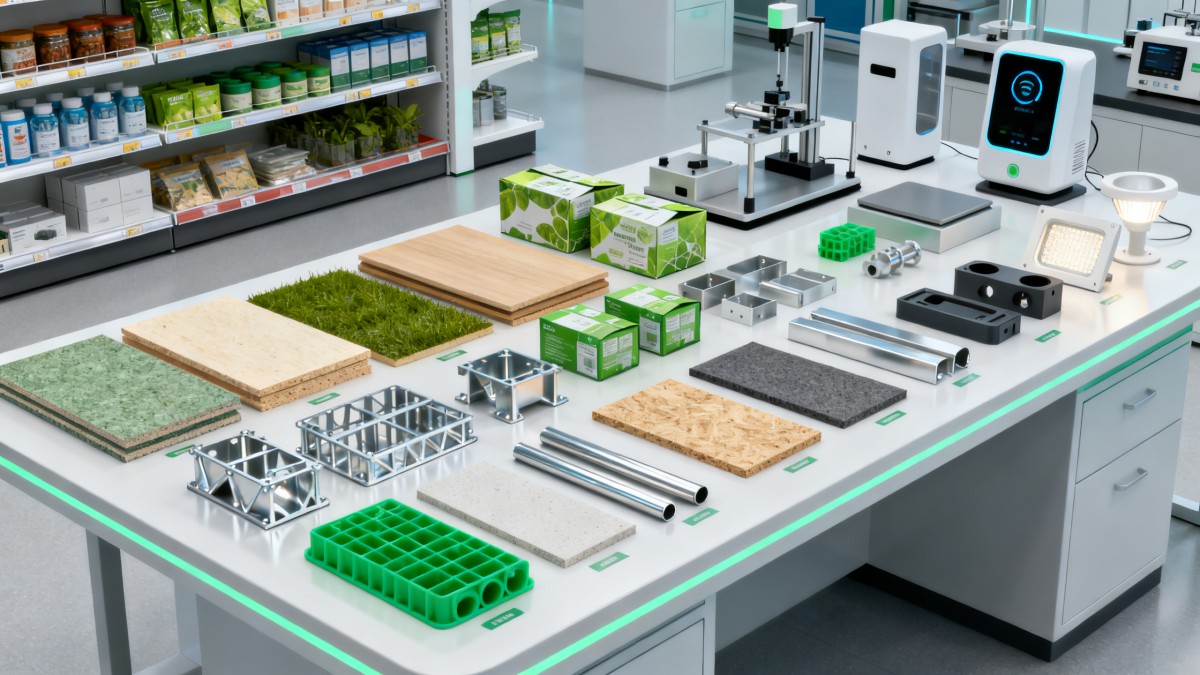
Ecological foundations now shape how green material choices are screened across retail spaces, commercial interiors, fixtures, packaging, and connected hardware environments.
That shift is not only about carbon language. It is also about durability, certification readiness, repairability, sourcing risk, and long-term operating performance.
In practical terms, materials once approved for visual appeal alone are being re-evaluated through broader lifecycle expectations.
This is especially visible where physical retail meets digital infrastructure, and where sustainable materials must coexist with safety, aesthetics, and technical precision.
Across the wider commercial ecosystem, ecological foundations are becoming a shared decision layer rather than a niche sustainability concern.
The stronger signal is that buyers no longer ask only whether a material is green. They ask whether it remains viable under real operational pressure.
Why this change is becoming more visible now
Several forces are converging at once. Environmental expectations have risen, but so have cost scrutiny and compliance demands.
As a result, ecological foundations are being judged through a more commercial lens. That is changing selection criteria in measurable ways.
- Regulatory pressure is extending beyond emissions claims to traceability, chemical safety, and disposal implications.
- Global brands face stronger scrutiny over material narratives that cannot be supported by standards or testing data.
- Supply disruptions have exposed the weakness of narrow sourcing strategies built around single low-cost inputs.
- Commercial environments need materials that perform across installation, maintenance, cleaning cycles, and replacement schedules.
- Digital retail equipment and smart fixtures add thermal, electrical, and structural demands to sustainability decisions.
This is why ecological foundations now intersect with standards such as UL, CE, and BIFMA instead of sitting outside technical evaluation.
The discussion has matured. Material choice is less about symbolic sustainability and more about resilient system design.
The market is favoring materials that prove more than environmental intent
From recent project patterns, the preferred options share one trait: they can defend both ecological foundations and operational credibility.
That means recycled content alone is not enough. Decision quality now depends on how the full material profile holds up.
This broader view is pushing the market toward benchmark-led comparison rather than claim-led selection.
Impact is spreading across more business layers than expected
The influence of ecological foundations is not limited to packaging or decorative surfaces. It is reshaping multiple operational layers.
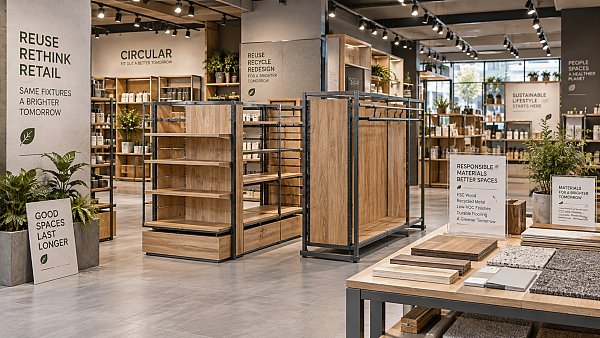
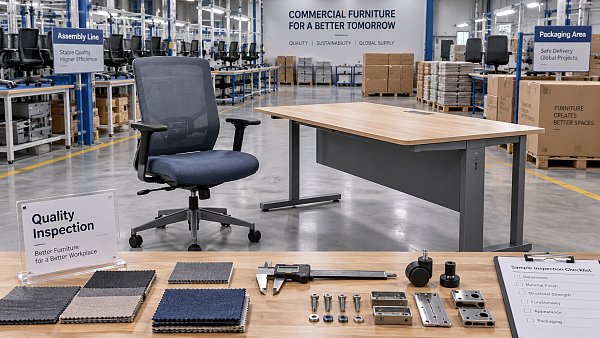
Commercial furniture and fixtures
Material decisions now affect ergonomics, fire resistance, structural integrity, maintenance intervals, and warranty exposure at the same time.
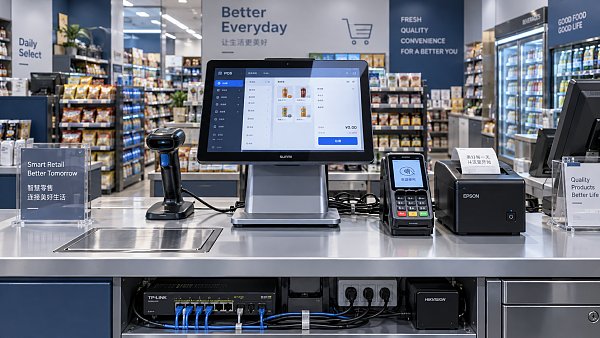
Smart retail technology
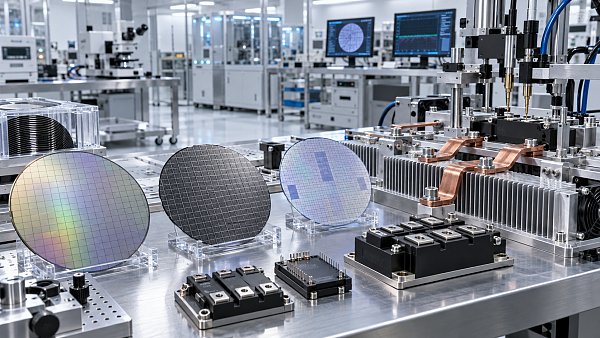
Enclosures, housings, cable systems, and mounting structures need sustainable inputs without compromising heat management or hardware reliability.
Lighting and signage
Low-impact materials are gaining ground, yet only when they meet visual consistency, safety standards, and long-service performance.
Consumer goods supply chains
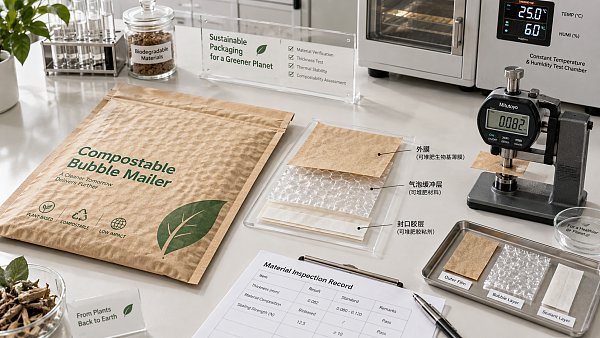
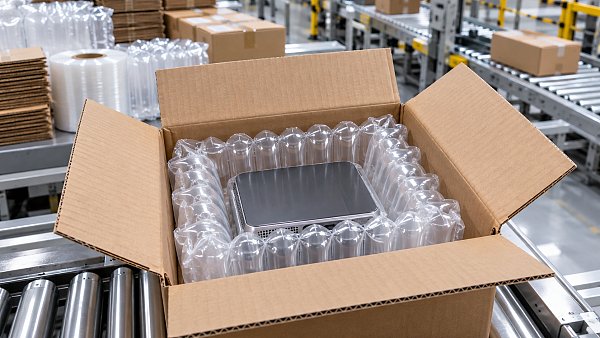
Ecological foundations now influence packaging formats, protective materials, shelf readiness, logistics efficiency, and return handling.
What connects these categories is the need for cross-sector visibility. Isolated material decisions no longer work well.
That is where platforms built around technical benchmarking become more useful. They help translate sustainability ambition into comparable decisions.
What stronger benchmarking is changing in material selection
One notable development is the rise of benchmark culture in green material assessment.
Instead of asking for a generic eco alternative, teams increasingly compare verified performance across categories and regions.
This matters in global projects, where Asian manufacturing precision often supports scale, but end markets demand strict aesthetic and compliance alignment.
A benchmark-driven approach also reduces confusion around competing sustainability labels, vague marketing claims, and inconsistent test methods.
- Compare materials by application, not just by category name.
- Map ecological foundations against technical standards before final specification.
- Track service life and replacement patterns, not only initial embodied impact.
- Check whether sustainable inputs affect assembly speed, finish quality, or digital integration.
In this context, G-BCE reflects a wider market need: combining commercial design expectations with transparent, cross-sector technical intelligence.
The next phase will reward fewer claims and better evidence
Looking ahead, ecological foundations will likely become more embedded in specification systems, supplier scorecards, and refurbishment planning.
The market direction is clear. Green material choices will be judged more often by evidence chains than by sustainability language alone.
That will raise the importance of material passports, disassembly logic, and application-specific testing in commercial environments.
It may also narrow the field. Some materials will remain attractive in theory but lose position when lifecycle reliability is fully examined.
At the same time, overlooked options may gain value when they show stronger ecological foundations under real operating conditions.
A practical way to respond now
The best response is not to chase every new material story. It is to build a clearer decision framework.
Start by reviewing where material choice carries the highest lifecycle exposure across spaces, fixtures, technology touchpoints, and packaging flows.
Then compare options through three lenses: ecological foundations, technical fitness, and cross-market compliance.
It is also worth checking whether old assumptions about cost still hold. Frequent replacement often costs more than better initial specification.
For organizations operating across regions, benchmark repositories and standards-based evaluation can bring much-needed consistency.
The immediate opportunity is simple: watch the signals, verify the data, and align green material choices with how commercial ecosystems actually perform.
News Recommendations
 How to assess supplier reliability in global supply chain sourcing
![51a6ab95581761cc26f4318be6520c15]()
Aris Katos
Future of Carbide Coatings
 Omdia Forecasts 11.6% CAGR for Global LED Video Display Market in 2026–2030
![51a6ab95581761cc26f4318be6520c15]()
Aris Katos
Future of Carbide Coatings
 How to verify an LFGB testing laboratory's accreditation scope
![51a6ab95581761cc26f4318be6520c15]()
Aris Katos
Future of Carbide Coatings
 How to assess a workplace interior supplier's installation scope
![51a6ab95581761cc26f4318be6520c15]()
Aris Katos
Future of Carbide Coatings
 What records are needed for an ISO 9001 furniture factory audit?
![51a6ab95581761cc26f4318be6520c15]()
Aris Katos
Future of Carbide Coatings
 How to choose AI marketing tools that work with your existing CRM
![51a6ab95581761cc26f4318be6520c15]()
Aris Katos
Future of Carbide Coatings
 Do freight costs erase savings when buying retail fixtures wholesale?
![51a6ab95581761cc26f4318be6520c15]()
Aris Katos
Future of Carbide Coatings
 How heat buildup affects OEM retail shelf LCD screen reliability
![51a6ab95581761cc26f4318be6520c15]()
Aris Katos
Future of Carbide Coatings
 How to check whether an OEM retail shelf screen fits existing shelving
![51a6ab95581761cc26f4318be6520c15]()
Aris Katos
Future of Carbide Coatings
 What brightness should an OEM shelf LCD screen have for retail use?
![51a6ab95581761cc26f4318be6520c15]()
Aris Katos
Future of Carbide Coatings
 Can smart retail IT solutions for CPG work with legacy POS systems?
![51a6ab95581761cc26f4318be6520c15]()
Aris Katos
Future of Carbide Coatings
 What permit approvals belong in a commercial fitout planning checklist?
![51a6ab95581761cc26f4318be6520c15]()
Aris Katos
Future of Carbide Coatings
 How Do You Apply Sustainability Standards to a Retail Renovation?
![51a6ab95581761cc26f4318be6520c15]()
Aris Katos
Future of Carbide Coatings
 Which Technical Factors Matter When Comparing Smart Retail Hardware?
![51a6ab95581761cc26f4318be6520c15]()
Aris Katos
Future of Carbide Coatings
 Does Data Transparency Matter When Selecting Consumer Goods Suppliers?
![51a6ab95581761cc26f4318be6520c15]()
Aris Katos
Future of Carbide Coatings
 How Does Commercial Design Differ from Interior Decoration?
![51a6ab95581761cc26f4318be6520c15]()
Aris Katos
Future of Carbide Coatings
 How Long Does It Take to Verify a Commercial Furniture Supplier?
![51a6ab95581761cc26f4318be6520c15]()
Aris Katos
Future of Carbide Coatings
 How to verify compostability claims from a bubble mailer manufacturer
![51a6ab95581761cc26f4318be6520c15]()
Aris Katos
Future of Carbide Coatings
 Will commercial smart infrastructure solutions work with legacy systems?
![51a6ab95581761cc26f4318be6520c15]()
Aris Katos
Future of Carbide Coatings
 How to verify a preschool furniture manufacturer's safety standards
![51a6ab95581761cc26f4318be6520c15]()
Aris Katos
Future of Carbide Coatings
 A technical comparison of semiconductor processes for power devices
![51a6ab95581761cc26f4318be6520c15]()
Aris Katos
Future of Carbide Coatings
 How to verify that a BIFMA ergonomic chair meets the standard
![51a6ab95581761cc26f4318be6520c15]()
Aris Katos
Future of Carbide Coatings
 How to use a CRI value chart when choosing LED lighting
![51a6ab95581761cc26f4318be6520c15]()
Aris Katos
Future of Carbide Coatings
 How to compare hotel aroma diffuser wholesale options by coverage area
![51a6ab95581761cc26f4318be6520c15]()
Aris Katos
Future of Carbide Coatings
 How to prevent O-rings and seals from failing in food equipment
![51a6ab95581761cc26f4318be6520c15]()
Aris Katos
Future of Carbide Coatings
 How to compare commercial linear light wholesale quotes accurately
![51a6ab95581761cc26f4318be6520c15]()
Aris Katos
Future of Carbide Coatings
 How to verify international standards compliance for Middle East exports
![51a6ab95581761cc26f4318be6520c15]()
Aris Katos
Future of Carbide Coatings
 How to select laboratory instruments for reproducible test results
![51a6ab95581761cc26f4318be6520c15]()
Aris Katos
Future of Carbide Coatings
 When does a sheet metal prototype reveal design flaws early?
![51a6ab95581761cc26f4318be6520c15]()
Aris Katos
Future of Carbide Coatings
 When PE air column bags reduce damage in e-commerce fulfillment
![51a6ab95581761cc26f4318be6520c15]()
Aris Katos
Future of Carbide Coatings
 How energy-efficient design reduces operating costs in retail lighting
![51a6ab95581761cc26f4318be6520c15]()
Aris Katos
Future of Carbide Coatings
 When commercial aluminum storefronts make sense for a retail renovation
![51a6ab95581761cc26f4318be6520c15]()
Aris Katos
Future of Carbide Coatings
 What makes LED lights durable in high-use commercial spaces?
![51a6ab95581761cc26f4318be6520c15]()
Aris Katos
Future of Carbide Coatings
 Which industry categories offer the strongest export potential in Latin America?
![51a6ab95581761cc26f4318be6520c15]()
Aris Katos
Future of Carbide Coatings
 How to choose an ultra bright waterproof window display for storefronts
![51a6ab95581761cc26f4318be6520c15]()
Aris Katos
Future of Carbide Coatings
 How to verify suppliers on a trade portal for global sourcing
![51a6ab95581761cc26f4318be6520c15]()
Aris Katos
Future of Carbide Coatings
 How RoHS requirements should be stated in product specifications
![51a6ab95581761cc26f4318be6520c15]()
Aris Katos
Future of Carbide Coatings
 What affects the lead time for custom retail counter displays?
![51a6ab95581761cc26f4318be6520c15]()
Aris Katos
Future of Carbide Coatings
 What consumer packaging USA importers need to verify before ordering
![51a6ab95581761cc26f4318be6520c15]()
Aris Katos
Future of Carbide Coatings