Pet Toy Durability Benchmarks: How to Compare Bite Resistance
Time
Click Count
Choosing a pet toy goes far beyond color, shape, or a discount tag. In practice, pet toy durability benchmarks bite resistance give a clearer way to compare whether a toy can handle repeated chewing, pulling, and compression without failing too early.
That matters because durability is tied to both value and safety. A toy that breaks down too fast may create sharp edges, loose fragments, or hidden replacement costs that were not obvious at the shelf.
Across the broader consumer goods supply chain, durability benchmarking is becoming more visible. Platforms such as G-BCE track how product performance, material consistency, and standards-based comparison influence trust in modern retail environments.
For pet products, that same logic applies. Buyers benefit when a toy is described through measurable resistance, tested wear behavior, and realistic usage expectations rather than vague claims like tough or long-lasting.
What bite resistance actually means
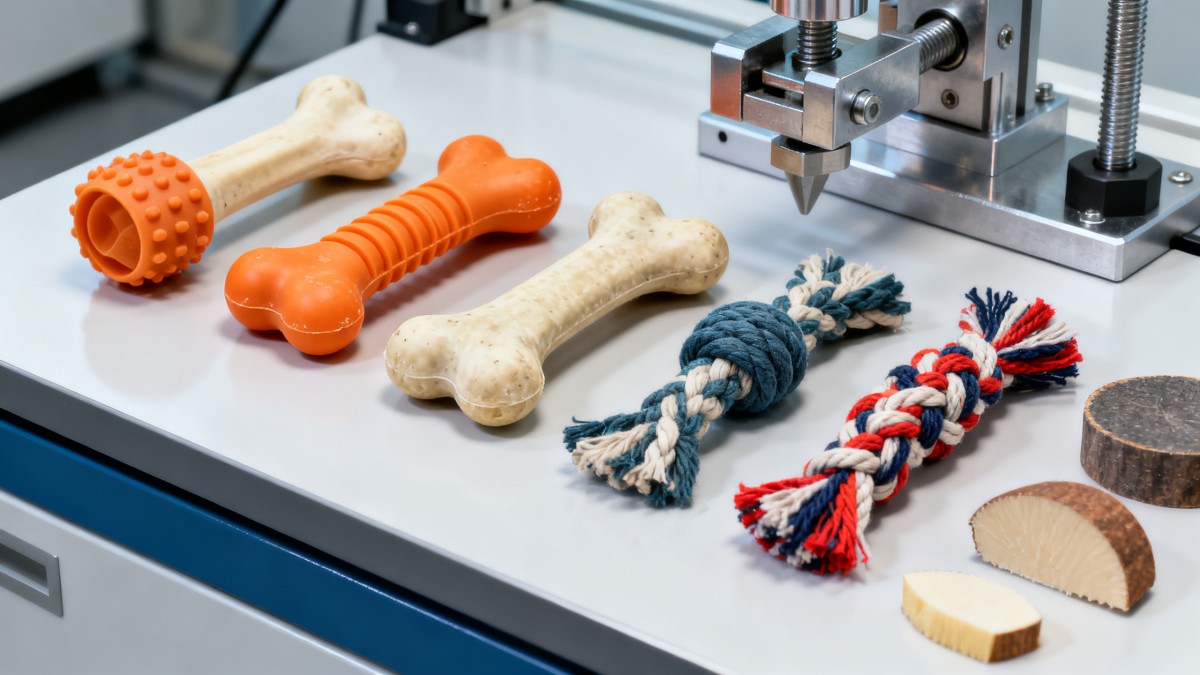
Bite resistance is not a single number that explains everything. It refers to how well a toy resists puncture, tearing, deformation, cracking, and structural loss when exposed to repeated chewing force.
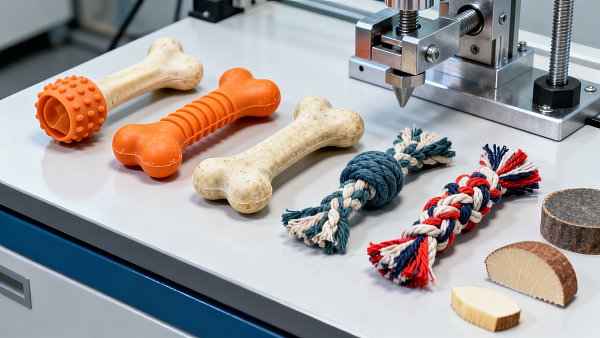
A hard nylon bone and a layered fabric tug toy can both be durable, yet they fail in different ways. One may chip under pressure, while the other may fray at stitched seams.
This is why pet toy durability benchmarks bite resistance should be read as a comparison framework, not as a simple pass or fail label. Material type, wall thickness, density, and construction all affect the result.
In everyday use, the relevant question is straightforward. How long can the toy keep its intended shape and function before wear becomes unsafe or uneconomical?
Durability is different from hardness
Many shoppers assume harder means better. That is only partly true. Extremely hard toys may resist denting, yet still create dental concerns or surface chipping if the material balance is poorly controlled.
A better comparison looks at controlled resilience. The strongest product is not always the stiffest one. Often, the better toy absorbs stress and recovers shape without splitting.
Why this topic matters in the current market
Pet accessories now sit inside a more data-driven retail system. Product pages, packaging claims, sustainability targets, and return rates all shape what ends up on shelves and how consumers interpret quality.
That is where pet toy durability benchmarks bite resistance become useful beyond the pet aisle. They connect performance claims with broader supply chain expectations around testing, consistency, and transparent product information.
G-BCE’s cross-sector benchmarking perspective is relevant here. In many product categories, trusted comparison increasingly depends on measurable standards, material traceability, and repeatable evaluation methods, not only brand language.
For consumers, this means one practical advantage. It becomes easier to separate a toy designed for real chewing pressure from one designed mainly for visual appeal or low entry price.
Where weak products usually fail
- Thin outer shells that collapse after repeated compression.
- Stitched joints that unravel during tugging or twisting.
- Fillers or coatings that detach earlier than expected.
- Rubber compounds that crack after saliva exposure and flex cycles.
- Rigid plastics that chip into small fragments.
These weaknesses are not always visible at purchase. They often appear only after repeated chewing sessions, which is why benchmark-based comparison has more value than first impressions alone.
The materials behind bite resistance
Material choice is the backbone of pet toy durability benchmarks bite resistance. Even when two toys look similar, their wear profile may differ sharply because of resin formulation, fiber structure, or reinforcement method.
A useful comparison looks beyond the headline material. Density, reinforcement ribs, wall geometry, seam layout, and bonded parts often decide whether the toy survives repeated stress.
Construction details that deserve attention
Rounded stress points usually last longer than sharp corners. One-piece molded bodies tend to outperform multi-part assemblies. Double stitching helps, but stitch placement matters as much as stitch count.
Surface texture also changes chewing behavior. Deep grooves may improve grip, yet they can become early tear initiation points if the underlying wall is too thin.
How to read testing claims without guessing
Not every pet toy follows one universal testing standard. Still, good evaluation usually combines compression, puncture, tensile stress, repeated bite simulation, and post-use visual inspection.
This is where pet toy durability benchmarks bite resistance become more practical. The goal is not to chase a single laboratory term, but to understand whether the product was tested in ways that match actual use.
Reliable product information often mentions the force type used, the number of cycles, the failure threshold, and the wear conditions. Vague language usually leaves out those details.
Signals that a benchmark is more credible
- Clear separation between light, moderate, and aggressive chewing conditions.
- Mention of repeated testing rather than one-time pressure.
- Description of failure mode, not only survival claim.
- Consistency across packaging, product page, and reviews.
- Reference to material compliance or safety screening.
Even outside formal pet-specific standards, the broader benchmarking culture seen in UL, CE, and BIFMA-oriented product sectors has shaped consumer expectations. People increasingly look for proof, not just adjectives.
Matching the toy to real chewing behavior
A durable toy is only durable in the right context. A soft fetch toy may perform well for outdoor retrieval, yet fail quickly when used as an all-day chew outlet indoors.
This is why pet toy durability benchmarks bite resistance should be read together with intended use. Chew patterns vary by jaw strength, play duration, boredom behavior, and whether the toy is used alone or interactively.
Useful comparison by play pattern
Comparing toys by play pattern often reveals more than comparing by brand tier. A premium-looking item may still be wrong for a heavy chewer if its design priority is comfort or softness.
A practical way to compare before buying
A useful purchase decision usually combines four checks: material quality, construction method, testing transparency, and expected wear profile. That keeps the focus on performance rather than slogans.
Start with the intended job of the toy. Then compare whether the material and structure support that job under repeated chewing pressure.
- Look for realistic chewing category labels, not extreme claims without context.
- Check whether edges, seams, and joints appear to be the likely weak points.
- Read review patterns for early cracking, shredding, or fragment release.
- Compare replacement frequency, not only initial price.
- Treat washable, inspectable designs as a practical advantage.
In retail and supply chain terms, this approach mirrors how other product categories are evaluated. Better buying decisions come from visible specifications, consistent testing language, and attention to lifecycle value.
For anyone comparing pet toy durability benchmarks bite resistance, the next useful step is simple. Build a short checklist around material, test evidence, failure risk, and actual chewing style, then compare products against the same standard.
That method usually leads to a better result than chasing the toughest label on the package. It creates a more grounded way to judge safety, longevity, and value in a crowded pet product market.
News Recommendations
 Pet Toy Durability Benchmarks: How to Compare Bite Resistance
![51a6ab95581761cc26f4318be6520c15]()
Aris Katos
Future of Carbide Coatings
 EU EPR Rule Takes Effect for Smart Lighting Controls
![51a6ab95581761cc26f4318be6520c15]()
Aris Katos
Future of Carbide Coatings
 Double Wall Coffee Cups: Paper vs Plastic for Heat Retention and Cost
![51a6ab95581761cc26f4318be6520c15]()
Aris Katos
Future of Carbide Coatings
 FDA Tightens U.S. Entry Rules for Kitchenware
![51a6ab95581761cc26f4318be6520c15]()
Aris Katos
Future of Carbide Coatings
 CRI 80 vs 90: Which Color Rendering Level Fits Your Lighting Project?
![51a6ab95581761cc26f4318be6520c15]()
Aris Katos
Future of Carbide Coatings
 EN 17402:2026 Raises Testing Bar for LED and Signage
![51a6ab95581761cc26f4318be6520c15]()
Aris Katos
Future of Carbide Coatings
 Commercial Optimization Guide: Costs, Risks, and ROI Benchmarks
![51a6ab95581761cc26f4318be6520c15]()
Aris Katos
Future of Carbide Coatings
 FDA Rule Takes Effect for Full Material Disclosure in Food-Contact Housewares
![51a6ab95581761cc26f4318be6520c15]()
Aris Katos
Future of Carbide Coatings
 Manufacturing Insights: 2026 Cost, Risk, and Supply Trends
![51a6ab95581761cc26f4318be6520c15]()
Aris Katos
Future of Carbide Coatings
 EN 14920:2026 Tightens EU Rules for Hospitality Furniture
![51a6ab95581761cc26f4318be6520c15]()
Aris Katos
Future of Carbide Coatings
 How to Choose Mayonnaise for Sandwich and Dip Production
![51a6ab95581761cc26f4318be6520c15]()
Aris Katos
Future of Carbide Coatings
 Retail Supply Chain Compliance Checklist for Supplier Onboarding in 2026
![51a6ab95581761cc26f4318be6520c15]()
Aris Katos
Future of Carbide Coatings
 Private Label Sourcing Europe: Cost Drivers, Lead Times, and Compliance Risks
![51a6ab95581761cc26f4318be6520c15]()
Aris Katos
Future of Carbide Coatings
 Bank Counter Design Benchmarks That Improve Queue Flow and Security
![51a6ab95581761cc26f4318be6520c15]()
Aris Katos
Future of Carbide Coatings
 PLC Systems in Industrial Technology: What Data Matters on the Factory Floor
![51a6ab95581761cc26f4318be6520c15]()
Aris Katos
Future of Carbide Coatings
 How to Vet an Eco Lifestyle Product Supplier for Material Claims and MOQs
![51a6ab95581761cc26f4318be6520c15]()
Aris Katos
Future of Carbide Coatings
 UKCA Delay Extends LED Lighting Compliance Window
![51a6ab95581761cc26f4318be6520c15]()
Aris Katos
Future of Carbide Coatings
 SASO Opens Direct Use of CNAS Reports for Digital Signage
![51a6ab95581761cc26f4318be6520c15]()
Aris Katos
Future of Carbide Coatings
 Ningbo Port Delays Extend POS and Kiosk Lead Times
![51a6ab95581761cc26f4318be6520c15]()
Aris Katos
Future of Carbide Coatings
 CPSC Tightens Import Checks on Nickel-Releasing Cookware
![51a6ab95581761cc26f4318be6520c15]()
Aris Katos
Future of Carbide Coatings
 EU REACH SVHC Update Reshapes Compliance for Biodegradable Materials
![51a6ab95581761cc26f4318be6520c15]()
Aris Katos
Future of Carbide Coatings
 TUV Rheinland Launches AI Pre-Check for Signage Energy Compliance
![51a6ab95581761cc26f4318be6520c15]()
Aris Katos
Future of Carbide Coatings
 SCFI Jumps 18% as POS and Kiosk Shipping Costs Rise
![51a6ab95581761cc26f4318be6520c15]()
Aris Katos
Future of Carbide Coatings
 Saudi SASO Tightens Testing for Architectural LED Imports
![51a6ab95581761cc26f4318be6520c15]()
Aris Katos
Future of Carbide Coatings
 FDA Adds Microplastics Limit to Food Packaging Rule
![51a6ab95581761cc26f4318be6520c15]()
Aris Katos
Future of Carbide Coatings
 EU Carbon Label Rule Adds LCA Filing for Biodegradable Packaging
![51a6ab95581761cc26f4318be6520c15]()
Aris Katos
Future of Carbide Coatings
 Smart City Lighting Suppliers: How to Compare Quality and Lead Time
![51a6ab95581761cc26f4318be6520c15]()
Aris Katos
Future of Carbide Coatings
 Commercial Space Optimization Wayfinding for Better Visitor Flow
![51a6ab95581761cc26f4318be6520c15]()
Aris Katos
Future of Carbide Coatings
 Next-Gen Wireless Charging Fast Charging: Key Specs That Matter
![51a6ab95581761cc26f4318be6520c15]()
Aris Katos
Future of Carbide Coatings
 ISO 9001 Furniture Europe: What to Check Before You Source
![51a6ab95581761cc26f4318be6520c15]()
Aris Katos
Future of Carbide Coatings
 Commercial Design Planning: 7 Costly Layout Mistakes to Avoid
![51a6ab95581761cc26f4318be6520c15]()
Aris Katos
Future of Carbide Coatings
 Global Exploration Trends Shaping New Market Entry in 2026
![51a6ab95581761cc26f4318be6520c15]()
Aris Katos
Future of Carbide Coatings
 How to Use an Exporters Directory Without Missing Better Pricing
![51a6ab95581761cc26f4318be6520c15]()
Aris Katos
Future of Carbide Coatings
 OEM Supplier Assessment Checklist for Quality and Delivery Risk
![51a6ab95581761cc26f4318be6520c15]()
Aris Katos
Future of Carbide Coatings
 Water Treatment Chemicals: How to Compare Cost vs Performance
![51a6ab95581761cc26f4318be6520c15]()
Aris Katos
Future of Carbide Coatings
 BPA-Free Baby Bottles: Which Certifications Actually Matter?
![51a6ab95581761cc26f4318be6520c15]()
Aris Katos
Future of Carbide Coatings
 Aluminum Surge Pressures Retail Fixture Export Costs
![51a6ab95581761cc26f4318be6520c15]()
Aris Katos
Future of Carbide Coatings
 SABER Update Adds Arabic UI Proof for Digital Signage
![51a6ab95581761cc26f4318be6520c15]()
Aris Katos
Future of Carbide Coatings
 Southeast Asia Port Delays Extend RFID Export Lead Times
![51a6ab95581761cc26f4318be6520c15]()
Aris Katos
Future of Carbide Coatings