Water Treatment Chemicals: How to Compare Cost vs Performance
Time
Click Count
Price alone rarely tells the full story in water treatment chemicals. A lower unit cost can look attractive at tender stage, yet the real outcome depends on dosage, water conditions, compliance demands, equipment protection, and the cost of unstable performance over time.
That balance matters across industrial plants, commercial buildings, retail environments, food-related supply chains, and packaging operations. In settings where uptime, hygiene, energy efficiency, and sustainability are closely linked, chemical selection becomes a business decision rather than a simple materials purchase.
For organizations tracking global supply quality, this is also a benchmarking issue. G-BCE’s cross-sector view of commercial infrastructure and consumer product supply chains makes the comparison of cost versus performance especially relevant, because water systems affect both operational reliability and downstream product quality.
What cost versus performance really means
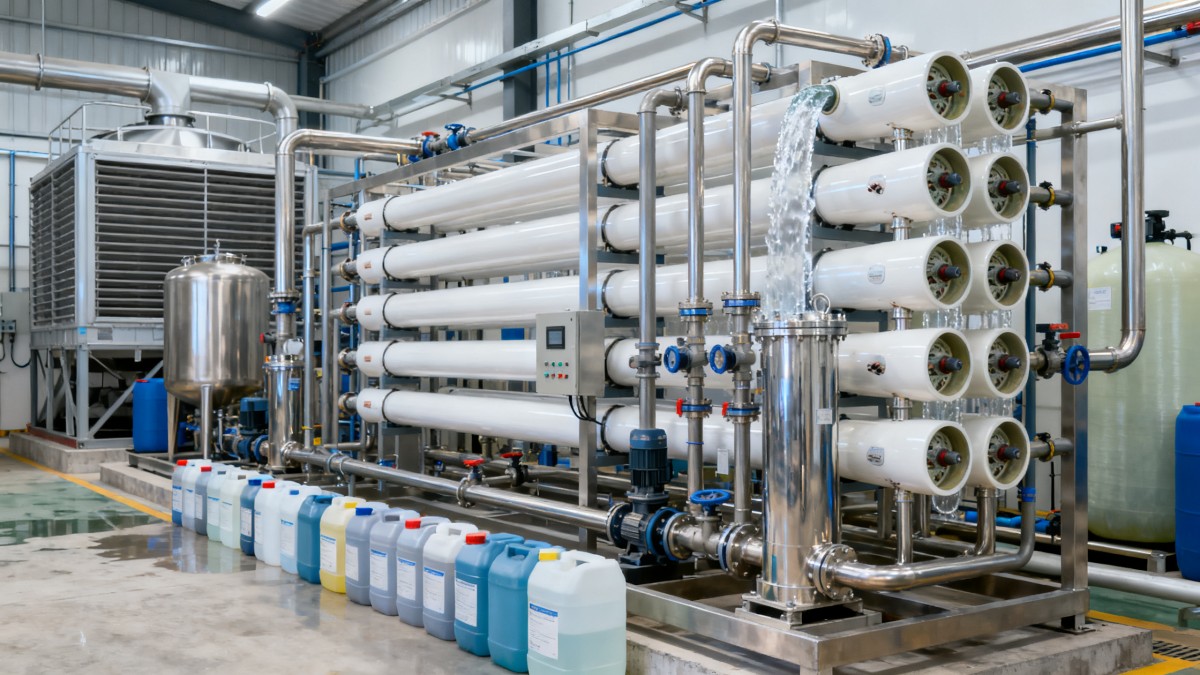
A useful comparison starts with the fact that water treatment chemicals are not bought for ownership. They are bought for outcomes such as scale control, corrosion inhibition, microbial management, sludge reduction, discharge compliance, and longer asset life.
In practice, two products with similar pricing may perform very differently once they enter a cooling tower, boiler, reverse osmosis system, wastewater line, or cleaning process. The cheaper option can require higher feed rates, more operator attention, or more frequent system cleaning.
Performance therefore should be measured by total treatment effect. That includes chemical efficiency, compatibility with system design, stability under variable loads, and the ability to keep water quality within target ranges.
The hidden cost behind a low price
The invoice value is only one layer. A weak formulation may trigger unplanned shutdowns, membrane fouling, corrosion damage, higher blowdown rates, energy loss, or failed audits. Those costs are usually much larger than the difference between suppliers.
That is why experienced buyers compare treatment cost per result, not just cost per drum, pail, or ton.
Why this issue is getting more attention
Water systems now sit under stronger pressure from regulation, ESG targets, operating cost control, and stricter quality assurance. The result is a market where water treatment chemicals must do more than solve one technical issue at a time.
For commercial and consumer-facing ecosystems, water quality can influence sanitation standards, surface finish consistency, utility costs, and environmental reporting. In sectors linked to G-BCE’s benchmarking focus, this can affect store operations, packaging processes, and supplier qualification.
There is also more scrutiny on formulation safety. Phosphate limits, discharge restrictions, worker handling concerns, and preference for lower-impact chemistries are pushing many buyers to review older specifications.
Global sourcing adds another layer
When chemicals are sourced across borders, comparison becomes more complex. Documents may appear complete, yet consistency between batches, raw material traceability, and technical support can vary sharply.
This is where a benchmarking mindset helps. Looking beyond nominal specifications makes it easier to judge whether a supplier can deliver repeatable treatment performance under real operating conditions.
Where water treatment chemicals create business value
The value of water treatment chemicals changes by application, but the commercial logic is similar. Better chemistry can lower the total cost of ownership while improving process stability.
In each case, the comparison should connect chemistry to a measurable operational result. That is the clearest way to avoid buying on price while paying later in maintenance, waste, or production loss.
How to evaluate formulations with more precision
The most reliable evaluation moves from label claims to performance evidence. Product type matters, but test conditions matter more.
Start with actual water conditions
Feedwater composition, pH, hardness, temperature, conductivity, microbial load, and system metallurgy all affect how water treatment chemicals behave. A formula that works well in one region may underperform elsewhere.
Compare dosage efficiency
A higher-priced chemical can still be the better value if it achieves the same control at a lower dose. Active content, feed stability, and dilution behavior should be checked early.
Look at treatment windows
Some formulations tolerate fluctuations in temperature, contamination, or load more effectively. Wider operating windows reduce the risk of sudden loss of control when conditions change.
Test operational side effects
Not all water treatment chemicals behave cleanly in mixed systems. Foam generation, odor, incompatibility with sensors, storage instability, or residues on equipment can create indirect cost.
The supplier comparison should go beyond technical data sheets
A strong data sheet is useful, but it is not the whole buying case. Supplier capability often determines whether performance remains consistent after approval.
- Check whether production quality is stable across batches and seasons.
- Review safety data, regulatory declarations, and wastewater-related compliance support.
- Ask for case evidence from similar systems, not just generic laboratory claims.
- Confirm packaging integrity, shelf life, and transport suitability for long routes.
- Assess whether field support is available when dosing or water conditions shift.
This is especially important in multi-site operations. Standardized water treatment chemicals may simplify purchasing, but they still need enough flexibility for local water variation.
A practical comparison model for sourcing decisions
A balanced scorecard often works better than a single-price ranking. It keeps technical performance visible during commercial negotiation.
When this model is used consistently, the discussion shifts from nominal price to measurable value. That tends to produce better long-term contracts and fewer surprises after implementation.
What to review before making the next comparison
A useful next step is to gather site-specific water data, current dosage records, maintenance history, and compliance requirements in one place. Without that baseline, even good suppliers will be compared on incomplete terms.
It also helps to separate critical systems from non-critical ones. Water treatment chemicals used in high-impact infrastructure deserve a tighter performance review than those in lower-risk utility loops.
For organizations operating across regions, benchmarking can add another layer of confidence. Comparing product performance, documentation quality, and supply consistency across markets supports more resilient sourcing decisions.
The strongest buying decisions usually come from a simple discipline: define the operating target, test water treatment chemicals against real conditions, and judge each option by total value delivered over time. That approach creates a clearer basis for supplier review, internal alignment, and future specification updates.
News Recommendations
 What records are needed for an ISO 9001 furniture factory audit?
![51a6ab95581761cc26f4318be6520c15]()
Aris Katos
Future of Carbide Coatings
 How to choose AI marketing tools that work with your existing CRM
![51a6ab95581761cc26f4318be6520c15]()
Aris Katos
Future of Carbide Coatings
 Do freight costs erase savings when buying retail fixtures wholesale?
![51a6ab95581761cc26f4318be6520c15]()
Aris Katos
Future of Carbide Coatings
 Can smart retail IT solutions for CPG work with legacy POS systems?
![51a6ab95581761cc26f4318be6520c15]()
Aris Katos
Future of Carbide Coatings
 What permit approvals belong in a commercial fitout planning checklist?
![51a6ab95581761cc26f4318be6520c15]()
Aris Katos
Future of Carbide Coatings
 How Does Commercial Design Differ from Interior Decoration?
![51a6ab95581761cc26f4318be6520c15]()
Aris Katos
Future of Carbide Coatings
 How Long Does It Take to Verify a Commercial Furniture Supplier?
![51a6ab95581761cc26f4318be6520c15]()
Aris Katos
Future of Carbide Coatings
 How to verify compostability claims from a bubble mailer manufacturer
![51a6ab95581761cc26f4318be6520c15]()
Aris Katos
Future of Carbide Coatings
 Will commercial smart infrastructure solutions work with legacy systems?
![51a6ab95581761cc26f4318be6520c15]()
Aris Katos
Future of Carbide Coatings
 How to verify a preschool furniture manufacturer's safety standards
![51a6ab95581761cc26f4318be6520c15]()
Aris Katos
Future of Carbide Coatings
 A technical comparison of semiconductor processes for power devices
![51a6ab95581761cc26f4318be6520c15]()
Aris Katos
Future of Carbide Coatings
 How to verify that a BIFMA ergonomic chair meets the standard
![51a6ab95581761cc26f4318be6520c15]()
Aris Katos
Future of Carbide Coatings
 How to use a CRI value chart when choosing LED lighting
![51a6ab95581761cc26f4318be6520c15]()
Aris Katos
Future of Carbide Coatings
 How to compare hotel aroma diffuser wholesale options by coverage area
![51a6ab95581761cc26f4318be6520c15]()
Aris Katos
Future of Carbide Coatings
 How to prevent O-rings and seals from failing in food equipment
![51a6ab95581761cc26f4318be6520c15]()
Aris Katos
Future of Carbide Coatings
 How to compare commercial linear light wholesale quotes accurately
![51a6ab95581761cc26f4318be6520c15]()
Aris Katos
Future of Carbide Coatings
 How to verify international standards compliance for Middle East exports
![51a6ab95581761cc26f4318be6520c15]()
Aris Katos
Future of Carbide Coatings
 How to select laboratory instruments for reproducible test results
![51a6ab95581761cc26f4318be6520c15]()
Aris Katos
Future of Carbide Coatings
 When does a sheet metal prototype reveal design flaws early?
![51a6ab95581761cc26f4318be6520c15]()
Aris Katos
Future of Carbide Coatings
 When PE air column bags reduce damage in e-commerce fulfillment
![51a6ab95581761cc26f4318be6520c15]()
Aris Katos
Future of Carbide Coatings
 How energy-efficient design reduces operating costs in retail lighting
![51a6ab95581761cc26f4318be6520c15]()
Aris Katos
Future of Carbide Coatings
 When commercial aluminum storefronts make sense for a retail renovation
![51a6ab95581761cc26f4318be6520c15]()
Aris Katos
Future of Carbide Coatings
 What makes LED lights durable in high-use commercial spaces?
![51a6ab95581761cc26f4318be6520c15]()
Aris Katos
Future of Carbide Coatings
 Which industry categories offer the strongest export potential in Latin America?
![51a6ab95581761cc26f4318be6520c15]()
Aris Katos
Future of Carbide Coatings
 How to choose an ultra bright waterproof window display for storefronts
![51a6ab95581761cc26f4318be6520c15]()
Aris Katos
Future of Carbide Coatings
 How to verify suppliers on a trade portal for global sourcing
![51a6ab95581761cc26f4318be6520c15]()
Aris Katos
Future of Carbide Coatings
 How RoHS requirements should be stated in product specifications
![51a6ab95581761cc26f4318be6520c15]()
Aris Katos
Future of Carbide Coatings
 What affects the lead time for custom retail counter displays?
![51a6ab95581761cc26f4318be6520c15]()
Aris Katos
Future of Carbide Coatings
 What consumer packaging USA importers need to verify before ordering
![51a6ab95581761cc26f4318be6520c15]()
Aris Katos
Future of Carbide Coatings
 How commercial spaces interiors shape customer dwell time
![51a6ab95581761cc26f4318be6520c15]()
Aris Katos
Future of Carbide Coatings
 How LED commercial lighting design reduces glare in retail spaces
![51a6ab95581761cc26f4318be6520c15]()
Aris Katos
Future of Carbide Coatings
 How industrial technology information improves RFID inventory accuracy
![51a6ab95581761cc26f4318be6520c15]()
Aris Katos
Future of Carbide Coatings
 When drip garden watering systems make more sense than sprinklers
![51a6ab95581761cc26f4318be6520c15]()
Aris Katos
Future of Carbide Coatings
 When category comparison improves sourcing for industrial applications
![51a6ab95581761cc26f4318be6520c15]()
Aris Katos
Future of Carbide Coatings
 Industrial application guidance for selecting the right LED lighting
![51a6ab95581761cc26f4318be6520c15]()
Aris Katos
Future of Carbide Coatings
 Which commercial architecture standards apply to European retail fit-outs?
![51a6ab95581761cc26f4318be6520c15]()
Aris Katos
Future of Carbide Coatings
 How to verify FDA requirements for maternity care products
![51a6ab95581761cc26f4318be6520c15]()
Aris Katos
Future of Carbide Coatings
 How to verify BPA-free claims for food-contact products
![51a6ab95581761cc26f4318be6520c15]()
Aris Katos
Future of Carbide Coatings
 When does a European wholesale supplier suit modular office projects?
![51a6ab95581761cc26f4318be6520c15]()
Aris Katos
Future of Carbide Coatings