BPA-Free Baby Bottles: Which Certifications Actually Matter?
Time
Click Count
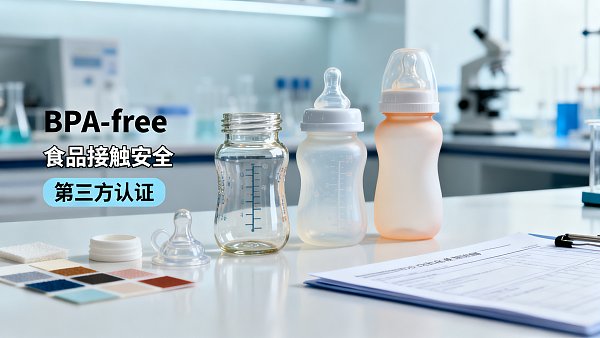
Choosing baby product BPA-free certification bottles often feels harder than it should. Shelves and product pages are filled with reassuring labels, yet not every badge carries the same practical meaning.
For families comparing baby bottles, the real question is not whether a package says “BPA-free.” The question is which certifications confirm safer materials, cleaner production, and credible compliance.
This matters even more in a global retail market shaped by cross-border sourcing, stricter chemical rules, and rising expectations around transparency. That is where structured benchmarking, such as G-BCE’s standards-focused view of consumer supply chains, becomes useful context rather than marketing noise.
Why BPA-Free Claims Need Closer Attention

BPA, or bisphenol A, is a chemical once widely used in polycarbonate plastics and epoxy resins. Concerns grew because BPA can migrate into food or liquids under certain conditions.
That led many brands to replace BPA and highlight the change on packaging. However, “BPA-free” by itself is usually a product claim, not a complete safety verdict.
Some bottles are made from polypropylene, silicone, glass, or newer copolyesters. Each material has different performance, migration, heat resistance, and durability profiles.
So when evaluating baby product bpa-free certification bottles, the goal should be broader than avoiding one chemical. A better approach is to check whether the bottle also meets food-contact, migration, and manufacturing standards.
Which Certifications Actually Matter
There is no single universal certificate that settles everything. Reliable assessment usually comes from a combination of regulatory compliance, chemical testing, and quality-system evidence.
Food-contact compliance comes first
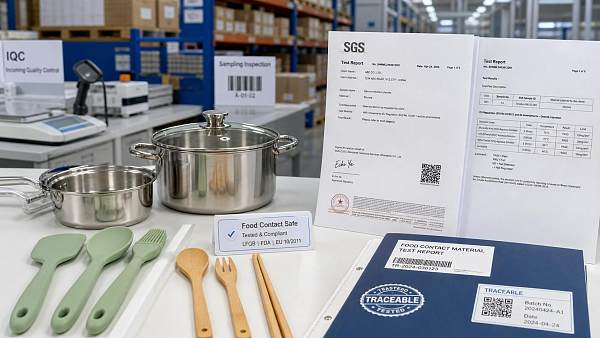
For baby bottles, the most meaningful baseline is compliance with food-contact regulations in the market where the product is sold. This is far more useful than decorative trust marks.
- In the United States, look for compliance with FDA food-contact requirements.
- In the European Union, look for relevant EU food-contact regulations and migration testing.
- In some markets, LFGB-related testing is also used as a stricter quality signal for materials touching food.
These standards help verify that materials are suitable for contact with milk, water, or formula, especially when bottles are warmed or sterilized.
Third-party chemical testing adds credibility
Independent lab reports matter because they test actual product samples. They can confirm BPA-free status and screen for other substances of concern.
This is especially relevant when baby product bpa-free certification bottles are imported through long supply chains. A clean test report reduces uncertainty created by multiple suppliers, molds, additives, and packaging stages.
Quality-system certifications support consistency
ISO 9001 is not a baby safety certificate. Still, it can indicate that a factory follows repeatable quality controls, documentation, and corrective processes.
For baby bottles, this matters because one compliant sample is not enough. Consistency across production batches is what protects real-world product quality.
Claims about broader chemical safety need detail
Some brands promote bottles as free from BPA, BPS, phthalates, PVC, lead, or latex. Those claims can be useful, but they should be supported by testing scope, not packaging language alone.
In practice, the strongest baby product bpa-free certification bottles combine clear material disclosure with named regulations and accessible third-party reports.
What Matters More Than a Badge on the Box
A recognizable icon can help, but several product details often say more about safety than a crowded label panel.
This wider lens reflects a broader industry shift. Safety is no longer judged only by a front-label claim. It is judged by transparency across design, sourcing, compliance, and after-sale accountability.
How Global Supply Chains Affect Bottle Safety
Baby bottles may be designed in one region, molded in another, assembled elsewhere, and sold through digital marketplaces worldwide. That complexity can blur the meaning of “certified.”
A bottle may use compliant resin but still fail if colorants, seals, printing inks, or packaging components introduce unwanted risks. That is why serious evaluation looks at the full product system.
G-BCE’s cross-sector approach is relevant here. In consumer goods supply chains, strong documentation and standards benchmarking help separate verified performance from vague reassurance.
For shoppers, that translates into a simple principle: the more specific the compliance evidence, the more confidence the product deserves.
Common Bottle Types and Their Certification Questions
Not all baby product bpa-free certification bottles raise the same concerns. Material choice changes what should be checked more closely.
Plastic bottles
These are lightweight and common. Focus on food-contact compliance, heat tolerance, odor resistance, and confirmation that BPA-free claims are backed by testing.
Glass bottles
Glass avoids many plastic-related concerns, but attention should shift to thermal shock resistance, protective sleeves, nipple materials, and component-level compliance.
Silicone bottles or components
Silicone is valued for softness and heat stability. Here, curing quality, odor, extractables, and food-grade testing become more important than a basic BPA-free statement.
A Practical Way to Compare Options
When comparing baby product bpa-free certification bottles, a short checklist works better than chasing the longest list of claims.
- Check whether the brand names the exact standards or regulations it meets.
- See if third-party test reports are available, current, and product-specific.
- Confirm the bottle material and nipple material separately.
- Review instructions for sterilizing, heating, and replacing worn parts.
- Be cautious with vague phrases such as “tested safe” without a named standard.
Usually, the better product page is the one that explains less theatrically and documents more clearly. Clear evidence is often quieter than marketing.
What to Do Next When Labels Look Similar
If several bottles all claim to be BPA-free, narrow the decision using verifiable details. Start with food-contact compliance, then move to migration testing, material disclosure, and care instructions.
That approach helps turn baby product bpa-free certification bottles from a confusing search term into a practical comparison framework. It also aligns with a broader market trend toward measurable quality, not symbolic safety.
The next useful step is to build a simple shortlist, compare certifications line by line, and keep only the options that show traceable evidence. When the documentation is clear, the decision usually becomes clear as well.
News Recommendations
 Global Exploration Trends Shaping New Market Entry in 2026
![51a6ab95581761cc26f4318be6520c15]()
Aris Katos
Future of Carbide Coatings
 How to Use an Exporters Directory Without Missing Better Pricing
![51a6ab95581761cc26f4318be6520c15]()
Aris Katos
Future of Carbide Coatings
 OEM Supplier Assessment Checklist for Quality and Delivery Risk
![51a6ab95581761cc26f4318be6520c15]()
Aris Katos
Future of Carbide Coatings
 Water Treatment Chemicals: How to Compare Cost vs Performance
![51a6ab95581761cc26f4318be6520c15]()
Aris Katos
Future of Carbide Coatings
 BPA-Free Baby Bottles: Which Certifications Actually Matter?
![51a6ab95581761cc26f4318be6520c15]()
Aris Katos
Future of Carbide Coatings
 Aluminum Surge Pressures Retail Fixture Export Costs
![51a6ab95581761cc26f4318be6520c15]()
Aris Katos
Future of Carbide Coatings
 SABER Update Adds Arabic UI Proof for Digital Signage
![51a6ab95581761cc26f4318be6520c15]()
Aris Katos
Future of Carbide Coatings
 Southeast Asia Port Delays Extend RFID Export Lead Times
![51a6ab95581761cc26f4318be6520c15]()
Aris Katos
Future of Carbide Coatings
 CPSC Tightens PFAS Labeling Rules for Kitchenware
![51a6ab95581761cc26f4318be6520c15]()
Aris Katos
Future of Carbide Coatings
 EU REACH SVHC Update Puts Smart Lighting Controls on Notice
![51a6ab95581761cc26f4318be6520c15]()
Aris Katos
Future of Carbide Coatings
 Manufacturing Precision Tools: Signs Your Tolerance Is Off
![51a6ab95581761cc26f4318be6520c15]()
Aris Katos
Future of Carbide Coatings
 Office Acoustic Panels: How to Compare Noise Control and Cost
![51a6ab95581761cc26f4318be6520c15]()
Aris Katos
Future of Carbide Coatings
 Sustainable Agriculture Practices That Lower Compliance Risk
![51a6ab95581761cc26f4318be6520c15]()
Aris Katos
Future of Carbide Coatings
 Restaurant POS Uptime Data: What to Track Before You Upgrade
![51a6ab95581761cc26f4318be6520c15]()
Aris Katos
Future of Carbide Coatings
 How Global Chains Enter Europe Without Costly Market Missteps
![51a6ab95581761cc26f4318be6520c15]()
Aris Katos
Future of Carbide Coatings
 Vietnam Requires QR Traceability Labels for Imported Architectural LED Lighting
![51a6ab95581761cc26f4318be6520c15]()
Aris Katos
Future of Carbide Coatings
 Saudi Rule Requires Arabic OS in Digital Signage
![51a6ab95581761cc26f4318be6520c15]()
Aris Katos
Future of Carbide Coatings
 US West Coast Freight Spike Raises POS Export Costs
![51a6ab95581761cc26f4318be6520c15]()
Aris Katos
Future of Carbide Coatings
 FDA Tightens Food-Contact Documentation for Home Goods
![51a6ab95581761cc26f4318be6520c15]()
Aris Katos
Future of Carbide Coatings
 EU Sets EN 13432 Gate for Biodegradable Packaging
![51a6ab95581761cc26f4318be6520c15]()
Aris Katos
Future of Carbide Coatings
 Tempered Glass Jewelry Display: What Affects Cost and Durability
![51a6ab95581761cc26f4318be6520c15]()
Aris Katos
Future of Carbide Coatings
 Tourism Supply Chain Trends Shaping Cost and Service in 2026
![51a6ab95581761cc26f4318be6520c15]()
Aris Katos
Future of Carbide Coatings
 Retail Benchmarking for Stores: Which Metrics Actually Matter
![51a6ab95581761cc26f4318be6520c15]()
Aris Katos
Future of Carbide Coatings
 OEM Consumer Electronics Quick Installation Guide: Common Setup Mistakes
![51a6ab95581761cc26f4318be6520c15]()
Aris Katos
Future of Carbide Coatings
 How to Evaluate a Data Transparency Platform for Supplier Risk
![51a6ab95581761cc26f4318be6520c15]()
Aris Katos
Future of Carbide Coatings
 RFID Chip Shortage Extends Delivery Cycles to 14 Weeks
![51a6ab95581761cc26f4318be6520c15]()
Aris Katos
Future of Carbide Coatings
 Japan Expands Recycling Code Rules for Home Goods
![51a6ab95581761cc26f4318be6520c15]()
Aris Katos
Future of Carbide Coatings
 CPSC Alert Tightens DEHP Checks for Soft Decor Toys
![51a6ab95581761cc26f4318be6520c15]()
Aris Katos
Future of Carbide Coatings
 EU REACH Adds Lead Solder Ban for Architectural LED Lighting
![51a6ab95581761cc26f4318be6520c15]()
Aris Katos
Future of Carbide Coatings
 Canada Requires ISED-EMC 2026 Certification for Digital Signage
![51a6ab95581761cc26f4318be6520c15]()
Aris Katos
Future of Carbide Coatings
 Manufacturer Capability Assessment Checklist for Quality and Delivery Risk
![51a6ab95581761cc26f4318be6520c15]()
Aris Katos
Future of Carbide Coatings
 Retail Benchmarking Analysis: Which Metrics Actually Drive Margin
![51a6ab95581761cc26f4318be6520c15]()
Aris Katos
Future of Carbide Coatings
 Modular Coworking Furniture Layouts That Improve Space Flexibility
![51a6ab95581761cc26f4318be6520c15]()
Aris Katos
Future of Carbide Coatings
 Interactive Information Kiosk OEM Custom Design: Key Features to Compare
![51a6ab95581761cc26f4318be6520c15]()
Aris Katos
Future of Carbide Coatings
 Product Knowledge Resources: What to Include in an Application Guide
![51a6ab95581761cc26f4318be6520c15]()
Aris Katos
Future of Carbide Coatings
 Vietnam Mandates Local Payment SDKs in POS Kiosks
![51a6ab95581761cc26f4318be6520c15]()
Aris Katos
Future of Carbide Coatings
 Asia-Europe Spot Rates Jump 28%, Pressuring Fulfillment Pack Costs
![51a6ab95581761cc26f4318be6520c15]()
Aris Katos
Future of Carbide Coatings
 SASO Makes IoT Pre-Registration Mandatory for Smart Lighting Controls
![51a6ab95581761cc26f4318be6520c15]()
Aris Katos
Future of Carbide Coatings
 FDA guidance update raises SML filing demands for kitchenware
![51a6ab95581761cc26f4318be6520c15]()
Aris Katos
Future of Carbide Coatings