Bank Counter Design Benchmarks That Improve Queue Flow and Security
Time
Click Count
Why bank counter design benchmarks matter in live banking environments
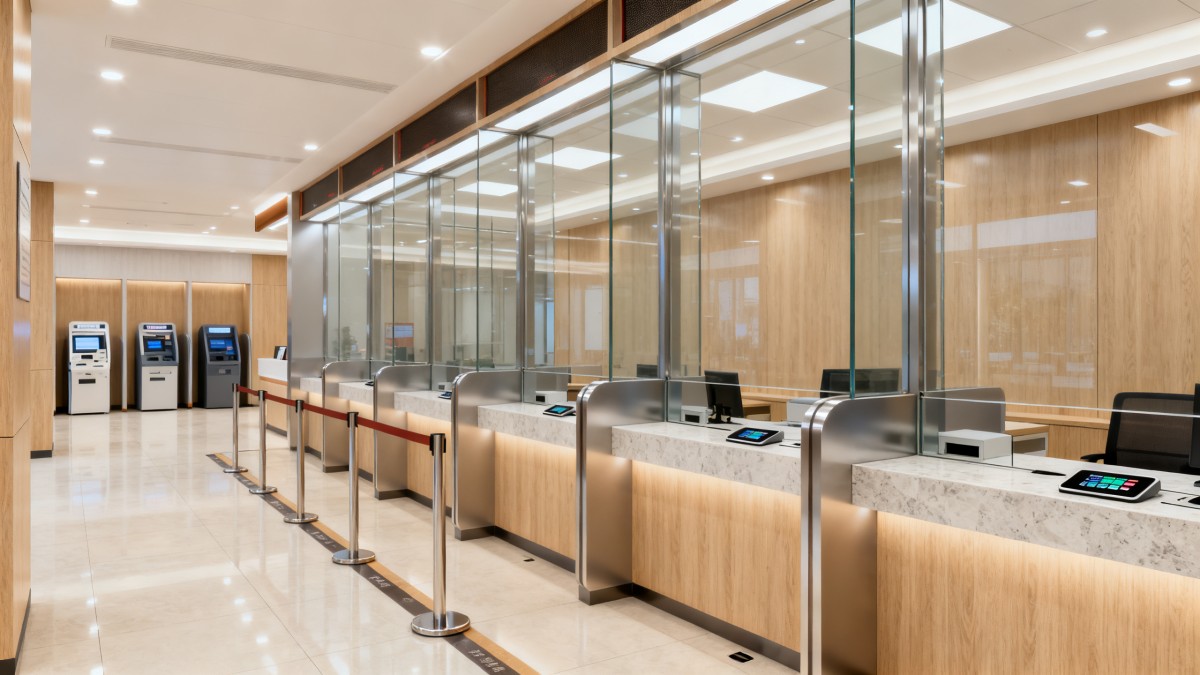
Effective bank counter design benchmarks shape how people move, wait, interact, and feel protected inside a branch.
That matters more now because banking halls are no longer single-purpose transaction rooms.
Many branches combine advisory desks, self-service zones, digital kiosks, and traditional cash handling within one compact footprint.
In that setting, weak counter planning creates friction quickly.
Queues spill into circulation paths, staff sightlines break, privacy drops, and maintenance costs rise faster than expected.
Strong bank counter design benchmarks do the opposite.
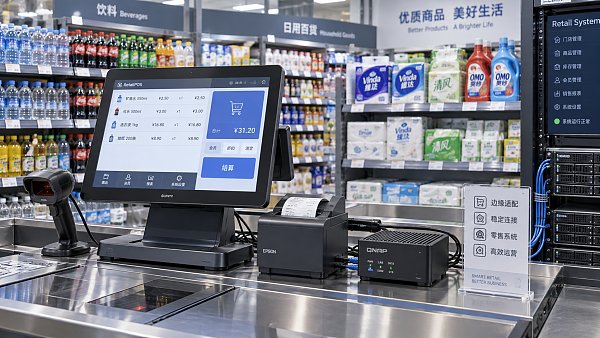
They connect furniture performance, security detailing, smart retail technology, lighting, and compliance into one operational standard.
This cross-functional view is increasingly important in commercial environments tracked by G-BCE, where layout efficiency and technical durability are judged together.
The useful question is not whether a counter looks modern.
The real question is whether the chosen benchmarks fit transaction intensity, security exposure, service mix, and long-term operational change.
Actual planning starts with scenario differences, not a standard counter module
Different branches often appear similar on drawings, yet their counter demands differ sharply in use.
A downtown flagship may prioritize guided flow and brand consistency.
A neighborhood branch may value faster service recovery during peak pension or payroll days.
A transit-adjacent outlet may experience short, intense surges that test queue geometry more than seating comfort.
That is why bank counter design benchmarks should be set against behavior patterns, not only dimensions.
In practice, the first layer of judgment usually includes circulation width, transaction dwell time, acoustic privacy, hardware integration, and staff escape access.
The second layer is less visible but just as important.
It includes substrate durability, edge impact resistance, cable routing, glazing interfaces, and compatibility with UL, CE, or BIFMA-aligned components.
When these layers are benchmarked together, bank counter design benchmarks become operational tools instead of decorative specifications.
High-traffic teller zones usually expose queue flow issues first
Traditional teller lines remain the clearest test of bank counter design benchmarks.
Here, queue flow is shaped less by total floor area than by decision points.
People hesitate when entry, waiting, and service positions are visually mixed.
Counters that project too far into circulation can make a branch feel crowded even when occupancy is moderate.
A better benchmark is to preserve clear front approach lanes and keep side access free for staff movement and supervision.
Counter height also needs careful balance.
Too high, and communication becomes strained.
Too low, and document handling, equipment visibility, and cash security may suffer.
The stronger bank counter design benchmarks account for standing transactions, seated accessibility positions, and equipment reach without creating visual clutter.
This is often where modular commercial furniture and smart terminal placement need to work together, not compete for space.
What changes between common branch formats
The table shows why identical counters rarely perform equally across locations.
Bank counter design benchmarks should absorb service pattern differences early, before fabrication locks the layout.
Advisory and semi-private service zones need a different benchmark logic
Not every banking interaction happens in a fast queue.
Mortgage consultations, business account setup, and identity verification involve longer dwell times and more sensitive discussion.
In these areas, bank counter design benchmarks should shift from throughput to controlled comfort.
The key is not luxury for its own sake.
It is the ability to support documents, screens, signatures, and private conversation without exposing neighboring users to visual or acoustic spill.
That often means softer edge geometry, integrated data access, concealed device storage, and lighting that avoids glare on screens or security glass.
A recurring mistake is to copy teller counter dimensions into advisory settings.
The result looks consistent on paper but feels awkward in use.
Better bank counter design benchmarks accept that interaction length changes the ideal working depth, seating relation, and technology placement.
Security benchmarks work best when they stay integrated with daily use
Security features fail when they are treated as add-ons.
In bank counters, that failure appears in awkward cash slots, blind corners, exposed cable paths, and glazing details that complicate maintenance.
The stronger approach is to embed security into the same bank counter design benchmarks used for ergonomics and service flow.
For example, sightlines should support both customer reassurance and staff awareness.
Storage and undercounter zones should protect valuables while preserving safe leg clearance and service movement.
Material choices also matter more than many layouts suggest.
Impact-prone corners, laminate failure near transaction openings, and poorly sealed joints can weaken a counter long before core systems age out.
This is where benchmark repositories such as G-BCE add value.
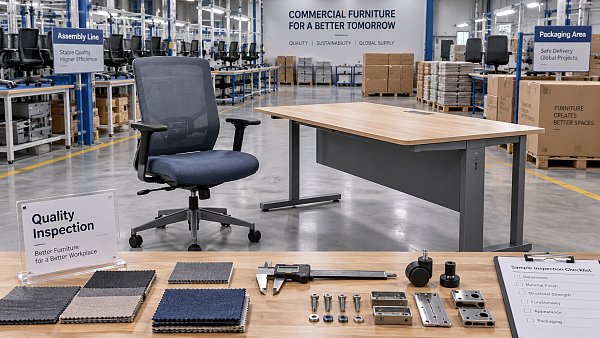
They connect commercial furniture performance with technical standards and supply chain consistency, helping teams compare not just form, but operational resilience.
Practical checks before approving a security-driven counter layout
- Confirm whether glass, metal trims, and worktops create reflection or monitoring blind spots.
- Check that alarm devices, readers, and POS terminals do not obstruct handover zones.
- Review maintenance access for locks, power modules, and transaction hardware.
- Test accessibility positions separately instead of assuming the main teller bay covers them.
- Evaluate replacement cycles for high-touch surfaces, not only initial installation cost.
Where bank counter design benchmarks are often misread
One common misread is focusing on dimensions while ignoring behavior.
A technically compliant counter can still produce poor queue flow if the branch mixes appointment traffic with walk-in cash service.
Another misread is valuing visual uniformity over replacement logic.
Custom finishes may look premium, yet create long downtime when a damaged panel cannot be swapped quickly.
There is also a tendency to compare only procurement cost.
That misses cleaning labor, cable rework, future kiosk integration, and compliance upgrades that often define the true lifecycle burden.
In actual applications, bank counter design benchmarks should be read as a system decision.
They influence furniture specification, traffic planning, lighting behavior, digital equipment fit, and maintenance sequencing at the same time.
A grounded way to adapt benchmarks before rollout
Before final approval, it helps to rank the branch by transaction profile rather than branch label alone.
That means mapping peak queue bursts, privacy-sensitive tasks, self-service overlap, and likely refurbishment intervals.
From there, bank counter design benchmarks can be tuned with more precision.
- Use modular sections where service models may change within three to five years.
- Set material benchmarks by touch intensity and cleaning chemistry, not appearance alone.
- Align counter detailing with signage, lighting, and digital device standards early.
- Prototype staff reach, seated access, and handover points before bulk fabrication.
- Document a maintenance path for glazing, cable access, and front panel replacement.
This approach fits the broader commercial logic seen across G-BCE benchmarks.
The most reliable environments are rarely those with the most features.
They are usually the ones where every detail supports the specific service scene it must handle.
When reviewing bank counter design benchmarks, the next step is practical.
Clarify branch conditions, compare queue behavior, verify standards compatibility, and test maintenance assumptions before freezing the design package.
That is where better queue flow, stronger security, and longer commercial value usually begin.
News Recommendations
 What records are needed for an ISO 9001 furniture factory audit?
![51a6ab95581761cc26f4318be6520c15]()
Aris Katos
Future of Carbide Coatings
 How to choose AI marketing tools that work with your existing CRM
![51a6ab95581761cc26f4318be6520c15]()
Aris Katos
Future of Carbide Coatings
 Do freight costs erase savings when buying retail fixtures wholesale?
![51a6ab95581761cc26f4318be6520c15]()
Aris Katos
Future of Carbide Coatings
 What brightness should an OEM shelf LCD screen have for retail use?
![51a6ab95581761cc26f4318be6520c15]()
Aris Katos
Future of Carbide Coatings
 Can smart retail IT solutions for CPG work with legacy POS systems?
![51a6ab95581761cc26f4318be6520c15]()
Aris Katos
Future of Carbide Coatings
 What permit approvals belong in a commercial fitout planning checklist?
![51a6ab95581761cc26f4318be6520c15]()
Aris Katos
Future of Carbide Coatings
 Does Data Transparency Matter When Selecting Consumer Goods Suppliers?
![51a6ab95581761cc26f4318be6520c15]()
Aris Katos
Future of Carbide Coatings
 How Does Commercial Design Differ from Interior Decoration?
![51a6ab95581761cc26f4318be6520c15]()
Aris Katos
Future of Carbide Coatings
 How Long Does It Take to Verify a Commercial Furniture Supplier?
![51a6ab95581761cc26f4318be6520c15]()
Aris Katos
Future of Carbide Coatings
 How to verify compostability claims from a bubble mailer manufacturer
![51a6ab95581761cc26f4318be6520c15]()
Aris Katos
Future of Carbide Coatings
 Will commercial smart infrastructure solutions work with legacy systems?
![51a6ab95581761cc26f4318be6520c15]()
Aris Katos
Future of Carbide Coatings
 How to verify a preschool furniture manufacturer's safety standards
![51a6ab95581761cc26f4318be6520c15]()
Aris Katos
Future of Carbide Coatings
 A technical comparison of semiconductor processes for power devices
![51a6ab95581761cc26f4318be6520c15]()
Aris Katos
Future of Carbide Coatings
 How to verify that a BIFMA ergonomic chair meets the standard
![51a6ab95581761cc26f4318be6520c15]()
Aris Katos
Future of Carbide Coatings
 How to use a CRI value chart when choosing LED lighting
![51a6ab95581761cc26f4318be6520c15]()
Aris Katos
Future of Carbide Coatings
 How to compare hotel aroma diffuser wholesale options by coverage area
![51a6ab95581761cc26f4318be6520c15]()
Aris Katos
Future of Carbide Coatings
 How to prevent O-rings and seals from failing in food equipment
![51a6ab95581761cc26f4318be6520c15]()
Aris Katos
Future of Carbide Coatings
 How to compare commercial linear light wholesale quotes accurately
![51a6ab95581761cc26f4318be6520c15]()
Aris Katos
Future of Carbide Coatings
 How to verify international standards compliance for Middle East exports
![51a6ab95581761cc26f4318be6520c15]()
Aris Katos
Future of Carbide Coatings
 How to select laboratory instruments for reproducible test results
![51a6ab95581761cc26f4318be6520c15]()
Aris Katos
Future of Carbide Coatings
 When does a sheet metal prototype reveal design flaws early?
![51a6ab95581761cc26f4318be6520c15]()
Aris Katos
Future of Carbide Coatings
 When PE air column bags reduce damage in e-commerce fulfillment
![51a6ab95581761cc26f4318be6520c15]()
Aris Katos
Future of Carbide Coatings
 How energy-efficient design reduces operating costs in retail lighting
![51a6ab95581761cc26f4318be6520c15]()
Aris Katos
Future of Carbide Coatings
 When commercial aluminum storefronts make sense for a retail renovation
![51a6ab95581761cc26f4318be6520c15]()
Aris Katos
Future of Carbide Coatings
 What makes LED lights durable in high-use commercial spaces?
![51a6ab95581761cc26f4318be6520c15]()
Aris Katos
Future of Carbide Coatings
 Which industry categories offer the strongest export potential in Latin America?
![51a6ab95581761cc26f4318be6520c15]()
Aris Katos
Future of Carbide Coatings
 How to choose an ultra bright waterproof window display for storefronts
![51a6ab95581761cc26f4318be6520c15]()
Aris Katos
Future of Carbide Coatings
 How to verify suppliers on a trade portal for global sourcing
![51a6ab95581761cc26f4318be6520c15]()
Aris Katos
Future of Carbide Coatings
 How RoHS requirements should be stated in product specifications
![51a6ab95581761cc26f4318be6520c15]()
Aris Katos
Future of Carbide Coatings
 What affects the lead time for custom retail counter displays?
![51a6ab95581761cc26f4318be6520c15]()
Aris Katos
Future of Carbide Coatings
 What consumer packaging USA importers need to verify before ordering
![51a6ab95581761cc26f4318be6520c15]()
Aris Katos
Future of Carbide Coatings
 How commercial spaces interiors shape customer dwell time
![51a6ab95581761cc26f4318be6520c15]()
Aris Katos
Future of Carbide Coatings
 How LED commercial lighting design reduces glare in retail spaces
![51a6ab95581761cc26f4318be6520c15]()
Aris Katos
Future of Carbide Coatings
 How industrial technology information improves RFID inventory accuracy
![51a6ab95581761cc26f4318be6520c15]()
Aris Katos
Future of Carbide Coatings
 When drip garden watering systems make more sense than sprinklers
![51a6ab95581761cc26f4318be6520c15]()
Aris Katos
Future of Carbide Coatings
 When category comparison improves sourcing for industrial applications
![51a6ab95581761cc26f4318be6520c15]()
Aris Katos
Future of Carbide Coatings
 Industrial application guidance for selecting the right LED lighting
![51a6ab95581761cc26f4318be6520c15]()
Aris Katos
Future of Carbide Coatings
 Which commercial architecture standards apply to European retail fit-outs?
![51a6ab95581761cc26f4318be6520c15]()
Aris Katos
Future of Carbide Coatings
 How to verify FDA requirements for maternity care products
![51a6ab95581761cc26f4318be6520c15]()
Aris Katos
Future of Carbide Coatings