CRI 80 vs 90: Which Color Rendering Level Fits Your Lighting Project?
Time
Click Count
The choice between CRI 80 vs 90 affects more than technical compliance. In retail, hospitality, offices, and display environments, it shapes how finishes, fabrics, food, packaging, and branded surfaces are actually perceived.
That makes the discussion commercially relevant. A lighting schedule may meet lumen and energy targets, yet still weaken product appeal if color rendering is mismatched to the visual task.
Across global fit-out and sourcing decisions, color quality now sits beside efficiency, durability, and certification. It is part of the wider shift toward measurable experience standards in modern commercial spaces.
What CRI really tells you
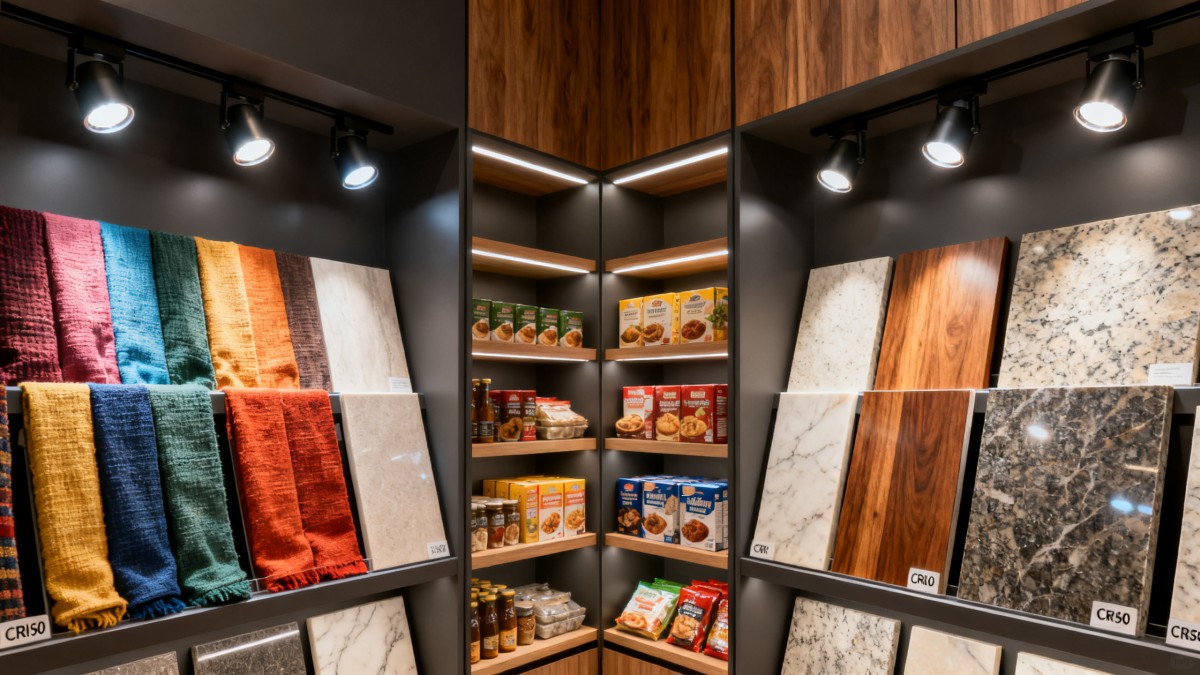
CRI, or Color Rendering Index, describes how faithfully a light source reveals colors compared with a reference source. In simple terms, it indicates whether objects look natural, dull, warm-shifted, or slightly distorted.
In the CRI 80 vs 90 comparison, both levels are considered usable for commercial projects. The difference is not trivial, though. CRI 90 usually presents colors with greater richness and nuance.
CRI 80 often performs well where general visibility matters more than fine color judgment. CRI 90 becomes more valuable where surface appearance, merchandise accuracy, or material selection influence business outcomes.
Still, CRI should not be read in isolation. Color temperature, beam control, glare management, dimming behavior, and consistency across batches all influence the final visual result.
Why the CRI 80 vs 90 question matters now
Commercial environments have become more visually demanding. Stores double as brand stages, hospitality venues rely on atmosphere, and offices are expected to support comfort, productivity, and material quality at the same time.
At the supply-chain level, the issue is equally practical. Imported fixtures may look similar on paper, yet produce noticeably different results once installed across multiple regions or store formats.
This is where benchmarking becomes useful. Platforms such as G-BCE frame lighting within a wider ecosystem that includes commercial furniture, smart retail technology, consumer goods logistics, and sustainable presentation standards.
Viewed that way, CRI 80 vs 90 is not a narrow lamp specification. It is part of a broader decision about how built environments support product perception, customer trust, and long-term operational consistency.
Where CRI 80 is often the right choice
CRI 80 is widely used because it balances acceptable color quality with energy performance and budget control. For many functional spaces, that balance is appropriate rather than compromised.
It is commonly suitable in areas where occupants need clean, dependable illumination, but not critical color discrimination.
- Back-of-house corridors and service zones
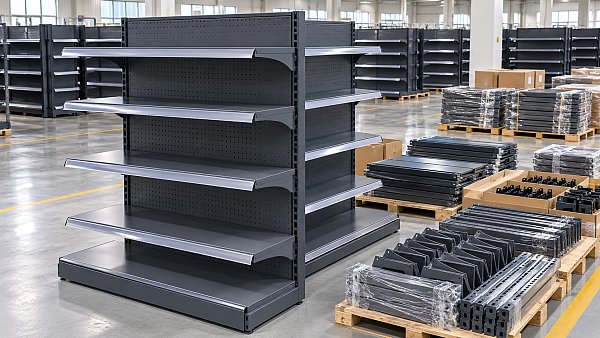
- General warehouse or stock handling areas
- Parking, circulation, and utility spaces
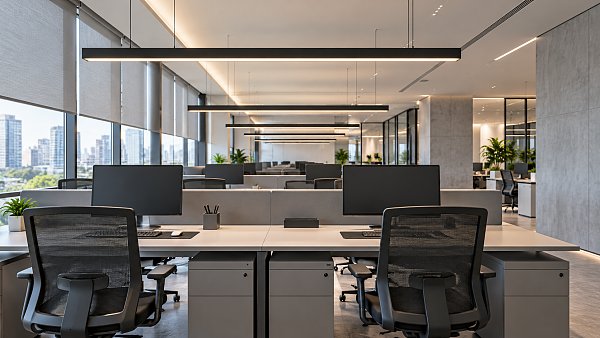
- Basic open office lighting with limited material review
- Large-scale projects with strict capex targets
In these cases, the visual penalty may be minimal. White walls, neutral flooring, cartons, metal shelving, and standard signage usually do not require premium color rendering to perform effectively.
Another reason CRI 80 remains relevant is scale. When rollouts span many sites, small fixture cost differences can become material. Maintenance planning also tends to favor proven, standardized specifications.
When CRI 90 earns its premium
CRI 90 is usually justified when color influences selection, mood, trust, or perceived quality. It helps reveal subtle distinctions in texture and hue that lower rendering levels may flatten.
This matters in spaces where customers compare products visually, or where materials must look intentional under controlled lighting conditions.
- Fashion retail with fabric, leather, or cosmetics
- Fresh food and premium grocery display
- Hotels, lounges, and dining areas
- Showrooms featuring wood, stone, paint, or metal finishes
- Brand environments where packaging color must remain consistent
In the CRI 80 vs 90 decision, these are the places where CRI 90 tends to protect value. Better rendering can reduce disappointment between display and purchase, especially for high-touch or premium-positioned goods.
It can also support specification reviews. When samples are assessed under higher-quality lighting, decisions about upholstery, laminates, finishes, and printed materials become more reliable.
A practical comparison across project conditions
The most useful way to evaluate CRI 80 vs 90 is to match rendering level with business risk, not just with fixture price.
This is why mixed strategies are common. A project may use CRI 80 in circulation zones and CRI 90 in display, hospitality, or feature areas. That approach often improves value without over-specifying every fixture.
What to check beyond the headline CRI number
The CRI 80 vs 90 conversation becomes misleading when teams stop at a single number. Several supporting checks can prevent expensive surprises after installation.
Spectral quality and red rendering
Two luminaires can share the same CRI rating but render reds, skin tones, timber, and food differently. Additional data, including R9 performance, often explains those differences.
Color consistency across batches
In multi-site programs, consistency matters as much as peak quality. Tight binning and stable manufacturing control reduce visible variation between stores, rooms, or replacement orders.
Interaction with materials
Gloss laminates, textured fabrics, recycled packaging, matte coatings, and metallic finishes each respond differently under light. Mock-ups remain essential, especially where sustainability materials are involved.
Compliance and lifecycle implications
Projects aligned with UL, CE, or other international benchmarks should assess CRI alongside efficacy, thermal behavior, driver quality, and service life. A visually strong luminaire still needs operational credibility.
How to decide with fewer assumptions
A useful decision process starts with the visual task. Ask what must look accurate, what only needs to look clean, and where appearance affects revenue, comfort, or approval speed.
Then review the project by zone rather than by building. Most environments contain areas with different visual priorities, so a single CRI standard may be either excessive or insufficient.
- Map customer-facing and non-customer-facing zones separately
- Test key materials under proposed color temperatures
- Compare fixture samples side by side, not only datasheets
- Check CRI with efficacy, lifespan, and replacement consistency
- Reserve higher CRI where it changes outcomes, not just specifications
That method supports better sourcing discipline. It also fits the wider G-BCE view that commercial environments perform best when technical benchmarks are tied to real operational and experiential needs.
A balanced view of CRI 80 vs 90
There is no universal winner in CRI 80 vs 90. CRI 80 remains appropriate for many efficient, large-scale, and low-sensitivity applications. CRI 90 becomes the stronger choice where color truth supports perception, trust, and design intent.
The better question is not which rating sounds higher. It is which level fits the visual risk of each zone, the material palette, the brand standard, and the long-term maintenance model.
For the next step, build a short evaluation matrix around viewing task, material sensitivity, budget range, and consistency requirements. That usually reveals whether CRI 80, CRI 90, or a layered specification is the better project answer.
News Recommendations
 How to verify Zigbee compatibility when sourcing lighting sensors
![51a6ab95581761cc26f4318be6520c15]()
Aris Katos
Future of Carbide Coatings
 How do packaging customization options affect minimum order quantities in Europe?
![51a6ab95581761cc26f4318be6520c15]()
Aris Katos
Future of Carbide Coatings
 Transom to Acquire Cree LED in Commercial Lighting Ownership Change
![51a6ab95581761cc26f4318be6520c15]()
Aris Katos
Future of Carbide Coatings
 How to plan customer flow in commercial design planning
![51a6ab95581761cc26f4318be6520c15]()
Aris Katos
Future of Carbide Coatings
 USTR Urged to Permanently Suspend Fees on China-Linked Ships
![51a6ab95581761cc26f4318be6520c15]()
Aris Katos
Future of Carbide Coatings
 How to choose comparable stores for retail benchmarking
![51a6ab95581761cc26f4318be6520c15]()
Aris Katos
Future of Carbide Coatings
 How does anchoring affect modular building wind load resistance?
![51a6ab95581761cc26f4318be6520c15]()
Aris Katos
Future of Carbide Coatings
 Amazon Raises European FBA Surcharge to 2% in Ten Markets From November 2
![51a6ab95581761cc26f4318be6520c15]()
Aris Katos
Future of Carbide Coatings
 How to verify a BPA-free test report for baby products
![51a6ab95581761cc26f4318be6520c15]()
Aris Katos
Future of Carbide Coatings
 China's Mandatory Classroom Lighting Standard GB 7793-2025 Takes Effect November 1
![51a6ab95581761cc26f4318be6520c15]()
Aris Katos
Future of Carbide Coatings
 How order volume affects the price of wholesale poly mailers
![51a6ab95581761cc26f4318be6520c15]()
Aris Katos
Future of Carbide Coatings
 US Imposes 50% Tariff on Certain Canadian PET Resin Imports
![51a6ab95581761cc26f4318be6520c15]()
Aris Katos
Future of Carbide Coatings
 How to read the maximum ratings in a semiconductor datasheet
![51a6ab95581761cc26f4318be6520c15]()
Aris Katos
Future of Carbide Coatings
 University of Maryland Develops Bio-Based Packaging to Extend Avocado and Cucumber Shelf Life
![51a6ab95581761cc26f4318be6520c15]()
Aris Katos
Future of Carbide Coatings
 How to verify a cookware manufacturer's induction compatibility claims
![51a6ab95581761cc26f4318be6520c15]()
Aris Katos
Future of Carbide Coatings
 Omdia Forecasts 11.6% Annual Growth in LED Display Revenue Through 2030
![51a6ab95581761cc26f4318be6520c15]()
Aris Katos
Future of Carbide Coatings
 How to verify a pulp molding packaging factory's production capacity
![51a6ab95581761cc26f4318be6520c15]()
Aris Katos
Future of Carbide Coatings
 Curion Survey: Half of Consumers Frustrated by Sustainable Packaging
![51a6ab95581761cc26f4318be6520c15]()
Aris Katos
Future of Carbide Coatings
 How to assess the credibility of market insight content
![51a6ab95581761cc26f4318be6520c15]()
Aris Katos
Future of Carbide Coatings
 US Removes 50% Additional Tariff on Selected Canadian Packaging Products
![51a6ab95581761cc26f4318be6520c15]()
Aris Katos
Future of Carbide Coatings
 Will a waterproof dimmable LED driver work with your existing dimmer?
![51a6ab95581761cc26f4318be6520c15]()
Aris Katos
Future of Carbide Coatings
 Charter Next Generation Raises Film PCR Use 30%, Advances Food-Grade Applications
![51a6ab95581761cc26f4318be6520c15]()
Aris Katos
Future of Carbide Coatings
 How to choose a dog harness and leash for a dog that pulls hard
![51a6ab95581761cc26f4318be6520c15]()
Aris Katos
Future of Carbide Coatings
 How to respect local customs when negotiating with overseas suppliers
![51a6ab95581761cc26f4318be6520c15]()
Aris Katos
Future of Carbide Coatings
 RFID Recycling Challenges Bring Paper-Based and Chipless Tags Into Focus
![51a6ab95581761cc26f4318be6520c15]()
Aris Katos
Future of Carbide Coatings
 How to choose commercial lighting for offices that reduces glare
![51a6ab95581761cc26f4318be6520c15]()
Aris Katos
Future of Carbide Coatings
 Queue Launches Fully Automated Robotic Pharmacy Kiosk for 30-Second Dispensing
![51a6ab95581761cc26f4318be6520c15]()
Aris Katos
Future of Carbide Coatings
 Can your supermarket store fixtures supplier meet your opening date?
![51a6ab95581761cc26f4318be6520c15]()
Aris Katos
Future of Carbide Coatings
 Shopify POS UI Extensions 2026-10 Adds Virtual Lists and Custom Row Templates
![51a6ab95581761cc26f4318be6520c15]()
Aris Katos
Future of Carbide Coatings
 How to assess smart office furniture suppliers’ North American support
![51a6ab95581761cc26f4318be6520c15]()
Aris Katos
Future of Carbide Coatings
 Aqara Launches Smart Lighting Range to Advance AI Spatial Intelligence
![51a6ab95581761cc26f4318be6520c15]()
Aris Katos
Future of Carbide Coatings
 How to assess demand forecasts in a lighting intelligence report
![51a6ab95581761cc26f4318be6520c15]()
Aris Katos
Future of Carbide Coatings
 Billerud推出PharmaKraft纤维基医药包装材料
![51a6ab95581761cc26f4318be6520c15]()
Aris Katos
Future of Carbide Coatings
 How to assess supplier reliability in global supply chain sourcing
![51a6ab95581761cc26f4318be6520c15]()
Aris Katos
Future of Carbide Coatings
 Omdia Forecasts 11.6% CAGR for Global LED Video Display Market in 2026–2030
![51a6ab95581761cc26f4318be6520c15]()
Aris Katos
Future of Carbide Coatings
 How to verify an LFGB testing laboratory's accreditation scope
![51a6ab95581761cc26f4318be6520c15]()
Aris Katos
Future of Carbide Coatings
 How to assess a workplace interior supplier's installation scope
![51a6ab95581761cc26f4318be6520c15]()
Aris Katos
Future of Carbide Coatings
 What records are needed for an ISO 9001 furniture factory audit?
![51a6ab95581761cc26f4318be6520c15]()
Aris Katos
Future of Carbide Coatings
 How to choose AI marketing tools that work with your existing CRM
![51a6ab95581761cc26f4318be6520c15]()
Aris Katos
Future of Carbide Coatings