FDA Rule Takes Effect for Kitchenware Exports
Time
Click Count
From July 20, 2026, a new U.S. FDA compliance requirement has moved from notice to enforcement for food-contact kitchenware and home goods exported to the United States. The change centers on mandatory LNE certification and electronic submission through FURLS, and it matters because it reaches beyond testing alone: exporters, manufacturers, buyers, and supply chain service providers may all see effects in customs clearance timing, document readiness, and compliance cost for products such as silicone utensils, non-stick cookware, and reusable food containers.

What the new filing requirement confirms
According to the provided event information, the U.S. FDA formally began implementing the Electronic Mandatory Declaration Order for food contact substances on July 20, 2026. Under this requirement, all Kitchenware & Home Goods exported to the United States, including silicone kitchen tools, non-stick coated cookware, and reusable lunch boxes, must complete LNE (Laboratory Notification & Evaluation) certification through an FDA-recognized third-party laboratory and upload the relevant information to the FURLS system.
The same information states that products that do not meet this requirement may be refused entry or detained by CBP at the port of entry. The rule change directly affects customs clearance efficiency and compliance costs for Chinese kitchenware exporters.
Where the pressure is likely to appear first
Export shipments facing a new pre-clearance compliance step
From an industry perspective, direct exporters are likely to feel the impact first because the new requirement is tied to entry readiness. The practical issue is not only whether a product has been tested, but whether LNE certification has been completed through an FDA-recognized third-party laboratory and whether the required submission has been uploaded to FURLS before goods move into the customs process. What deserves closer attention is the connection between certification status and shipment timing.
Manufacturing schedules may become more document-dependent
For manufacturers supplying food-contact kitchenware, the rule change may affect production-to-delivery coordination. Analysis shows that products in the covered categories may now require tighter alignment between testing progress, technical documentation, and shipment release planning. Where factories serve export clients, the compliance file may become a gating item for dispatch rather than a document prepared later in the process.
Buyers and procurement teams may reassess supplier readiness
Procurement-side participants may also need to adjust. Observably, when entry risk includes refusal or detention at the border, buyers are likely to pay closer attention to whether suppliers can show LNE-related readiness and submission status. The relevant change is less about commercial negotiation in the abstract and more about whether the supplier can support predictable delivery under the new filing rule.
Testing and trade support functions move closer to the transaction core
Certification-related service providers, testing institutions, customs-facing support teams, and other supply chain service participants may see their role become more central in transaction execution. The reason is straightforward: once compliance documents and system submission become necessary for market entry, supporting functions are pulled into earlier stages of export preparation, document review, and shipment coordination.
Operational points companies should now track
Check whether covered product lines are already mapped to the new requirement
Companies handling silicone utensils, non-stick cookware, reusable food containers, and other food-contact kitchenware should first review which export SKUs fall within the stated scope of Kitchenware & Home Goods in the event information. Analysis shows that internal product mapping becomes a basic control point when a filing rule starts to affect border release.
Prepare certification and submission files as part of shipment readiness
What deserves closer attention is the relationship between laboratory certification and electronic submission. Businesses should closely review whether their existing export files, test records, product dossiers, and shipment documents can support LNE completion and FURLS upload in a timely manner. Because the provided information does not include more detailed execution guidance, this should be treated as a compliance watchpoint rather than as a fully settled operating standard.
Revisit delivery promises and procurement planning
For export orders to the U.S. market, companies may need to recheck delivery buffers, booking plans, and procurement timing where compliance work now sits ahead of customs entry. Observably, even when the rule itself is clear, its effect on lead time often depends on how quickly certification, documentation, and submission steps can be completed in practice.
Watch for evolving wording in trade and quality documents
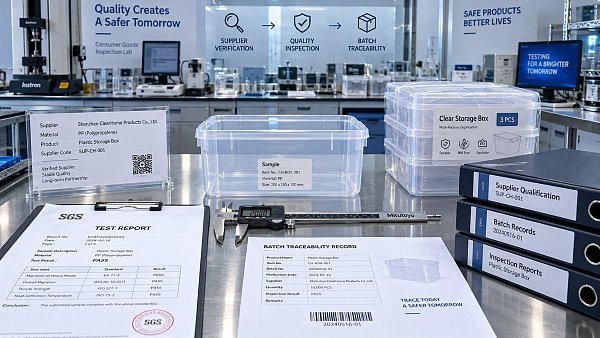
Analysis shows that sales contracts, purchase specifications, supplier qualification files, quality traceability records, and after-sales support materials may require closer review if customers begin asking for evidence linked to LNE certification or FURLS submission. The current event information confirms the requirement itself, but not a full market-wide documentation format, so companies should continue monitoring transaction-level document expectations.
Why this looks like an execution signal, not just a policy headline
Observably, this development is more appropriate to understand as an implemented compliance change rather than a preliminary policy discussion, because the event information states an effective date and specifies border consequences for non-compliant goods. At the same time, analysis should remain measured: the existence of an effective rule does not by itself answer every operational question about review pace, documentation detail, or market-specific enforcement practice. That is why ongoing attention to subsequent official wording, certification interpretation, and transaction feedback remains important.
How the market should read this stage
At this stage, the event points to a concrete shift in export compliance for food-contact kitchenware entering the U.S. market. The key significance is that certification and electronic filing are no longer peripheral paperwork issues; they may directly affect entry, delivery rhythm, and cost control. A balanced reading is that this is already a landed rule change, while many practical execution details still deserve continued observation through actual trade, compliance, and documentation workflows.
Basis of this article and what still needs verification
This article is generated based on the user-provided news title, event date, and event summary. For developments of this type, commonly relevant source categories may include official regulatory notices, publications from supervisory authorities, customs or trade administration information, industry association updates, standard-setting documents, and reporting by authoritative media. No specific official source link was provided in the input, so the exact official link remains to be verified on an ongoing basis. Follow-up attention should remain on implementing details, certification interpretation, document requirements, procurement language changes, market feedback, and how enterprises are carrying the rule into day-to-day export operations.
News Recommendations
 How to verify an LFGB testing laboratory's accreditation scope
![51a6ab95581761cc26f4318be6520c15]()
Aris Katos
Future of Carbide Coatings
 How to assess a workplace interior supplier's installation scope
![51a6ab95581761cc26f4318be6520c15]()
Aris Katos
Future of Carbide Coatings
 What records are needed for an ISO 9001 furniture factory audit?
![51a6ab95581761cc26f4318be6520c15]()
Aris Katos
Future of Carbide Coatings
 How to choose AI marketing tools that work with your existing CRM
![51a6ab95581761cc26f4318be6520c15]()
Aris Katos
Future of Carbide Coatings
 Do freight costs erase savings when buying retail fixtures wholesale?
![51a6ab95581761cc26f4318be6520c15]()
Aris Katos
Future of Carbide Coatings
 How heat buildup affects OEM retail shelf LCD screen reliability
![51a6ab95581761cc26f4318be6520c15]()
Aris Katos
Future of Carbide Coatings
 How to check whether an OEM retail shelf screen fits existing shelving
![51a6ab95581761cc26f4318be6520c15]()
Aris Katos
Future of Carbide Coatings
 What brightness should an OEM shelf LCD screen have for retail use?
![51a6ab95581761cc26f4318be6520c15]()
Aris Katos
Future of Carbide Coatings
 Can smart retail IT solutions for CPG work with legacy POS systems?
![51a6ab95581761cc26f4318be6520c15]()
Aris Katos
Future of Carbide Coatings
 What permit approvals belong in a commercial fitout planning checklist?
![51a6ab95581761cc26f4318be6520c15]()
Aris Katos
Future of Carbide Coatings
 How Do You Apply Sustainability Standards to a Retail Renovation?
![51a6ab95581761cc26f4318be6520c15]()
Aris Katos
Future of Carbide Coatings
 Which Technical Factors Matter When Comparing Smart Retail Hardware?
![51a6ab95581761cc26f4318be6520c15]()
Aris Katos
Future of Carbide Coatings
 Does Data Transparency Matter When Selecting Consumer Goods Suppliers?
![51a6ab95581761cc26f4318be6520c15]()
Aris Katos
Future of Carbide Coatings
 How Does Commercial Design Differ from Interior Decoration?
![51a6ab95581761cc26f4318be6520c15]()
Aris Katos
Future of Carbide Coatings
 How Long Does It Take to Verify a Commercial Furniture Supplier?
![51a6ab95581761cc26f4318be6520c15]()
Aris Katos
Future of Carbide Coatings
 How to verify compostability claims from a bubble mailer manufacturer
![51a6ab95581761cc26f4318be6520c15]()
Aris Katos
Future of Carbide Coatings
 Will commercial smart infrastructure solutions work with legacy systems?
![51a6ab95581761cc26f4318be6520c15]()
Aris Katos
Future of Carbide Coatings
 How to verify a preschool furniture manufacturer's safety standards
![51a6ab95581761cc26f4318be6520c15]()
Aris Katos
Future of Carbide Coatings
 A technical comparison of semiconductor processes for power devices
![51a6ab95581761cc26f4318be6520c15]()
Aris Katos
Future of Carbide Coatings
 How to verify that a BIFMA ergonomic chair meets the standard
![51a6ab95581761cc26f4318be6520c15]()
Aris Katos
Future of Carbide Coatings
 How to use a CRI value chart when choosing LED lighting
![51a6ab95581761cc26f4318be6520c15]()
Aris Katos
Future of Carbide Coatings
 How to compare hotel aroma diffuser wholesale options by coverage area
![51a6ab95581761cc26f4318be6520c15]()
Aris Katos
Future of Carbide Coatings
 How to prevent O-rings and seals from failing in food equipment
![51a6ab95581761cc26f4318be6520c15]()
Aris Katos
Future of Carbide Coatings
 How to compare commercial linear light wholesale quotes accurately
![51a6ab95581761cc26f4318be6520c15]()
Aris Katos
Future of Carbide Coatings
 How to verify international standards compliance for Middle East exports
![51a6ab95581761cc26f4318be6520c15]()
Aris Katos
Future of Carbide Coatings
 How to select laboratory instruments for reproducible test results
![51a6ab95581761cc26f4318be6520c15]()
Aris Katos
Future of Carbide Coatings
 When does a sheet metal prototype reveal design flaws early?
![51a6ab95581761cc26f4318be6520c15]()
Aris Katos
Future of Carbide Coatings
 When PE air column bags reduce damage in e-commerce fulfillment
![51a6ab95581761cc26f4318be6520c15]()
Aris Katos
Future of Carbide Coatings
 How energy-efficient design reduces operating costs in retail lighting
![51a6ab95581761cc26f4318be6520c15]()
Aris Katos
Future of Carbide Coatings
 When commercial aluminum storefronts make sense for a retail renovation
![51a6ab95581761cc26f4318be6520c15]()
Aris Katos
Future of Carbide Coatings
 What makes LED lights durable in high-use commercial spaces?
![51a6ab95581761cc26f4318be6520c15]()
Aris Katos
Future of Carbide Coatings
 Which industry categories offer the strongest export potential in Latin America?
![51a6ab95581761cc26f4318be6520c15]()
Aris Katos
Future of Carbide Coatings
 How to choose an ultra bright waterproof window display for storefronts
![51a6ab95581761cc26f4318be6520c15]()
Aris Katos
Future of Carbide Coatings
 How to verify suppliers on a trade portal for global sourcing
![51a6ab95581761cc26f4318be6520c15]()
Aris Katos
Future of Carbide Coatings
 How RoHS requirements should be stated in product specifications
![51a6ab95581761cc26f4318be6520c15]()
Aris Katos
Future of Carbide Coatings
 What affects the lead time for custom retail counter displays?
![51a6ab95581761cc26f4318be6520c15]()
Aris Katos
Future of Carbide Coatings
 What consumer packaging USA importers need to verify before ordering
![51a6ab95581761cc26f4318be6520c15]()
Aris Katos
Future of Carbide Coatings
 How commercial spaces interiors shape customer dwell time
![51a6ab95581761cc26f4318be6520c15]()
Aris Katos
Future of Carbide Coatings
 How LED commercial lighting design reduces glare in retail spaces
![51a6ab95581761cc26f4318be6520c15]()
Aris Katos
Future of Carbide Coatings