How Do You Apply Sustainability Standards to a Retail Renovation?
Time
Click Count
Apply sustainability standards to a retail renovation by turning environmental goals into design requirements, purchasing conditions, site procedures, and acceptance tests. Selecting products described as “green” is not enough: the project needs a defined scope, measurable targets, and evidence that the installed materials and systems meet those targets.
The most important early distinction is between legal compliance, voluntary building certification, and product-level verification. Each serves a different purpose. A store can meet local building regulations without achieving strong environmental performance, while a certified material cannot make an entire renovation sustainable. Start with the decisions the renovation can control, especially what to retain, what to replace, and how to verify the result.
Define the renovation boundary before choosing a framework
A tenant fit-out may control display fixtures, finishes, lighting, and some mechanical equipment, but not the building envelope or central heating and cooling. A standalone store renovation may include all of these. Sustainability requirements must reflect that boundary; otherwise, targets can depend on systems the project has no authority to change.
Document the floor area, operating hours, expected occupancy, existing equipment, planned alterations, and responsibilities shared with the landlord. Identify whether energy and water consumption can be separately metered. Where a store uses central building services, determine how consumption is allocated and what operating data are available.
Use this boundary to select an appropriate framework. LEED and BREEAM offer building and fit-out assessment routes, with applicability depending on project type, location, and scheme version. WELL focuses on health and well-being and can complement environmental requirements, but it is not a substitute for an energy or carbon assessment. Confirm the applicable scheme, prerequisites, evidence requirements, and registration conditions before fixing the design.
Formal certification is useful when a lease, corporate commitment, or asset strategy requires independent assessment. Without that requirement, a project can still use relevant criteria to establish a documented performance specification. However, following selected criteria does not entitle the project to claim certification.
Keep statutory requirements separate. Local fire safety, accessibility, electrical, ventilation, and building rules remain mandatory. Sustainability objectives cannot justify compromising safe escape routes, structural performance, or electrical protection.
Convert broad commitments into requirements that can be checked
“Reduce environmental impact” gives a contractor little direction. A usable requirement identifies the metric, calculation boundary, evidence, responsible party, and approval stage. Set targets after reviewing the existing store and the selected certification framework, rather than borrowing percentages from unrelated projects.
A practical project register should connect each requirement to a drawing, specification clause, purchase order, or site instruction. Assign ownership before tendering. If nobody is responsible for obtaining a document or testing a control, that requirement is unlikely to survive the pressure of a fixed reopening date.
Survey existing fixtures before authorizing strip-out
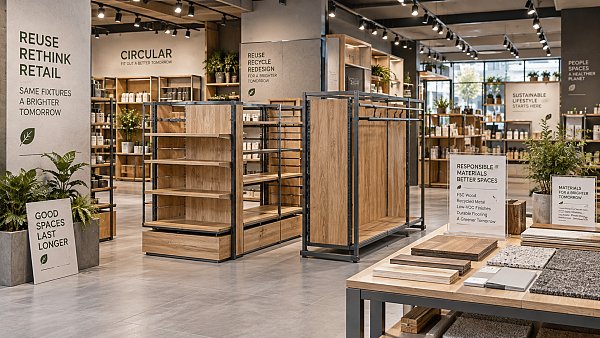
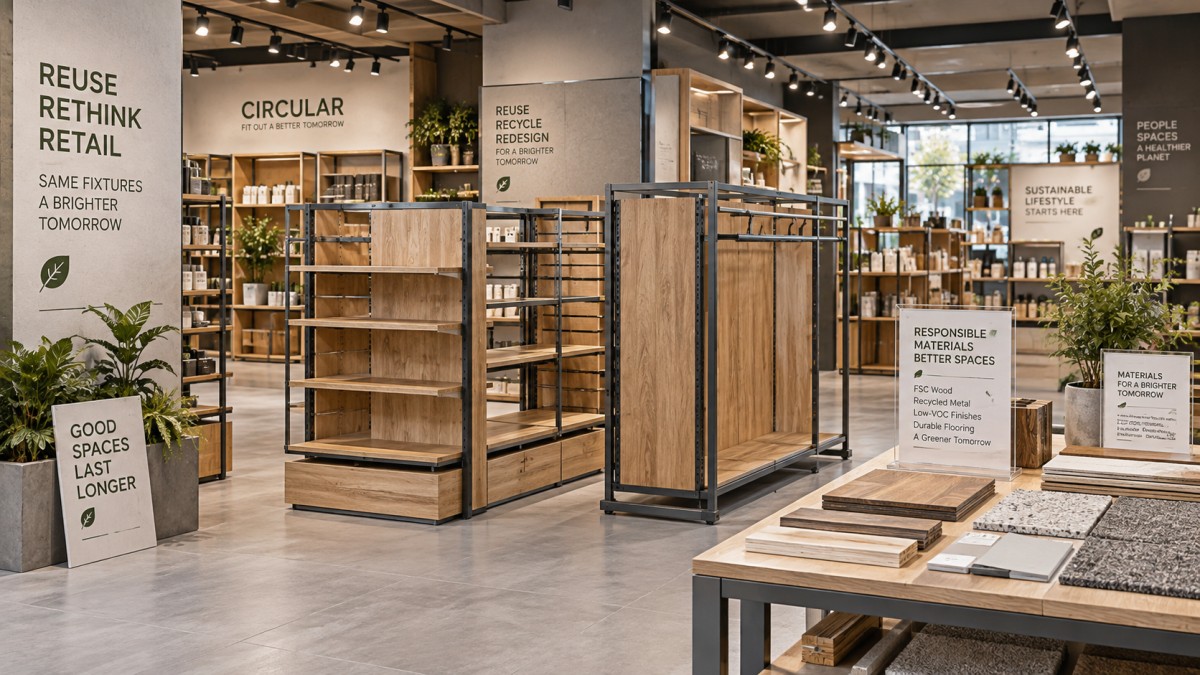
Retaining serviceable materials avoids the production and disposal associated with replacement. That makes the pre-demolition survey a sustainability decision point, not merely a construction task. Assess shelving, counters, partitions, flooring, signage supports, lighting tracks, and mechanical components before approving removal.
Record condition, dimensions, remaining serviceability, repair needs, and compatibility with the new layout. Classify items for retention in place, refurbishment, relocation, resale or donation, recycling, and disposal. Check whether disassembly can preserve components instead of destroying them.
Retention is not automatically the best option. Existing equipment may consume excessive energy, contain hazardous materials, or fail safety requirements. Suspected asbestos or other regulated hazardous materials require appropriate investigation and handling before disturbance. An old refrigerated display, for example, needs assessment of electricity consumption, refrigerant, leakage condition, and serviceability—not just its appearance.
Compare retention and replacement over the intended service period. Include refurbishment materials, maintenance, operating energy, and likely replacement frequency. For finishes and fixtures, evaluate whether repair can achieve the required appearance and durability without an unnecessary full replacement.
Specify materials by performance and evidence, not labels
Terms such as “eco-friendly,” “natural,” and “recyclable” do not establish environmental performance. Specifications should identify the property that matters: verified recycled content, responsible forest sourcing, low emissions, durability, repairability, or a quantified life-cycle impact.
An environmental product declaration, or EPD, reports environmental information using defined life-cycle assessment rules. ISO 14025 provides principles for Type III environmental declarations, while standards such as EN 15804 establish rules for construction-product EPDs. An EPD is disclosure, not proof that a product is environmentally superior.
Compare EPDs only where their product category rules, declared or functional units, life-cycle boundaries, and relevant assumptions are compatible. A comparison per kilogram can mislead when two flooring products require different quantities or have different service lives. The installed system—including adhesive, substrate preparation, replacement, and maintenance—may matter more than the finish alone.
For timber products, FSC or PEFC certification can support responsible-sourcing requirements. Verify that the supplied product and transaction carry the required claim; a supplier’s certificate alone does not establish that every product it sells is certified.
For indoor materials, distinguish VOC content from VOC emissions. Content measures substances within a formulation; emissions testing assesses what a product releases under defined conditions. Specify the test method or recognized certification accepted by the project’s chosen framework, and check that the evidence covers the exact product, relevant manufacturing location, and intended use.
Retail surfaces also need abrasion resistance, cleanability, stability, and suitable fire performance. A finish that requires premature replacement can undermine its initial environmental advantage. Require repair methods and replacement components where appropriate, especially for modular displays and high-contact counters.
Design energy savings around the actual retail operation
Efficient lighting starts with the required visual task, not the lowest fixture wattage. Sales floors, fitting rooms, stockrooms, checkout areas, and window displays need different lighting conditions. Specify illumination, glare control, color quality, and controls together so that energy reductions do not compromise merchandise presentation or safe movement.
Use a lighting layout and calculation to evaluate installed power and delivered light. LED efficacy alone does not reveal system performance: poor optical distribution, excessive fixture density, and unnecessary operating hours can erase expected savings.
Zone controls around actual activities. Stockrooms and intermittently occupied support areas may suit occupancy control; customer-facing spaces require careful settings to avoid disruptive dimming. Daylight controls need suitable sensor placement and commissioning. Separate emergency lighting requirements from ordinary energy controls.
Assess HVAC after accounting for changes in lighting heat gains, occupancy, entrance operation, and equipment loads. Reusing the previous capacity without recalculation can leave equipment oversized or poorly controlled. Check ventilation, filtration, schedules, setpoints, and interfaces with landlord systems. Where refrigeration is included, address refrigerant management and heat rejection as well as electrical efficiency.
Estimate annual energy using realistic operating hours and documented assumptions. Label modeled savings as estimates, not measured results. If consumption is monitored after reopening, account for weather, opening hours, and occupancy changes before attributing the difference entirely to the renovation.
Make supplier documentation part of the purchase contract
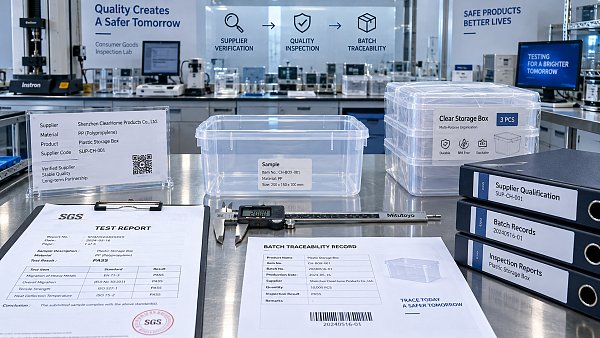
Environmental evidence should be reviewed before an order becomes difficult to change. State what must accompany a bid, what must be approved before manufacture, and what must be supplied at delivery. For imported materials, include destination-market compliance alongside sustainability requirements.
Do not treat CE marking, UL certification, or general furniture performance testing as interchangeable sustainability credentials. CE marking relates to applicable European legal requirements for covered products; its relevance depends on product type. UL marks and BIFMA-related testing or certification must be interpreted according to their specific scope. None automatically proves low carbon impact or responsible sourcing.
Match documentation to the exact model, material composition, finish, and manufacturing source. Check issuing organizations, certificate status, report scope, and any exclusions. An emissions report for an unfinished panel may not support a claim about a finished fixture containing coatings and adhesives.
Control substitutions explicitly. If a specified finish becomes unavailable, the replacement should meet environmental and functional requirements—not merely match color and price. Require approval before shipment, since late rejection can create waste, delay, and additional transport.
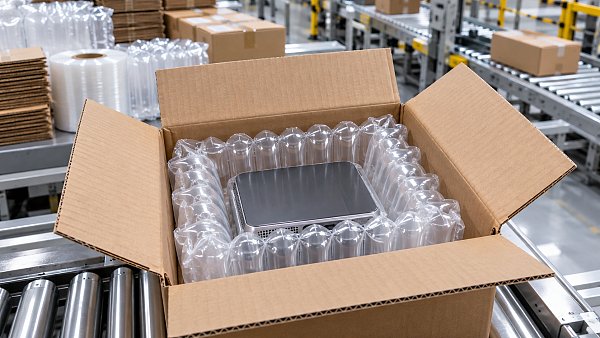
Include packaging instructions suited to the logistics route: reduce unnecessary material, favor reusable protection where return arrangements exist, and avoid inseparable mixed-material packaging where practical. Product damage must also be considered; inadequate protection that causes replacement shipments is not a credible waste-reduction strategy.
Control waste on site and test performance before reopening
A waste plan needs identified destinations, storage space, collection arrangements, and records. “Send to recycling” is insufficient if mixed waste cannot be accepted by the intended facility. Confirm local recovery options before specifying segregation methods, and separate hazardous waste under applicable rules.
Define whether waste performance is measured by mass or volume and which streams are included. Avoid double counting materials transferred between contractors or counting temporary storage as completed recovery. Keep reuse, recycling, and energy recovery distinguishable rather than combining them into an unexplained diversion figure.
Installation quality also affects environmental outcomes. Protect retained finishes, store moisture-sensitive materials correctly, follow curing requirements, and prevent construction dust from contaminating ventilation systems. These measures reduce avoidable replacement and support indoor air quality at handover.
Commissioning should verify operation, not just equipment presence. Test lighting schedules, dimming, occupancy sensors, HVAC controls, meters, and relevant water-saving devices. Record settings and resolve defects before acceptance. A sensor installed but overridden continuously provides little operational benefit.
Handover should include as-built information, approved product evidence, waste records, maintenance instructions, spare-parts details, and operating settings. Plan a review after the store has reached stable operation, using an appropriate monitoring period rather than an arbitrary deadline.
The strongest test of sustainability standards is whether they change a decision and leave verifiable evidence: a fixture retained instead of discarded, a material claim checked before purchase, a control demonstrated to work, or waste traced to its destination. Where evidence is incomplete, describe the achieved outcome narrowly. A documented renovation with clear limits is more credible than a broad sustainability claim that the project cannot substantiate.
News Recommendations
 How to verify an LFGB testing laboratory's accreditation scope
![51a6ab95581761cc26f4318be6520c15]()
Aris Katos
Future of Carbide Coatings
 How to assess a workplace interior supplier's installation scope
![51a6ab95581761cc26f4318be6520c15]()
Aris Katos
Future of Carbide Coatings
 What records are needed for an ISO 9001 furniture factory audit?
![51a6ab95581761cc26f4318be6520c15]()
Aris Katos
Future of Carbide Coatings
 How to choose AI marketing tools that work with your existing CRM
![51a6ab95581761cc26f4318be6520c15]()
Aris Katos
Future of Carbide Coatings
 Do freight costs erase savings when buying retail fixtures wholesale?
![51a6ab95581761cc26f4318be6520c15]()
Aris Katos
Future of Carbide Coatings
 How heat buildup affects OEM retail shelf LCD screen reliability
![51a6ab95581761cc26f4318be6520c15]()
Aris Katos
Future of Carbide Coatings
 How to check whether an OEM retail shelf screen fits existing shelving
![51a6ab95581761cc26f4318be6520c15]()
Aris Katos
Future of Carbide Coatings
 What brightness should an OEM shelf LCD screen have for retail use?
![51a6ab95581761cc26f4318be6520c15]()
Aris Katos
Future of Carbide Coatings
 Can smart retail IT solutions for CPG work with legacy POS systems?
![51a6ab95581761cc26f4318be6520c15]()
Aris Katos
Future of Carbide Coatings
 What permit approvals belong in a commercial fitout planning checklist?
![51a6ab95581761cc26f4318be6520c15]()
Aris Katos
Future of Carbide Coatings
 How Do You Apply Sustainability Standards to a Retail Renovation?
![51a6ab95581761cc26f4318be6520c15]()
Aris Katos
Future of Carbide Coatings
 Which Technical Factors Matter When Comparing Smart Retail Hardware?
![51a6ab95581761cc26f4318be6520c15]()
Aris Katos
Future of Carbide Coatings
 Does Data Transparency Matter When Selecting Consumer Goods Suppliers?
![51a6ab95581761cc26f4318be6520c15]()
Aris Katos
Future of Carbide Coatings
 How Does Commercial Design Differ from Interior Decoration?
![51a6ab95581761cc26f4318be6520c15]()
Aris Katos
Future of Carbide Coatings
 How Long Does It Take to Verify a Commercial Furniture Supplier?
![51a6ab95581761cc26f4318be6520c15]()
Aris Katos
Future of Carbide Coatings
 How to verify compostability claims from a bubble mailer manufacturer
![51a6ab95581761cc26f4318be6520c15]()
Aris Katos
Future of Carbide Coatings
 Will commercial smart infrastructure solutions work with legacy systems?
![51a6ab95581761cc26f4318be6520c15]()
Aris Katos
Future of Carbide Coatings
 How to verify a preschool furniture manufacturer's safety standards
![51a6ab95581761cc26f4318be6520c15]()
Aris Katos
Future of Carbide Coatings
 A technical comparison of semiconductor processes for power devices
![51a6ab95581761cc26f4318be6520c15]()
Aris Katos
Future of Carbide Coatings
 How to verify that a BIFMA ergonomic chair meets the standard
![51a6ab95581761cc26f4318be6520c15]()
Aris Katos
Future of Carbide Coatings
 How to use a CRI value chart when choosing LED lighting
![51a6ab95581761cc26f4318be6520c15]()
Aris Katos
Future of Carbide Coatings
 How to compare hotel aroma diffuser wholesale options by coverage area
![51a6ab95581761cc26f4318be6520c15]()
Aris Katos
Future of Carbide Coatings
 How to prevent O-rings and seals from failing in food equipment
![51a6ab95581761cc26f4318be6520c15]()
Aris Katos
Future of Carbide Coatings
 How to compare commercial linear light wholesale quotes accurately
![51a6ab95581761cc26f4318be6520c15]()
Aris Katos
Future of Carbide Coatings
 How to verify international standards compliance for Middle East exports
![51a6ab95581761cc26f4318be6520c15]()
Aris Katos
Future of Carbide Coatings
 How to select laboratory instruments for reproducible test results
![51a6ab95581761cc26f4318be6520c15]()
Aris Katos
Future of Carbide Coatings
 When does a sheet metal prototype reveal design flaws early?
![51a6ab95581761cc26f4318be6520c15]()
Aris Katos
Future of Carbide Coatings
 When PE air column bags reduce damage in e-commerce fulfillment
![51a6ab95581761cc26f4318be6520c15]()
Aris Katos
Future of Carbide Coatings
 How energy-efficient design reduces operating costs in retail lighting
![51a6ab95581761cc26f4318be6520c15]()
Aris Katos
Future of Carbide Coatings
 When commercial aluminum storefronts make sense for a retail renovation
![51a6ab95581761cc26f4318be6520c15]()
Aris Katos
Future of Carbide Coatings
 What makes LED lights durable in high-use commercial spaces?
![51a6ab95581761cc26f4318be6520c15]()
Aris Katos
Future of Carbide Coatings
 Which industry categories offer the strongest export potential in Latin America?
![51a6ab95581761cc26f4318be6520c15]()
Aris Katos
Future of Carbide Coatings
 How to choose an ultra bright waterproof window display for storefronts
![51a6ab95581761cc26f4318be6520c15]()
Aris Katos
Future of Carbide Coatings
 How to verify suppliers on a trade portal for global sourcing
![51a6ab95581761cc26f4318be6520c15]()
Aris Katos
Future of Carbide Coatings
 How RoHS requirements should be stated in product specifications
![51a6ab95581761cc26f4318be6520c15]()
Aris Katos
Future of Carbide Coatings
 What affects the lead time for custom retail counter displays?
![51a6ab95581761cc26f4318be6520c15]()
Aris Katos
Future of Carbide Coatings
 What consumer packaging USA importers need to verify before ordering
![51a6ab95581761cc26f4318be6520c15]()
Aris Katos
Future of Carbide Coatings
 How commercial spaces interiors shape customer dwell time
![51a6ab95581761cc26f4318be6520c15]()
Aris Katos
Future of Carbide Coatings
 How LED commercial lighting design reduces glare in retail spaces
![51a6ab95581761cc26f4318be6520c15]()
Aris Katos
Future of Carbide Coatings