Curion Survey: Half of Consumers Frustrated by Sustainable Packaging
Time
Click Count
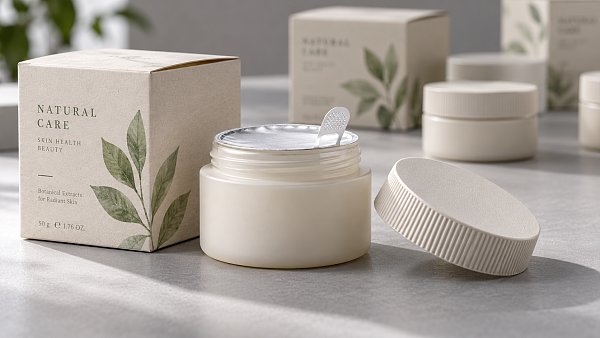
The event date is not explicitly specified in the supplied information, which describes a Curion survey conducted in February 2026 among 6,041 US consumers. Half of respondents reported frustration when opening or using sustainable health and beauty packaging. The findings identify a usability concern rather than an announced regulatory change. From an industry perspective, they raise a practical question for brands, packaging suppliers and procurement teams: how can environmental compliance and material innovation be pursued while preserving packaging functionality?
Consumer Preference Meets Difficulty in Everyday Use
Curion's sustainable packaging pulse survey found that consumers tend to favor environmentally friendly packaging. Nevertheless, half of respondents expressed frustration with opening or using sustainable packaging for health and beauty products.
Difficulty opening or handling the packaging was the most common problem identified in the supplied summary. The findings highlight a tension between consumers' environmental preferences and their experience of using the packaging.
The supplied information does not identify a new law, standard, certification requirement or trade rule, and it provides no implementation deadline.

Where Environmental Objectives Meet Packaging Specifications
Brand Decisions Extend to Opening and Handling
Analysis suggests that health and beauty brands may need to assess environmental objectives alongside the practical experience of accessing and using a product. When considering packaging changes intended to support compliance, brands could review whether their specifications adequately address opening and handling. The survey does not establish a new mandatory usability criterion, but it provides a reason to examine these features before approving a design.
Material Substitutions May Require Functional Validation
For packaging suppliers and manufacturers, the findings suggest that material innovation may need to be evaluated together with the complete packaging design. A proposed substitution could warrant checks on opening mechanisms and handling characteristics before production approval. This is an analytical implication of the reported frustration; the supplied information does not establish that any particular material or manufacturing process caused the problems.
Purchasing Decisions Could Include Clearer Acceptance Criteria
From a procurement perspective, the findings suggest a reason to include usability evidence in supplier discussions. Buyers could consider whether sample approval and delivery acceptance criteria address both environmental objectives and functional performance. Any such purchasing changes would be commercial decisions; the survey does not establish additional certification, customs documentation or market access requirements.
Practical Checks Before Approving a Packaging Change
Separate Applicable Requirements from Survey Findings
As a recommended review step, companies could distinguish the environmental requirements applicable to their products from the consumer concerns described by Curion. The survey should not be treated as proof that a package meets or fails a legal requirement. Any compliance assessment would need to rely on the relevant requirements and supporting documentation, which are not supplied here.
Test the Tasks Consumers Found Frustrating
The reported difficulties suggest a focused validation priority: observe whether users can open and handle proposed packaging successfully. Brands and suppliers could use those observations to compare designs or identify problems before approval. The supplied information does not provide a testing method or pass threshold, so neither should be presented as an established industry requirement.
Connect Supplier Approval with Functional Evidence
As a procurement recommendation, companies could request relevant material information and evidence of packaging performance when assessing a proposed change. Keeping that evidence alongside approved specifications could support discussions about whether a revision preserves usability. Where validation remains incomplete, teams could assess its implications for purchasing and delivery schedules rather than assume that a material change is ready for routine supply.
A Market Feedback Signal, with Regulatory Implications Still Unproven
At this stage, it is more appropriate to understand the survey as a market feedback signal than as evidence of a rule taking effect. Analysis suggests that environmental objectives and packaging functionality deserve joint consideration during design and purchasing decisions. The findings do not, however, establish that environmental compliance caused the reported frustration.
What deserves closer attention is whether subsequent consumer feedback helps identify the designs, materials or handling tasks associated with dissatisfaction. Separately, any future change to applicable packaging rules or assessment criteria would require verification through the relevant source. The supplied information does not establish a connection between this survey and a forthcoming regulatory decision.
Usability Deserves a Place in Packaging Approval
The practical implication is a recommendation to assess sustainable packaging through both environmental and functional criteria. For health and beauty businesses, the survey supports reviewing opening and handling before approving packaging changes. It does not justify assuming a new compliance obligation or a universal failure of sustainable packaging. A proportionate response would be to investigate the reported usability concerns and validate proposed solutions.
Basis of This Article and Points for Verification
This article is based solely on the news title, event timing statement and event summary supplied by the user. The input does not provide a specific official source link, and further verification remains necessary. Although the survey is described as having been conducted in February 2026, the event date is otherwise not explicitly specified.
Further review could examine Curion's original survey publication, if available, for the question wording, methodology and more detailed findings. Subsequent industry feedback and evidence of company implementation would help assess how businesses respond. Any claimed changes to policy details, certification practices or procurement requirements would need separate confirmation through the relevant official publications or purchasing documents.
News Recommendations
 How do packaging customization options affect minimum order quantities in Europe?
![51a6ab95581761cc26f4318be6520c15]()
Aris Katos
Future of Carbide Coatings
 Transom to Acquire Cree LED in Commercial Lighting Ownership Change
![51a6ab95581761cc26f4318be6520c15]()
Aris Katos
Future of Carbide Coatings
 How to plan customer flow in commercial design planning
![51a6ab95581761cc26f4318be6520c15]()
Aris Katos
Future of Carbide Coatings
 USTR Urged to Permanently Suspend Fees on China-Linked Ships
![51a6ab95581761cc26f4318be6520c15]()
Aris Katos
Future of Carbide Coatings
 How to choose comparable stores for retail benchmarking
![51a6ab95581761cc26f4318be6520c15]()
Aris Katos
Future of Carbide Coatings
 How does anchoring affect modular building wind load resistance?
![51a6ab95581761cc26f4318be6520c15]()
Aris Katos
Future of Carbide Coatings
 Amazon Raises European FBA Surcharge to 2% in Ten Markets From November 2
![51a6ab95581761cc26f4318be6520c15]()
Aris Katos
Future of Carbide Coatings
 How to verify a BPA-free test report for baby products
![51a6ab95581761cc26f4318be6520c15]()
Aris Katos
Future of Carbide Coatings
 China's Mandatory Classroom Lighting Standard GB 7793-2025 Takes Effect November 1
![51a6ab95581761cc26f4318be6520c15]()
Aris Katos
Future of Carbide Coatings
 How order volume affects the price of wholesale poly mailers
![51a6ab95581761cc26f4318be6520c15]()
Aris Katos
Future of Carbide Coatings
 US Imposes 50% Tariff on Certain Canadian PET Resin Imports
![51a6ab95581761cc26f4318be6520c15]()
Aris Katos
Future of Carbide Coatings
 How to read the maximum ratings in a semiconductor datasheet
![51a6ab95581761cc26f4318be6520c15]()
Aris Katos
Future of Carbide Coatings
 University of Maryland Develops Bio-Based Packaging to Extend Avocado and Cucumber Shelf Life
![51a6ab95581761cc26f4318be6520c15]()
Aris Katos
Future of Carbide Coatings
 How to verify a cookware manufacturer's induction compatibility claims
![51a6ab95581761cc26f4318be6520c15]()
Aris Katos
Future of Carbide Coatings
 Omdia Forecasts 11.6% Annual Growth in LED Display Revenue Through 2030
![51a6ab95581761cc26f4318be6520c15]()
Aris Katos
Future of Carbide Coatings
 How to verify a pulp molding packaging factory's production capacity
![51a6ab95581761cc26f4318be6520c15]()
Aris Katos
Future of Carbide Coatings
 Curion Survey: Half of Consumers Frustrated by Sustainable Packaging
![51a6ab95581761cc26f4318be6520c15]()
Aris Katos
Future of Carbide Coatings
 How to assess the credibility of market insight content
![51a6ab95581761cc26f4318be6520c15]()
Aris Katos
Future of Carbide Coatings
 US Removes 50% Additional Tariff on Selected Canadian Packaging Products
![51a6ab95581761cc26f4318be6520c15]()
Aris Katos
Future of Carbide Coatings
 Will a waterproof dimmable LED driver work with your existing dimmer?
![51a6ab95581761cc26f4318be6520c15]()
Aris Katos
Future of Carbide Coatings
 Charter Next Generation Raises Film PCR Use 30%, Advances Food-Grade Applications
![51a6ab95581761cc26f4318be6520c15]()
Aris Katos
Future of Carbide Coatings
 How to choose a dog harness and leash for a dog that pulls hard
![51a6ab95581761cc26f4318be6520c15]()
Aris Katos
Future of Carbide Coatings
 How to respect local customs when negotiating with overseas suppliers
![51a6ab95581761cc26f4318be6520c15]()
Aris Katos
Future of Carbide Coatings
 RFID Recycling Challenges Bring Paper-Based and Chipless Tags Into Focus
![51a6ab95581761cc26f4318be6520c15]()
Aris Katos
Future of Carbide Coatings
 How to choose commercial lighting for offices that reduces glare
![51a6ab95581761cc26f4318be6520c15]()
Aris Katos
Future of Carbide Coatings
 Queue Launches Fully Automated Robotic Pharmacy Kiosk for 30-Second Dispensing
![51a6ab95581761cc26f4318be6520c15]()
Aris Katos
Future of Carbide Coatings
 Can your supermarket store fixtures supplier meet your opening date?
![51a6ab95581761cc26f4318be6520c15]()
Aris Katos
Future of Carbide Coatings
 Shopify POS UI Extensions 2026-10 Adds Virtual Lists and Custom Row Templates
![51a6ab95581761cc26f4318be6520c15]()
Aris Katos
Future of Carbide Coatings
 How to assess smart office furniture suppliers’ North American support
![51a6ab95581761cc26f4318be6520c15]()
Aris Katos
Future of Carbide Coatings
 Aqara Launches Smart Lighting Range to Advance AI Spatial Intelligence
![51a6ab95581761cc26f4318be6520c15]()
Aris Katos
Future of Carbide Coatings
 How to assess demand forecasts in a lighting intelligence report
![51a6ab95581761cc26f4318be6520c15]()
Aris Katos
Future of Carbide Coatings
 Billerud推出PharmaKraft纤维基医药包装材料
![51a6ab95581761cc26f4318be6520c15]()
Aris Katos
Future of Carbide Coatings
 How to assess supplier reliability in global supply chain sourcing
![51a6ab95581761cc26f4318be6520c15]()
Aris Katos
Future of Carbide Coatings
 Omdia Forecasts 11.6% CAGR for Global LED Video Display Market in 2026–2030
![51a6ab95581761cc26f4318be6520c15]()
Aris Katos
Future of Carbide Coatings
 How to verify an LFGB testing laboratory's accreditation scope
![51a6ab95581761cc26f4318be6520c15]()
Aris Katos
Future of Carbide Coatings
 How to assess a workplace interior supplier's installation scope
![51a6ab95581761cc26f4318be6520c15]()
Aris Katos
Future of Carbide Coatings
 What records are needed for an ISO 9001 furniture factory audit?
![51a6ab95581761cc26f4318be6520c15]()
Aris Katos
Future of Carbide Coatings
 How to choose AI marketing tools that work with your existing CRM
![51a6ab95581761cc26f4318be6520c15]()
Aris Katos
Future of Carbide Coatings
 Do freight costs erase savings when buying retail fixtures wholesale?
![51a6ab95581761cc26f4318be6520c15]()
Aris Katos
Future of Carbide Coatings