Architectural LED Solutions Trends Shaping 2026 Building Upgrades
Time
Click Count
As commercial spaces race to become smarter, greener, and more experience-driven, architectural led solutions are becoming a central upgrade path for 2026 projects.
Their value now reaches beyond lower power bills. They influence brand identity, spatial comfort, compliance readiness, maintenance planning, and long-term building performance.
Across retail, offices, hospitality zones, and mixed-use assets, the right lighting strategy shapes both operational outcomes and customer perception.
For modernization programs tied to global standards and lifecycle efficiency, architectural led solutions now sit at the intersection of design, technology, and asset resilience.
Why 2026 building upgrades require scenario-based architectural led solutions
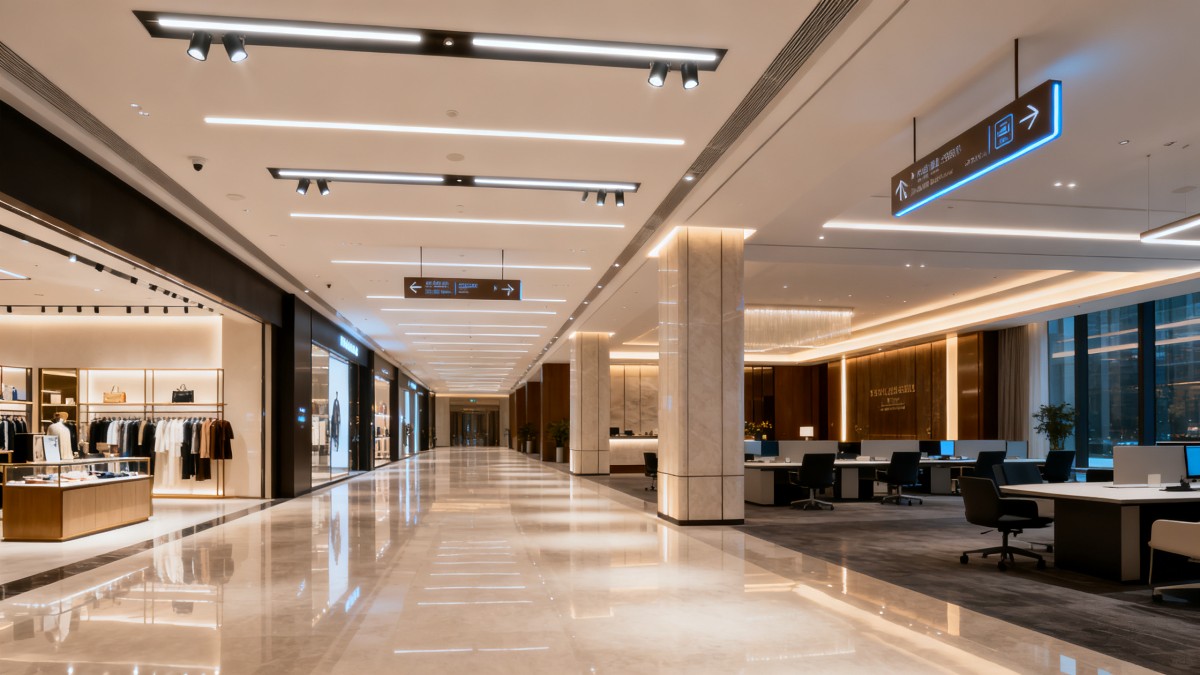
Not every building needs the same lighting logic. A flagship store, an office retrofit, and a mixed-use lobby face different visual, regulatory, and operational pressures.
That is why architectural led solutions should be evaluated by use case first, not by fixture price alone.
In 2026, upgrades are increasingly shaped by five drivers: energy codes, digital controls, wellness expectations, sustainability metrics, and brand-led spatial differentiation.
G-BCE’s cross-sector benchmarking shows that lighting decisions perform best when they align hardware quality, control intelligence, and application-specific design requirements.
What has changed since basic LED retrofits
Earlier projects often focused on lamp replacement and fast payback. Today, architectural led solutions are expected to support dimming, zoning, data visibility, and visual consistency.
Specifiers also look more closely at glare control, color rendering, driver reliability, and compatibility with smart building platforms.
Retail environments need architectural led solutions that sell, guide, and adapt
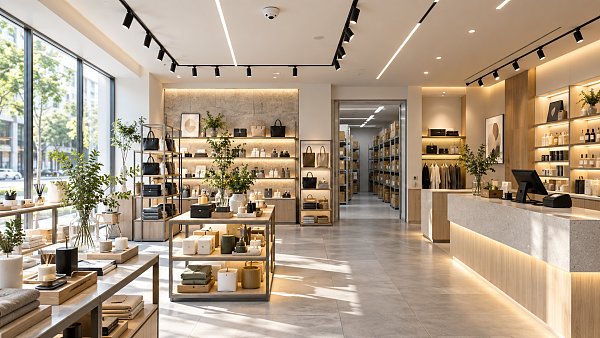
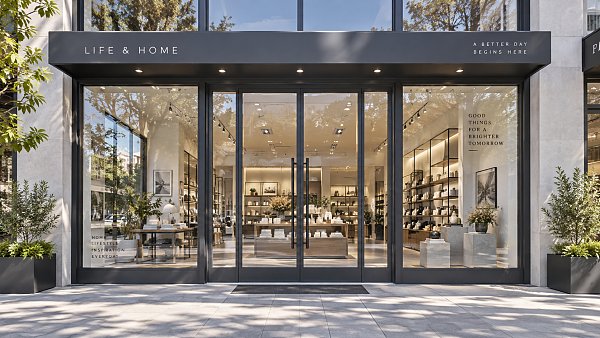
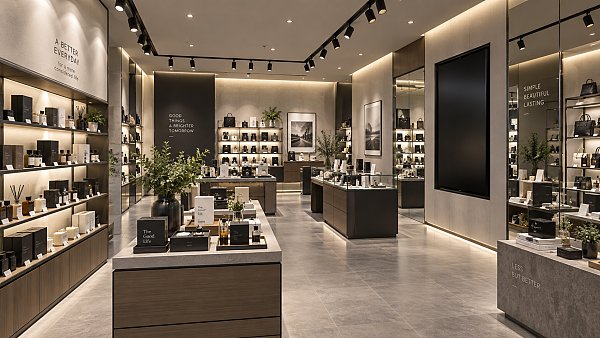
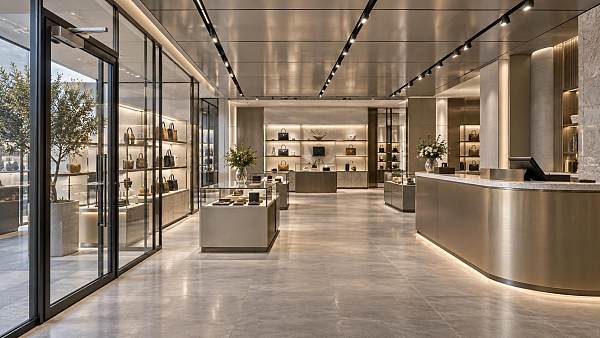
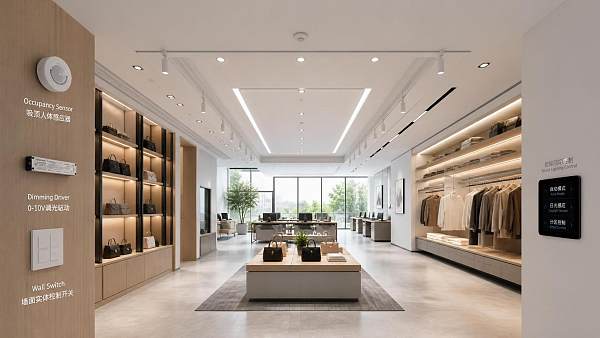
Retail remains one of the most sensitive application areas. Lighting must attract attention, highlight merchandise, and support a memorable store journey.
For this scenario, architectural led solutions should be judged by beam precision, CRI performance, vertical illumination, and flexible scene control.
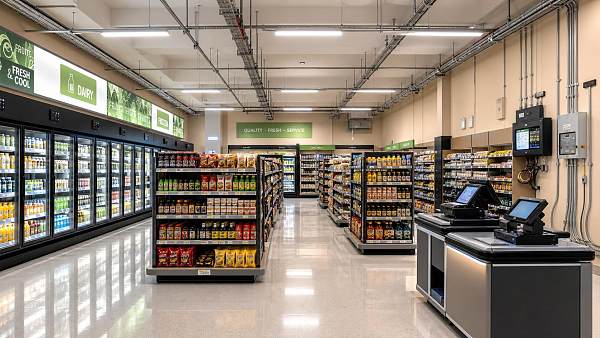
Fashion and beauty spaces often need accurate skin tones and material texture. Grocery and convenience formats need brightness uniformity and dependable operating hours.
Omnichannel retail adds another layer. Stores now double as brand stages, pickup points, and social content backdrops, raising the importance of lighting consistency.
Key judgment points for retail upgrades
- Can fixtures support frequent layout changes without visual disruption?
- Do controls allow daypart scheduling and promotional scene switching?
- Will color temperature support both product visibility and brand mood?
- Is maintenance simple for high-traffic commercial hours?
Office and workplace retrofits demand architectural led solutions centered on comfort and control
Workplace renovation has moved beyond brightness targets. Building owners now seek environments that improve concentration, flexibility, and employee experience.
In this setting, architectural led solutions should reduce glare, support visual tasks, and integrate with occupancy and daylight sensors.
Open-plan offices benefit from layered lighting. Focus rooms require quieter visual fields. Collaboration areas may need warmer scenes for social interaction.
A strong upgrade plan also considers hybrid use patterns. Underused zones should not consume the same lighting energy as active workspaces.
Where many office projects underperform
Some retrofits install efficient fixtures but ignore controls. Others meet energy goals while creating glare, uneven illumination, or awkward visual contrast.
The best architectural led solutions balance task visibility, comfort, and measurable energy performance.
Hospitality, lobby, and mixed-use spaces need architectural led solutions that create identity
In reception zones, shared amenities, and hospitality-led environments, lighting acts as a signature design layer.
Architectural led solutions in these spaces must shape atmosphere while still meeting durability and efficiency goals.
Entry sequences often need dramatic contrast and wayfinding clarity. Lounges benefit from warm tones and dimming depth. Corridors need safety and continuity.
Mixed-use buildings add complexity because public, tenant, and transitional zones each demand different lighting behavior.
Core decision factors in image-driven spaces
- Consistency of finish and light quality across visible fixtures
- Reliable dimming for mood shifts and event programming
- Integration with architectural surfaces and signage
- Long service life in difficult access areas
How scenario needs differ across major commercial upgrade types
The strongest architectural led solutions strategy starts with comparing application priorities rather than selecting one universal fixture family.
Practical ways to match architectural led solutions to each upgrade scenario
A useful selection framework combines design intent, technical fit, and lifecycle planning. This prevents over-specification in low-impact zones and under-specification in premium areas.
- Map zones by user behavior, not just floor plans.
- Define lighting goals for each zone before comparing products.
- Check dimming, controls, and emergency compatibility early.
- Review standards alignment, including UL and CE where relevant.
- Assess maintenance access, driver replacement strategy, and warranty depth.
- Test mockups for glare, color consistency, and surface interaction.
Why benchmarking matters
Architectural led solutions differ widely in optics, thermal design, and controls reliability, even when specifications appear similar on paper.
Benchmarking against recognized standards and commercial performance data helps reduce rework, callbacks, and inconsistent user experiences.
Common misjudgments when choosing architectural led solutions for 2026 projects
One frequent mistake is treating all LED upgrades as commodity swaps. This ignores the architectural role of light in perception, behavior, and brand communication.
Another error is focusing only on wattage reduction. Lower energy use matters, but poor visual performance can damage user satisfaction and commercial outcomes.
Some projects overlook controls interoperability. If the lighting system cannot communicate with occupancy, daylight, or building platforms, expected savings may never appear.
Short warranty review is also risky. In demanding environments, driver stability and service support matter as much as fixture appearance.
Finally, teams sometimes skip mockups. That can lead to glare, color mismatch, or underwhelming focal effects after installation.
Next-step actions for evaluating architectural led solutions with confidence
For 2026 upgrades, the smartest path is a structured review that connects scene requirements with measurable technical criteria.
Start by separating public-facing zones, task-driven zones, and transitional zones. Then define visual goals, controls needs, maintenance expectations, and compliance requirements for each.
Use that matrix to compare architectural led solutions across optics, CRI, dimming behavior, lifespan, and integration readiness.
Where building upgrades involve retail technology, commercial fixtures, and broader supply-chain coordination, a benchmarking-led approach can reveal better-fit options earlier.
In a market shaped by sustainability, digital intelligence, and elevated customer expectations, architectural led solutions are no longer a finishing detail.
They are a strategic layer of modern commercial environments, influencing how buildings perform, feel, and compete over time.
News Recommendations
 How to select laboratory instruments for reproducible test results
![51a6ab95581761cc26f4318be6520c15]()
Aris Katos
Future of Carbide Coatings
 When does a sheet metal prototype reveal design flaws early?
![51a6ab95581761cc26f4318be6520c15]()
Aris Katos
Future of Carbide Coatings
 When PE air column bags reduce damage in e-commerce fulfillment
![51a6ab95581761cc26f4318be6520c15]()
Aris Katos
Future of Carbide Coatings
 How energy-efficient design reduces operating costs in retail lighting
![51a6ab95581761cc26f4318be6520c15]()
Aris Katos
Future of Carbide Coatings
 When commercial aluminum storefronts make sense for a retail renovation
![51a6ab95581761cc26f4318be6520c15]()
Aris Katos
Future of Carbide Coatings
 What makes LED lights durable in high-use commercial spaces?
![51a6ab95581761cc26f4318be6520c15]()
Aris Katos
Future of Carbide Coatings
 Which industry categories offer the strongest export potential in Latin America?
![51a6ab95581761cc26f4318be6520c15]()
Aris Katos
Future of Carbide Coatings
 How to choose an ultra bright waterproof window display for storefronts
![51a6ab95581761cc26f4318be6520c15]()
Aris Katos
Future of Carbide Coatings
 How to verify suppliers on a trade portal for global sourcing
![51a6ab95581761cc26f4318be6520c15]()
Aris Katos
Future of Carbide Coatings
 How RoHS requirements should be stated in product specifications
![51a6ab95581761cc26f4318be6520c15]()
Aris Katos
Future of Carbide Coatings
 What affects the lead time for custom retail counter displays?
![51a6ab95581761cc26f4318be6520c15]()
Aris Katos
Future of Carbide Coatings
 What consumer packaging USA importers need to verify before ordering
![51a6ab95581761cc26f4318be6520c15]()
Aris Katos
Future of Carbide Coatings
 How commercial spaces interiors shape customer dwell time
![51a6ab95581761cc26f4318be6520c15]()
Aris Katos
Future of Carbide Coatings
 How LED commercial lighting design reduces glare in retail spaces
![51a6ab95581761cc26f4318be6520c15]()
Aris Katos
Future of Carbide Coatings
 How industrial technology information improves RFID inventory accuracy
![51a6ab95581761cc26f4318be6520c15]()
Aris Katos
Future of Carbide Coatings
 When drip garden watering systems make more sense than sprinklers
![51a6ab95581761cc26f4318be6520c15]()
Aris Katos
Future of Carbide Coatings
 When category comparison improves sourcing for industrial applications
![51a6ab95581761cc26f4318be6520c15]()
Aris Katos
Future of Carbide Coatings
 Industrial application guidance for selecting the right LED lighting
![51a6ab95581761cc26f4318be6520c15]()
Aris Katos
Future of Carbide Coatings
 Which commercial architecture standards apply to European retail fit-outs?
![51a6ab95581761cc26f4318be6520c15]()
Aris Katos
Future of Carbide Coatings
 How to verify FDA requirements for maternity care products
![51a6ab95581761cc26f4318be6520c15]()
Aris Katos
Future of Carbide Coatings
 How to verify BPA-free claims for food-contact products
![51a6ab95581761cc26f4318be6520c15]()
Aris Katos
Future of Carbide Coatings
 When does a European wholesale supplier suit modular office projects?
![51a6ab95581761cc26f4318be6520c15]()
Aris Katos
Future of Carbide Coatings
 When consumer ecosystem solutions improve the in-store shopping journey
![51a6ab95581761cc26f4318be6520c15]()
Aris Katos
Future of Carbide Coatings
 How a commercial developers network can reduce site selection risk
![51a6ab95581761cc26f4318be6520c15]()
Aris Katos
Future of Carbide Coatings
 How clear purchasing specifications prevent costly supplier deviations
![51a6ab95581761cc26f4318be6520c15]()
Aris Katos
Future of Carbide Coatings
 What an ISTA drop test lab checks before your packaging ships
![51a6ab95581761cc26f4318be6520c15]()
Aris Katos
Future of Carbide Coatings
 Which commercial furniture standards apply to workplace seating?
![51a6ab95581761cc26f4318be6520c15]()
Aris Katos
Future of Carbide Coatings
 How to evaluate smart lighting module OEM compatibility before sampling
![51a6ab95581761cc26f4318be6520c15]()
Aris Katos
Future of Carbide Coatings
 How to assess whether sustainable technology delivers real impact
![51a6ab95581761cc26f4318be6520c15]()
Aris Katos
Future of Carbide Coatings
 How to assess an OEM supplier’s quality control before ordering
![51a6ab95581761cc26f4318be6520c15]()
Aris Katos
Future of Carbide Coatings
 How consumer ecosystem solutions data can improve retail personalization
![51a6ab95581761cc26f4318be6520c15]()
Aris Katos
Future of Carbide Coatings
 When does consumer packaging design justify a higher product price?
![51a6ab95581761cc26f4318be6520c15]()
Aris Katos
Future of Carbide Coatings
 Supermarket Fixture Installation: Planning Layouts, Wiring, and Handover
![51a6ab95581761cc26f4318be6520c15]()
Aris Katos
Future of Carbide Coatings
 Automated Lighting and Smart Lighting Control in Bergerac: Key Project Considerations
![51a6ab95581761cc26f4318be6520c15]()
Aris Katos
Future of Carbide Coatings
 Segment Streetlight Controllers: Choosing Control Modes for Urban Roads
![51a6ab95581761cc26f4318be6520c15]()
Aris Katos
Future of Carbide Coatings
 IEC 62471-2 Explained: How to Assess Photobiological Risks in LED Lighting
![51a6ab95581761cc26f4318be6520c15]()
Aris Katos
Future of Carbide Coatings
 Food Grade Packaging Requirements by Product Type, Temperature, and Contact Risk
![51a6ab95581761cc26f4318be6520c15]()
Aris Katos
Future of Carbide Coatings
 Food Packaging Compliance Checklist: Tests, Records, and Labeling Before Shipment
![51a6ab95581761cc26f4318be6520c15]()
Aris Katos
Future of Carbide Coatings
 NSF Food Packaging Standards: When Certification Matters for Commercial Food Use
![51a6ab95581761cc26f4318be6520c15]()
Aris Katos
Future of Carbide Coatings