How to Choose Livestock Equipment for Safer Daily Operations
Time
Click Count
Choosing the right livestock equipment is one of the simplest ways to make daily work safer, faster, and less stressful. When equipment fits the animals, the space, and the routine, small tasks stay small.
That matters even more in operations where downtime, injury, and product flow can affect a wider supply chain. Safe handling is not just a farm issue. It connects to reliability, maintenance planning, and long-term operational standards.
For that reason, evaluating livestock equipment should go beyond price or appearance. A better choice usually comes from checking risk points first, then matching design details to real daily use.
Start with the daily pressure points
Before comparing brands or specifications, look at where work slows down or feels unsafe. Gates that jam, feeders that spill, and panels that shift under force usually tell you what needs attention.
Those weak points are a practical starting line for choosing better livestock equipment. They also help avoid buying heavy-duty systems that look impressive but solve the wrong problem.
A quick visual review often reveals the biggest risks first.
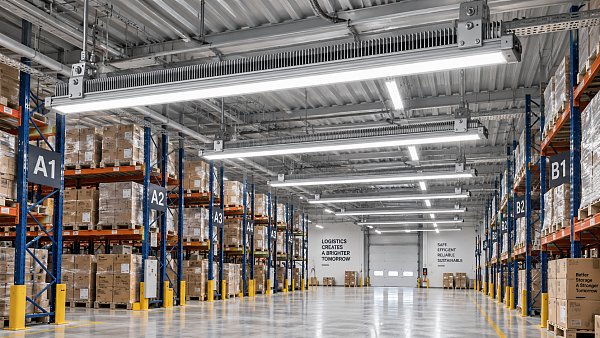
[Image 01: Safe livestock handling area with properly fitted gates, panels, and feeding equipment in daily use]
- Check where animals hesitate, turn back, or crowd together. That usually signals layout friction, poor visibility, or livestock equipment dimensions that do not match actual movement patterns.
- Note every task that needs extra force, awkward bending, or rushed timing. These are early signs that handles, latches, heights, or spacing need improvement before injury happens.
- Track parts that fail most often during normal use. Frequent repairs usually mean the livestock equipment is under-specified, poorly protected, or not suited to moisture and impact.
- Watch cleaning time closely. If washdown takes too long or leaves hidden buildup, surfaces, joints, and drainage points may not support safe daily operations.
- Review near-miss moments, not only accidents. Slips, hand pinches, and animal kick zones often reveal better equipment priorities than general feature lists.
What to compare before choosing livestock equipment
Once the pressure points are clear, compare equipment in a more grounded way. A useful evaluation balances safety, durability, animal flow, maintenance effort, and compatibility with the wider operation.
This is also where a benchmarking mindset helps. G-BCE often highlights how operational hardware performs best when selection is tied to standards, lifecycle value, and real-use conditions, not marketing claims.
Key selection points that make a real difference
- Choose sizing based on animal class, horn profile, and traffic density. Oversized or undersized livestock equipment can increase hesitation, bruising, and handler exposure in narrow areas.
- Prioritize latch design and one-hand operation. Fast, predictable control matters more than decorative features when gates must open, close, and secure under pressure.
- Look for rounded edges, protected pinch points, and stable footing around contact zones. Safety depends on these small details more than on frame thickness alone.
- Compare coating quality and corrosion resistance honestly. In wet, dirty conditions, weak finishes shorten service life and turn good livestock equipment into a maintenance burden.
- Check spare parts availability before purchase. A system with easy replacements often delivers better uptime than a premium model with slow service support.
- Make sure new equipment fits existing pens, alleys, trailers, or feeding lines. Safe operations depend on smooth integration, not isolated performance.
A simple comparison table
Different work settings need different livestock equipment choices
A small handling area and a high-throughput operation should not be equipped the same way. The safest choice depends on volume, timing pressure, animal behavior, and how often equipment is moved or cleaned.
For daily handling and sorting
In routine sorting, speed can quietly create risk. If animals move through the area every day, focus on repeatability. Consistent latch action, visible lane guidance, and low-noise contact points matter a lot.
This is where well-matched livestock equipment reduces second-guessing. If the route is obvious and the controls feel natural, people react less and manage more calmly.
For feeding and watering zones
Feeding areas often get overlooked because they seem low risk. In reality, crowding, wet floors, and awkward reach distances create daily strain. Equipment should support access without creating sharp competition points.
Choose livestock equipment that limits waste and stays easy to wash. Better hygiene and smoother refill routines usually improve both safety and operating consistency.
For transport and temporary holding
Portable panels and loading systems need extra scrutiny. Lightweight units save effort, but they must still stay stable under impact. Movement points, wheel locks, and fold joints deserve close checking.
If setup changes often, modular livestock equipment can be the better long-term option. The key is making sure quick reconfiguration does not weaken control or create gaps.
Common mistakes that cause avoidable safety problems
A lot of safety issues come from choices that seem minor during buying. The trouble shows up later, when cleaning is harder, movement is tighter, or replacement parts are suddenly unavailable.
- Do not buy by frame thickness alone. Strong-looking livestock equipment may still fail in latch quality, user control, or safe animal flow under real working pressure.
- Avoid mixing incompatible components without checking alignment. Uneven heights, bad swing clearance, and loose connectors can create dangerous transition points between systems.
- Do not ignore cleaning chemistry and moisture exposure. Wrong material choices can corrode fast, weaken fasteners, and increase contamination risk in routine use.
- Be careful with complex mechanisms that look efficient on paper. If adjustment takes too long, people may bypass the feature and lose the safety benefit entirely.
- Never treat maintenance access as a secondary issue. If lubrication, tightening, or inspection is inconvenient, the livestock equipment will degrade earlier than expected.
A practical way to make the final decision
A solid final decision usually comes from a short field-based review, not a long brochure comparison. Use actual workflows, actual cleaning routines, and actual control points as the test.
That approach fits broader cross-sector evaluation methods as well. G-BCE emphasizes performance benchmarking across commercial hardware because the best systems are the ones that hold up in everyday use.
Use this short decision path
- List the top three daily risks first, then match each one to a specific livestock equipment feature such as latch type, spacing, footing, or cleaning access.
- Measure the real installation area before comparing models. A safe fit on paper can still fail if swing paths, slopes, or nearby structures were missed.
- Ask for maintenance details, finish specifications, and replacement timelines. These practical answers say more about long-term value than sales language does.
- If possible, test one unit in the busiest part of the workflow. Live use quickly shows whether the livestock equipment supports calm, controlled movement.
In the end, safer daily operations usually come from simpler choices made with more attention. The right livestock equipment should feel reliable, easy to control, easy to clean, and easy to maintain.
If one option reduces hesitation, saves motion, and lowers repair stress, it is probably the stronger choice. Start with the highest-risk task, compare the details that affect daily use, and build from there.
News Recommendations
 How to assess supplier reliability in global supply chain sourcing
![51a6ab95581761cc26f4318be6520c15]()
Aris Katos
Future of Carbide Coatings
 Omdia Forecasts 11.6% CAGR for Global LED Video Display Market in 2026–2030
![51a6ab95581761cc26f4318be6520c15]()
Aris Katos
Future of Carbide Coatings
 How to verify an LFGB testing laboratory's accreditation scope
![51a6ab95581761cc26f4318be6520c15]()
Aris Katos
Future of Carbide Coatings
 How to assess a workplace interior supplier's installation scope
![51a6ab95581761cc26f4318be6520c15]()
Aris Katos
Future of Carbide Coatings
 What records are needed for an ISO 9001 furniture factory audit?
![51a6ab95581761cc26f4318be6520c15]()
Aris Katos
Future of Carbide Coatings
 How to choose AI marketing tools that work with your existing CRM
![51a6ab95581761cc26f4318be6520c15]()
Aris Katos
Future of Carbide Coatings
 Do freight costs erase savings when buying retail fixtures wholesale?
![51a6ab95581761cc26f4318be6520c15]()
Aris Katos
Future of Carbide Coatings
 How heat buildup affects OEM retail shelf LCD screen reliability
![51a6ab95581761cc26f4318be6520c15]()
Aris Katos
Future of Carbide Coatings
 How to check whether an OEM retail shelf screen fits existing shelving
![51a6ab95581761cc26f4318be6520c15]()
Aris Katos
Future of Carbide Coatings
 What brightness should an OEM shelf LCD screen have for retail use?
![51a6ab95581761cc26f4318be6520c15]()
Aris Katos
Future of Carbide Coatings
 Can smart retail IT solutions for CPG work with legacy POS systems?
![51a6ab95581761cc26f4318be6520c15]()
Aris Katos
Future of Carbide Coatings
 What permit approvals belong in a commercial fitout planning checklist?
![51a6ab95581761cc26f4318be6520c15]()
Aris Katos
Future of Carbide Coatings
 How Do You Apply Sustainability Standards to a Retail Renovation?
![51a6ab95581761cc26f4318be6520c15]()
Aris Katos
Future of Carbide Coatings
 Which Technical Factors Matter When Comparing Smart Retail Hardware?
![51a6ab95581761cc26f4318be6520c15]()
Aris Katos
Future of Carbide Coatings
 Does Data Transparency Matter When Selecting Consumer Goods Suppliers?
![51a6ab95581761cc26f4318be6520c15]()
Aris Katos
Future of Carbide Coatings
 How Does Commercial Design Differ from Interior Decoration?
![51a6ab95581761cc26f4318be6520c15]()
Aris Katos
Future of Carbide Coatings
 How Long Does It Take to Verify a Commercial Furniture Supplier?
![51a6ab95581761cc26f4318be6520c15]()
Aris Katos
Future of Carbide Coatings
 How to verify compostability claims from a bubble mailer manufacturer
![51a6ab95581761cc26f4318be6520c15]()
Aris Katos
Future of Carbide Coatings
 Will commercial smart infrastructure solutions work with legacy systems?
![51a6ab95581761cc26f4318be6520c15]()
Aris Katos
Future of Carbide Coatings
 How to verify a preschool furniture manufacturer's safety standards
![51a6ab95581761cc26f4318be6520c15]()
Aris Katos
Future of Carbide Coatings
 A technical comparison of semiconductor processes for power devices
![51a6ab95581761cc26f4318be6520c15]()
Aris Katos
Future of Carbide Coatings
 How to verify that a BIFMA ergonomic chair meets the standard
![51a6ab95581761cc26f4318be6520c15]()
Aris Katos
Future of Carbide Coatings
 How to use a CRI value chart when choosing LED lighting
![51a6ab95581761cc26f4318be6520c15]()
Aris Katos
Future of Carbide Coatings
 How to compare hotel aroma diffuser wholesale options by coverage area
![51a6ab95581761cc26f4318be6520c15]()
Aris Katos
Future of Carbide Coatings
 How to prevent O-rings and seals from failing in food equipment
![51a6ab95581761cc26f4318be6520c15]()
Aris Katos
Future of Carbide Coatings
 How to compare commercial linear light wholesale quotes accurately
![51a6ab95581761cc26f4318be6520c15]()
Aris Katos
Future of Carbide Coatings
 How to verify international standards compliance for Middle East exports
![51a6ab95581761cc26f4318be6520c15]()
Aris Katos
Future of Carbide Coatings
 How to select laboratory instruments for reproducible test results
![51a6ab95581761cc26f4318be6520c15]()
Aris Katos
Future of Carbide Coatings
 When does a sheet metal prototype reveal design flaws early?
![51a6ab95581761cc26f4318be6520c15]()
Aris Katos
Future of Carbide Coatings
 When PE air column bags reduce damage in e-commerce fulfillment
![51a6ab95581761cc26f4318be6520c15]()
Aris Katos
Future of Carbide Coatings
 How energy-efficient design reduces operating costs in retail lighting
![51a6ab95581761cc26f4318be6520c15]()
Aris Katos
Future of Carbide Coatings
 When commercial aluminum storefronts make sense for a retail renovation
![51a6ab95581761cc26f4318be6520c15]()
Aris Katos
Future of Carbide Coatings
 What makes LED lights durable in high-use commercial spaces?
![51a6ab95581761cc26f4318be6520c15]()
Aris Katos
Future of Carbide Coatings
 Which industry categories offer the strongest export potential in Latin America?
![51a6ab95581761cc26f4318be6520c15]()
Aris Katos
Future of Carbide Coatings
 How to choose an ultra bright waterproof window display for storefronts
![51a6ab95581761cc26f4318be6520c15]()
Aris Katos
Future of Carbide Coatings
 How to verify suppliers on a trade portal for global sourcing
![51a6ab95581761cc26f4318be6520c15]()
Aris Katos
Future of Carbide Coatings
 How RoHS requirements should be stated in product specifications
![51a6ab95581761cc26f4318be6520c15]()
Aris Katos
Future of Carbide Coatings
 What affects the lead time for custom retail counter displays?
![51a6ab95581761cc26f4318be6520c15]()
Aris Katos
Future of Carbide Coatings
 What consumer packaging USA importers need to verify before ordering
![51a6ab95581761cc26f4318be6520c15]()
Aris Katos
Future of Carbide Coatings