Shanghai Expo Opens With Smart Retail, Green Display Focus
Time
Click Count
On June 19, 2026, BUSINESS SPACE SHANGHAI opens in Shanghai with a clear signal for the commercial space sector: buyers and suppliers are not only looking at product upgrades, but also at how smart retail equipment and sustainable display solutions are being aligned with standards, procurement expectations, and cross-border market access requirements. For manufacturers, exporters, sourcing teams, and service providers involved in POS terminals, digital signage, RFID inventory systems, renewable fixtures, bio-based wayfinding systems, and LED modular lighting, the event is worth watching because the parallel China-Europe green display standards matchmaking session points to a practical compliance discussion rather than a simple product showcase.
What has been confirmed at the 2026 Shanghai event
According to the provided event information, the 2026 Shanghai International Commercial Space Expo, also referred to as BUSINESS SPACE SHANGHAI, is scheduled for June 19–22 at the Shanghai New International Expo Centre. The event is expected to attract more than 1,200 exhibitors from 42 countries worldwide.
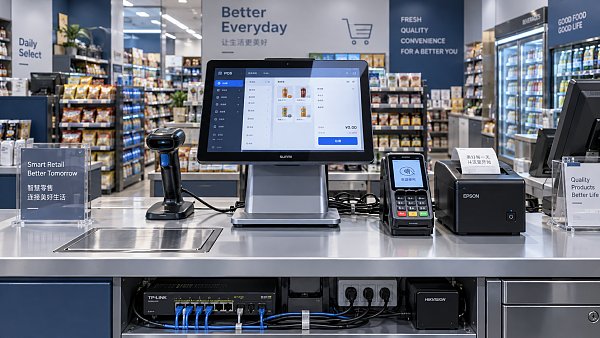
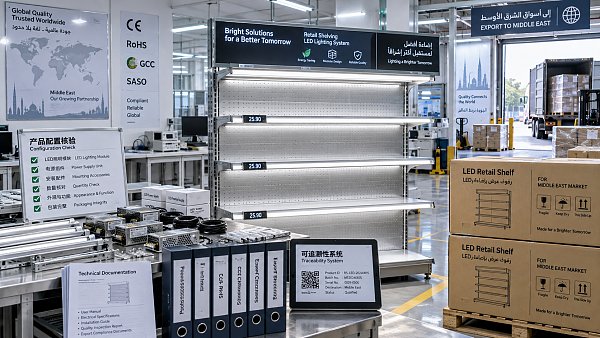
This edition places special emphasis on two themed areas. One is the Smart Retail Zone, covering POS terminals, digital signage, and RFID inventory systems. The other is the Green Fixture Pavilion, covering renewable display racks, bio-based wayfinding systems, and LED modular lighting.
The event will also host a China-Europe green display standards matchmaking session. In addition, pre-registration is being opened to overseas buyers.
Why the standards discussion matters across the supply chain
Smart retail equipment suppliers may face closer specification alignment
From an industry perspective, suppliers of POS terminals, digital signage, and RFID inventory systems may be affected because these product categories often sit at the intersection of hardware procurement, technical compatibility, and market-entry compliance. The standards matchmaking element does not by itself prove that a new rule has already taken effect, but it does indicate that specification alignment may become more visible in buyer discussions, technical reviews, and tender documentation.
For these businesses, the main impact is likely to appear in product documentation, technical file preparation, configuration disclosure, and cross-border procurement communication. What deserves closer attention is whether buyers begin asking for clearer technical descriptions, interoperability evidence, or more standardized compliance materials during sourcing and pre-qualification.
Green fixture and display material vendors may see stricter purchasing questions
Manufacturers and exporters of renewable fixtures, bio-based wayfinding systems, and LED modular lighting may face a different type of pressure. Analysis shows that once green display standards become a formal topic of matchmaking, sustainability claims may increasingly move from marketing language into procurement review. That can affect how suppliers present material composition, product attributes, and supporting records during negotiations or supplier onboarding.
The practical effect may be concentrated in product declarations, materials-related statements, testing records, and bid attachments. For suppliers targeting overseas buyers, the issue is not only whether a product is attractive, but whether its environmental positioning can be explained in a way that matches the buyer's standards framework and documentation expectations.
Overseas buyers and sourcing teams may adjust supplier screening
The opening of pre-registration for overseas buyers suggests that international procurement participation is being actively facilitated. Observably, this may lead sourcing teams to compare suppliers not only on price and delivery, but also on whether they can respond to green display standards discussions and provide usable compliance materials at an early stage.
For buyers, the affected business stages may include supplier shortlisting, request-for-quotation preparation, technical evaluation, and contract risk review. If standards alignment becomes part of the conversation, sourcing teams may place more weight on document completeness, traceability readiness, and the supplier's ability to explain technical and environmental claims consistently.
Service providers may need to support evidence and delivery readiness
Testing-related firms, certification support providers, supply chain service companies, and after-sales teams may also be indirectly affected. It is more appropriate to understand this as a possible execution signal: when exhibitions begin linking green display products with standards matchmaking and overseas buyer outreach, supporting services around documentation, verification, and post-delivery traceability often become more relevant in transaction execution.
Their exposure is likely to center on document handling, technical translation, delivery coordination, and quality follow-up rather than on product design itself. However, no specific new certification or regulatory requirement has been confirmed in the provided information.
What companies should review before market requirements harden
Recheck technical files for smart retail categories
Companies showing or selling POS terminals, digital signage, and RFID inventory systems should closely review whether their technical descriptions, product specifications, and supporting documents are complete and internally consistent. Since the provided information mentions standards matchmaking but does not define detailed execution rules, businesses should treat this as a prompt to verify readiness rather than as proof of a finalized compliance threshold.
Prepare evidence behind green product claims
Suppliers of renewable fixtures, bio-based wayfinding systems, and LED modular lighting should pay attention to how environmental claims are expressed in brochures, quotations, tender files, and export materials. Analysis shows that where standards alignment enters procurement discussions, unsupported sustainability wording can become a transaction risk. Companies should therefore review what documentation they already hold and what may still need clarification if questioned by overseas buyers.
Watch for changes in buyer-side documentation requests
Because overseas buyer pre-registration is part of the event setup, companies should monitor whether procurement processes begin to ask for additional declarations, testing-related materials, technical comparison sheets, or supplier qualification records. The provided information does not confirm such a change yet, but it is a practical area to watch in follow-up communications, tender documents, and sourcing negotiations.
Plan for delivery and after-sales traceability, not only order intake
For exporters and supply chain teams, another point worth following is whether standards discussions begin influencing delivery acceptance, installation expectations, replacement parts management, or post-sale quality tracking. Observably, these requirements often emerge after sourcing decisions rather than at the exhibition stage itself, so businesses should not limit their preparation to front-end marketing materials alone.
How to read the signal from this year's exhibition focus
Analysis shows that this development is better understood as an execution-oriented market signal than as a confirmed new regulation. The event facts do not establish a new law, a mandatory certification scheme, or a binding trade restriction. What they do show is that smart retail systems and green display products are being placed in a context where standards alignment, especially in a China-Europe discussion setting, is becoming commercially relevant.
That distinction matters. If companies overread the event as an already finalized rule change, they may react too narrowly. If they ignore it as a routine exhibition theme, they may miss early buyer signals about documentation, material claims, and technical alignment. The more balanced reading is that the market may be moving toward more formalized procurement language in these categories, but the exact execution path still needs observation.
What this means for near-term market practice
At this stage, the exhibition should be read as a practical indicator that compliance-related discussion is moving closer to sourcing and delivery decisions in commercial space products. The strongest immediate implication is not that a new rule has definitely taken effect, but that suppliers, buyers, and service partners may increasingly be judged on how well they can translate product features into standards-compatible documentation and procurement language.
For the industry, this makes the event relevant beyond exhibition traffic alone. It points to possible adjustments in supplier qualification, tender preparation, export communication, and sustainability claim review. The most reasonable conclusion for now is to treat the development as a live market signal with compliance implications that still require follow-up verification.
Basis of this article and points that still need verification
This article is based on the user-provided news title, event date, and event summary regarding the 2026 Shanghai International Commercial Space Expo. No additional official links, regulatory notices, policy texts, or institutional publications were provided in the input. Therefore, the specific official source links have not been provided here and should continue to be verified.
For events of this type, commonly relevant source categories may include official event announcements, regulator publications, trade or customs authority information, industry association updates, standards organization documents, and reporting by established media outlets. What still needs continued observation includes any later policy detail, standards interpretation, certification practice, buyer-side tender language, and actual market feedback from participating companies and overseas purchasers.
News Recommendations
 How to assess supplier reliability in global supply chain sourcing
![51a6ab95581761cc26f4318be6520c15]()
Aris Katos
Future of Carbide Coatings
 Omdia Forecasts 11.6% CAGR for Global LED Video Display Market in 2026–2030
![51a6ab95581761cc26f4318be6520c15]()
Aris Katos
Future of Carbide Coatings
 How to verify an LFGB testing laboratory's accreditation scope
![51a6ab95581761cc26f4318be6520c15]()
Aris Katos
Future of Carbide Coatings
 How to assess a workplace interior supplier's installation scope
![51a6ab95581761cc26f4318be6520c15]()
Aris Katos
Future of Carbide Coatings
 What records are needed for an ISO 9001 furniture factory audit?
![51a6ab95581761cc26f4318be6520c15]()
Aris Katos
Future of Carbide Coatings
 How to choose AI marketing tools that work with your existing CRM
![51a6ab95581761cc26f4318be6520c15]()
Aris Katos
Future of Carbide Coatings
 Do freight costs erase savings when buying retail fixtures wholesale?
![51a6ab95581761cc26f4318be6520c15]()
Aris Katos
Future of Carbide Coatings
 How heat buildup affects OEM retail shelf LCD screen reliability
![51a6ab95581761cc26f4318be6520c15]()
Aris Katos
Future of Carbide Coatings
 How to check whether an OEM retail shelf screen fits existing shelving
![51a6ab95581761cc26f4318be6520c15]()
Aris Katos
Future of Carbide Coatings
 What brightness should an OEM shelf LCD screen have for retail use?
![51a6ab95581761cc26f4318be6520c15]()
Aris Katos
Future of Carbide Coatings
 Can smart retail IT solutions for CPG work with legacy POS systems?
![51a6ab95581761cc26f4318be6520c15]()
Aris Katos
Future of Carbide Coatings
 What permit approvals belong in a commercial fitout planning checklist?
![51a6ab95581761cc26f4318be6520c15]()
Aris Katos
Future of Carbide Coatings
 How Do You Apply Sustainability Standards to a Retail Renovation?
![51a6ab95581761cc26f4318be6520c15]()
Aris Katos
Future of Carbide Coatings
 Which Technical Factors Matter When Comparing Smart Retail Hardware?
![51a6ab95581761cc26f4318be6520c15]()
Aris Katos
Future of Carbide Coatings
 Does Data Transparency Matter When Selecting Consumer Goods Suppliers?
![51a6ab95581761cc26f4318be6520c15]()
Aris Katos
Future of Carbide Coatings
 How Does Commercial Design Differ from Interior Decoration?
![51a6ab95581761cc26f4318be6520c15]()
Aris Katos
Future of Carbide Coatings
 How Long Does It Take to Verify a Commercial Furniture Supplier?
![51a6ab95581761cc26f4318be6520c15]()
Aris Katos
Future of Carbide Coatings
 How to verify compostability claims from a bubble mailer manufacturer
![51a6ab95581761cc26f4318be6520c15]()
Aris Katos
Future of Carbide Coatings
 Will commercial smart infrastructure solutions work with legacy systems?
![51a6ab95581761cc26f4318be6520c15]()
Aris Katos
Future of Carbide Coatings
 How to verify a preschool furniture manufacturer's safety standards
![51a6ab95581761cc26f4318be6520c15]()
Aris Katos
Future of Carbide Coatings
 A technical comparison of semiconductor processes for power devices
![51a6ab95581761cc26f4318be6520c15]()
Aris Katos
Future of Carbide Coatings
 How to verify that a BIFMA ergonomic chair meets the standard
![51a6ab95581761cc26f4318be6520c15]()
Aris Katos
Future of Carbide Coatings
 How to use a CRI value chart when choosing LED lighting
![51a6ab95581761cc26f4318be6520c15]()
Aris Katos
Future of Carbide Coatings
 How to compare hotel aroma diffuser wholesale options by coverage area
![51a6ab95581761cc26f4318be6520c15]()
Aris Katos
Future of Carbide Coatings
 How to prevent O-rings and seals from failing in food equipment
![51a6ab95581761cc26f4318be6520c15]()
Aris Katos
Future of Carbide Coatings
 How to compare commercial linear light wholesale quotes accurately
![51a6ab95581761cc26f4318be6520c15]()
Aris Katos
Future of Carbide Coatings
 How to verify international standards compliance for Middle East exports
![51a6ab95581761cc26f4318be6520c15]()
Aris Katos
Future of Carbide Coatings
 How to select laboratory instruments for reproducible test results
![51a6ab95581761cc26f4318be6520c15]()
Aris Katos
Future of Carbide Coatings
 When does a sheet metal prototype reveal design flaws early?
![51a6ab95581761cc26f4318be6520c15]()
Aris Katos
Future of Carbide Coatings
 When PE air column bags reduce damage in e-commerce fulfillment
![51a6ab95581761cc26f4318be6520c15]()
Aris Katos
Future of Carbide Coatings
 How energy-efficient design reduces operating costs in retail lighting
![51a6ab95581761cc26f4318be6520c15]()
Aris Katos
Future of Carbide Coatings
 When commercial aluminum storefronts make sense for a retail renovation
![51a6ab95581761cc26f4318be6520c15]()
Aris Katos
Future of Carbide Coatings
 What makes LED lights durable in high-use commercial spaces?
![51a6ab95581761cc26f4318be6520c15]()
Aris Katos
Future of Carbide Coatings
 Which industry categories offer the strongest export potential in Latin America?
![51a6ab95581761cc26f4318be6520c15]()
Aris Katos
Future of Carbide Coatings
 How to choose an ultra bright waterproof window display for storefronts
![51a6ab95581761cc26f4318be6520c15]()
Aris Katos
Future of Carbide Coatings
 How to verify suppliers on a trade portal for global sourcing
![51a6ab95581761cc26f4318be6520c15]()
Aris Katos
Future of Carbide Coatings
 How RoHS requirements should be stated in product specifications
![51a6ab95581761cc26f4318be6520c15]()
Aris Katos
Future of Carbide Coatings
 What affects the lead time for custom retail counter displays?
![51a6ab95581761cc26f4318be6520c15]()
Aris Katos
Future of Carbide Coatings
 What consumer packaging USA importers need to verify before ordering
![51a6ab95581761cc26f4318be6520c15]()
Aris Katos
Future of Carbide Coatings