Commercial Glamping Tent Wholesale: Avoid Costly Sourcing Mistakes
Time
Click Count
Commercial glamping tent wholesale can unlock strong margins for resorts, campgrounds, and outdoor hospitality brands—but only when sourcing decisions are backed by reliable benchmarks. For procurement teams, the real risk is not just price; it is hidden in material durability, fire resistance, structural safety, logistics, compliance, and supplier transparency. This guide helps buyers identify costly sourcing mistakes before they affect project timelines, guest experience, or long-term operating costs.
For sourcing directors, a glamping tent is not a simple outdoor shelter. It is a guest-facing asset, a revenue unit, and a long-cycle operational investment.
The right wholesale decision should balance architecture, safety, interior fit-out compatibility, maintenance cycles, and local approval requirements across 3 to 5 years of operation.
Why Wholesale Glamping Tent Sourcing Fails
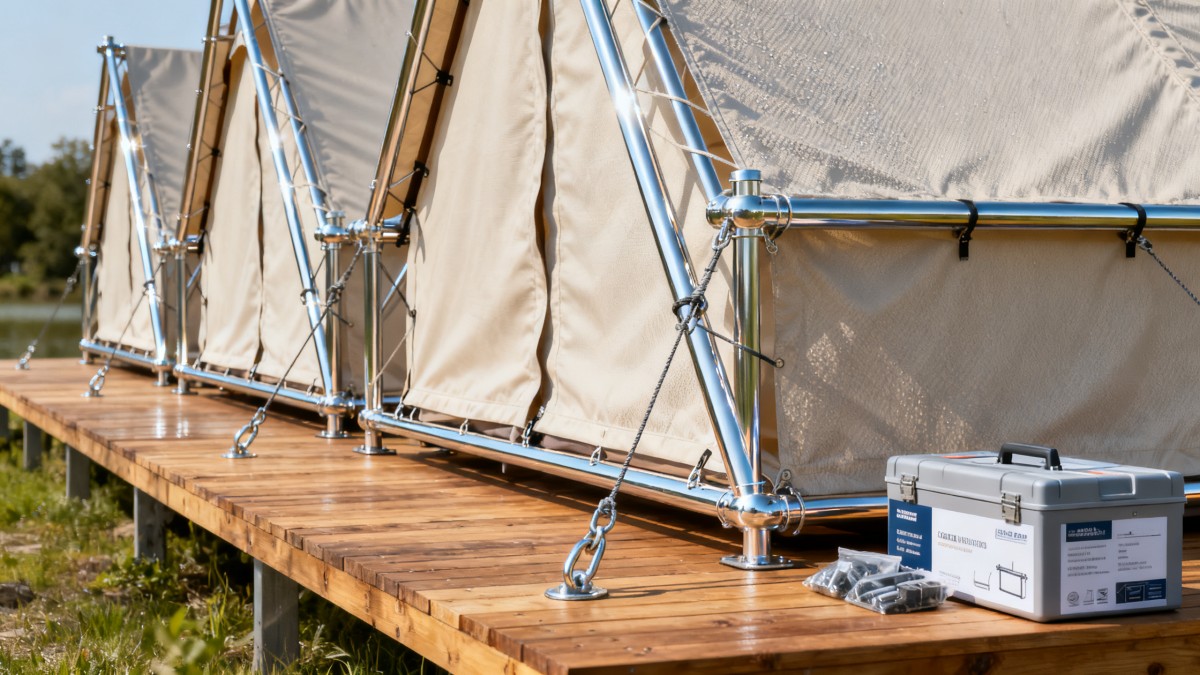
Many commercial glamping tent wholesale projects fail before installation begins because procurement teams evaluate suppliers like commodity textile vendors rather than commercial space partners.
A resort may compare 3 quotations and choose the lowest unit price, only to discover higher costs in reinforcement, replacement fabric, delayed shipping, or missing compliance documents.
Price Is Only One Cost Layer
In outdoor hospitality, the purchase price may represent only 45% to 65% of the total first-year project cost. Foundations, logistics, furniture, fire systems, and installation labor quickly change the equation.
Procurement teams should request a landed-cost model covering packaging volume, container utilization, spare parts, site assembly hours, customs documents, and after-sales response windows.
Common Mistakes Buyers Should Avoid
- Accepting fabric specifications without confirming coating type, UV rating, hydrostatic pressure, or flame-retardant testing method.
- Ordering based on showroom images without reviewing structural drawings, wind-load assumptions, and anchoring requirements.
- Ignoring local approval needs, especially in areas requiring fire classification, electrical safety review, or temporary accommodation permits.
- Skipping sample inspection when the order exceeds 20 units or includes customized decks, bathrooms, HVAC openings, or panoramic windows.
These mistakes are expensive because tents are usually installed in clusters. A defect repeated across 30 units can affect an entire season of occupancy.
A Better Procurement Starting Point
Start with the operating model: expected nightly rate, target occupancy, climate zone, guest capacity, cleaning frequency, and service life expectation.
Only after defining these parameters should the buyer shortlist commercial glamping tent wholesale suppliers by technical capability, not catalog appearance alone.
Material, Structure, and Safety Benchmarks
A commercial tent must perform under sun exposure, wind pressure, temperature swings, guest movement, and repeated cleaning cycles. A residential camping mindset is insufficient.
Typical project specifications should include fabric weight, frame thickness, corrosion treatment, zipper grade, waterproof index, ventilation plan, and expected maintenance interval.
The following table gives procurement teams a practical benchmark for comparing quotations during commercial glamping tent wholesale evaluation.
The key conclusion is simple: technical documentation must be reviewed before deposit payment. Visual quality is important, but verified performance reduces lifecycle risk.
Climate Matching Matters
A coastal resort, desert camp, forest retreat, and mountain site need different specifications. Humidity, salt air, snow load, and UV exposure affect material aging.
For high-wind locations, procurement teams should ask suppliers for structural assumptions, anchoring options, and recommended inspection frequency after storms above local warning levels.
Interior Integration Should Not Be an Afterthought
Modern glamping units often include beds, lighting, smart locks, mini-splits, plumbing modules, and branded furniture. These systems add load, heat, wiring, and maintenance considerations.
Before approving production drawings, check cable routes, ventilation gaps, condensate drainage, floor load, and fixture mounting points for at least 2 interior layouts.
Supplier Transparency and Compliance Checks
In commercial glamping tent wholesale, supplier transparency is a procurement control system. It determines whether a project can move from quotation to installation without repeated surprises.
A credible supplier should provide technical drawings, material test reports, production schedule, packaging details, installation guidance, and clear responsibility for customized components.
Documents to Request Before Purchase Order
- Quotation breakdown with unit price, optional upgrades, packaging cost, tooling cost, and spare part pricing.
- Material specification sheet covering fabric, coating, frame, floor system, fasteners, windows, and mesh.
- Structural drawing package with dimensions, anchoring method, and site preparation notes.
- Relevant test reports for flame retardancy, waterproofing, corrosion resistance, or electrical components when applicable.
- Production and inspection plan covering at least 3 checkpoints: incoming materials, pre-assembly, and final packing.
These documents help procurement teams compare suppliers on the same baseline. They also create accountability if quality deviations appear during inspection.
MOQ, Lead Time, and Customization Reality
Many suppliers advertise flexible customization, but commercial orders still depend on fabric procurement, frame processing, hardware batching, and packing schedules.
Typical lead times may range from 25 to 60 days after drawing confirmation, while complex resort layouts can require 2 to 4 weeks for engineering coordination.
Supplier Questions That Reveal Capability
- How many tent sizes can be produced using the same frame platform?
- Which parts are standardized, and which parts require custom tooling or longer replacement cycles?
- Can packing lists identify each unit by zone, tent number, and component category?
- What is the standard response time for missing parts or installation questions during site assembly?
Good answers are specific. Vague responses such as “no problem” or “standard quality” should trigger deeper verification before deposit payment.
Cost Control Across Logistics, Installation, and Operation
The financial value of commercial glamping tent wholesale depends on controlling the full project chain, not just negotiating a lower factory price.
A tent package may involve 6 cost centers: product, inland transport, export packing, ocean freight, site labor, and long-term maintenance inventory.
The table below helps procurement teams separate visible price from operational cost when comparing wholesale glamping tent suppliers.
The strongest buyers treat logistics and maintenance as sourcing specifications. This approach reduces emergency purchasing and protects guest experience during peak seasons.
Installation Planning for Multi-Unit Projects
For projects above 10 units, a phased installation plan is usually safer than simultaneous assembly. It allows teams to correct anchoring, drainage, and alignment problems early.
A practical rollout can follow 5 steps: site survey, foundation check, pilot unit, batch installation, and final guest-readiness inspection.
Guest Experience Is a Procurement Metric
Guests notice leaks, noise, poor ventilation, odors, insects, unstable flooring, and weak lighting quickly. Procurement decisions directly affect reviews and repeat bookings.
When comparing tents, evaluate acoustic comfort, window placement, blackout performance, entry durability, and maintenance access as part of commercial value.
How G-BCE Helps Procurement Teams Benchmark Suppliers
G-BCE supports commercial buyers by organizing cross-sector intelligence for modern spaces, supply chains, fixtures, smart retail hardware, lighting, signage, and sustainable packaging.
For commercial glamping tent wholesale, the same benchmarking logic applies: materials, safety, logistics, user experience, and supplier reliability must be evaluated together.
Procurement Framework for Better Decisions
A structured sourcing workflow gives purchasing teams a repeatable process, especially when comparing Asian manufacturing capabilities with global project expectations.
- Define project use cases, climate conditions, capacity needs, and opening date constraints.
- Create a technical specification sheet with 12 to 20 measurable requirements.
- Shortlist suppliers using documents, production capacity, communication speed, and sample quality.
- Run sample inspection or pilot installation before approving mass production.
- Confirm packing, shipment, spare parts, and after-sales escalation channels in writing.
This process prevents emotional buying and makes supplier comparison more objective. It also helps non-technical stakeholders understand why the lowest price may carry higher risk.
When to Choose a Higher-Spec Tent
Higher-spec units are usually justified when the site operates year-round, charges premium nightly rates, or faces wind, rain, snow, or strong UV exposure.
They may also be necessary when tents include bathrooms, HVAC, smart entry systems, decorative lighting, or integrated decks that increase structural and maintenance demands.
Procurement FAQ for Commercial Glamping Tent Wholesale
Buyers often ask similar questions when moving from concept design to purchase order. The answers below reflect common commercial sourcing considerations.
What MOQ Should Buyers Expect?
MOQ varies by design, fabric, and customization level. Standard models may start from a few units, while customized resort packages often become efficient above 10 to 20 units.
Should Buyers Request a Sample?
Yes, especially for branded hospitality projects. A sample or pilot unit can reveal issues in fabric feel, assembly sequence, ventilation, hardware labeling, and interior compatibility.
Which Certifications Matter Most?
Certification needs depend on the destination market and project type. Fire performance, electrical safety, material safety, and structural review are usually the first categories to verify.
How Can Buyers Reduce Delivery Risk?
Confirm drawings early, avoid late customization, inspect packing photos, reserve 2 to 3 weeks of schedule buffer, and clarify responsibility for missing or damaged parts.
Build a Safer Wholesale Sourcing Strategy
Commercial glamping tent wholesale rewards buyers who combine design ambition with procurement discipline. The best sourcing decisions connect guest comfort, safety, logistics, and lifecycle cost.
Before choosing a supplier, benchmark material data, frame design, compliance documents, packaging plans, installation support, and spare part availability across at least 3 qualified options.
G-BCE helps sourcing directors and commercial project teams evaluate suppliers through structured benchmarking, practical risk review, and cross-sector insight into modern consumer environments.
If you are planning a resort, campground, or outdoor hospitality project, contact us to discuss sourcing benchmarks, compare supplier capabilities, and get a tailored procurement strategy.
News Recommendations
 What records are needed for an ISO 9001 furniture factory audit?
![51a6ab95581761cc26f4318be6520c15]()
Aris Katos
Future of Carbide Coatings
 How to choose AI marketing tools that work with your existing CRM
![51a6ab95581761cc26f4318be6520c15]()
Aris Katos
Future of Carbide Coatings
 Do freight costs erase savings when buying retail fixtures wholesale?
![51a6ab95581761cc26f4318be6520c15]()
Aris Katos
Future of Carbide Coatings
 Can smart retail IT solutions for CPG work with legacy POS systems?
![51a6ab95581761cc26f4318be6520c15]()
Aris Katos
Future of Carbide Coatings
 What permit approvals belong in a commercial fitout planning checklist?
![51a6ab95581761cc26f4318be6520c15]()
Aris Katos
Future of Carbide Coatings
 How Does Commercial Design Differ from Interior Decoration?
![51a6ab95581761cc26f4318be6520c15]()
Aris Katos
Future of Carbide Coatings
 How Long Does It Take to Verify a Commercial Furniture Supplier?
![51a6ab95581761cc26f4318be6520c15]()
Aris Katos
Future of Carbide Coatings
 How to verify compostability claims from a bubble mailer manufacturer
![51a6ab95581761cc26f4318be6520c15]()
Aris Katos
Future of Carbide Coatings
 Will commercial smart infrastructure solutions work with legacy systems?
![51a6ab95581761cc26f4318be6520c15]()
Aris Katos
Future of Carbide Coatings
 How to verify a preschool furniture manufacturer's safety standards
![51a6ab95581761cc26f4318be6520c15]()
Aris Katos
Future of Carbide Coatings
 A technical comparison of semiconductor processes for power devices
![51a6ab95581761cc26f4318be6520c15]()
Aris Katos
Future of Carbide Coatings
 How to verify that a BIFMA ergonomic chair meets the standard
![51a6ab95581761cc26f4318be6520c15]()
Aris Katos
Future of Carbide Coatings
 How to use a CRI value chart when choosing LED lighting
![51a6ab95581761cc26f4318be6520c15]()
Aris Katos
Future of Carbide Coatings
 How to compare hotel aroma diffuser wholesale options by coverage area
![51a6ab95581761cc26f4318be6520c15]()
Aris Katos
Future of Carbide Coatings
 How to prevent O-rings and seals from failing in food equipment
![51a6ab95581761cc26f4318be6520c15]()
Aris Katos
Future of Carbide Coatings
 How to compare commercial linear light wholesale quotes accurately
![51a6ab95581761cc26f4318be6520c15]()
Aris Katos
Future of Carbide Coatings
 How to verify international standards compliance for Middle East exports
![51a6ab95581761cc26f4318be6520c15]()
Aris Katos
Future of Carbide Coatings
 How to select laboratory instruments for reproducible test results
![51a6ab95581761cc26f4318be6520c15]()
Aris Katos
Future of Carbide Coatings
 When does a sheet metal prototype reveal design flaws early?
![51a6ab95581761cc26f4318be6520c15]()
Aris Katos
Future of Carbide Coatings
 When PE air column bags reduce damage in e-commerce fulfillment
![51a6ab95581761cc26f4318be6520c15]()
Aris Katos
Future of Carbide Coatings
 How energy-efficient design reduces operating costs in retail lighting
![51a6ab95581761cc26f4318be6520c15]()
Aris Katos
Future of Carbide Coatings
 When commercial aluminum storefronts make sense for a retail renovation
![51a6ab95581761cc26f4318be6520c15]()
Aris Katos
Future of Carbide Coatings
 What makes LED lights durable in high-use commercial spaces?
![51a6ab95581761cc26f4318be6520c15]()
Aris Katos
Future of Carbide Coatings
 Which industry categories offer the strongest export potential in Latin America?
![51a6ab95581761cc26f4318be6520c15]()
Aris Katos
Future of Carbide Coatings
 How to choose an ultra bright waterproof window display for storefronts
![51a6ab95581761cc26f4318be6520c15]()
Aris Katos
Future of Carbide Coatings
 How to verify suppliers on a trade portal for global sourcing
![51a6ab95581761cc26f4318be6520c15]()
Aris Katos
Future of Carbide Coatings
 How RoHS requirements should be stated in product specifications
![51a6ab95581761cc26f4318be6520c15]()
Aris Katos
Future of Carbide Coatings
 What affects the lead time for custom retail counter displays?
![51a6ab95581761cc26f4318be6520c15]()
Aris Katos
Future of Carbide Coatings
 What consumer packaging USA importers need to verify before ordering
![51a6ab95581761cc26f4318be6520c15]()
Aris Katos
Future of Carbide Coatings
 How commercial spaces interiors shape customer dwell time
![51a6ab95581761cc26f4318be6520c15]()
Aris Katos
Future of Carbide Coatings
 How LED commercial lighting design reduces glare in retail spaces
![51a6ab95581761cc26f4318be6520c15]()
Aris Katos
Future of Carbide Coatings
 How industrial technology information improves RFID inventory accuracy
![51a6ab95581761cc26f4318be6520c15]()
Aris Katos
Future of Carbide Coatings
 When drip garden watering systems make more sense than sprinklers
![51a6ab95581761cc26f4318be6520c15]()
Aris Katos
Future of Carbide Coatings
 When category comparison improves sourcing for industrial applications
![51a6ab95581761cc26f4318be6520c15]()
Aris Katos
Future of Carbide Coatings
 Industrial application guidance for selecting the right LED lighting
![51a6ab95581761cc26f4318be6520c15]()
Aris Katos
Future of Carbide Coatings
 Which commercial architecture standards apply to European retail fit-outs?
![51a6ab95581761cc26f4318be6520c15]()
Aris Katos
Future of Carbide Coatings
 How to verify FDA requirements for maternity care products
![51a6ab95581761cc26f4318be6520c15]()
Aris Katos
Future of Carbide Coatings
 How to verify BPA-free claims for food-contact products
![51a6ab95581761cc26f4318be6520c15]()
Aris Katos
Future of Carbide Coatings
 When does a European wholesale supplier suit modular office projects?
![51a6ab95581761cc26f4318be6520c15]()
Aris Katos
Future of Carbide Coatings