Commercial Furniture Design Ideas That Improve Space Flow
Time
Click Count
Efficient layouts begin with smart commercial furniture design that supports movement, comfort, and daily operations. In busy environments, layout decisions shape sales, service speed, employee focus, and visitor satisfaction.
Well-planned commercial furniture design reduces friction between people, products, and technology. It also helps commercial spaces balance aesthetics, compliance, durability, and sustainability across retail, office, hospitality, and mixed-use settings.
For global projects, design choices must also reflect material standards, modular flexibility, and lifecycle value. That is where benchmark-driven insight supports better planning and long-term operational performance.
Why space flow changes from one commercial setting to another
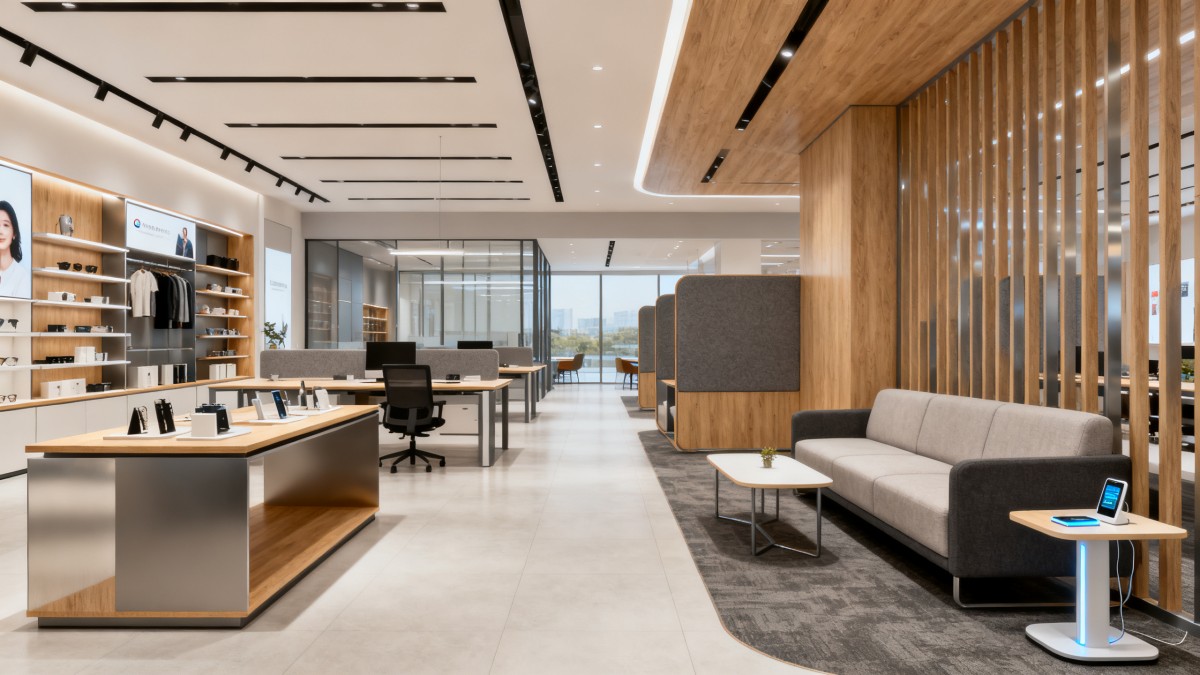
Space flow is not one universal formula. The same commercial furniture design approach can work in a showroom yet fail in a clinic, lounge, or open office.
Traffic patterns differ by dwell time, peak occupancy, service model, and accessibility needs. Furniture must guide movement without creating visual clutter or physical bottlenecks.
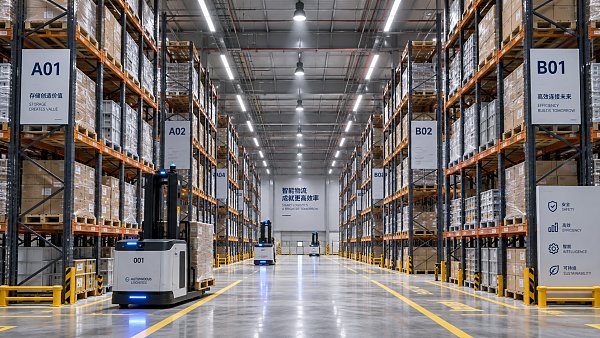
In integrated commercial ecosystems, furniture also interacts with lighting, signage, POS hardware, power access, and packaging zones. Good flow depends on all these systems working together.
This is why commercial furniture design should begin with scenario mapping. Teams need to understand where people enter, pause, queue, collaborate, browse, and exit.
Retail spaces need furniture that directs browsing without blocking decisions
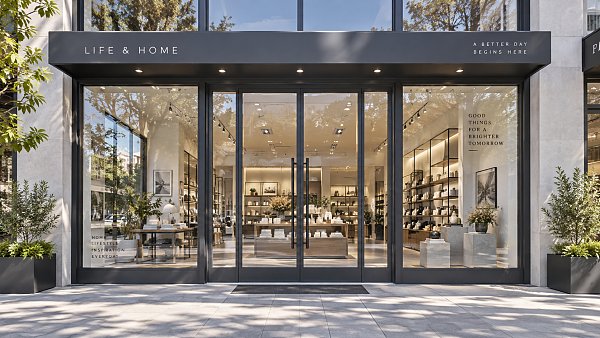
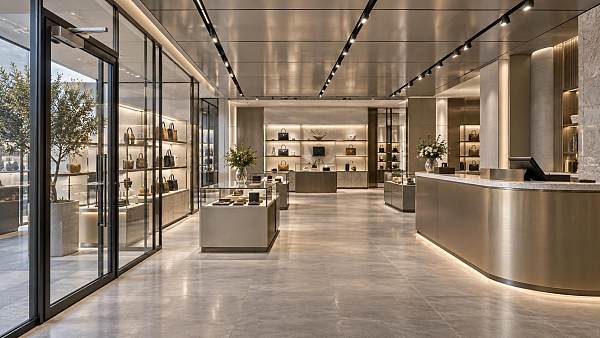
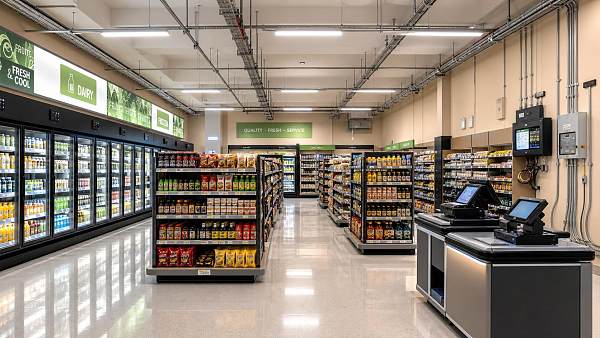
In retail, commercial furniture design must support discovery while keeping circulation intuitive. Shoppers should move naturally between featured zones, staple products, service counters, and checkout points.
Low-profile fixtures near entry areas help maintain sightlines. Modular display tables create flexible pathways and make seasonal reconfiguration easier without major disruption.
Key retail judgment points
- Keep primary aisles wide enough for two-way movement.
- Use fixture heights to preserve product visibility.
- Place impulse displays outside queue pinch points.
- Support digital touchpoints with clear standing space.
Retail-focused commercial furniture design also benefits from mobile units. Lockable casters, lightweight frames, and modular shelving help stores adapt to promotions and traffic spikes.
Office environments require flow between focus, collaboration, and privacy
In offices, space flow is about movement quality, not only movement speed. Commercial furniture design must support quiet work, informal meetings, hybrid calls, and circulation between departments.
Benching systems can improve density, but poor spacing creates distraction. Acoustic screens, storage dividers, and shared touchdown tables help shape movement while preserving visual openness.
Useful office design ideas
- Use sit-stand workstations near core work areas.
- Place collaboration furniture near circulation edges.
- Keep enclosed booths away from emergency routes.
- Integrate cable control to reduce tripping risks.
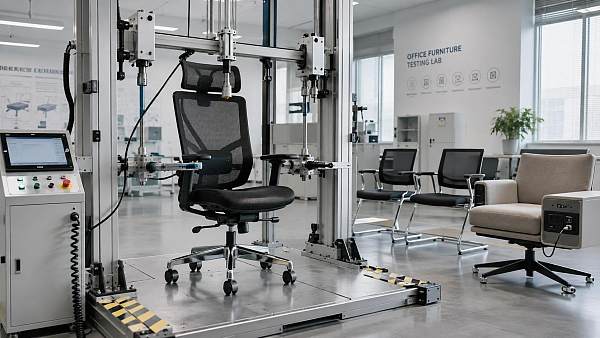
High-performing commercial furniture design in offices also considers ergonomic standards and durability benchmarks. Products aligned with BIFMA expectations usually support better safety and lifecycle consistency.
Hospitality and public waiting areas depend on comfort-led circulation
Hotels, lounges, clinics, and reception zones have different emotional goals, yet they share one challenge. Furniture must organize waiting, socializing, and service access without making spaces feel crowded.
Commercial furniture design works best here when seating clusters create soft boundaries. Guests should understand where to sit, queue, charge devices, or place luggage without extra signage.
Core judgment points for hospitality flow
- Avoid oversized sofas in narrow circulation areas.
- Use varied seat heights for different dwell times.
- Add tables only where they do not interrupt pathways.
- Plan charging access near lounge seating.
Materials matter too. Commercial furniture design for hospitality should favor easy-clean surfaces, stable frames, and finishes that hold visual quality under heavy use.
Showrooms and mixed-use spaces need flexible layouts that evolve quickly
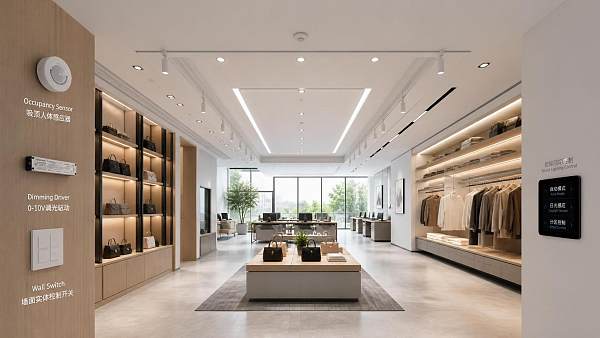
Showrooms and hybrid commercial venues often combine product display, consultation, events, and digital interaction. Static layouts struggle when one space must serve multiple functions in one day.
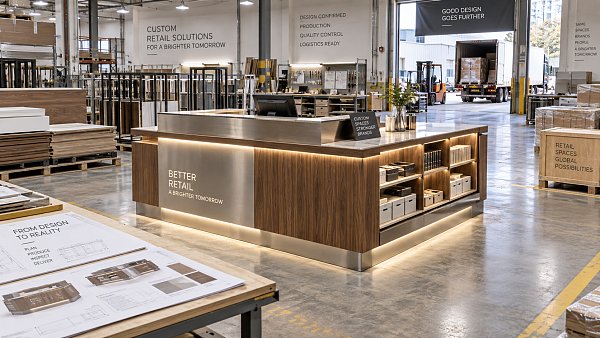
That makes modular commercial furniture design especially valuable. Nesting tables, reconfigurable shelving, mobile counters, and stackable seating allow fast change without harming presentation quality.
Flexible planning should still preserve anchor routes. Visitors need a clear directional logic even when displays, seating, or demo stations are rearranged for campaigns or events.
How scenario needs differ across commercial furniture design decisions
Practical ways to match commercial furniture design to each scenario
- Map primary, secondary, and service circulation before choosing furniture sizes.
- Select modular systems where layouts change seasonally or weekly.
- Prioritize furniture with integrated power in longer-dwell environments.
- Check materials against cleaning frequency and impact exposure.
- Review compliance factors, including UL, CE, and ergonomic benchmarks.
- Coordinate furniture placement with lighting, signage, and digital hardware.
These actions make commercial furniture design more measurable. Instead of styling a room first, they connect product selection to movement efficiency, operational needs, and user comfort.
Common mistakes that weaken space flow in commercial environments
One frequent mistake is choosing furniture only by appearance. Beautiful pieces can still interrupt circulation, block visibility, or create awkward waiting behavior.
Another issue is ignoring transition zones. Entry points, corners, queue starts, and device stations often need the most careful commercial furniture design attention.
Teams also underestimate future change. Fixed millwork may look premium, but excessive permanence reduces agility when consumer behavior, technology, or branding priorities shift.
A final blind spot is poor systems integration. Furniture, lighting, signage, and smart retail tools should reinforce one another instead of competing for space.
Next steps for improving layout performance with commercial furniture design
Start with a flow audit. Observe where people stop, turn back, wait too long, or avoid certain areas. Those patterns reveal where commercial furniture design needs adjustment.
Then compare current furniture against durability, ergonomics, flexibility, and compliance benchmarks. Data-backed evaluation often highlights hidden upgrade priorities across multiple locations.
For global projects, a benchmarking platform such as G-BCE can support smarter specification decisions. It helps align furniture, fixtures, materials, and commercial technology with international performance expectations.
The best commercial furniture design does more than fill a floor plan. It improves movement, supports brand experience, and builds resilient spaces ready for changing business demands.
News Recommendations
 How to prevent O-rings and seals from failing in food equipment
![51a6ab95581761cc26f4318be6520c15]()
Aris Katos
Future of Carbide Coatings
 How to compare commercial linear light wholesale quotes accurately
![51a6ab95581761cc26f4318be6520c15]()
Aris Katos
Future of Carbide Coatings
 How to verify international standards compliance for Middle East exports
![51a6ab95581761cc26f4318be6520c15]()
Aris Katos
Future of Carbide Coatings
 How to select laboratory instruments for reproducible test results
![51a6ab95581761cc26f4318be6520c15]()
Aris Katos
Future of Carbide Coatings
 When does a sheet metal prototype reveal design flaws early?
![51a6ab95581761cc26f4318be6520c15]()
Aris Katos
Future of Carbide Coatings
 When PE air column bags reduce damage in e-commerce fulfillment
![51a6ab95581761cc26f4318be6520c15]()
Aris Katos
Future of Carbide Coatings
 How energy-efficient design reduces operating costs in retail lighting
![51a6ab95581761cc26f4318be6520c15]()
Aris Katos
Future of Carbide Coatings
 When commercial aluminum storefronts make sense for a retail renovation
![51a6ab95581761cc26f4318be6520c15]()
Aris Katos
Future of Carbide Coatings
 What makes LED lights durable in high-use commercial spaces?
![51a6ab95581761cc26f4318be6520c15]()
Aris Katos
Future of Carbide Coatings
 Which industry categories offer the strongest export potential in Latin America?
![51a6ab95581761cc26f4318be6520c15]()
Aris Katos
Future of Carbide Coatings
 How to choose an ultra bright waterproof window display for storefronts
![51a6ab95581761cc26f4318be6520c15]()
Aris Katos
Future of Carbide Coatings
 How to verify suppliers on a trade portal for global sourcing
![51a6ab95581761cc26f4318be6520c15]()
Aris Katos
Future of Carbide Coatings
 How RoHS requirements should be stated in product specifications
![51a6ab95581761cc26f4318be6520c15]()
Aris Katos
Future of Carbide Coatings
 What affects the lead time for custom retail counter displays?
![51a6ab95581761cc26f4318be6520c15]()
Aris Katos
Future of Carbide Coatings
 What consumer packaging USA importers need to verify before ordering
![51a6ab95581761cc26f4318be6520c15]()
Aris Katos
Future of Carbide Coatings
 How commercial spaces interiors shape customer dwell time
![51a6ab95581761cc26f4318be6520c15]()
Aris Katos
Future of Carbide Coatings
 How LED commercial lighting design reduces glare in retail spaces
![51a6ab95581761cc26f4318be6520c15]()
Aris Katos
Future of Carbide Coatings
 How industrial technology information improves RFID inventory accuracy
![51a6ab95581761cc26f4318be6520c15]()
Aris Katos
Future of Carbide Coatings
 When drip garden watering systems make more sense than sprinklers
![51a6ab95581761cc26f4318be6520c15]()
Aris Katos
Future of Carbide Coatings
 When category comparison improves sourcing for industrial applications
![51a6ab95581761cc26f4318be6520c15]()
Aris Katos
Future of Carbide Coatings
 Industrial application guidance for selecting the right LED lighting
![51a6ab95581761cc26f4318be6520c15]()
Aris Katos
Future of Carbide Coatings
 Which commercial architecture standards apply to European retail fit-outs?
![51a6ab95581761cc26f4318be6520c15]()
Aris Katos
Future of Carbide Coatings
 How to verify FDA requirements for maternity care products
![51a6ab95581761cc26f4318be6520c15]()
Aris Katos
Future of Carbide Coatings
 How to verify BPA-free claims for food-contact products
![51a6ab95581761cc26f4318be6520c15]()
Aris Katos
Future of Carbide Coatings
 When does a European wholesale supplier suit modular office projects?
![51a6ab95581761cc26f4318be6520c15]()
Aris Katos
Future of Carbide Coatings
 When consumer ecosystem solutions improve the in-store shopping journey
![51a6ab95581761cc26f4318be6520c15]()
Aris Katos
Future of Carbide Coatings
 How a commercial developers network can reduce site selection risk
![51a6ab95581761cc26f4318be6520c15]()
Aris Katos
Future of Carbide Coatings
 How clear purchasing specifications prevent costly supplier deviations
![51a6ab95581761cc26f4318be6520c15]()
Aris Katos
Future of Carbide Coatings
 What an ISTA drop test lab checks before your packaging ships
![51a6ab95581761cc26f4318be6520c15]()
Aris Katos
Future of Carbide Coatings
 Which commercial furniture standards apply to workplace seating?
![51a6ab95581761cc26f4318be6520c15]()
Aris Katos
Future of Carbide Coatings
 How to evaluate smart lighting module OEM compatibility before sampling
![51a6ab95581761cc26f4318be6520c15]()
Aris Katos
Future of Carbide Coatings
 How to assess whether sustainable technology delivers real impact
![51a6ab95581761cc26f4318be6520c15]()
Aris Katos
Future of Carbide Coatings
 How to assess an OEM supplier’s quality control before ordering
![51a6ab95581761cc26f4318be6520c15]()
Aris Katos
Future of Carbide Coatings
 How consumer ecosystem solutions data can improve retail personalization
![51a6ab95581761cc26f4318be6520c15]()
Aris Katos
Future of Carbide Coatings
 When does consumer packaging design justify a higher product price?
![51a6ab95581761cc26f4318be6520c15]()
Aris Katos
Future of Carbide Coatings
 Supermarket Fixture Installation: Planning Layouts, Wiring, and Handover
![51a6ab95581761cc26f4318be6520c15]()
Aris Katos
Future of Carbide Coatings
 Automated Lighting and Smart Lighting Control in Bergerac: Key Project Considerations
![51a6ab95581761cc26f4318be6520c15]()
Aris Katos
Future of Carbide Coatings
 Segment Streetlight Controllers: Choosing Control Modes for Urban Roads
![51a6ab95581761cc26f4318be6520c15]()
Aris Katos
Future of Carbide Coatings
 IEC 62471-2 Explained: How to Assess Photobiological Risks in LED Lighting
![51a6ab95581761cc26f4318be6520c15]()
Aris Katos
Future of Carbide Coatings