How to Compare Commercial Furniture Manufacturers
Time
Click Count
Choosing among commercial furniture manufacturers requires more than a quick review of price lists or product photos. A useful comparison should test build quality, standards compliance, customization depth, material consistency, project management discipline, and after-sales support. In global fit-out projects, the wrong supplier can create delays, installation issues, and brand mismatch across multiple locations. This guide explains how to compare commercial furniture manufacturers with a structured checklist that supports better sourcing decisions and lowers operational risk.
Why a Checklist Matters When Comparing Commercial Furniture Manufacturers

Commercial spaces rarely buy one product in isolation. They source desks, seating, display fixtures, reception counters, storage, and branded elements as one coordinated system.
That makes supplier comparison more complex. One factory may offer attractive pricing, yet fail on finish control, packaging protection, or delivery reliability.
A checklist prevents decisions driven by samples alone. It helps compare commercial furniture manufacturers on measurable factors, not assumptions.
It also supports cross-border sourcing, where buyers must verify certifications, quality systems, engineering capability, and communication speed before placing large production orders.
Core Checklist to Compare Commercial Furniture Manufacturers
- Define project scope first, including furniture categories, target quantities, finish expectations, required standards, installation conditions, and rollout schedule across all locations.
- Verify manufacturing specialization by checking whether the supplier truly produces workplace, hospitality, retail, healthcare, or education furniture at commercial-grade performance levels.
- Review compliance documents for BIFMA, UL, CE, fire ratings, VOC performance, and local market requirements relevant to the installation region.
- Inspect material traceability for metal, laminate, solid surface, engineered wood, upholstery, foam, and hardware used across repeated production batches.
- Check engineering depth by asking for shop drawings, exploded structures, tolerance control methods, and problem-solving examples from previous custom projects.
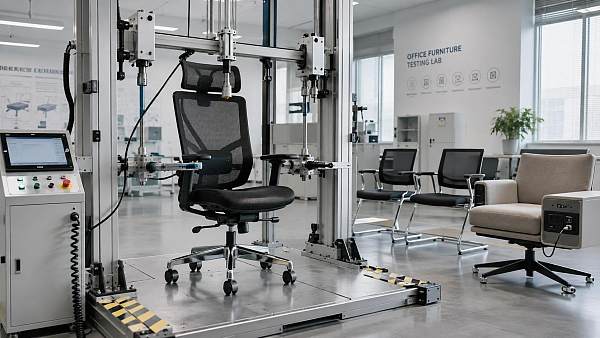
- Compare prototype quality, not just final appearance. Test edge banding, weld consistency, drawer movement, leveling, fasteners, and ergonomic stability.
- Measure customization capability through finish libraries, branded detailing, modular dimensions, integrated power options, and flexibility for regional code adjustments.
- Ask about lead times by phase, including sampling, engineering approval, production, quality inspection, packing, export handling, and final delivery windows.
- Audit quality assurance processes such as incoming inspection, in-line checks, final inspection standards, defect escalation, and corrective action reporting.
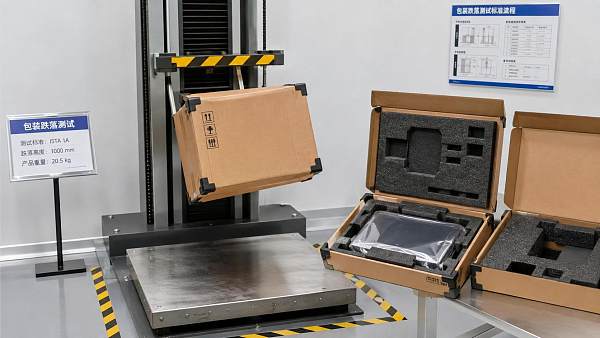
- Evaluate packaging design for export durability, installation labeling, site sequencing, and protection of fragile finishes during long-distance transportation.
- Compare communication discipline by reviewing response time, revision control, technical clarity, and consistency between sales, engineering, and production teams.
- Confirm after-sales support, including spare parts availability, warranty terms, field issue handling, and replacement speed for damaged or missing items.
How to Score the Comparison
A practical sourcing method is to score each supplier on five weighted groups: quality, compliance, customization, delivery, and total cost of ownership.
This reduces bias toward the lowest quote. Many commercial furniture manufacturers appear similar until project execution reveals differences in consistency and control.
How Comparison Criteria Change by Application
Office and Corporate Interiors
For office environments, compare commercial furniture manufacturers on ergonomics, cable management, acoustic integration, and workstation reconfiguration flexibility.
Durability matters, but so does employee experience. Chairs, desks, meeting tables, and storage systems must support daily use without visual fatigue or functional inconsistency.
Retail Stores and Brand Spaces
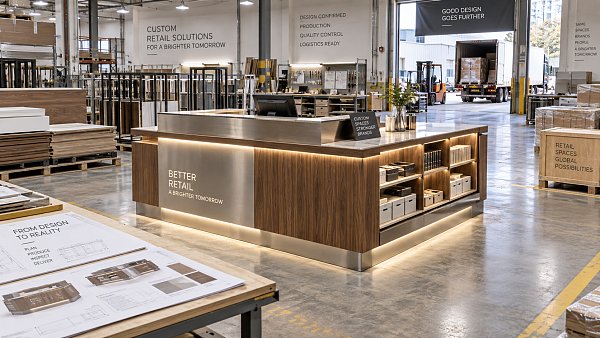
Retail projects require strong finish control, modular display logic, and repeatability across sites. Even small color shifts can disrupt a premium store identity.
In this case, commercial furniture manufacturers should be assessed on prototype accuracy, site-ready packaging, and the ability to scale identical fixtures across regions.
Hospitality and Foodservice
Hospitality furniture needs attractive finishes, high traffic durability, and easy maintenance. Moisture resistance, stain resistance, and edge protection become key comparison points.
Suppliers should also show experience with banquettes, casegoods, guestroom units, and public-area furniture that meet both aesthetic and operational demands.
Healthcare and Education
These environments place more emphasis on hygiene, safety, impact resistance, and regulatory suitability. Materials must perform under frequent cleaning and intensive use.
When comparing commercial furniture manufacturers, ask for evidence of performance in institutional settings, not only in decorative commercial projects.
Commonly Missed Risks When Reviewing Commercial Furniture Manufacturers
Overlooking subcontracted production. Some suppliers present a strong catalog but outsource critical processes. This can weaken quality consistency and schedule control.
Assuming sample quality equals batch quality. A polished prototype may not reflect standard production conditions, labor control, or raw material variation.
Ignoring installation realities. Large counters, wall fixtures, and modular systems may require split structures, site access planning, or local assembly adjustments.
Comparing quotes without specification alignment. One price may exclude hardware upgrades, thicker panels, fire-rated materials, or premium packaging.
Underestimating communication risk. Delays often come from unclear drawing approval, undocumented revisions, or inconsistent technical language across teams.
Skipping post-delivery support checks. The best commercial furniture manufacturers have spare part systems and issue resolution processes, not only production capability.
Practical Execution Tips for a Better Supplier Comparison
- Build one comparison sheet with identical specifications, target incoterms, testing needs, and packaging requirements for every quoted supplier.
- Request the same sample type from each factory, then inspect structure, finish, hardware, and packaging under the same review criteria.
- Run a pilot order before a full rollout when sourcing custom furniture for chains, offices, or multi-site retail environments.
- Use video audits or factory visits to validate production equipment, assembly flow, and actual in-house capability behind the quotation.
- Document every engineering revision formally so the final approved drawing matches the production version and installation plan.
It is also useful to compare long-term partnership potential. Reliable commercial furniture manufacturers can support future store updates, replacement parts, and new regional rollouts.
That continuity often creates more value than a short-term price advantage, especially in brand-sensitive commercial environments.
Conclusion and Next Steps
To compare commercial furniture manufacturers effectively, use a checklist that balances quality, compliance, customization, logistics, and lifecycle value. Focus on evidence, not promises.
Start by narrowing suppliers to those with relevant commercial project experience. Then review certifications, inspect samples, test engineering response, and score total execution strength.
A disciplined comparison process helps reduce sourcing risk, improve installation outcomes, and select commercial furniture manufacturers that align with both operational needs and brand standards.
News Recommendations
 How to prevent O-rings and seals from failing in food equipment
![51a6ab95581761cc26f4318be6520c15]()
Aris Katos
Future of Carbide Coatings
 How to compare commercial linear light wholesale quotes accurately
![51a6ab95581761cc26f4318be6520c15]()
Aris Katos
Future of Carbide Coatings
 How to verify international standards compliance for Middle East exports
![51a6ab95581761cc26f4318be6520c15]()
Aris Katos
Future of Carbide Coatings
 How to select laboratory instruments for reproducible test results
![51a6ab95581761cc26f4318be6520c15]()
Aris Katos
Future of Carbide Coatings
 When does a sheet metal prototype reveal design flaws early?
![51a6ab95581761cc26f4318be6520c15]()
Aris Katos
Future of Carbide Coatings
 When PE air column bags reduce damage in e-commerce fulfillment
![51a6ab95581761cc26f4318be6520c15]()
Aris Katos
Future of Carbide Coatings
 How energy-efficient design reduces operating costs in retail lighting
![51a6ab95581761cc26f4318be6520c15]()
Aris Katos
Future of Carbide Coatings
 When commercial aluminum storefronts make sense for a retail renovation
![51a6ab95581761cc26f4318be6520c15]()
Aris Katos
Future of Carbide Coatings
 What makes LED lights durable in high-use commercial spaces?
![51a6ab95581761cc26f4318be6520c15]()
Aris Katos
Future of Carbide Coatings
 Which industry categories offer the strongest export potential in Latin America?
![51a6ab95581761cc26f4318be6520c15]()
Aris Katos
Future of Carbide Coatings
 How to choose an ultra bright waterproof window display for storefronts
![51a6ab95581761cc26f4318be6520c15]()
Aris Katos
Future of Carbide Coatings
 How to verify suppliers on a trade portal for global sourcing
![51a6ab95581761cc26f4318be6520c15]()
Aris Katos
Future of Carbide Coatings
 How RoHS requirements should be stated in product specifications
![51a6ab95581761cc26f4318be6520c15]()
Aris Katos
Future of Carbide Coatings
 What affects the lead time for custom retail counter displays?
![51a6ab95581761cc26f4318be6520c15]()
Aris Katos
Future of Carbide Coatings
 What consumer packaging USA importers need to verify before ordering
![51a6ab95581761cc26f4318be6520c15]()
Aris Katos
Future of Carbide Coatings
 How commercial spaces interiors shape customer dwell time
![51a6ab95581761cc26f4318be6520c15]()
Aris Katos
Future of Carbide Coatings
 How LED commercial lighting design reduces glare in retail spaces
![51a6ab95581761cc26f4318be6520c15]()
Aris Katos
Future of Carbide Coatings
 How industrial technology information improves RFID inventory accuracy
![51a6ab95581761cc26f4318be6520c15]()
Aris Katos
Future of Carbide Coatings
 When drip garden watering systems make more sense than sprinklers
![51a6ab95581761cc26f4318be6520c15]()
Aris Katos
Future of Carbide Coatings
 When category comparison improves sourcing for industrial applications
![51a6ab95581761cc26f4318be6520c15]()
Aris Katos
Future of Carbide Coatings
 Industrial application guidance for selecting the right LED lighting
![51a6ab95581761cc26f4318be6520c15]()
Aris Katos
Future of Carbide Coatings
 Which commercial architecture standards apply to European retail fit-outs?
![51a6ab95581761cc26f4318be6520c15]()
Aris Katos
Future of Carbide Coatings
 How to verify FDA requirements for maternity care products
![51a6ab95581761cc26f4318be6520c15]()
Aris Katos
Future of Carbide Coatings
 How to verify BPA-free claims for food-contact products
![51a6ab95581761cc26f4318be6520c15]()
Aris Katos
Future of Carbide Coatings
 When does a European wholesale supplier suit modular office projects?
![51a6ab95581761cc26f4318be6520c15]()
Aris Katos
Future of Carbide Coatings
 When consumer ecosystem solutions improve the in-store shopping journey
![51a6ab95581761cc26f4318be6520c15]()
Aris Katos
Future of Carbide Coatings
 How a commercial developers network can reduce site selection risk
![51a6ab95581761cc26f4318be6520c15]()
Aris Katos
Future of Carbide Coatings
 How clear purchasing specifications prevent costly supplier deviations
![51a6ab95581761cc26f4318be6520c15]()
Aris Katos
Future of Carbide Coatings
 What an ISTA drop test lab checks before your packaging ships
![51a6ab95581761cc26f4318be6520c15]()
Aris Katos
Future of Carbide Coatings
 Which commercial furniture standards apply to workplace seating?
![51a6ab95581761cc26f4318be6520c15]()
Aris Katos
Future of Carbide Coatings
 How to evaluate smart lighting module OEM compatibility before sampling
![51a6ab95581761cc26f4318be6520c15]()
Aris Katos
Future of Carbide Coatings
 How to assess whether sustainable technology delivers real impact
![51a6ab95581761cc26f4318be6520c15]()
Aris Katos
Future of Carbide Coatings
 How to assess an OEM supplier’s quality control before ordering
![51a6ab95581761cc26f4318be6520c15]()
Aris Katos
Future of Carbide Coatings
 How consumer ecosystem solutions data can improve retail personalization
![51a6ab95581761cc26f4318be6520c15]()
Aris Katos
Future of Carbide Coatings
 When does consumer packaging design justify a higher product price?
![51a6ab95581761cc26f4318be6520c15]()
Aris Katos
Future of Carbide Coatings
 Supermarket Fixture Installation: Planning Layouts, Wiring, and Handover
![51a6ab95581761cc26f4318be6520c15]()
Aris Katos
Future of Carbide Coatings
 Automated Lighting and Smart Lighting Control in Bergerac: Key Project Considerations
![51a6ab95581761cc26f4318be6520c15]()
Aris Katos
Future of Carbide Coatings
 Segment Streetlight Controllers: Choosing Control Modes for Urban Roads
![51a6ab95581761cc26f4318be6520c15]()
Aris Katos
Future of Carbide Coatings
 IEC 62471-2 Explained: How to Assess Photobiological Risks in LED Lighting
![51a6ab95581761cc26f4318be6520c15]()
Aris Katos
Future of Carbide Coatings