Commercial Lighting Solutions: ROI vs Energy Savings
Time
Click Count
For financial decision-makers, commercial lighting solutions are no longer just an operational expense—they are a strategic investment.
The core question is not only energy reduction.
It is how fast upgraded systems improve ROI through maintenance savings, asset longevity, and better-performing commercial environments.
Across retail, offices, hospitality, logistics, and mixed-use properties, commercial lighting solutions now affect cost structure, compliance, customer experience, and brand value.
This guide explains how to evaluate lighting upgrades with a finance-first lens while balancing technical performance and long-term operational resilience.
What do commercial lighting solutions really include beyond fixtures?
Many evaluations fail because they treat lighting as a simple product purchase.
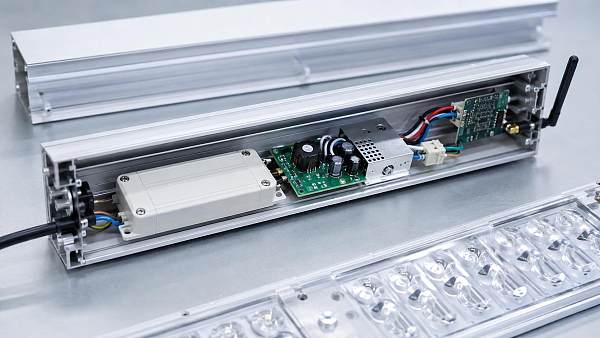
In practice, commercial lighting solutions include hardware, controls, layout planning, optics, drivers, emergency integration, and maintenance strategy.
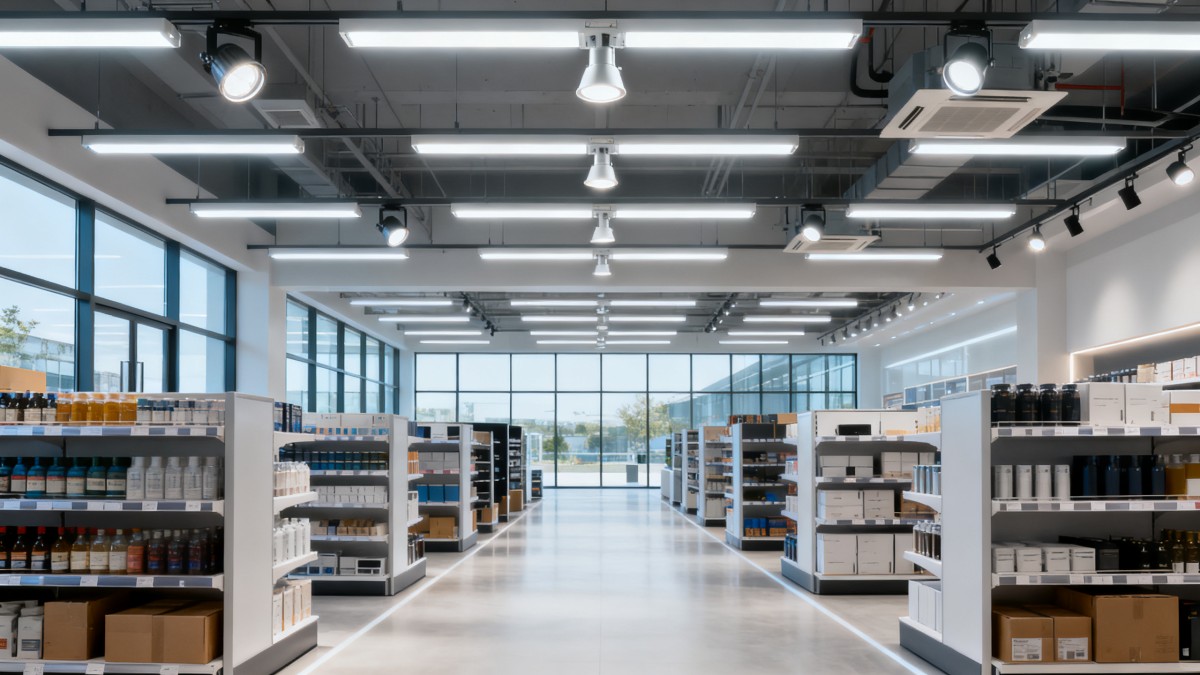
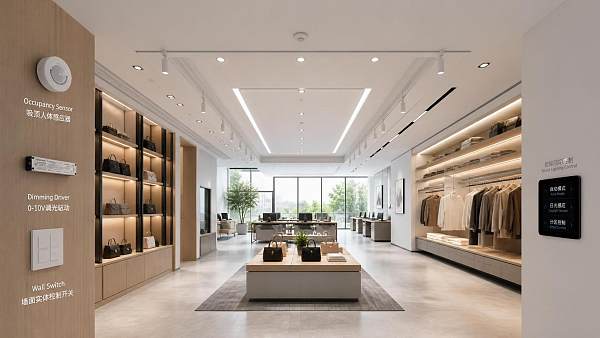
A high-value project often combines LED luminaires, occupancy sensors, daylight harvesting, dimming controls, zoning logic, and monitoring software.
These elements work together to improve both energy performance and total economic return.
For example, replacing legacy fluorescent systems with modern LED commercial lighting solutions may cut electricity use significantly.
However, the bigger value may come from reduced relamping labor, fewer disruptions, and better visual consistency across locations.
In integrated commercial spaces, lighting also interacts with signage, shelving visibility, digital displays, and workplace ergonomics.
That is why the right benchmark is not fixture price alone.
It is lifecycle performance within the broader commercial ecosystem.
Is energy savings the best metric for judging commercial lighting solutions?
Energy savings matter, but they should not dominate the decision.
A narrow utility-cost view can overlook faster financial gains from maintenance reduction and operational continuity.
Good commercial lighting solutions improve ROI through several channels at once:
- Lower electricity consumption
- Longer service life
- Reduced replacement inventory
- Lower maintenance labor and lift access costs
- Less downtime in customer-facing areas
- Improved compliance and lower risk exposure
In tall atriums, warehouses, and active retail floors, maintenance costs can rival or exceed energy savings over time.
That changes the economics dramatically.
Another often-missed factor is performance degradation.
Low-cost products may claim high initial efficiency yet lose output, color consistency, or driver reliability earlier than expected.
When this happens, expected payback stretches out.
A better method compares verified performance, maintenance cycles, warranty terms, and controls capability, not just wattage reduction.
How should ROI for commercial lighting solutions be calculated?
A useful ROI model starts with total installed cost.
That includes fixtures, controls, wiring adjustments, commissioning, access equipment, and disposal of old components.
Then calculate annual benefits across multiple categories.
- Energy cost reduction based on operating hours and local tariffs.
- Maintenance savings from fewer failures and longer replacement intervals.
- Labor savings from reduced inspections and service calls.
- Operational gains from less disruption in revenue-generating areas.
- Potential incentive support, tax credits, or sustainability value.
Simple payback is useful, but incomplete.
Net present value and internal rate of return provide a stronger picture for multi-site investment decisions.
Commercial lighting solutions with controls often show better long-term value than fixture-only upgrades.
That is especially true in spaces with variable occupancy or strong daylight exposure.
A realistic model should also include degradation assumptions.
Forecasts based on perfect performance can create misleading expectations.
Whenever possible, use field data, warranty records, and benchmark standards such as UL and CE for validation.
Quick ROI comparison table
Which application scenarios gain the most from upgraded commercial lighting solutions?
Not all facilities benefit equally.
The strongest returns usually appear where lights run long hours, maintenance access is costly, or visual quality directly affects experience.
Common high-return environments include:
- Retail chains with extended operating hours
- Office campuses seeking workplace comfort and lower facility costs
- Hotels needing consistent ambiance and low room maintenance disruption
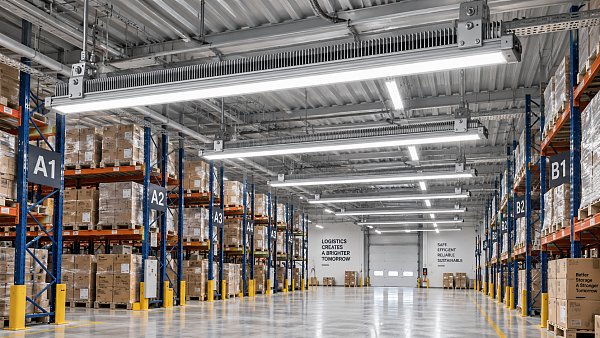
- Warehouses and logistics centers with high-bay fixtures
- Showrooms where product presentation affects conversion
In retail, commercial lighting solutions can influence shopper dwell time, product clarity, and premium brand perception.
In offices, they support comfort, reduce glare, and align with smart building controls.
In logistics, the value often comes from reliability and reduced lift-based maintenance.
The most effective approach links lighting design to each site’s operating profile instead of forcing one specification everywhere.
What mistakes reduce the expected ROI of commercial lighting solutions?
Several common errors weaken project economics.
The first is buying on unit price alone.
Cheaper fixtures may increase driver failures, color inconsistency, or warranty disputes later.
The second is ignoring controls integration.
Without sensors or zoning, many commercial lighting solutions leave significant savings unrealized.
The third is underestimating commissioning.
Poor setup can cause occupant complaints, uneven lighting, or schedules that waste energy.
A fourth mistake is relying on theoretical photometrics without considering actual ceiling heights, reflectance, and product displays.
The fifth is forgetting standards and cross-border compliance.
Global projects should verify certifications, component traceability, and consistency across regions.
This is where structured benchmarking adds value.
Commercial lighting solutions should be compared on reliability, material quality, control compatibility, and service support, not marketing claims.
FAQ decision table
How can a finance-first roadmap improve lighting investment decisions?
A disciplined roadmap keeps commercial lighting solutions aligned with business outcomes.
Start with an audit of fixture types, runtimes, failure patterns, and high-cost maintenance zones.
Next, segment spaces by purpose.
Sales areas, offices, corridors, storage zones, and exterior paths need different performance targets.
Then compare options using a lifecycle scorecard.
Include energy, maintenance, controls readiness, compliance, visual quality, and supplier reliability.
Pilot testing is highly valuable for multi-site programs.
It validates photometric results, confirms user acceptance, and reveals installation complexities early.
Finally, track results after deployment.
Monitor energy use, maintenance tickets, and space performance against baseline assumptions.
This turns commercial lighting solutions into a measurable asset strategy rather than a one-time retrofit.
The strongest lighting decisions do not ask only, “How much energy will this save?”
They ask, “How reliably will this improve cost efficiency, operational continuity, and environmental quality over time?”
That broader view reveals the true value of commercial lighting solutions.
When evaluated through lifecycle benchmarking, controls potential, and maintenance economics, the best option often becomes clear.
Use site data, test assumptions, and compare solutions on verified performance.
That next step can turn a routine upgrade into a durable financial advantage.
News Recommendations
 How to prevent O-rings and seals from failing in food equipment
![51a6ab95581761cc26f4318be6520c15]()
Aris Katos
Future of Carbide Coatings
 How to compare commercial linear light wholesale quotes accurately
![51a6ab95581761cc26f4318be6520c15]()
Aris Katos
Future of Carbide Coatings
 How to verify international standards compliance for Middle East exports
![51a6ab95581761cc26f4318be6520c15]()
Aris Katos
Future of Carbide Coatings
 How to select laboratory instruments for reproducible test results
![51a6ab95581761cc26f4318be6520c15]()
Aris Katos
Future of Carbide Coatings
 When does a sheet metal prototype reveal design flaws early?
![51a6ab95581761cc26f4318be6520c15]()
Aris Katos
Future of Carbide Coatings
 When PE air column bags reduce damage in e-commerce fulfillment
![51a6ab95581761cc26f4318be6520c15]()
Aris Katos
Future of Carbide Coatings
 How energy-efficient design reduces operating costs in retail lighting
![51a6ab95581761cc26f4318be6520c15]()
Aris Katos
Future of Carbide Coatings
 When commercial aluminum storefronts make sense for a retail renovation
![51a6ab95581761cc26f4318be6520c15]()
Aris Katos
Future of Carbide Coatings
 What makes LED lights durable in high-use commercial spaces?
![51a6ab95581761cc26f4318be6520c15]()
Aris Katos
Future of Carbide Coatings
 Which industry categories offer the strongest export potential in Latin America?
![51a6ab95581761cc26f4318be6520c15]()
Aris Katos
Future of Carbide Coatings
 How to choose an ultra bright waterproof window display for storefronts
![51a6ab95581761cc26f4318be6520c15]()
Aris Katos
Future of Carbide Coatings
 How to verify suppliers on a trade portal for global sourcing
![51a6ab95581761cc26f4318be6520c15]()
Aris Katos
Future of Carbide Coatings
 How RoHS requirements should be stated in product specifications
![51a6ab95581761cc26f4318be6520c15]()
Aris Katos
Future of Carbide Coatings
 What affects the lead time for custom retail counter displays?
![51a6ab95581761cc26f4318be6520c15]()
Aris Katos
Future of Carbide Coatings
 What consumer packaging USA importers need to verify before ordering
![51a6ab95581761cc26f4318be6520c15]()
Aris Katos
Future of Carbide Coatings
 How commercial spaces interiors shape customer dwell time
![51a6ab95581761cc26f4318be6520c15]()
Aris Katos
Future of Carbide Coatings
 How LED commercial lighting design reduces glare in retail spaces
![51a6ab95581761cc26f4318be6520c15]()
Aris Katos
Future of Carbide Coatings
 How industrial technology information improves RFID inventory accuracy
![51a6ab95581761cc26f4318be6520c15]()
Aris Katos
Future of Carbide Coatings
 When drip garden watering systems make more sense than sprinklers
![51a6ab95581761cc26f4318be6520c15]()
Aris Katos
Future of Carbide Coatings
 When category comparison improves sourcing for industrial applications
![51a6ab95581761cc26f4318be6520c15]()
Aris Katos
Future of Carbide Coatings
 Industrial application guidance for selecting the right LED lighting
![51a6ab95581761cc26f4318be6520c15]()
Aris Katos
Future of Carbide Coatings
 Which commercial architecture standards apply to European retail fit-outs?
![51a6ab95581761cc26f4318be6520c15]()
Aris Katos
Future of Carbide Coatings
 How to verify FDA requirements for maternity care products
![51a6ab95581761cc26f4318be6520c15]()
Aris Katos
Future of Carbide Coatings
 How to verify BPA-free claims for food-contact products
![51a6ab95581761cc26f4318be6520c15]()
Aris Katos
Future of Carbide Coatings
 When does a European wholesale supplier suit modular office projects?
![51a6ab95581761cc26f4318be6520c15]()
Aris Katos
Future of Carbide Coatings
 When consumer ecosystem solutions improve the in-store shopping journey
![51a6ab95581761cc26f4318be6520c15]()
Aris Katos
Future of Carbide Coatings
 How a commercial developers network can reduce site selection risk
![51a6ab95581761cc26f4318be6520c15]()
Aris Katos
Future of Carbide Coatings
 How clear purchasing specifications prevent costly supplier deviations
![51a6ab95581761cc26f4318be6520c15]()
Aris Katos
Future of Carbide Coatings
 What an ISTA drop test lab checks before your packaging ships
![51a6ab95581761cc26f4318be6520c15]()
Aris Katos
Future of Carbide Coatings
 Which commercial furniture standards apply to workplace seating?
![51a6ab95581761cc26f4318be6520c15]()
Aris Katos
Future of Carbide Coatings
 How to evaluate smart lighting module OEM compatibility before sampling
![51a6ab95581761cc26f4318be6520c15]()
Aris Katos
Future of Carbide Coatings
 How to assess whether sustainable technology delivers real impact
![51a6ab95581761cc26f4318be6520c15]()
Aris Katos
Future of Carbide Coatings
 How to assess an OEM supplier’s quality control before ordering
![51a6ab95581761cc26f4318be6520c15]()
Aris Katos
Future of Carbide Coatings
 How consumer ecosystem solutions data can improve retail personalization
![51a6ab95581761cc26f4318be6520c15]()
Aris Katos
Future of Carbide Coatings
 When does consumer packaging design justify a higher product price?
![51a6ab95581761cc26f4318be6520c15]()
Aris Katos
Future of Carbide Coatings
 Supermarket Fixture Installation: Planning Layouts, Wiring, and Handover
![51a6ab95581761cc26f4318be6520c15]()
Aris Katos
Future of Carbide Coatings
 Automated Lighting and Smart Lighting Control in Bergerac: Key Project Considerations
![51a6ab95581761cc26f4318be6520c15]()
Aris Katos
Future of Carbide Coatings
 Segment Streetlight Controllers: Choosing Control Modes for Urban Roads
![51a6ab95581761cc26f4318be6520c15]()
Aris Katos
Future of Carbide Coatings
 IEC 62471-2 Explained: How to Assess Photobiological Risks in LED Lighting
![51a6ab95581761cc26f4318be6520c15]()
Aris Katos
Future of Carbide Coatings