Industrial Gases Safety Risks Often Missed in Daily Use
Time
Click Count
Industrial gases are essential in many workplaces, from maintenance rooms and laboratories to food processing, welding, and retail support facilities. Yet daily familiarity can make operators overlook silent hazards such as oxygen displacement, pressure release, leakage, poor ventilation, and improper cylinder handling. For users and frontline personnel, understanding these risks is not just a compliance task—it is a practical safeguard for people, equipment, and business continuity. This article highlights the often-missed safety issues in everyday industrial gases use and explains what operators should watch for before small oversights become serious incidents.
Why Industrial Gases Feel Routine but Remain High-Risk
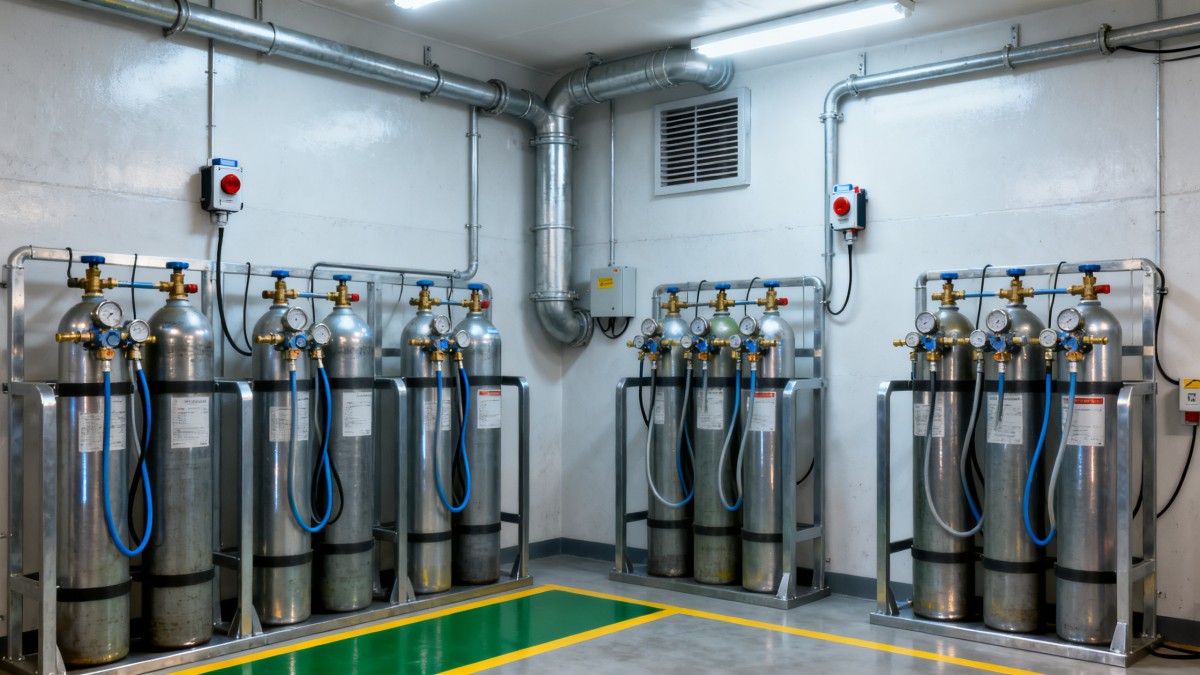
Many operators handle industrial gases every day without visible problems. That normality can reduce attention to pressure, atmosphere, compatibility, and storage conditions.
Unlike broken machinery, gas hazards often provide limited warning. A leaking cylinder, depleted oxygen area, or damaged regulator may escalate before anyone notices.
The risks operators usually underestimate
- A gas may be colorless and odorless, so smell is not a reliable detection method for daily industrial gases handling.
- Cylinders store energy under pressure, making valve damage or improper movement a serious mechanical hazard.
- Ventilation that is sufficient for normal work may be inadequate after a leak, purge, or accidental release.
- Incorrect connections, unapproved adapters, or worn hoses can introduce leaks and contamination into downstream equipment.
For commercial facilities, laboratories, workshops, and consumer supply chain operations, the issue is not only technical. It affects uptime, audit readiness, and staff confidence.
Daily Use Scenarios Where Operators Miss Industrial Gases Hazards
Industrial gases appear across mixed-use environments. A retail support room may store CO₂, while a fabrication corner may use argon, oxygen, or acetylene.
The table below maps common daily scenarios to the risk signals operators should verify before starting work or changing cylinders.
The pattern is clear: industrial gases risks increase when gas systems are treated as background utilities instead of controlled workplace assets.
What Happens When Ventilation and Atmosphere Monitoring Are Ignored?
Ventilation failures are especially dangerous because operators may still see a normal room. The air can become unsafe without smoke, sparks, or visible damage.
Oxygen displacement is not the same as bad odor
Nitrogen, argon, helium, and CO₂ can reduce oxygen concentration in poorly ventilated areas. Workers may feel dizzy, confused, or fatigued too late.
For users of industrial gases, the practical question is simple: if a leak occurs, where does the gas go, and who will know first?
Minimum daily atmosphere checks
- Check whether fixed or portable gas detectors are suitable for the gas type, not only for general air quality.
- Confirm alarms are audible or visible where operators actually work, including back rooms and service corridors.
- Review ventilation paths after layout changes, new shelving, added partitions, or equipment relocation.
- Never enter a suspected oxygen-deficient area alone or without established emergency procedures.
These checks are low-cost compared with downtime, injury, product loss, or emergency response triggered by uncontrolled industrial gases release.
Cylinder Handling Mistakes That Create Hidden Pressure Risks
Industrial gases cylinders look robust, but the valve and regulator assembly can be vulnerable. Rough handling may convert stored pressure into sudden force.
Operators should treat each cylinder as both a gas source and a pressure vessel. That mindset changes how storage and movement are managed.
Common handling errors to remove from daily routines
- Rolling cylinders horizontally instead of using an approved trolley designed for stable movement.
- Leaving caps off during storage or transport, exposing valves to accidental impact.
- Using oil, grease, or contaminated gloves near oxygen equipment, increasing fire risk.
- Mixing full and empty cylinders without clear labeling, causing wrong-connection and stock control errors.
- Storing cylinders near doors, forklift paths, retail traffic routes, or heat-generating equipment.
In high-turnover facilities, visual controls matter. Tags, floor markings, segregation zones, and inspection logs reduce reliance on memory.
How to Compare Industrial Gases Safety Controls Before Procurement
Many safety issues begin at procurement. If operators receive unsuitable cylinders, fittings, or documentation, daily use becomes harder and riskier.
The following comparison helps purchasing teams and frontline users evaluate industrial gases supply arrangements beyond unit price alone.
A good purchase decision reduces operator workload. A poor one transfers unresolved technical questions to the people closest to the hazard.
Which Parameters Should Operators Check Before Use?
Operators do not need to become gas engineers, but they should understand the operating parameters that affect daily industrial gases safety.
Use this parameter table as a practical checklist for mixed commercial, maintenance, production, and testing environments.
Parameter checks should be short, visible, and repeatable. Long procedures fail when operations are busy, especially during peak service periods.
Standards, Labels, and Compliance: What Users Should Recognize
Industrial gases safety is supported by labeling systems, safety data sheets, pressure equipment practices, and local regulatory requirements.
Operators are not expected to interpret every regulation. They should recognize whether the right information is present, legible, and usable.
Useful compliance references in global operations
- SDS documents explain hazards, first aid, firefighting measures, storage, handling, exposure control, and disposal considerations.
- GHS hazard communication improves label consistency for flammable, oxidizing, toxic, corrosive, and compressed gas classifications.
- ISO, EN, CGA, and NFPA references may guide cylinders, valves, fire protection, and compressed gas storage practices.
- Local workplace safety rules should define training, emergency response, permit-to-work, and confined space procedures.
In consumer-facing commercial environments, compliance also protects brand reputation. A preventable gas incident can disrupt customers, staff, and supply continuity.
Procurement Decisions: Safety Questions Users Should Ask Early
Frontline users often inherit decisions made by procurement teams. Their feedback is essential because they see actual storage, movement, and connection conditions.
Questions before choosing an industrial gases supply setup
- Will the cylinder size match available handling equipment, door clearances, and secured storage locations?
- Are regulators, hoses, flashback arrestors, or detection devices included, specified, or sourced separately?
- Does the delivery schedule avoid excessive on-site inventory while preventing emergency stockouts?
- Are users trained to identify labels, cylinder status, leak symptoms, and emergency isolation points?
- Can documentation support internal audits, landlord requirements, insurer reviews, and regional compliance checks?
Budget pressure is real, but the lowest quote may not include handling accessories, documentation support, detector calibration, or compatible fittings.
Cost of Small Oversights in Industrial Gases Operations
The hidden cost of industrial gases misuse rarely appears in the purchase line. It appears as downtime, rework, emergency service, and investigation time.
A practical cost review should include both direct spending and operational exposure, especially in facilities with public access or tight delivery windows.
Costs operators can help prevent
- Unplanned closure of a service room, workshop, lab, or production support area after a gas alarm.
- Replacement of contaminated regulators, hoses, valves, or instruments after incorrect connection.
- Product spoilage in food processing or packaging applications caused by gas supply interruption.
- Training recovery time after an incident reveals inconsistent procedures across shifts or locations.
The best cost control is not buying fewer controls. It is choosing controls that operators can use correctly every shift.
FAQ: Practical Questions About Industrial Gases Safety
How often should operators inspect industrial gases cylinders?
A visual check should occur before each use or shift. Look for labels, restraints, valve caps, leaks, damaged gauges, and blocked ventilation.
Can operators rely on smell to detect a gas leak?
No. Many industrial gases are odorless, and odorized gases may not be used in all applications. Use suitable detection and approved leak checks.
What is the most common mistake in cylinder storage?
The most common mistake is unsecured or poorly segregated storage. Full, empty, flammable, oxidizing, and inert cylinders need clear separation and labeling.
Are small cylinders safer than large cylinders?
Not automatically. Smaller cylinders may be easier to move, but they still contain pressure and require correct regulators, restraints, and handling habits.
What should users report immediately?
Report hissing sounds, frost, damaged valves, unstable cylinders, missing labels, detector alarms, dizziness, unusual pressure readings, and any suspected industrial gases release.
Why Work with G-BCE for Safer Industrial Gases Decisions?
G-BCE supports global commercial operators, developers, and sourcing teams that must connect facility performance with practical frontline safety.
Our benchmarking perspective covers commercial fixtures, smart retail technology, consumer goods supply chains, lighting, signage, and sustainable packaging ecosystems.
That cross-sector view helps teams evaluate how industrial gases interact with storage layouts, service rooms, equipment selection, signage, documentation, and supplier controls.
What you can consult with us about
- Confirming gas parameters, cylinder formats, storage assumptions, and operating conditions for mixed commercial spaces.
- Comparing supplier documentation, safety accessories, delivery expectations, and compatibility requirements before procurement approval.
- Reviewing certification expectations, SDS availability, labeling needs, and audit preparation for international projects.
- Discussing sample support, quotation alignment, customized operating checklists, and delivery cycle planning for multi-site rollouts.
If your team uses industrial gases in daily operations, involve operators early. G-BCE can help translate safety risks into clearer procurement and implementation decisions.
News Recommendations
 What records are needed for an ISO 9001 furniture factory audit?
![51a6ab95581761cc26f4318be6520c15]()
Aris Katos
Future of Carbide Coatings
 How to choose AI marketing tools that work with your existing CRM
![51a6ab95581761cc26f4318be6520c15]()
Aris Katos
Future of Carbide Coatings
 Do freight costs erase savings when buying retail fixtures wholesale?
![51a6ab95581761cc26f4318be6520c15]()
Aris Katos
Future of Carbide Coatings
 Can smart retail IT solutions for CPG work with legacy POS systems?
![51a6ab95581761cc26f4318be6520c15]()
Aris Katos
Future of Carbide Coatings
 What permit approvals belong in a commercial fitout planning checklist?
![51a6ab95581761cc26f4318be6520c15]()
Aris Katos
Future of Carbide Coatings
 How Does Commercial Design Differ from Interior Decoration?
![51a6ab95581761cc26f4318be6520c15]()
Aris Katos
Future of Carbide Coatings
 How Long Does It Take to Verify a Commercial Furniture Supplier?
![51a6ab95581761cc26f4318be6520c15]()
Aris Katos
Future of Carbide Coatings
 How to verify compostability claims from a bubble mailer manufacturer
![51a6ab95581761cc26f4318be6520c15]()
Aris Katos
Future of Carbide Coatings
 Will commercial smart infrastructure solutions work with legacy systems?
![51a6ab95581761cc26f4318be6520c15]()
Aris Katos
Future of Carbide Coatings
 How to verify a preschool furniture manufacturer's safety standards
![51a6ab95581761cc26f4318be6520c15]()
Aris Katos
Future of Carbide Coatings
 A technical comparison of semiconductor processes for power devices
![51a6ab95581761cc26f4318be6520c15]()
Aris Katos
Future of Carbide Coatings
 How to verify that a BIFMA ergonomic chair meets the standard
![51a6ab95581761cc26f4318be6520c15]()
Aris Katos
Future of Carbide Coatings
 How to use a CRI value chart when choosing LED lighting
![51a6ab95581761cc26f4318be6520c15]()
Aris Katos
Future of Carbide Coatings
 How to compare hotel aroma diffuser wholesale options by coverage area
![51a6ab95581761cc26f4318be6520c15]()
Aris Katos
Future of Carbide Coatings
 How to prevent O-rings and seals from failing in food equipment
![51a6ab95581761cc26f4318be6520c15]()
Aris Katos
Future of Carbide Coatings
 How to compare commercial linear light wholesale quotes accurately
![51a6ab95581761cc26f4318be6520c15]()
Aris Katos
Future of Carbide Coatings
 How to verify international standards compliance for Middle East exports
![51a6ab95581761cc26f4318be6520c15]()
Aris Katos
Future of Carbide Coatings
 How to select laboratory instruments for reproducible test results
![51a6ab95581761cc26f4318be6520c15]()
Aris Katos
Future of Carbide Coatings
 When does a sheet metal prototype reveal design flaws early?
![51a6ab95581761cc26f4318be6520c15]()
Aris Katos
Future of Carbide Coatings
 When PE air column bags reduce damage in e-commerce fulfillment
![51a6ab95581761cc26f4318be6520c15]()
Aris Katos
Future of Carbide Coatings
 How energy-efficient design reduces operating costs in retail lighting
![51a6ab95581761cc26f4318be6520c15]()
Aris Katos
Future of Carbide Coatings
 When commercial aluminum storefronts make sense for a retail renovation
![51a6ab95581761cc26f4318be6520c15]()
Aris Katos
Future of Carbide Coatings
 What makes LED lights durable in high-use commercial spaces?
![51a6ab95581761cc26f4318be6520c15]()
Aris Katos
Future of Carbide Coatings
 Which industry categories offer the strongest export potential in Latin America?
![51a6ab95581761cc26f4318be6520c15]()
Aris Katos
Future of Carbide Coatings
 How to choose an ultra bright waterproof window display for storefronts
![51a6ab95581761cc26f4318be6520c15]()
Aris Katos
Future of Carbide Coatings
 How to verify suppliers on a trade portal for global sourcing
![51a6ab95581761cc26f4318be6520c15]()
Aris Katos
Future of Carbide Coatings
 How RoHS requirements should be stated in product specifications
![51a6ab95581761cc26f4318be6520c15]()
Aris Katos
Future of Carbide Coatings
 What affects the lead time for custom retail counter displays?
![51a6ab95581761cc26f4318be6520c15]()
Aris Katos
Future of Carbide Coatings
 What consumer packaging USA importers need to verify before ordering
![51a6ab95581761cc26f4318be6520c15]()
Aris Katos
Future of Carbide Coatings
 How commercial spaces interiors shape customer dwell time
![51a6ab95581761cc26f4318be6520c15]()
Aris Katos
Future of Carbide Coatings
 How LED commercial lighting design reduces glare in retail spaces
![51a6ab95581761cc26f4318be6520c15]()
Aris Katos
Future of Carbide Coatings
 How industrial technology information improves RFID inventory accuracy
![51a6ab95581761cc26f4318be6520c15]()
Aris Katos
Future of Carbide Coatings
 When drip garden watering systems make more sense than sprinklers
![51a6ab95581761cc26f4318be6520c15]()
Aris Katos
Future of Carbide Coatings
 When category comparison improves sourcing for industrial applications
![51a6ab95581761cc26f4318be6520c15]()
Aris Katos
Future of Carbide Coatings
 Industrial application guidance for selecting the right LED lighting
![51a6ab95581761cc26f4318be6520c15]()
Aris Katos
Future of Carbide Coatings
 Which commercial architecture standards apply to European retail fit-outs?
![51a6ab95581761cc26f4318be6520c15]()
Aris Katos
Future of Carbide Coatings
 How to verify FDA requirements for maternity care products
![51a6ab95581761cc26f4318be6520c15]()
Aris Katos
Future of Carbide Coatings
 How to verify BPA-free claims for food-contact products
![51a6ab95581761cc26f4318be6520c15]()
Aris Katos
Future of Carbide Coatings
 When does a European wholesale supplier suit modular office projects?
![51a6ab95581761cc26f4318be6520c15]()
Aris Katos
Future of Carbide Coatings