Retail Ecosystem Gaps That Slow Omnichannel Growth
Time
Click Count
Omnichannel growth looks simple on dashboards, yet execution often fails inside the retail ecosystem. Digital channels may expand quickly, while stores, fixtures, data systems, packaging, and fulfillment standards remain fragmented.
That disconnect creates slow launches, uneven customer experiences, higher operating costs, and weaker brand trust. In a modern retail ecosystem, performance depends on structural alignment, not isolated technology investments.
For global commercial environments, the biggest risks usually appear where physical and digital systems meet. Store design, smart retail technology, supply chain visibility, and sustainable packaging must work as one operating model.
The questions below examine where retail ecosystem gaps emerge, why they delay omnichannel growth, and how to close them with practical decisions.
What are the most common retail ecosystem gaps?
Most failures do not begin with customer apps. They begin with invisible mismatches across assets, standards, and workflows inside the retail ecosystem.
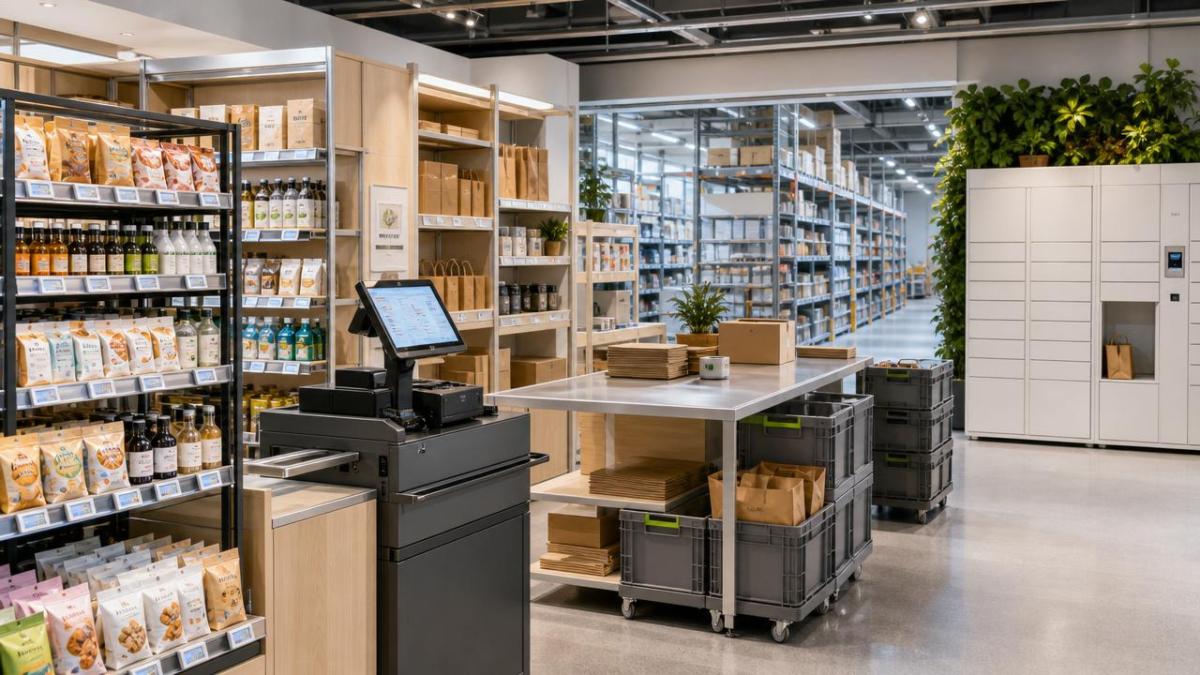
A common gap appears between store design and digital service expectations. Click-and-collect grows, but floor plans still prioritize only browsing and checkout.
Another weak point is hardware inconsistency. POS terminals, shelf systems, signage, lighting controls, and inventory sensors often use separate data structures.
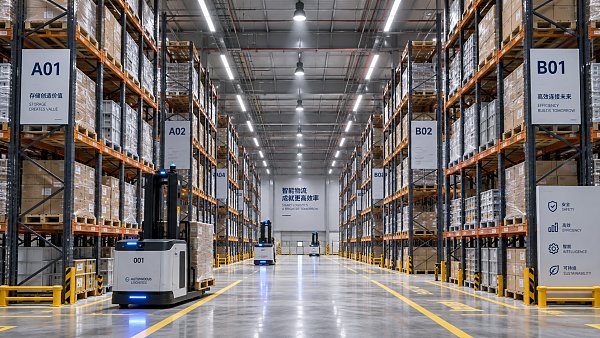
Supply chain fragmentation is equally damaging. Inventory accuracy may look acceptable at warehouse level, but fail at store, region, or SKU level.
Packaging can also slow growth. E-commerce packaging, retail display packaging, and sustainability targets frequently sit in different planning teams.
When these parts operate separately, the retail ecosystem becomes expensive to scale. Every new market, format, or campaign requires extra manual coordination.
- Store layouts that do not support pickup, returns, and service traffic
- Disconnected smart retail technology and poor interoperability
- Limited supply chain visibility across channels
- Fixtures and signage that cannot adapt to fast assortment changes
- Packaging decisions that ignore logistics and circularity goals
Why do these gaps slow omnichannel growth so much?
Omnichannel depends on consistency. Customers expect the same product availability, pricing logic, delivery promise, and brand environment everywhere.
A weak retail ecosystem breaks that consistency at operational touchpoints. The result is not one large failure, but many small frictions.
For example, online demand may rise after a campaign, yet store replenishment systems may not receive clean forecasts. Shelves empty quickly, while nearby stock remains hidden.
In other cases, stores become mini-fulfillment nodes without suitable backroom fixtures, labeling processes, or packaging stations. Labor hours increase, and service quality declines.
Brand presentation suffers too. Digital branding may promise premium convenience, while physical environments feel outdated, poorly lit, or difficult to navigate.
This matters because omnichannel growth compounds complexity. Each added channel multiplies dependencies across the retail ecosystem.
- More channels create more inventory handoff points.
- More touchpoints require more standardized hardware and data.
- More fulfillment paths increase packaging and returns complexity.
- More store roles demand better space planning and workflow design.
Without integration, growth generates cost faster than value. That is why retail ecosystem design is now a strategic issue, not only an IT concern.
How can physical store design reveal hidden retail ecosystem weaknesses?
Stores are where many ecosystem failures become visible. They expose whether architecture, fixtures, technology, and supply chain rules actually support omnichannel behavior.
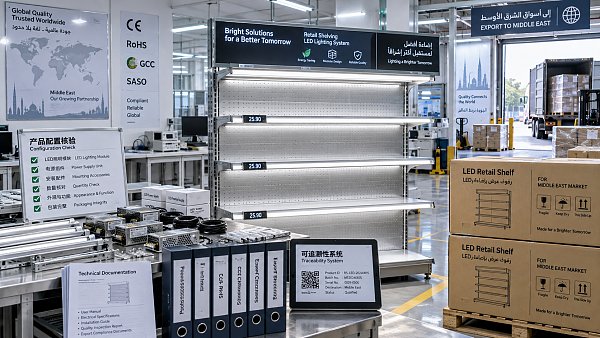
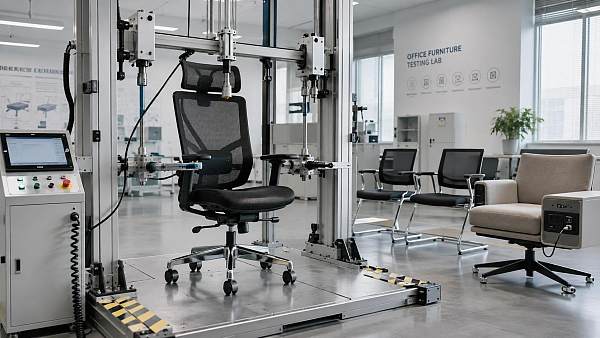
A strong retail ecosystem uses commercial furniture and fixtures as operating tools, not just visual elements. Modular displays, ergonomic workstations, and flexible storage improve execution.
When stores cannot quickly reconfigure for seasonal demand, pickup growth, or product launches, the ecosystem lacks resilience.
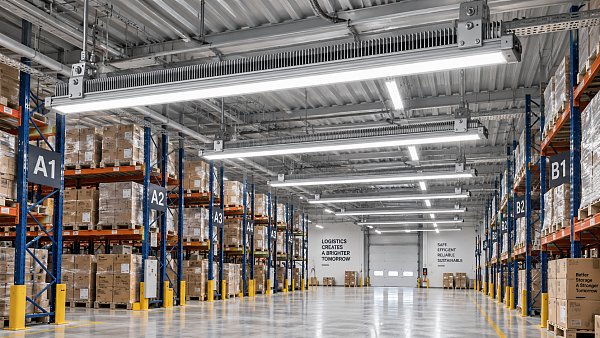
Lighting and signage also matter. Poor wayfinding increases dwell time in the wrong areas, delays service, and weakens conversion.
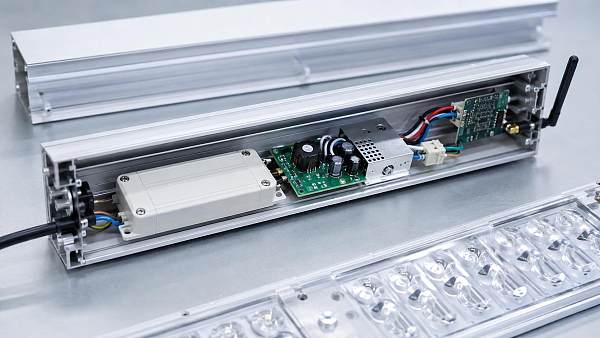
Smart retail technology should support physical flow. Digital labels, traffic sensing, queue monitoring, and integrated POS tools work best when paired with thoughtful spatial planning.
Useful warning signs include:
- Pickup counters blocking merchandising zones
- Backrooms overloaded by ship-from-store activity
- Fixed fixtures that prevent rapid assortment resets
- Signage systems unable to sync with digital promotions
- Inconsistent accessibility, safety, or international compliance standards
If the store cannot absorb omnichannel pressure, the wider retail ecosystem is probably under-engineered.
Which technology and supply chain disconnects cause the biggest delays?
The largest delays often come from data latency and incompatible systems. Omnichannel operations require near-real-time visibility across inventory, orders, location, and service status.
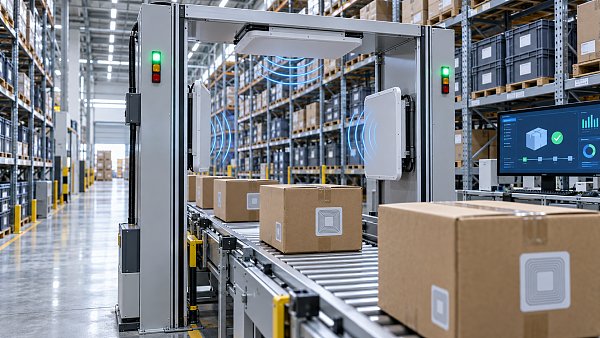
In many organizations, smart retail technology is added in layers. One vendor manages POS, another manages inventory sensing, and another handles digital signage.
If integration is shallow, the retail ecosystem produces conflicting signals. Promotions go live before stock arrives. Returns enter one system but not another.
Supply chain visibility must extend beyond shipment tracking. Decision quality depends on traceability, packaging suitability, replenishment accuracy, and product readiness by channel.
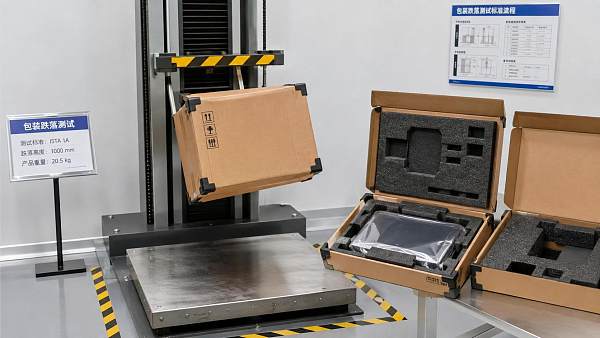
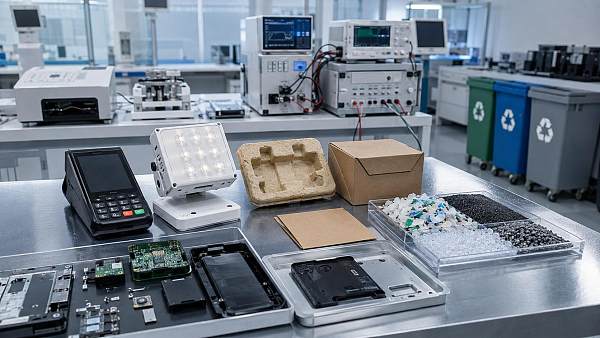
Sustainable packaging introduces another layer. Materials may meet environmental goals, but fail durability, automation compatibility, or retail presentation requirements.
A mature retail ecosystem reduces delay by linking physical assets to trusted operational data.
How should businesses assess and prioritize retail ecosystem improvements?
Start with friction mapping across the full customer and product journey. The goal is to find where operational promises break between design, systems, and execution.
Good assessment does not begin with one vendor demo. It begins with measurable bottlenecks in the retail ecosystem.
Review stores as service hubs, not only sales spaces. Test whether fixtures, signage, lighting, and back-of-house areas support pickup, returns, and rapid replenishment.
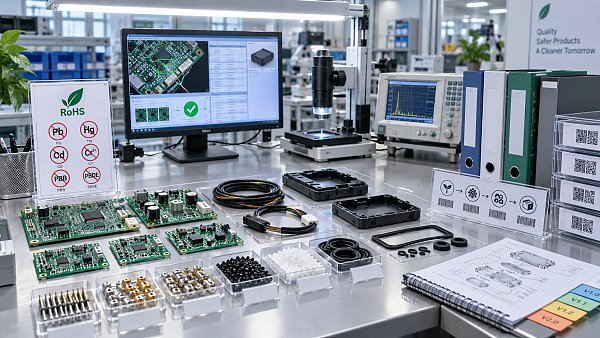
Then audit system interoperability. Check whether hardware, software, and packaging specifications align with standards, deployment timelines, and regional compliance expectations.
A useful sequence is:
- Identify customer-facing failures with the highest business impact.
- Trace each failure to store, data, supply chain, or packaging causes.
- Prioritize fixes that improve multiple channels at once.
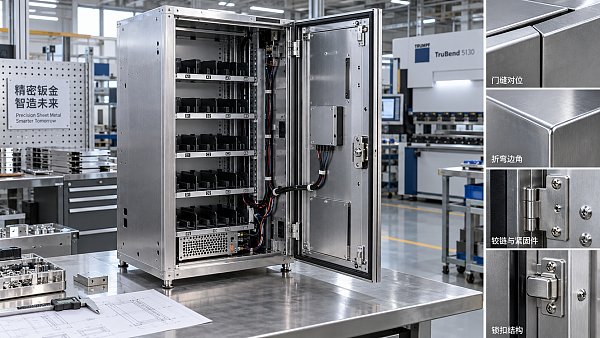
- Benchmark hardware and materials against international standards.
- Pilot improvements in representative store formats before scaling.
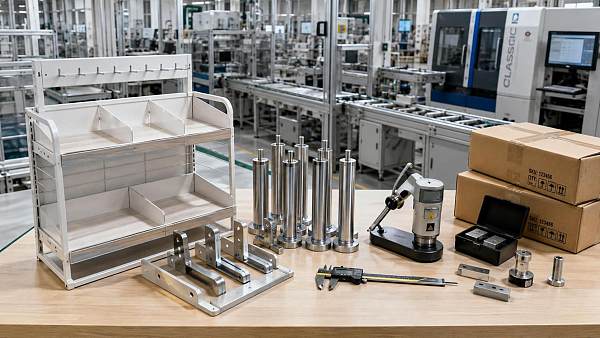
The best investments usually create flexibility. Modular fixtures, interoperable smart retail technology, traceable supply flows, and sustainable packaging reduce future redesign costs.
What mistakes should be avoided when fixing a retail ecosystem?
One common mistake is treating omnichannel as a software project. The retail ecosystem includes physical hardware, compliance, materials, labor flow, and customer perception.
Another mistake is copying one market format into every region. Commercial environments differ in code requirements, shopper behavior, and supply chain constraints.
Short-term cost cutting can also weaken outcomes. Low-grade fixtures, incompatible terminals, or unsuitable packaging often create higher lifecycle costs.
Many teams also underestimate change sequencing. Installing technology before redesigning workflows can increase confusion instead of improving speed.
A high-performing retail ecosystem is built on aligned infrastructure. It connects commercial furniture, smart retail technology, supply chain intelligence, lighting, signage, and sustainable packaging into one scalable framework.
When omnichannel growth slows, the answer is rarely more software alone. The better response is to identify structural gaps, benchmark critical components, and strengthen the foundations behind every channel.
A focused review of the retail ecosystem can reveal where to act first, reduce rollout risk, and support resilient expansion across global commercial environments.
News Recommendations
 How to prevent O-rings and seals from failing in food equipment
![51a6ab95581761cc26f4318be6520c15]()
Aris Katos
Future of Carbide Coatings
 How to compare commercial linear light wholesale quotes accurately
![51a6ab95581761cc26f4318be6520c15]()
Aris Katos
Future of Carbide Coatings
 How to verify international standards compliance for Middle East exports
![51a6ab95581761cc26f4318be6520c15]()
Aris Katos
Future of Carbide Coatings
 How to select laboratory instruments for reproducible test results
![51a6ab95581761cc26f4318be6520c15]()
Aris Katos
Future of Carbide Coatings
 When does a sheet metal prototype reveal design flaws early?
![51a6ab95581761cc26f4318be6520c15]()
Aris Katos
Future of Carbide Coatings
 When PE air column bags reduce damage in e-commerce fulfillment
![51a6ab95581761cc26f4318be6520c15]()
Aris Katos
Future of Carbide Coatings
 How energy-efficient design reduces operating costs in retail lighting
![51a6ab95581761cc26f4318be6520c15]()
Aris Katos
Future of Carbide Coatings
 When commercial aluminum storefronts make sense for a retail renovation
![51a6ab95581761cc26f4318be6520c15]()
Aris Katos
Future of Carbide Coatings
 What makes LED lights durable in high-use commercial spaces?
![51a6ab95581761cc26f4318be6520c15]()
Aris Katos
Future of Carbide Coatings
 Which industry categories offer the strongest export potential in Latin America?
![51a6ab95581761cc26f4318be6520c15]()
Aris Katos
Future of Carbide Coatings
 How to choose an ultra bright waterproof window display for storefronts
![51a6ab95581761cc26f4318be6520c15]()
Aris Katos
Future of Carbide Coatings
 How to verify suppliers on a trade portal for global sourcing
![51a6ab95581761cc26f4318be6520c15]()
Aris Katos
Future of Carbide Coatings
 How RoHS requirements should be stated in product specifications
![51a6ab95581761cc26f4318be6520c15]()
Aris Katos
Future of Carbide Coatings
 What affects the lead time for custom retail counter displays?
![51a6ab95581761cc26f4318be6520c15]()
Aris Katos
Future of Carbide Coatings
 What consumer packaging USA importers need to verify before ordering
![51a6ab95581761cc26f4318be6520c15]()
Aris Katos
Future of Carbide Coatings
 How commercial spaces interiors shape customer dwell time
![51a6ab95581761cc26f4318be6520c15]()
Aris Katos
Future of Carbide Coatings
 How LED commercial lighting design reduces glare in retail spaces
![51a6ab95581761cc26f4318be6520c15]()
Aris Katos
Future of Carbide Coatings
 How industrial technology information improves RFID inventory accuracy
![51a6ab95581761cc26f4318be6520c15]()
Aris Katos
Future of Carbide Coatings
 When drip garden watering systems make more sense than sprinklers
![51a6ab95581761cc26f4318be6520c15]()
Aris Katos
Future of Carbide Coatings
 When category comparison improves sourcing for industrial applications
![51a6ab95581761cc26f4318be6520c15]()
Aris Katos
Future of Carbide Coatings
 Industrial application guidance for selecting the right LED lighting
![51a6ab95581761cc26f4318be6520c15]()
Aris Katos
Future of Carbide Coatings
 Which commercial architecture standards apply to European retail fit-outs?
![51a6ab95581761cc26f4318be6520c15]()
Aris Katos
Future of Carbide Coatings
 How to verify FDA requirements for maternity care products
![51a6ab95581761cc26f4318be6520c15]()
Aris Katos
Future of Carbide Coatings
 How to verify BPA-free claims for food-contact products
![51a6ab95581761cc26f4318be6520c15]()
Aris Katos
Future of Carbide Coatings
 When does a European wholesale supplier suit modular office projects?
![51a6ab95581761cc26f4318be6520c15]()
Aris Katos
Future of Carbide Coatings
 When consumer ecosystem solutions improve the in-store shopping journey
![51a6ab95581761cc26f4318be6520c15]()
Aris Katos
Future of Carbide Coatings
 How a commercial developers network can reduce site selection risk
![51a6ab95581761cc26f4318be6520c15]()
Aris Katos
Future of Carbide Coatings
 How clear purchasing specifications prevent costly supplier deviations
![51a6ab95581761cc26f4318be6520c15]()
Aris Katos
Future of Carbide Coatings
 What an ISTA drop test lab checks before your packaging ships
![51a6ab95581761cc26f4318be6520c15]()
Aris Katos
Future of Carbide Coatings
 Which commercial furniture standards apply to workplace seating?
![51a6ab95581761cc26f4318be6520c15]()
Aris Katos
Future of Carbide Coatings
 How to evaluate smart lighting module OEM compatibility before sampling
![51a6ab95581761cc26f4318be6520c15]()
Aris Katos
Future of Carbide Coatings
 How to assess whether sustainable technology delivers real impact
![51a6ab95581761cc26f4318be6520c15]()
Aris Katos
Future of Carbide Coatings
 How to assess an OEM supplier’s quality control before ordering
![51a6ab95581761cc26f4318be6520c15]()
Aris Katos
Future of Carbide Coatings
 How consumer ecosystem solutions data can improve retail personalization
![51a6ab95581761cc26f4318be6520c15]()
Aris Katos
Future of Carbide Coatings
 When does consumer packaging design justify a higher product price?
![51a6ab95581761cc26f4318be6520c15]()
Aris Katos
Future of Carbide Coatings
 Supermarket Fixture Installation: Planning Layouts, Wiring, and Handover
![51a6ab95581761cc26f4318be6520c15]()
Aris Katos
Future of Carbide Coatings
 Automated Lighting and Smart Lighting Control in Bergerac: Key Project Considerations
![51a6ab95581761cc26f4318be6520c15]()
Aris Katos
Future of Carbide Coatings
 Segment Streetlight Controllers: Choosing Control Modes for Urban Roads
![51a6ab95581761cc26f4318be6520c15]()
Aris Katos
Future of Carbide Coatings
 IEC 62471-2 Explained: How to Assess Photobiological Risks in LED Lighting
![51a6ab95581761cc26f4318be6520c15]()
Aris Katos
Future of Carbide Coatings