EU Steel Tariff Hike Hits Lighting and Fixtures
Time
Click Count
Lead: On May 21, 2026, the European Union announced an increase in tariffs on imported steel products to 50%. The move is particularly relevant to exporters and importers connected with architectural LED lighting, retail shelving and fixtures, and 3D channel letters and signs, because these product categories may rely on steel-based materials such as cold-rolled steel and galvanized pipes. The issue deserves industry attention because it may raise manufacturing costs, affect customs compliance timelines, and require a reassessment of supplier pricing and material alternatives.
Event Overview
According to the available event information, the European Union announced on May 21, 2026 that tariffs on imported steel products would be raised to 50%. The measure is described in the provided information as a typical trade protection measure.
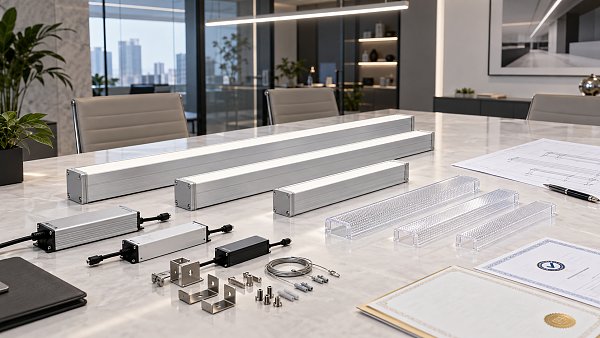
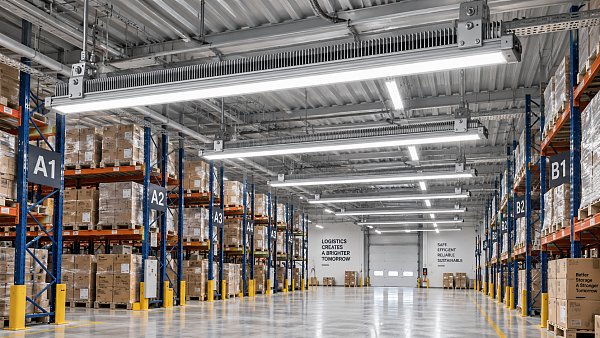
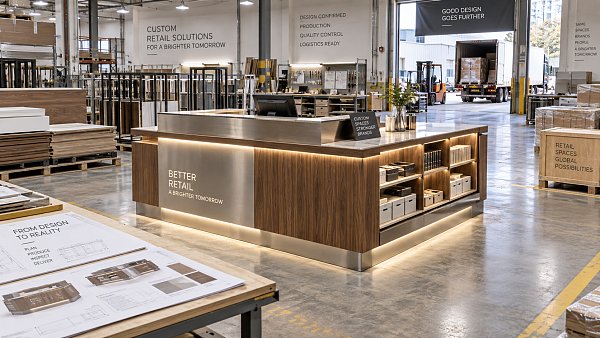
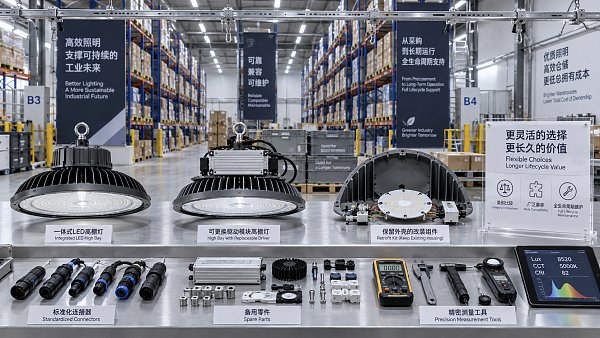
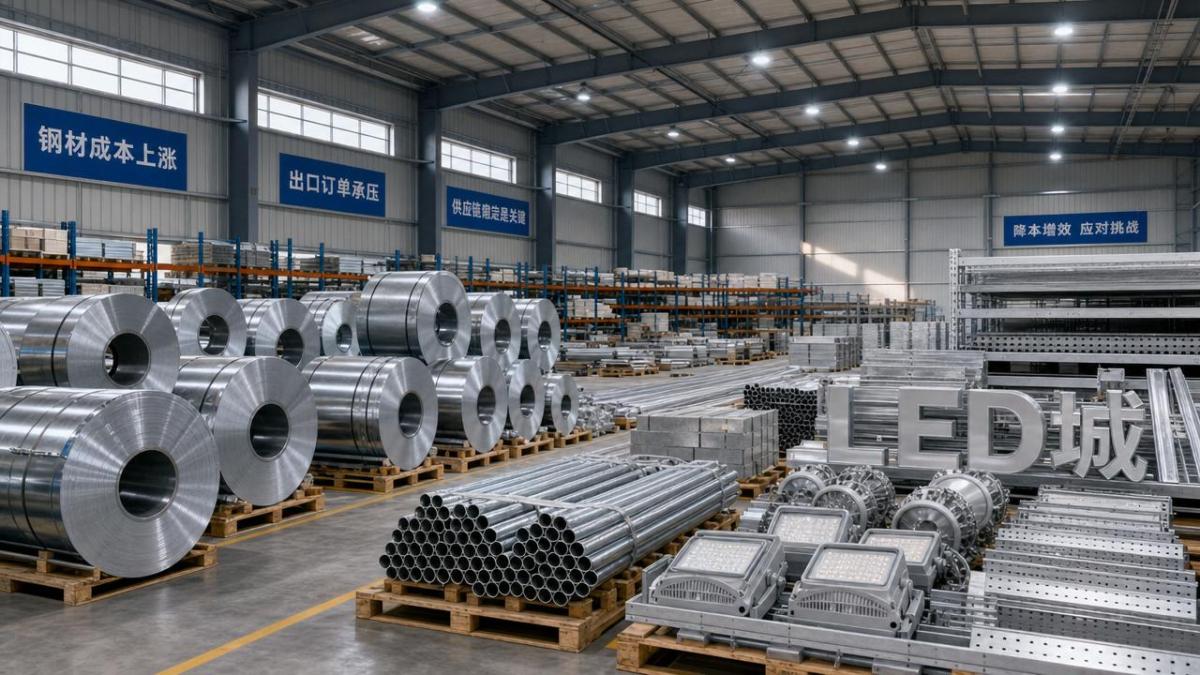
The publicly available information in this event brief indicates that the policy directly affects export categories with metal structural components, including architectural LED lighting, retail shelving and fixtures, and 3D channel letters and signs. These categories may depend on basic materials such as Chinese-made cold-rolled steel and galvanized pipes.
The confirmed impacts stated in the event information include higher end-product manufacturing costs and longer compliance and customs declaration cycles. Overseas importers are therefore expected to reassess suppliers’ ability to pass on costs and to review possible alternative material options.
Which Segments Are Affected
Direct Trade Companies
Direct trade companies involved in importing or exporting metal-structured products may be affected because the tariff increase applies to imported steel products and can influence the cost structure of goods containing steel-based materials.
For companies trading in architectural LED lighting, retail shelving and fixtures, and 3D channel letters and signs, the main impact is likely to appear in quotation management, contract pricing, customs documentation, and communication with buyers. Analysis shows that the key pressure is not limited to the tariff itself, but also includes whether existing suppliers can clearly explain cost changes and delivery implications.
Raw Material Procurement Companies
Companies responsible for purchasing cold-rolled steel, galvanized pipes, and other steel-based materials may face greater pressure in supplier evaluation. The event information specifically points to the reliance of certain export categories on these basic materials.
From an industry perspective, procurement teams should pay closer attention to whether steel-related input costs are being passed along the supply chain. The impact may be reflected in material quotations, order lead times, and the feasibility of alternative material plans. However, any substitution plan should be assessed against product structure, compliance requirements, and customer acceptance rather than treated as a simple replacement.
Processing and Manufacturing Companies
Manufacturers of metal-structured export products may be affected because their finished goods can include steel components or steel-based frames, housings, supports, or sign structures. The provided information identifies architectural LED lighting, retail shelving and fixtures, and 3D channel letters and signs as relevant categories.
Observably, the manufacturing impact may include higher terminal production costs and longer preparation time for customs-related compliance. For manufacturers, the practical issue is whether production quotations, order scheduling, and documentation can be adjusted in line with the changed tariff environment.
Channel Distribution Companies
Distributors and overseas buyers handling LED lighting, shelving systems, fixture hardware, and sign products may be affected through landed cost changes and longer customs declaration cycles.
What deserves more attention now is the relationship between upstream cost changes and downstream sales commitments. If distributors have already confirmed project budgets or delivery windows, any change in manufacturing costs or customs timing may require earlier communication with customers and suppliers.
Supply Chain Service Providers
Supply chain service companies, including those supporting customs documentation, logistics coordination, and import compliance processes, may see more demand for accurate product classification and steel-related documentation review.
Analysis shows that the policy may make customs preparation more time-sensitive for affected product categories. The impact is especially relevant where products combine steel materials with finished lighting, shelving, or signage structures, because documentation and compliance review may require closer coordination among suppliers, importers, and service providers.
What Companies Should Watch and How to Respond
Track Official Follow-Up and Policy Details
Companies should continue to monitor official statements and any further clarification related to the tariff increase. The confirmed information is that the EU announced a 50% tariff on imported steel products on May 21, 2026, but companies should avoid assuming implementation details beyond what has been publicly confirmed in their own compliance process.
It is more appropriate to understand this as a policy change that requires close operational review, especially for businesses connected with steel-based export categories.
Review Affected Product Categories and Business Links
Companies should identify whether their products involve cold-rolled steel, galvanized pipes, or other steel-based structural materials. The categories highlighted in the event information include architectural LED lighting, retail shelving and fixtures, and 3D channel letters and signs.
From an industry perspective, the review should not stop at finished product names. Businesses should examine which parts of the product structure, procurement process, and customs declaration process may be connected to steel inputs.
Separate Policy Signals from Actual Business Execution
The tariff increase is a clear policy signal, but its actual business impact may vary by product structure, supplier arrangement, and import process. Companies should distinguish between the existence of the tariff measure and the specific cost or compliance effect on each order.
Analysis shows that a practical response should include order-by-order assessment, especially for projects involving fixed pricing, tight delivery schedules, or steel-heavy product designs.
Prepare Supplier, Procurement, and Communication Plans
Importers and exporters should review whether suppliers can explain cost changes, provide material documentation, and support customs compliance. The event information specifically notes that overseas importers need to reassess suppliers’ cost pass-through capability and alternative material options.
Current preparation should include checking supplier quotations, confirming material composition, discussing possible cost adjustments, and preparing communication with customers where delivery time or landed cost may be affected.
Editor’s View / Industry Observation
Observably, this tariff increase is not only a steel trade issue. For industries that use steel as a structural or supporting material, it may influence the commercial chain from material procurement to finished product export and import compliance.
Analysis shows that the event is already a concrete policy announcement, while the full business impact still depends on how affected companies’ products, contracts, and customs processes are structured. For architectural LED lighting, retail shelving and fixtures, and 3D channel letters and signs, the most relevant question is whether steel-related cost and compliance changes can be absorbed, transferred, or managed through alternative plans.
From an industry perspective, the policy should be viewed as both an immediate operational concern and a signal that steel-dependent export categories may face greater trade compliance sensitivity. Continued attention is necessary because customs timelines, cost negotiations, and material choices may all become more important in cross-border transactions.
Conclusion
The EU decision announced on May 21, 2026 to raise tariffs on imported steel products to 50% carries clear implications for metal-structured export categories, including architectural LED lighting, retail shelving and fixtures, and 3D channel letters and signs.
The more balanced conclusion is that this news should not be read only as a steel tariff update. It is more appropriate to understand this as a supply chain and compliance signal for companies whose finished products rely on steel-based materials. Businesses should focus on verified policy details, product-level exposure, supplier cost transparency, and practical preparation for customs and customer communication.
Source Note
- Main source: Event brief on the European Union tariff increase on imported steel products announced on May 21, 2026.
- Information requiring continued observation: follow-up official clarification, product-level customs application, compliance declaration requirements, and the actual cost pass-through effect on affected export categories.
News Recommendations
 What records are needed for an ISO 9001 furniture factory audit?
![51a6ab95581761cc26f4318be6520c15]()
Aris Katos
Future of Carbide Coatings
 How to choose AI marketing tools that work with your existing CRM
![51a6ab95581761cc26f4318be6520c15]()
Aris Katos
Future of Carbide Coatings
 Do freight costs erase savings when buying retail fixtures wholesale?
![51a6ab95581761cc26f4318be6520c15]()
Aris Katos
Future of Carbide Coatings
 Can smart retail IT solutions for CPG work with legacy POS systems?
![51a6ab95581761cc26f4318be6520c15]()
Aris Katos
Future of Carbide Coatings
 What permit approvals belong in a commercial fitout planning checklist?
![51a6ab95581761cc26f4318be6520c15]()
Aris Katos
Future of Carbide Coatings
 How Does Commercial Design Differ from Interior Decoration?
![51a6ab95581761cc26f4318be6520c15]()
Aris Katos
Future of Carbide Coatings
 How Long Does It Take to Verify a Commercial Furniture Supplier?
![51a6ab95581761cc26f4318be6520c15]()
Aris Katos
Future of Carbide Coatings
 How to verify compostability claims from a bubble mailer manufacturer
![51a6ab95581761cc26f4318be6520c15]()
Aris Katos
Future of Carbide Coatings
 Will commercial smart infrastructure solutions work with legacy systems?
![51a6ab95581761cc26f4318be6520c15]()
Aris Katos
Future of Carbide Coatings
 How to verify a preschool furniture manufacturer's safety standards
![51a6ab95581761cc26f4318be6520c15]()
Aris Katos
Future of Carbide Coatings
 A technical comparison of semiconductor processes for power devices
![51a6ab95581761cc26f4318be6520c15]()
Aris Katos
Future of Carbide Coatings
 How to verify that a BIFMA ergonomic chair meets the standard
![51a6ab95581761cc26f4318be6520c15]()
Aris Katos
Future of Carbide Coatings
 How to use a CRI value chart when choosing LED lighting
![51a6ab95581761cc26f4318be6520c15]()
Aris Katos
Future of Carbide Coatings
 How to compare hotel aroma diffuser wholesale options by coverage area
![51a6ab95581761cc26f4318be6520c15]()
Aris Katos
Future of Carbide Coatings
 How to prevent O-rings and seals from failing in food equipment
![51a6ab95581761cc26f4318be6520c15]()
Aris Katos
Future of Carbide Coatings
 How to compare commercial linear light wholesale quotes accurately
![51a6ab95581761cc26f4318be6520c15]()
Aris Katos
Future of Carbide Coatings
 How to verify international standards compliance for Middle East exports
![51a6ab95581761cc26f4318be6520c15]()
Aris Katos
Future of Carbide Coatings
 How to select laboratory instruments for reproducible test results
![51a6ab95581761cc26f4318be6520c15]()
Aris Katos
Future of Carbide Coatings
 When does a sheet metal prototype reveal design flaws early?
![51a6ab95581761cc26f4318be6520c15]()
Aris Katos
Future of Carbide Coatings
 When PE air column bags reduce damage in e-commerce fulfillment
![51a6ab95581761cc26f4318be6520c15]()
Aris Katos
Future of Carbide Coatings
 How energy-efficient design reduces operating costs in retail lighting
![51a6ab95581761cc26f4318be6520c15]()
Aris Katos
Future of Carbide Coatings
 When commercial aluminum storefronts make sense for a retail renovation
![51a6ab95581761cc26f4318be6520c15]()
Aris Katos
Future of Carbide Coatings
 What makes LED lights durable in high-use commercial spaces?
![51a6ab95581761cc26f4318be6520c15]()
Aris Katos
Future of Carbide Coatings
 Which industry categories offer the strongest export potential in Latin America?
![51a6ab95581761cc26f4318be6520c15]()
Aris Katos
Future of Carbide Coatings
 How to choose an ultra bright waterproof window display for storefronts
![51a6ab95581761cc26f4318be6520c15]()
Aris Katos
Future of Carbide Coatings
 How to verify suppliers on a trade portal for global sourcing
![51a6ab95581761cc26f4318be6520c15]()
Aris Katos
Future of Carbide Coatings
 How RoHS requirements should be stated in product specifications
![51a6ab95581761cc26f4318be6520c15]()
Aris Katos
Future of Carbide Coatings
 What affects the lead time for custom retail counter displays?
![51a6ab95581761cc26f4318be6520c15]()
Aris Katos
Future of Carbide Coatings
 What consumer packaging USA importers need to verify before ordering
![51a6ab95581761cc26f4318be6520c15]()
Aris Katos
Future of Carbide Coatings
 How commercial spaces interiors shape customer dwell time
![51a6ab95581761cc26f4318be6520c15]()
Aris Katos
Future of Carbide Coatings
 How LED commercial lighting design reduces glare in retail spaces
![51a6ab95581761cc26f4318be6520c15]()
Aris Katos
Future of Carbide Coatings
 How industrial technology information improves RFID inventory accuracy
![51a6ab95581761cc26f4318be6520c15]()
Aris Katos
Future of Carbide Coatings
 When drip garden watering systems make more sense than sprinklers
![51a6ab95581761cc26f4318be6520c15]()
Aris Katos
Future of Carbide Coatings
 When category comparison improves sourcing for industrial applications
![51a6ab95581761cc26f4318be6520c15]()
Aris Katos
Future of Carbide Coatings
 Industrial application guidance for selecting the right LED lighting
![51a6ab95581761cc26f4318be6520c15]()
Aris Katos
Future of Carbide Coatings
 Which commercial architecture standards apply to European retail fit-outs?
![51a6ab95581761cc26f4318be6520c15]()
Aris Katos
Future of Carbide Coatings
 How to verify FDA requirements for maternity care products
![51a6ab95581761cc26f4318be6520c15]()
Aris Katos
Future of Carbide Coatings
 How to verify BPA-free claims for food-contact products
![51a6ab95581761cc26f4318be6520c15]()
Aris Katos
Future of Carbide Coatings
 When does a European wholesale supplier suit modular office projects?
![51a6ab95581761cc26f4318be6520c15]()
Aris Katos
Future of Carbide Coatings