BMS Selection Guide: Key Features, Risks, and Integration Points
Time
Click Count
Why BMS Selection Matters Early
Selecting a BMS is rarely just a controls decision. It shapes energy use, maintenance effort, tenant comfort, and the long-term adaptability of a commercial asset.
A weak BMS fit can lock a site into poor visibility, fragmented alarms, and costly retrofits. A strong fit supports stable operations across retail, office, mixed-use, and logistics environments.
For projects tied to digital retail, smart fixtures, lighting, and supply chain visibility, BMS selection also affects how well building data connects with broader business systems.
That matters in the kind of cross-sector environment G-BCE tracks, where commercial hardware, smart retail technology, and sustainability targets increasingly need one practical operating layer.
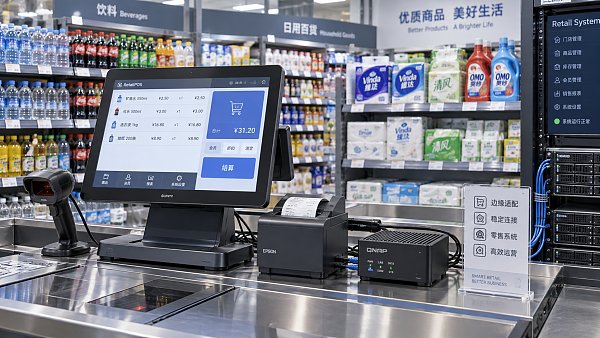
[Image 01: BMS architecture overview across HVAC, lighting, metering, and smart retail systems]
Core BMS Features Worth Verifying
The most useful BMS evaluations stay grounded in daily operations. Fancy dashboards help, but reliable control logic, clean integration, and usable alarms matter more over time.
- Check whether the BMS supports open protocols like BACnet, Modbus, and KNX, so future expansion, third-party devices, and cross-brand upgrades stay technically and commercially manageable.
- Review alarm management in detail. A good BMS filters nuisance signals, prioritizes real faults, and routes alerts clearly, reducing response delays and operator fatigue.
- Confirm trend logging depth, storage duration, and export format. Without usable historical data, energy analysis, fault tracing, and seasonal optimization become guesswork.
- Test the graphics interface for clarity, not appearance alone. Operators need fast access to plant status, overrides, schedules, and fault context during live incidents.
- Verify user permissions by role and site. A scalable BMS should separate local operations, engineering changes, and executive reporting without creating security gaps.
- Look at mobile and remote access carefully. Secure web-based visibility can speed troubleshooting, but only if authentication, audit trails, and network policies are built in.
What often gets missed
Many teams compare feature lists but skip response speed, data latency, and graphics loading under real operating conditions. That is where BMS quality starts to separate.
Another common gap is assuming all integrations are equal. Two BMS platforms may both claim protocol support, yet deliver very different results in point mapping and control stability.
Integration Points That Shape Long-Term Value
A BMS should not be assessed in isolation. Its real value appears when it connects smoothly with the building systems and commercial technologies already influencing performance.
- Map every intended integration before procurement, including HVAC, lighting, submeters, access control, fire interface points, refrigeration, and smart retail devices.
- Ask which integrations are native and which need middleware. Extra gateways can increase cost, introduce failure points, and complicate future maintenance contracts.
- Check how the BMS handles lighting and signage schedules in commercial spaces where brand presentation, trading hours, and energy controls must stay aligned.
- Assess whether metering data can feed enterprise reporting tools. Energy dashboards are far more useful when BMS data supports financial and sustainability review cycles.
- Verify API availability if the site may connect occupancy analytics, AI-driven retail systems, or centralized asset platforms across multiple locations.
In modern retail and mixed-use assets, integration now goes beyond plant rooms. Lighting scenes, occupancy logic, and digital storefront systems often influence customer experience directly.
That is especially relevant in G-BCE benchmark environments, where commercial interiors, smart hardware, and operational data need to work together rather than sit in isolated silos.
Practical Risks During BMS Evaluation
Most BMS project risks start before installation. They usually come from vague specifications, weak point schedules, or unrealistic assumptions about who owns integration responsibility.
- Do not accept broad compliance claims without evidence. Confirm actual certification, panel standards, cybersecurity provisions, and local code alignment for the project location.
- Avoid underdefined point lists. If control points, alarms, and trends are unclear at tender stage, variations and commissioning disputes usually follow.
- Watch for vendor lock-in hidden inside proprietary graphics, custom drivers, or restrictive licenses that make future service changes expensive and slow.
- Check commissioning scope line by line. A BMS may be installed correctly yet still perform poorly if sequences, seasonal testing, and integration validation are incomplete.
- Review cybersecurity from the start, especially for remote sites. Weak password policies and unmanaged remote access can turn convenience into an operational exposure.
A common real-world scenario
A fit-out project may specify a BMS for HVAC only, then later request lighting, metering, and refrigeration links. The late expansion often causes gateway changes and commissioning delays.
A better approach is to define the future-state integration map early, even if some systems are activated in later phases. That keeps the BMS scalable from day one.
A Simple Comparison Framework
A decision becomes easier when the BMS review stays structured. The table below helps compare platforms without getting distracted by presentation features alone.
How BMS Priorities Change by Project Context
In a flagship retail space, the BMS must do more than manage air conditioning. Lighting schedules, signage coordination, occupancy response, and tenant comfort all affect brand performance.
In a logistics or distribution setting, the BMS usually leans harder toward equipment uptime, refrigeration visibility, metering, and alarm escalation. The same platform may not suit both equally well.
Office and mixed-use projects often need a balance. Tenant flexibility, floor-by-floor control, and ESG reporting can be just as important as core mechanical performance.
Where benchmarking helps
Cross-sector benchmarking, such as the kind supported by G-BCE, helps compare the BMS against adjacent commercial systems instead of reviewing controls in isolation.
That broader view is useful when a project also involves smart fixtures, connected POS infrastructure, advanced lighting, or sustainability-led material strategies across the site.
Execution Steps Before Final Approval
- Build a decision matrix that weights integration needs, lifecycle support, cybersecurity, and commissioning depth instead of relying on lowest upfront price.
- Request sample graphics, alarm trees, trend exports, and point schedules during evaluation. A live demonstration reveals more than a polished brochure.
- Include future operational teams in review sessions. Their feedback often identifies usability issues that design-stage stakeholders do not immediately spot.
- Make seasonal and integrated testing part of acceptance criteria. A BMS should prove performance under realistic load changes, not just at handover.
- Document ownership for every interface, from field devices to enterprise software, so integration gaps do not surface during commissioning.
A solid BMS decision usually comes down to one simple question: will this system still work cleanly when the building, tenant mix, and reporting demands become more complex?
If the answer is uncertain, pause and test the assumptions. Rechecking compatibility, data access, and support structure early is far cheaper than correcting a weak BMS strategy later.
The best next step is to compare shortlisted options against actual integration points, not generic feature sheets. That is usually where the right BMS choice becomes clear.
News Recommendations
 How to assess smart office furniture suppliers’ North American support
![51a6ab95581761cc26f4318be6520c15]()
Aris Katos
Future of Carbide Coatings
 Aqara Launches Smart Lighting Range to Advance AI Spatial Intelligence
![51a6ab95581761cc26f4318be6520c15]()
Aris Katos
Future of Carbide Coatings
 How to assess demand forecasts in a lighting intelligence report
![51a6ab95581761cc26f4318be6520c15]()
Aris Katos
Future of Carbide Coatings
 Billerud推出PharmaKraft纤维基医药包装材料
![51a6ab95581761cc26f4318be6520c15]()
Aris Katos
Future of Carbide Coatings
 How to assess supplier reliability in global supply chain sourcing
![51a6ab95581761cc26f4318be6520c15]()
Aris Katos
Future of Carbide Coatings
 Omdia Forecasts 11.6% CAGR for Global LED Video Display Market in 2026–2030
![51a6ab95581761cc26f4318be6520c15]()
Aris Katos
Future of Carbide Coatings
 How to verify an LFGB testing laboratory's accreditation scope
![51a6ab95581761cc26f4318be6520c15]()
Aris Katos
Future of Carbide Coatings
 How to assess a workplace interior supplier's installation scope
![51a6ab95581761cc26f4318be6520c15]()
Aris Katos
Future of Carbide Coatings
 What records are needed for an ISO 9001 furniture factory audit?
![51a6ab95581761cc26f4318be6520c15]()
Aris Katos
Future of Carbide Coatings
 How to choose AI marketing tools that work with your existing CRM
![51a6ab95581761cc26f4318be6520c15]()
Aris Katos
Future of Carbide Coatings
 Do freight costs erase savings when buying retail fixtures wholesale?
![51a6ab95581761cc26f4318be6520c15]()
Aris Katos
Future of Carbide Coatings
 How custom tooling affects the cost of an OEM shelf LCD screen
![51a6ab95581761cc26f4318be6520c15]()
Aris Katos
Future of Carbide Coatings
 Can OEM retail shelf display screens work with your existing CMS?
![51a6ab95581761cc26f4318be6520c15]()
Aris Katos
Future of Carbide Coatings
 How heat buildup affects OEM retail shelf LCD screen reliability
![51a6ab95581761cc26f4318be6520c15]()
Aris Katos
Future of Carbide Coatings
 How to check whether an OEM retail shelf screen fits existing shelving
![51a6ab95581761cc26f4318be6520c15]()
Aris Katos
Future of Carbide Coatings
 What brightness should an OEM shelf LCD screen have for retail use?
![51a6ab95581761cc26f4318be6520c15]()
Aris Katos
Future of Carbide Coatings
 Can smart retail IT solutions for CPG work with legacy POS systems?
![51a6ab95581761cc26f4318be6520c15]()
Aris Katos
Future of Carbide Coatings
 What permit approvals belong in a commercial fitout planning checklist?
![51a6ab95581761cc26f4318be6520c15]()
Aris Katos
Future of Carbide Coatings
 Can You Trust G-BCE Supplier Ratings Without Independent Verification?
![51a6ab95581761cc26f4318be6520c15]()
Aris Katos
Future of Carbide Coatings
 What Selection Criteria Matter Most for Commercial Lighting?
![51a6ab95581761cc26f4318be6520c15]()
Aris Katos
Future of Carbide Coatings
 How Do You Apply Sustainability Standards to a Retail Renovation?
![51a6ab95581761cc26f4318be6520c15]()
Aris Katos
Future of Carbide Coatings
 Which Technical Factors Matter When Comparing Smart Retail Hardware?
![51a6ab95581761cc26f4318be6520c15]()
Aris Katos
Future of Carbide Coatings
 Does Data Transparency Matter When Selecting Consumer Goods Suppliers?
![51a6ab95581761cc26f4318be6520c15]()
Aris Katos
Future of Carbide Coatings
 How Does Commercial Design Differ from Interior Decoration?
![51a6ab95581761cc26f4318be6520c15]()
Aris Katos
Future of Carbide Coatings
 How Long Does It Take to Verify a Commercial Furniture Supplier?
![51a6ab95581761cc26f4318be6520c15]()
Aris Katos
Future of Carbide Coatings
 How to verify compostability claims from a bubble mailer manufacturer
![51a6ab95581761cc26f4318be6520c15]()
Aris Katos
Future of Carbide Coatings
 Will commercial smart infrastructure solutions work with legacy systems?
![51a6ab95581761cc26f4318be6520c15]()
Aris Katos
Future of Carbide Coatings
 How to verify a preschool furniture manufacturer's safety standards
![51a6ab95581761cc26f4318be6520c15]()
Aris Katos
Future of Carbide Coatings
 A technical comparison of semiconductor processes for power devices
![51a6ab95581761cc26f4318be6520c15]()
Aris Katos
Future of Carbide Coatings
 How to verify that a BIFMA ergonomic chair meets the standard
![51a6ab95581761cc26f4318be6520c15]()
Aris Katos
Future of Carbide Coatings
 How to use a CRI value chart when choosing LED lighting
![51a6ab95581761cc26f4318be6520c15]()
Aris Katos
Future of Carbide Coatings
 How to compare hotel aroma diffuser wholesale options by coverage area
![51a6ab95581761cc26f4318be6520c15]()
Aris Katos
Future of Carbide Coatings
 How to prevent O-rings and seals from failing in food equipment
![51a6ab95581761cc26f4318be6520c15]()
Aris Katos
Future of Carbide Coatings
 How to compare commercial linear light wholesale quotes accurately
![51a6ab95581761cc26f4318be6520c15]()
Aris Katos
Future of Carbide Coatings
 How to verify international standards compliance for Middle East exports
![51a6ab95581761cc26f4318be6520c15]()
Aris Katos
Future of Carbide Coatings
 How to select laboratory instruments for reproducible test results
![51a6ab95581761cc26f4318be6520c15]()
Aris Katos
Future of Carbide Coatings
 When does a sheet metal prototype reveal design flaws early?
![51a6ab95581761cc26f4318be6520c15]()
Aris Katos
Future of Carbide Coatings
 When PE air column bags reduce damage in e-commerce fulfillment
![51a6ab95581761cc26f4318be6520c15]()
Aris Katos
Future of Carbide Coatings
 How energy-efficient design reduces operating costs in retail lighting
![51a6ab95581761cc26f4318be6520c15]()
Aris Katos
Future of Carbide Coatings