Can You Trust G-BCE Supplier Ratings Without Independent Verification?
Time
Click Count
Can You Trust G-BCE Supplier Ratings Without Independent Verification?
Can I trust supplier ratings on G-BCE without independent verification? For sourcing directors and commercial developers, the practical answer is: use them to decide whom to investigate, not as the sole basis for approving a purchase. A supplier rating may help narrow a crowded market, but it cannot establish every fact that matters to your product, destination market, or delivery schedule.
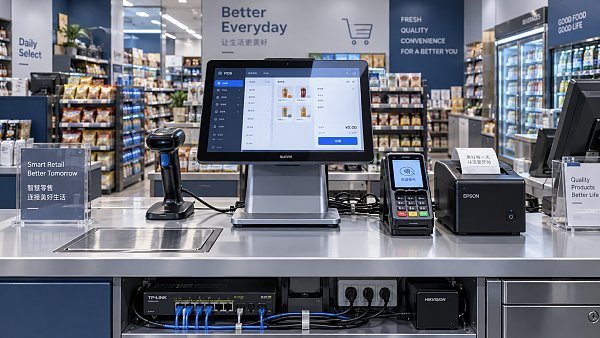
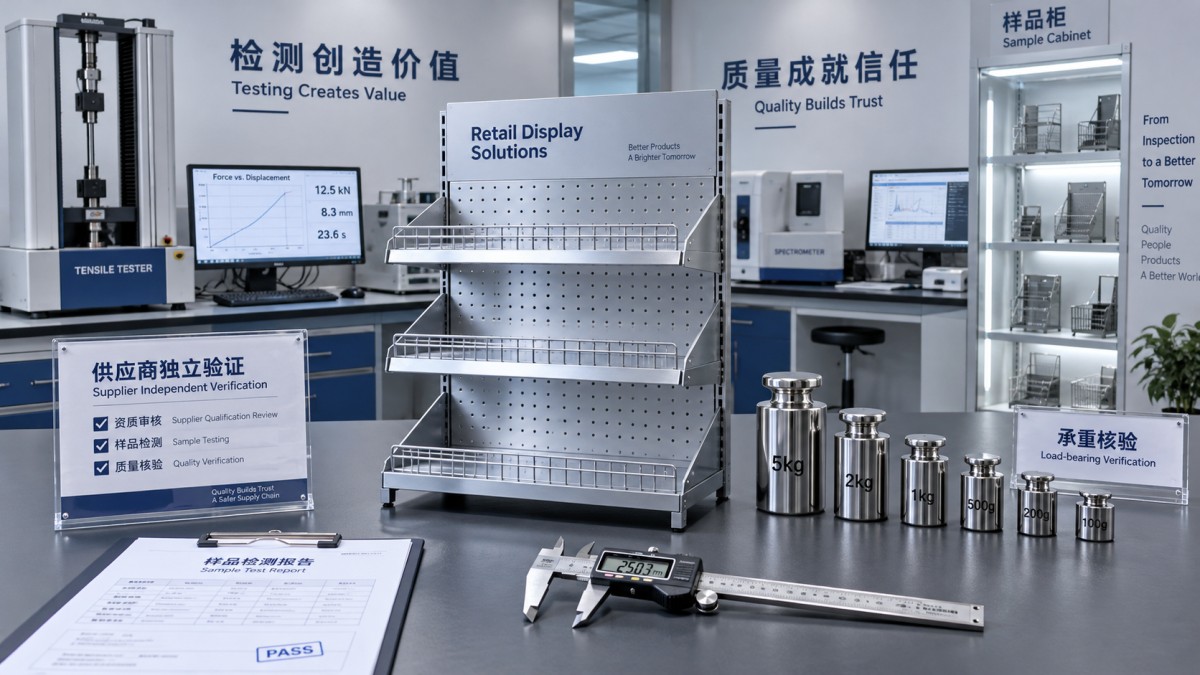
The distinction becomes important when an apparently straightforward purchase carries hidden dependencies. A retail display may need verified load performance. A connected checkout terminal may require ongoing security support. Packaging described as sustainable may not suit the product it protects or the disposal infrastructure where it is sold. A strong overall score does not automatically answer those questions.
The useful approach is not to distrust every platform rating. It is to understand what the rating supports, identify what remains unknown, and verify the gaps in proportion to the consequences of failure.
Start by finding out what the rating actually measures
Global Business & Consumer Ecosystem (G-BCE) is positioned as an intelligence platform and technical benchmarking repository spanning commercial furniture and fixtures, smart retail technology, consumer goods supply chains, commercial lighting and signage, and sustainable packaging. That cross-sector perspective can help buyers compare suppliers against more than price or catalogue appearance.
However, a platform’s scope does not establish how any individual supplier score was calculated. Without reviewing G-BCE’s current methodology and the evidence attached to a particular profile, you should not assume that a rating includes factory visits, independent laboratory testing, verified transaction history, or continuous monitoring.
Before relying on a score, look for answers to these questions:
- Is the rating assigned to a legal entity, a factory site, a product family, or an individual model?
- Which inputs come from the supplier, and which have been checked independently?
- When was the underlying evidence collected, and what triggers reassessment?
- Does the score distinguish product compliance from responsiveness, pricing, and delivery performance?
- Are commercial relationships, paid placements, or review incentives disclosed where relevant?
If those details are unavailable, treat the rating as a discovery signal with limited evidentiary weight. An unexplained score is not necessarily wrong; it is simply difficult to use responsibly in a procurement approval.
Check the evidence against the exact item you intend to buy
One of the easiest procurement mistakes is accepting a genuine document that does not cover the actual order. A supplier may provide a valid test report for one chair configuration while quoting another mechanism, base, or material. A lighting report may identify a driver different from the one proposed for production. Authenticity matters, but applicability matters just as much.
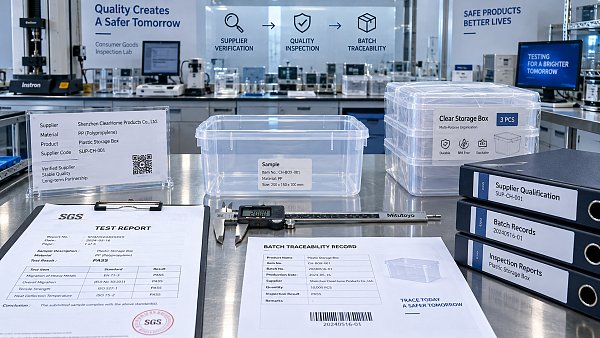
Ask for documents that identify the manufacturer, production location where relevant, model or product family, tested configuration, applicable standard, report date, and issuing organization. Compare those details with the quotation, technical specification, and purchase order. Where a document covers a family of products, ask how your configuration falls within that scope.
Do not treat UL, CE, and BIFMA as interchangeable badges
These references describe different kinds of requirements and assessment arrangements. CE marking indicates a manufacturer’s declaration that a product meets applicable EU legislation requiring that marking; third-party involvement depends on the product and conformity assessment route. A generic “CE certificate” does not, by itself, establish that the required obligations have been met.
For a claimed UL certification, check the relevant official certification directory and confirm that the manufacturer, model, and certification scope match the supplied product. A UL-certified component does not automatically establish certification of the complete assembly.
For furniture, ask which ANSI/BIFMA standard and edition were used and obtain the relevant test evidence. “BIFMA compliant” without an identifiable standard, configuration, and supporting report leaves too much unresolved. These checks should follow the product’s intended use and destination-market requirements, not a generic request for every familiar logo.
Where possible, authenticate reports directly with the issuer using independently obtained contact details. Checking a document’s appearance is not the same as checking its validity.
Scale verification to the cost of being wrong
Independent verification does not mean commissioning a full factory audit for every purchase. It means obtaining evidence beyond the rating and the supplier’s unsupported assurances. The appropriate depth depends on safety exposure, order value, customization, operational dependence, and how easily a defective item can be replaced.
For a small, low-consequence order of non-electrical accessories, a verified business identity, relevant documentation, and an inspected sample may be sufficient. A custom illuminated fixture for a chain rollout deserves a different process: technical review, applicable compliance checks, production controls, and inspection before dispatch. Low unit price does not necessarily mean low risk.
The category also changes what you should verify:
- Commercial furniture and fixtures: Check stability, intended loads, anchoring requirements, finish durability, and the production configuration covered by testing.
- Smart retail technology: Review integration compatibility, administrator access, update responsibilities, data handling, and support arrangements—not just a successful demonstration.
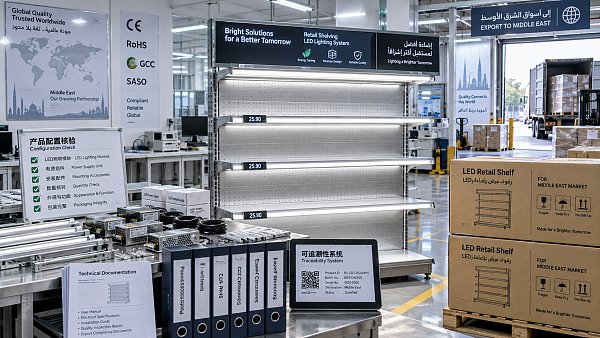
- Lighting and signage: Confirm electrical characteristics, installation conditions, environmental suitability, and whether component substitutions affect compliance evidence.
- Consumer goods: Examine material specifications, traceability, labeling, and any requirements linked to intended users or product contact.
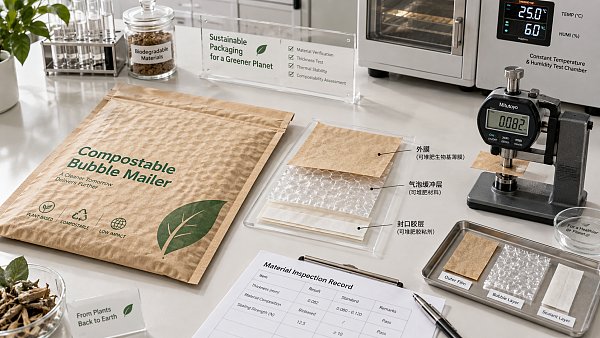
- Sustainable packaging: Separate recycled-content, recyclability, and compostability claims. Each needs different support, and disposal claims may depend on local infrastructure.
For packaging, environmental evidence also needs to sit alongside performance testing. A material can have credible environmental attributes and still fail under humidity, stacking, sealing, or transport conditions. The right question is whether it performs in your supply chain while supporting the specific claim you intend to make.
Verify who will manufacture—and whether they can deliver
A highly rated company may be a manufacturer, trading business, integrator, or sourcing intermediary. None of those roles is automatically unacceptable. Problems arise when the buyer assumes one role while the supplier performs another.
Confirm the contracting entity, invoice issuer, payment beneficiary, and intended production site. If names differ, obtain a documented explanation. Unexpected changes to bank details warrant separate confirmation through a previously verified contact channel, regardless of the supplier’s rating.
Then investigate the operational constraint most likely to affect your order. For metal fixtures, that might be finishing capacity rather than fabrication. For connected devices, it could be component availability or firmware readiness. For printed packaging, artwork approval, tooling, and material procurement may determine the schedule more than the advertised production lead time.
Ask the supplier to explain the sequence from approved specification to shipment, including subcontracted work and dependencies. A video walkthrough can help clarify processes, but it does not replace an independent site assessment when production capability is a material risk.
Reference checks can add context if they concern comparable work. Ask about specification changes, defect handling, replacement parts, and recovery from delays. General praise for customer service tells you less than a concrete explanation of how the supplier handled a production problem.
Turn the sample into a production requirement
A good sample is evidence of what the supplier can make, not proof of what every shipment will contain. Before approving it, record the attributes that matter: dimensions and tolerances, materials, finish, components, software version where relevant, packaging, and agreed functional checks.
For customized goods, retain an approved reference sample or an adequately documented equivalent. Tie approval to a revision-controlled specification. Otherwise, a later disagreement may reduce to competing memories of what “same quality” meant.
Agree on inspection arrangements before production starts. Define when inspection occurs, which defects are unacceptable, how sampling will work, who pays for reinspection, and what happens if the shipment fails. Sampling can support a lot-acceptance decision, but it does not guarantee that every unit is defect-free. Safety-critical characteristics may require controls beyond routine visual inspection.
Put change control in writing. Require approval before substitutions to critical materials, components, production sites, or relevant software. Also define delivery milestones, warranty responsibilities, remedies, and payment conditions. An inspection report has limited commercial value if your agreement does not explain what follows an adverse finding.
Know when to pause—and when the rating has done its job
A missing document is not always a reason to reject a supplier. It may be a resolvable administrative gap. More serious warning signs include repeated model mismatches, refusal to identify the production site, resistance to reasonable independent checks, or pressure for irreversible payment before material questions are answered.
Distinguish an unresolved question from a failed check. An unexplained inconsistency calls for clarification; a confirmed misrepresentation calls for a different level of caution. Avoid letting a high platform score override contradictory evidence gathered for your own order.
G-BCE supplier ratings can remain useful throughout this process: they can organize a shortlist, highlight evidence worth examining, and provide context for comparison. They should not carry conclusions their underlying evidence cannot support.
Before releasing a significant order, write down the remaining unknowns and the consequence of each. Assign every material gap a check, an owner, and a deadline. If a supplier cannot support a critical claim, narrow the commitment or pause the purchase. Trust becomes commercially useful when it is tied to evidence for the product you will actually receive.
- commercial furniture
- smart retail
- supply chain
- consumer goods
- commercial lighting
- signage
- sustainable packaging
- retail technology
- commercial developers
- technical benchmarking
- smart retail technology
- consumer ecosystem
- commercial furniture and fixtures
- commercial lighting and signage
- Can I trust supplier ratings on G-BCE without independent verification?
News Recommendations
 How to assess smart office furniture suppliers’ North American support
![51a6ab95581761cc26f4318be6520c15]()
Aris Katos
Future of Carbide Coatings
 Aqara Launches Smart Lighting Range to Advance AI Spatial Intelligence
![51a6ab95581761cc26f4318be6520c15]()
Aris Katos
Future of Carbide Coatings
 How to assess demand forecasts in a lighting intelligence report
![51a6ab95581761cc26f4318be6520c15]()
Aris Katos
Future of Carbide Coatings
 Billerud推出PharmaKraft纤维基医药包装材料
![51a6ab95581761cc26f4318be6520c15]()
Aris Katos
Future of Carbide Coatings
 How to assess supplier reliability in global supply chain sourcing
![51a6ab95581761cc26f4318be6520c15]()
Aris Katos
Future of Carbide Coatings
 Omdia Forecasts 11.6% CAGR for Global LED Video Display Market in 2026–2030
![51a6ab95581761cc26f4318be6520c15]()
Aris Katos
Future of Carbide Coatings
 How to verify an LFGB testing laboratory's accreditation scope
![51a6ab95581761cc26f4318be6520c15]()
Aris Katos
Future of Carbide Coatings
 How to assess a workplace interior supplier's installation scope
![51a6ab95581761cc26f4318be6520c15]()
Aris Katos
Future of Carbide Coatings
 What records are needed for an ISO 9001 furniture factory audit?
![51a6ab95581761cc26f4318be6520c15]()
Aris Katos
Future of Carbide Coatings
 How to choose AI marketing tools that work with your existing CRM
![51a6ab95581761cc26f4318be6520c15]()
Aris Katos
Future of Carbide Coatings
 Do freight costs erase savings when buying retail fixtures wholesale?
![51a6ab95581761cc26f4318be6520c15]()
Aris Katos
Future of Carbide Coatings
 How custom tooling affects the cost of an OEM shelf LCD screen
![51a6ab95581761cc26f4318be6520c15]()
Aris Katos
Future of Carbide Coatings
 Can OEM retail shelf display screens work with your existing CMS?
![51a6ab95581761cc26f4318be6520c15]()
Aris Katos
Future of Carbide Coatings
 How heat buildup affects OEM retail shelf LCD screen reliability
![51a6ab95581761cc26f4318be6520c15]()
Aris Katos
Future of Carbide Coatings
 How to check whether an OEM retail shelf screen fits existing shelving
![51a6ab95581761cc26f4318be6520c15]()
Aris Katos
Future of Carbide Coatings
 What brightness should an OEM shelf LCD screen have for retail use?
![51a6ab95581761cc26f4318be6520c15]()
Aris Katos
Future of Carbide Coatings
 Can smart retail IT solutions for CPG work with legacy POS systems?
![51a6ab95581761cc26f4318be6520c15]()
Aris Katos
Future of Carbide Coatings
 What permit approvals belong in a commercial fitout planning checklist?
![51a6ab95581761cc26f4318be6520c15]()
Aris Katos
Future of Carbide Coatings
 Can You Trust G-BCE Supplier Ratings Without Independent Verification?
![51a6ab95581761cc26f4318be6520c15]()
Aris Katos
Future of Carbide Coatings
 What Selection Criteria Matter Most for Commercial Lighting?
![51a6ab95581761cc26f4318be6520c15]()
Aris Katos
Future of Carbide Coatings
 How Do You Apply Sustainability Standards to a Retail Renovation?
![51a6ab95581761cc26f4318be6520c15]()
Aris Katos
Future of Carbide Coatings
 Which Technical Factors Matter When Comparing Smart Retail Hardware?
![51a6ab95581761cc26f4318be6520c15]()
Aris Katos
Future of Carbide Coatings
 Does Data Transparency Matter When Selecting Consumer Goods Suppliers?
![51a6ab95581761cc26f4318be6520c15]()
Aris Katos
Future of Carbide Coatings
 How Does Commercial Design Differ from Interior Decoration?
![51a6ab95581761cc26f4318be6520c15]()
Aris Katos
Future of Carbide Coatings
 How Long Does It Take to Verify a Commercial Furniture Supplier?
![51a6ab95581761cc26f4318be6520c15]()
Aris Katos
Future of Carbide Coatings
 How to verify compostability claims from a bubble mailer manufacturer
![51a6ab95581761cc26f4318be6520c15]()
Aris Katos
Future of Carbide Coatings
 Will commercial smart infrastructure solutions work with legacy systems?
![51a6ab95581761cc26f4318be6520c15]()
Aris Katos
Future of Carbide Coatings
 How to verify a preschool furniture manufacturer's safety standards
![51a6ab95581761cc26f4318be6520c15]()
Aris Katos
Future of Carbide Coatings
 A technical comparison of semiconductor processes for power devices
![51a6ab95581761cc26f4318be6520c15]()
Aris Katos
Future of Carbide Coatings
 How to verify that a BIFMA ergonomic chair meets the standard
![51a6ab95581761cc26f4318be6520c15]()
Aris Katos
Future of Carbide Coatings
 How to use a CRI value chart when choosing LED lighting
![51a6ab95581761cc26f4318be6520c15]()
Aris Katos
Future of Carbide Coatings
 How to compare hotel aroma diffuser wholesale options by coverage area
![51a6ab95581761cc26f4318be6520c15]()
Aris Katos
Future of Carbide Coatings
 How to prevent O-rings and seals from failing in food equipment
![51a6ab95581761cc26f4318be6520c15]()
Aris Katos
Future of Carbide Coatings
 How to compare commercial linear light wholesale quotes accurately
![51a6ab95581761cc26f4318be6520c15]()
Aris Katos
Future of Carbide Coatings
 How to verify international standards compliance for Middle East exports
![51a6ab95581761cc26f4318be6520c15]()
Aris Katos
Future of Carbide Coatings
 How to select laboratory instruments for reproducible test results
![51a6ab95581761cc26f4318be6520c15]()
Aris Katos
Future of Carbide Coatings
 When does a sheet metal prototype reveal design flaws early?
![51a6ab95581761cc26f4318be6520c15]()
Aris Katos
Future of Carbide Coatings
 When PE air column bags reduce damage in e-commerce fulfillment
![51a6ab95581761cc26f4318be6520c15]()
Aris Katos
Future of Carbide Coatings
 How energy-efficient design reduces operating costs in retail lighting
![51a6ab95581761cc26f4318be6520c15]()
Aris Katos
Future of Carbide Coatings