What after-sales support should I expect from an office furniture manufacturer? For sourcing directors, facility managers, and commercial developers, the answer affects long-term investment value.
Beyond delivery, reliable support should include clear warranty terms, installation guidance, responsive issue resolution, replacement parts, and practical maintenance advice that protects everyday workplace performance.
This guide examines the services manufacturers should provide and the questions buyers should ask before signing a contract, especially when purchasing across borders or locations.
Drawing on G-BCE’s focus on commercial furniture benchmarking and supply chain transparency, it helps buyers evaluate support commitments that reduce disruption and protect long-term value.
What Should a Complete After-Sales Support Package Include?
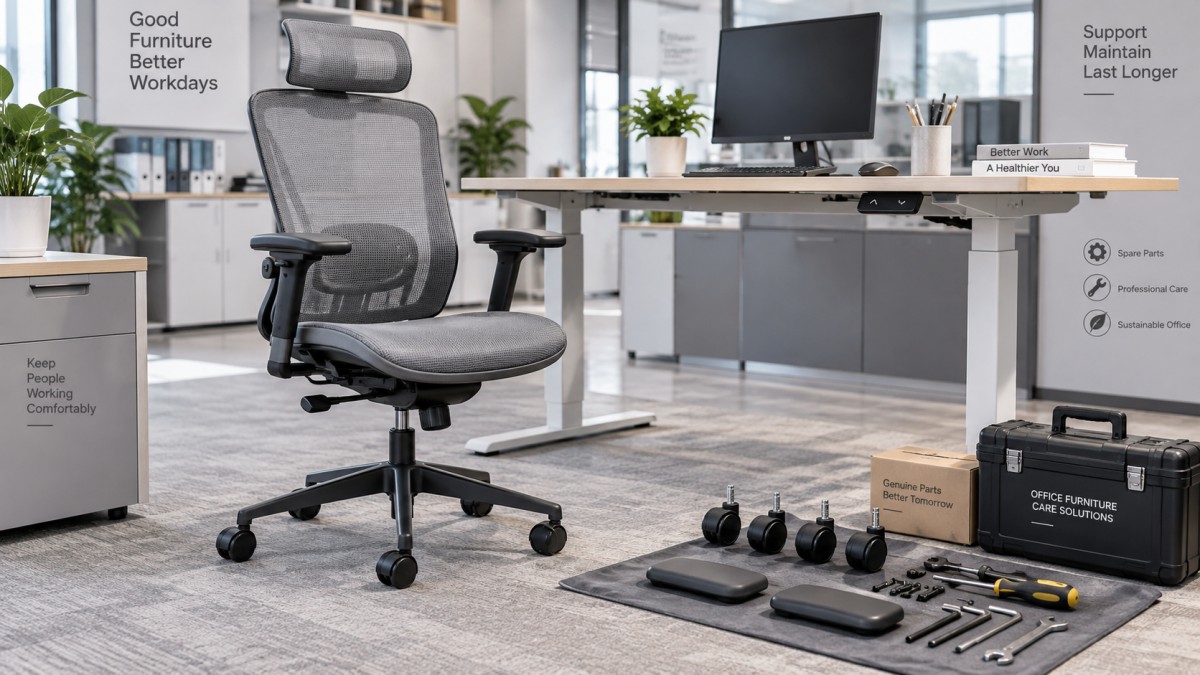
A credible manufacturer should explain who handles problems, which costs it covers, how claims progress, and how furniture remains serviceable after the initial installation period.
The essential package includes warranty documentation, installation support, a defined claims process, parts availability, maintenance instructions, and a named contact responsible for coordinating service requests.
For large projects, buyers may also need local technicians, phased installation assistance, asset records, and support for future additions that match existing furniture specifications closely.
These services protect business continuity. A broken chair mechanism may be inexpensive, but repeated failures create administrative work, unavailable workstations, and avoidable replacement expenditure over time.
However, a product warranty does not automatically include onsite repairs, installation labor, or free international shipping. Each service needs an explicit scope and commercial basis.
The right package depends on use intensity and operating geography. A single office needs different coverage from a chain opening multiple sites across several countries.
Start by identifying your likely failure scenarios, then assess whether the manufacturer’s support model can resolve them without transferring excessive coordination work to your team.
Does the Warranty Cover the Failures That Matter?
Compare warranty scope before comparing warranty length. A long headline term offers limited protection if frequently failing components receive shorter coverage or contain broad exclusions.
Request a component-level schedule covering frames, mechanisms, gas lifts, motors, controls, upholstery, laminates, and finishes. Confirm whether coverage differs between standard and customized product configurations.
Ask when coverage begins: shipment, delivery, installation, or acceptance. Long transit times and delayed office openings can otherwise consume warranty protection before furniture enters service.
Clarify eligible operating conditions, including daily usage, user weight limits, environmental exposure, and approved cleaning methods. Match these conditions against actual workplace demands before purchasing.
Separate manufacturing defects from wear, misuse, transport damage, and installation errors. Each category may involve a different responsible party, reporting deadline, and required evidence package.
For approved claims, establish whether the manufacturer repairs, replaces, or credits the item. Determine who pays for diagnosis, technician labor, packaging, freight, and import charges.
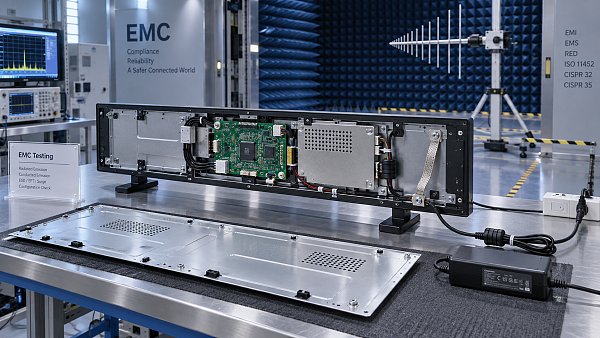
ANSI/BIFMA test evidence can inform durability assessment, but it does not define warranty service. Ask which tests apply to the exact model and configuration being purchased.
How Quickly Will Problems Be Resolved?
“Responsive support” is too vague for procurement decisions. Buyers need measurable commitments for acknowledgment, diagnosis, corrective action, and escalation when normal service channels cannot resolve issues.
Distinguish response time from resolution time. An automated acknowledgment within minutes provides little operational value if the replacement mechanism takes several weeks to reach the site.
A useful service-level agreement separates critical failures from cosmetic defects. An unstable workstation requires a different response from a minor finish variation on otherwise usable furniture.
Set targets around your operating needs and regional service capabilities. Any proposed timelines should identify business hours, time zones, public holidays, and circumstances permitting justified exceptions.
For significant failures, request an interim plan such as loan furniture, temporary replacement units, or expedited components. Availability and associated costs should be agreed before ordering.
Require a named escalation contact and clear ownership of open cases. Buyers should not repeatedly explain the same problem to sales, logistics, engineering, and separate distributors.
For recurring defects, expect investigation beyond individual replacements. The manufacturer should identify affected products, explain corrective action, and communicate whether other installed units need inspection.
Who Supports Installation and Final Acceptance?
Installation mistakes can damage products, undermine stability, and complicate warranty claims. Manufacturers should provide model-specific assembly instructions, hardware identification, adjustment procedures, and relevant safety guidance.
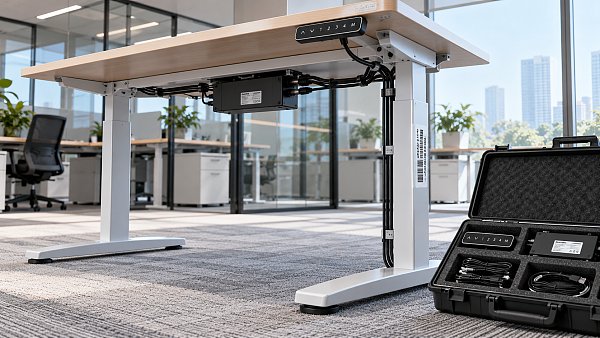
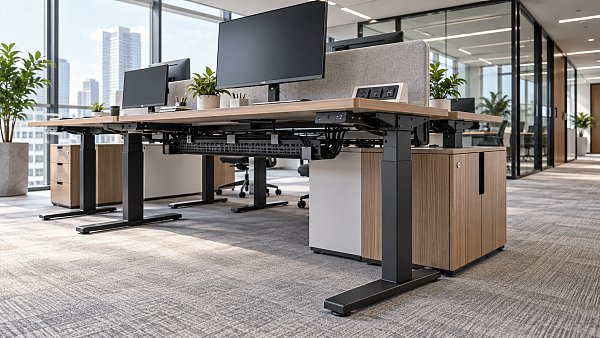
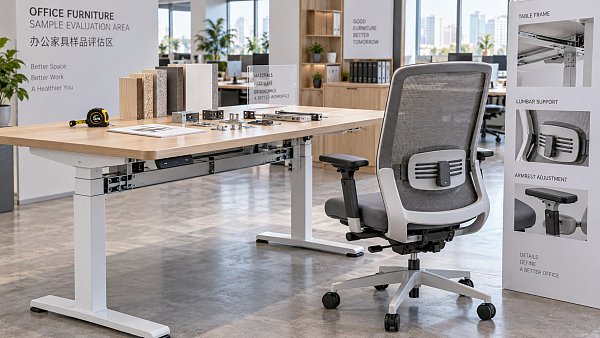
For electrically adjustable desks, documentation should explain electrical requirements, cable routing, controller setup, reset procedures, and safe operation. Technical instructions should match the supplied model.
Complex installations may justify approved installers or remote technical supervision. Confirm whether these services are included, optional, or delivered through a locally contracted installation partner.
Before delivery, agree how teams will record missing cartons, damaged components, incomplete assemblies, and visible defects. Keep responsibility separate from assumptions about who caused damage.
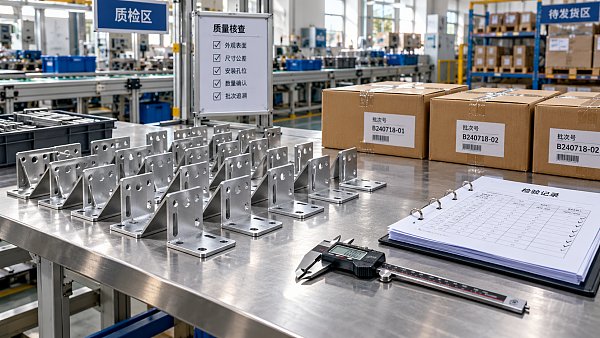
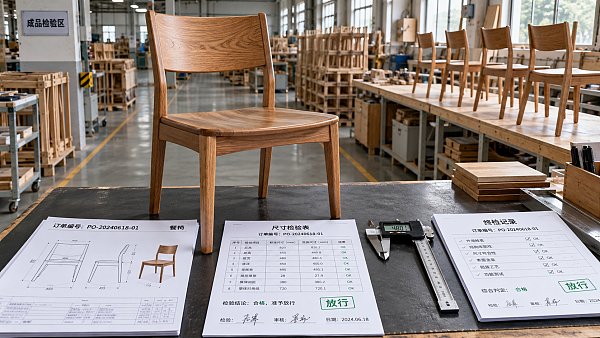
An acceptance checklist should verify quantities, finishes, alignment, stability, moving parts, and electrical functions where applicable. Record unresolved defects with photos, product identifiers, and assigned owners.
Define deadlines for reporting delivery damage and installation defects. Coordinate them with the purchase contract, carrier procedures, and insurance requirements so teams preserve available remedies.
After handover, facilities staff should receive adjustment guidance and service documents. A short demonstration can reduce unnecessary claims arising from unfamiliar controls or incorrect assembly.
Will Replacement Parts Remain Available?
Replacement parts often determine whether furniture can be economically repaired. A functioning desk frame offers limited value when its discontinued controller cannot be replaced or adapted.
Ask manufacturers to identify serviceable components and provide part numbers, compatibility information, prices, and estimated dispatch times. Generic assurances about “spare parts support” are insufficient.
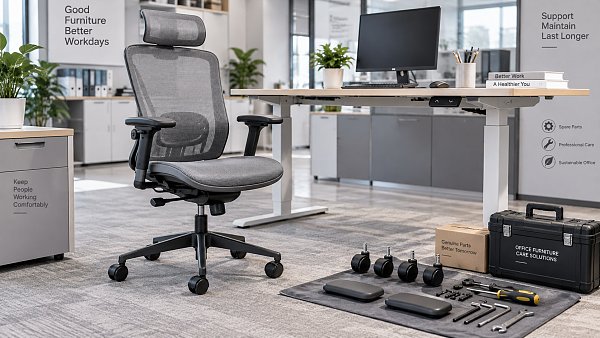
Prioritize likely wear items such as casters, glides, arm pads, chair mechanisms, hinges, drawer slides, power supplies, and desk controls according to your selected product range.
Agree a parts-support period suited to the intended furniture lifecycle. Where the manufacturer cannot guarantee continued production, request notice of discontinuation and available transition options.
For large installations, a small onsite stock of critical components may reduce downtime. Select stock using installed quantities, failure history, replenishment times, and component interchangeability.
Standardized parts across models can simplify maintenance, but compatibility must be verified. Similar dimensions or connectors do not establish equivalent load ratings, electrical characteristics, or fit.
Future expansion also needs attention. Request records of finish codes, upholstery references, dimensions, and configuration details, while recognizing that later production batches may differ visually.
Can the Manufacturer Actually Support Your Location?
International buyers should map the service chain before contracting. The manufacturer, distributor, installer, and importer may each handle different responsibilities once furniture reaches its destination.
Ask where technicians and spare parts are located, which cities they cover, and whether subcontractors receive product training. A local sales address does not prove service capacity.
Cross-border claims require clear shipping arrangements. Identify who prepares customs documents, pays duties or handling charges, and manages damaged returns or replacements sent from overseas.
Delivery terms help allocate transport responsibilities, but they do not replace a warranty service agreement. Specify after-sales obligations separately so both teams understand the complete arrangement.
Request comparable customer references in your region and project category. Ask how actual claims were handled, including turnaround times, communication quality, and unexpected service charges.
For multiple locations, determine whether one support team can manage all sites. Shared reporting and consistent escalation procedures reduce duplicated administration and inconsistent treatment between offices.
Where local repair coverage is limited, assess whether remote diagnosis and regional parts stocking provide acceptable continuity. Build the resulting costs into your supplier comparison.
What Maintenance and Lifecycle Guidance Should Be Provided?
Good after-sales support helps prevent failures as well as resolve them. Manufacturers should provide practical maintenance guidance that facilities teams can follow without specialist interpretation.
Instructions should identify suitable cleaning products, prohibited chemicals, inspection points, and conditions requiring professional attention. Upholstery, coated metals, laminates, and electrical components need different care.
Inspection frequency should reflect usage and manufacturer guidance. High-turnover shared workstations may need closer attention than lightly used meeting rooms, especially where moving components are involved.
For chairs, useful guidance covers adjustment, visible damage, loose connections, and caster condition. For desks, it includes cable clearance, obstructions, synchronization issues, and load limits.
Maintain an asset register linking each product to its model, purchase date, location, warranty, and service history. This makes claims easier and reveals recurring maintenance costs.
Repair and refurbishment options can extend useful life where structurally appropriate. Ask about replacement upholstery, refinishing, component upgrades, and disassembly guidance before assuming replacement is necessary.
Sustainability claims should connect to practical services. Verified material information and suitable repair options are more useful than broad environmental language unsupported by available lifecycle assistance.
How Should Buyers Compare Support Before Awarding a Contract?
Compare manufacturers using the same failure scenarios and cost assumptions. Otherwise, a lower purchase price may conceal labor charges, slow freight, or limited replacement coverage.
For example, compare how each supplier would handle several failed chair mechanisms after installation. Include diagnosis, component availability, shipping, fitting, and temporary seating where needed.
Estimate lifecycle cost using purchase, installation, maintenance, repair, downtime, and eventual replacement. Treat uncertain failure rates as assumptions and compare several scenarios instead of claiming precision.
The following checklist translates broad service promises into evidence buyers can review. Use it during tender evaluation and incorporate agreed commitments into the final contract.
Weight these criteria according to operational exposure. Multi-site businesses may prioritize regional coordination, while heavily used workplaces may place greater weight on parts and repair turnaround.
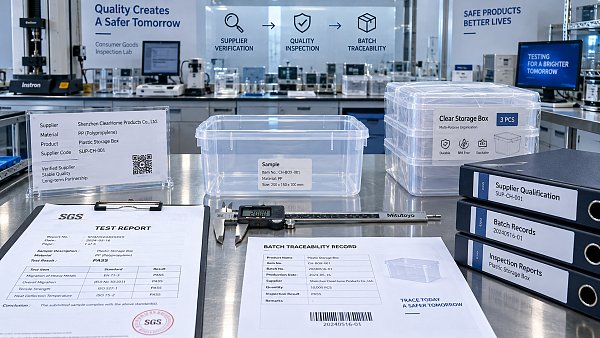
Where support promises materially influence the award, request supporting documentation before signing. Brochure language should become identifiable obligations, with responsible parties and agreed remedies recorded.
Keep the complete support schedule alongside the purchase order and product specifications. Facilities teams need accessible commitments when a failure occurs months after procurement ends.
Choose Support That Protects the Working Life of Your Furniture
The strongest after-sales package combines clear warranty coverage, accountable issue handling, competent installation support, accessible replacement parts, and maintenance guidance suited to actual workplace conditions.
Judge manufacturers by their ability to explain a realistic claim from first report to completed remedy. Specific responsibilities and available resources make support promises easier to assess.
For sourcing directors and facility managers, the deciding question is whether service arrangements preserve usable workspaces at a predictable cost throughout the furniture’s intended working life.
Before committing, document the coverage, response process, regional capacity, and parts strategy. These commitments turn after-sales support into a measurable factor in a durable purchasing decision.