Technical Benchmarking Standards: How to Compare System Performance
Time
Click Count
Technical benchmarking standards shape how system performance is compared across products, sites, and suppliers. In commercial and consumer ecosystems, they turn scattered measurements into evidence that supports compliance, modernization, sourcing quality, and long-term operational fit.
That matters more now because physical environments, digital tools, and supply networks are increasingly connected. A benchmark is no longer just a lab reference. It influences store uptime, user experience, safety, sustainability, and procurement risk.
What technical benchmarking standards actually do

At a basic level, technical benchmarking standards define how performance should be measured, compared, and interpreted. They reduce ambiguity by specifying test conditions, reporting formats, pass thresholds, and reference criteria.
Without that structure, two systems may appear comparable while being tested under different loads, temperatures, usage cycles, or durability assumptions. The result is a misleading decision, not a valid comparison.
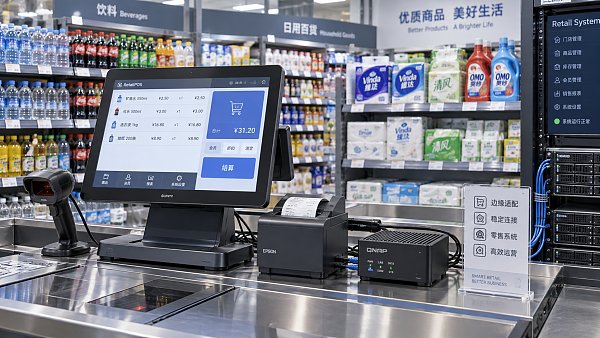
This is why technical benchmarking standards are central in environments where hardware, software, and materials interact. A smart retail terminal, an ergonomic workstation, and sustainable packaging all need different metrics, but the discipline is similar.
The strongest benchmarks answer four questions clearly:
- What exactly is being tested
- Under which conditions
- Against which standard or baseline
- How results should guide acceptance or rejection
Why benchmarking has become a cross-sector priority
Performance comparison used to be narrower. A product either met a specification or it did not. Today, the decision frame is wider. The same system must often satisfy compliance, aesthetics, user comfort, integration needs, and sustainability targets.
That shift is visible across the five pillars tracked by G-BCE. Commercial furniture must balance durability and ergonomics. Smart retail technology must prove speed, interoperability, and reliability. Supply chain systems must show traceability and consistency.
Lighting and signage add energy, visibility, and safety concerns. Sustainable packaging introduces material performance, recyclability, transit protection, and regulatory alignment. In each case, technical benchmarking standards create a common language between design intent and operational reality.
More importantly, global projects cannot rely on local assumptions alone. Standards such as UL, CE, and BIFMA matter because they connect performance claims to recognized evaluation frameworks.
Where comparisons often go wrong
Many benchmarking failures come from weak comparison design rather than weak products. A system may look underpowered simply because test conditions favored a different use case.
Common errors include mixing peak output with sustained output, comparing prototype data with production data, or ignoring installation variables. In commercial settings, these mistakes can distort sourcing decisions at scale.
Another issue is overreliance on vendor-declared values without checking methodology. Technical benchmarking standards are useful only when the evidence behind the numbers is transparent and repeatable.
How to compare system performance in a useful way
A useful comparison starts with function, not with data volume. The question is not how many metrics can be collected. The question is which metrics reveal fit for the intended environment.
Match the benchmark to the operating context
A point-of-sale terminal in a flagship store needs different performance emphasis than one in a transit kiosk. Transaction speed may matter in both, but heat tolerance, maintenance access, and failure recovery may differ sharply.
Technical benchmarking standards should reflect the actual load profile, duty cycle, user behavior, and environmental exposure of the target setting.
Use layered metrics
Single-number rankings are attractive but incomplete. Reliable evaluation usually combines core technical output, compliance status, lifecycle durability, maintainability, and user-facing performance.
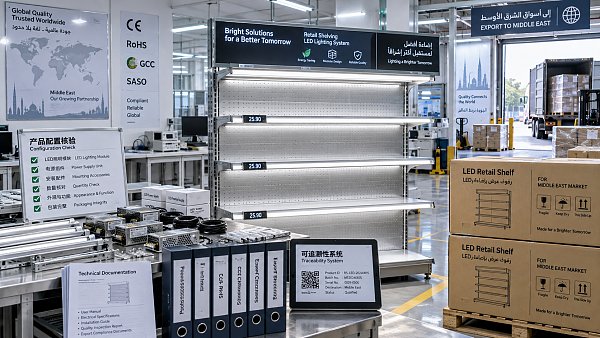
For example, lighting systems should not be compared on brightness alone. Energy stability, glare control, certification, service life, and integration with controls often matter just as much.
Keep the methodology visible
Results gain value when the test method is transparent. That includes sample size, equipment used, calibration status, failure criteria, and retest rules.
In practice, this transparency allows cross-border teams to review the same evidence and reach a consistent conclusion.
Key application areas across commercial and consumer systems
Technical benchmarking standards are especially useful where product claims must survive real operating complexity. Several categories stand out.
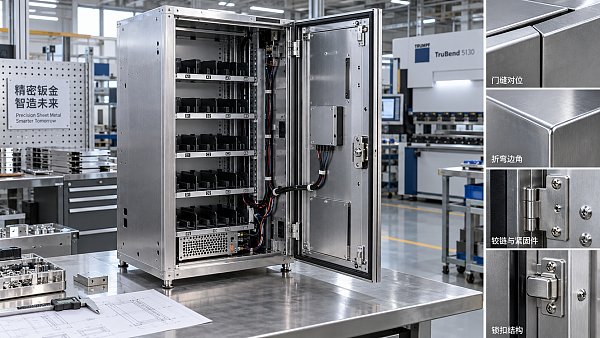
- Commercial furniture and fixtures, where structural durability, ergonomics, finish quality, and safety compliance intersect
- Smart retail technology, where latency, integration reliability, power stability, and security readiness affect daily operations
- Supply chain components, where packaging strength, traceability tools, and material consistency shape delivery performance
- Lighting and signage, where efficiency, visibility, environmental resistance, and maintenance intervals require balanced review
- Sustainable packaging, where protection, recyclability, cost, and compliance must be assessed together rather than separately
This cross-sector view is one reason repositories such as G-BCE are increasingly relevant. They help connect isolated product tests with broader commercial system performance.
What a strong benchmark framework includes
The most effective technical benchmarking standards do more than score products. They support repeatable decisions across regions, project types, and supplier portfolios.
A practical framework often includes these elements:
- A clearly defined benchmark objective
- Reference standards and certification mapping
- Environmental and usage assumptions
- Performance metrics with pass and warning thresholds
- Data integrity rules and documentation requirements
- Review logic for exceptions, trade-offs, and edge cases
That structure becomes especially valuable when comparing products from different manufacturing regions. It helps separate genuine performance differences from reporting differences.
Reading benchmark results with better judgment
Not every top score is the best business choice. Some systems are optimized for laboratory performance but become harder to maintain, upgrade, or deploy at scale.
A more balanced reading looks for performance stability over time, not just maximum output. It also checks whether the benchmark reflects actual operational stress.
This is where technical benchmarking standards should connect with procurement records, incident history, warranty patterns, and post-installation feedback. The benchmark is strongest when it is tied to operational evidence.
It is also worth noting that standards evolve. New materials, connected devices, and sustainability targets change what counts as acceptable performance. A benchmark library should therefore be maintained, not treated as static.
A practical next step for evaluation work
A useful starting point is to review current comparison methods and identify where assumptions are hidden. Check whether test conditions, certification references, and scoring logic are consistent across categories.
Then narrow the focus to systems with the highest operational impact. In many cases, that means high-use hardware, customer-facing technology, or packaging components with regulatory exposure.
From there, technical benchmarking standards can be refined into a working framework that supports repeatable decisions. When the benchmark aligns with real use, recognized standards, and cross-sector evidence, performance comparison becomes far more reliable.
For teams using platforms such as G-BCE, the next move is not simply to gather more data. It is to organize data around decision-grade criteria, compare like with like, and update the benchmark as commercial systems continue to change.
News Recommendations
 How to assess a workplace interior supplier's installation scope
![51a6ab95581761cc26f4318be6520c15]()
Aris Katos
Future of Carbide Coatings
 What records are needed for an ISO 9001 furniture factory audit?
![51a6ab95581761cc26f4318be6520c15]()
Aris Katos
Future of Carbide Coatings
 How to choose AI marketing tools that work with your existing CRM
![51a6ab95581761cc26f4318be6520c15]()
Aris Katos
Future of Carbide Coatings
 Do freight costs erase savings when buying retail fixtures wholesale?
![51a6ab95581761cc26f4318be6520c15]()
Aris Katos
Future of Carbide Coatings
 What brightness should an OEM shelf LCD screen have for retail use?
![51a6ab95581761cc26f4318be6520c15]()
Aris Katos
Future of Carbide Coatings
 Can smart retail IT solutions for CPG work with legacy POS systems?
![51a6ab95581761cc26f4318be6520c15]()
Aris Katos
Future of Carbide Coatings
 What permit approvals belong in a commercial fitout planning checklist?
![51a6ab95581761cc26f4318be6520c15]()
Aris Katos
Future of Carbide Coatings
 Does Data Transparency Matter When Selecting Consumer Goods Suppliers?
![51a6ab95581761cc26f4318be6520c15]()
Aris Katos
Future of Carbide Coatings
 How Does Commercial Design Differ from Interior Decoration?
![51a6ab95581761cc26f4318be6520c15]()
Aris Katos
Future of Carbide Coatings
 How Long Does It Take to Verify a Commercial Furniture Supplier?
![51a6ab95581761cc26f4318be6520c15]()
Aris Katos
Future of Carbide Coatings
 How to verify compostability claims from a bubble mailer manufacturer
![51a6ab95581761cc26f4318be6520c15]()
Aris Katos
Future of Carbide Coatings
 Will commercial smart infrastructure solutions work with legacy systems?
![51a6ab95581761cc26f4318be6520c15]()
Aris Katos
Future of Carbide Coatings
 How to verify a preschool furniture manufacturer's safety standards
![51a6ab95581761cc26f4318be6520c15]()
Aris Katos
Future of Carbide Coatings
 A technical comparison of semiconductor processes for power devices
![51a6ab95581761cc26f4318be6520c15]()
Aris Katos
Future of Carbide Coatings
 How to verify that a BIFMA ergonomic chair meets the standard
![51a6ab95581761cc26f4318be6520c15]()
Aris Katos
Future of Carbide Coatings
 How to use a CRI value chart when choosing LED lighting
![51a6ab95581761cc26f4318be6520c15]()
Aris Katos
Future of Carbide Coatings
 How to compare hotel aroma diffuser wholesale options by coverage area
![51a6ab95581761cc26f4318be6520c15]()
Aris Katos
Future of Carbide Coatings
 How to prevent O-rings and seals from failing in food equipment
![51a6ab95581761cc26f4318be6520c15]()
Aris Katos
Future of Carbide Coatings
 How to compare commercial linear light wholesale quotes accurately
![51a6ab95581761cc26f4318be6520c15]()
Aris Katos
Future of Carbide Coatings
 How to verify international standards compliance for Middle East exports
![51a6ab95581761cc26f4318be6520c15]()
Aris Katos
Future of Carbide Coatings
 How to select laboratory instruments for reproducible test results
![51a6ab95581761cc26f4318be6520c15]()
Aris Katos
Future of Carbide Coatings
 When does a sheet metal prototype reveal design flaws early?
![51a6ab95581761cc26f4318be6520c15]()
Aris Katos
Future of Carbide Coatings
 When PE air column bags reduce damage in e-commerce fulfillment
![51a6ab95581761cc26f4318be6520c15]()
Aris Katos
Future of Carbide Coatings
 How energy-efficient design reduces operating costs in retail lighting
![51a6ab95581761cc26f4318be6520c15]()
Aris Katos
Future of Carbide Coatings
 When commercial aluminum storefronts make sense for a retail renovation
![51a6ab95581761cc26f4318be6520c15]()
Aris Katos
Future of Carbide Coatings
 What makes LED lights durable in high-use commercial spaces?
![51a6ab95581761cc26f4318be6520c15]()
Aris Katos
Future of Carbide Coatings
 Which industry categories offer the strongest export potential in Latin America?
![51a6ab95581761cc26f4318be6520c15]()
Aris Katos
Future of Carbide Coatings
 How to choose an ultra bright waterproof window display for storefronts
![51a6ab95581761cc26f4318be6520c15]()
Aris Katos
Future of Carbide Coatings
 How to verify suppliers on a trade portal for global sourcing
![51a6ab95581761cc26f4318be6520c15]()
Aris Katos
Future of Carbide Coatings
 How RoHS requirements should be stated in product specifications
![51a6ab95581761cc26f4318be6520c15]()
Aris Katos
Future of Carbide Coatings
 What affects the lead time for custom retail counter displays?
![51a6ab95581761cc26f4318be6520c15]()
Aris Katos
Future of Carbide Coatings
 What consumer packaging USA importers need to verify before ordering
![51a6ab95581761cc26f4318be6520c15]()
Aris Katos
Future of Carbide Coatings
 How commercial spaces interiors shape customer dwell time
![51a6ab95581761cc26f4318be6520c15]()
Aris Katos
Future of Carbide Coatings
 How LED commercial lighting design reduces glare in retail spaces
![51a6ab95581761cc26f4318be6520c15]()
Aris Katos
Future of Carbide Coatings
 How industrial technology information improves RFID inventory accuracy
![51a6ab95581761cc26f4318be6520c15]()
Aris Katos
Future of Carbide Coatings
 When drip garden watering systems make more sense than sprinklers
![51a6ab95581761cc26f4318be6520c15]()
Aris Katos
Future of Carbide Coatings
 When category comparison improves sourcing for industrial applications
![51a6ab95581761cc26f4318be6520c15]()
Aris Katos
Future of Carbide Coatings
 Industrial application guidance for selecting the right LED lighting
![51a6ab95581761cc26f4318be6520c15]()
Aris Katos
Future of Carbide Coatings
 Which commercial architecture standards apply to European retail fit-outs?
![51a6ab95581761cc26f4318be6520c15]()
Aris Katos
Future of Carbide Coatings