Healthcare Technology Trends Shaping Care Delivery in 2026
Time
Click Count
Healthcare technology is no longer a supporting layer in care delivery. In 2026, it is becoming the operating fabric behind clinical access, service coordination, and patient trust.
What matters now is not only innovation speed, but whether digital tools improve continuity, reduce operational friction, and hold up under real-world demand.
That shift has implications beyond hospitals. It connects healthcare with supply chains, smart environments, connected hardware, and data benchmarking across broader commercial ecosystems.
Seen through that wider lens, healthcare technology becomes a business capability. It shapes how organizations plan infrastructure, evaluate vendors, and build resilient service models for the next stage of care.
Why healthcare technology is gaining strategic weight
Care delivery is moving across more touchpoints. Patients expect digital scheduling, remote communication, faster diagnostics, and fewer administrative delays.
At the same time, providers face workforce pressure, rising costs, cybersecurity risk, and stricter expectations around interoperability.
This is why healthcare technology is getting board-level attention. The discussion is no longer about adding isolated tools. It is about building an integrated operating environment.
That environment includes software, medical devices, facility systems, digital interfaces, and the physical infrastructure that supports them.
Platforms such as G-BCE are relevant here because they reflect a cross-sector reality. Healthcare increasingly depends on the same benchmarking discipline seen in smart retail, commercial hardware, lighting systems, and global sourcing.
When care settings modernize, decision quality often improves when digital performance, hardware reliability, and standards alignment are evaluated together rather than separately.
The 2026 trends changing care delivery
Several healthcare technology trends stand out in 2026 because they affect both patient outcomes and operating models.
AI moves from pilot to workflow layer
Artificial intelligence is becoming more practical when embedded into triage, imaging support, documentation, staffing forecasts, and claims review.
The strongest use cases are not replacing clinicians. They remove repetitive effort and surface signals faster, which helps teams spend more time on judgment and patient interaction.
Remote care becomes a structured service channel
Virtual consultations are maturing into broader remote care ecosystems. These include chronic disease monitoring, post-discharge tracking, and connected home diagnostics.
In practice, healthcare technology now supports care beyond facility walls, which changes staffing models, device logistics, and data management requirements.
Interoperability becomes a purchasing filter
Organizations are becoming less tolerant of closed systems. If platforms cannot exchange data cleanly, value erodes quickly.
This makes interoperability, API readiness, and standards compliance central to procurement and long-term technology planning.
Smart environments support clinical efficiency
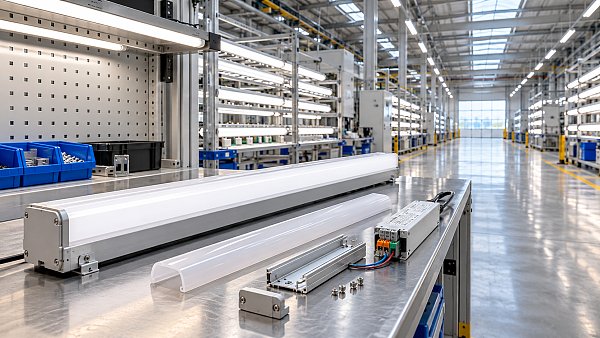
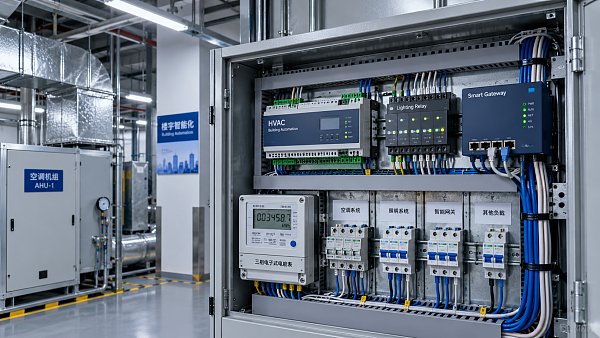
Connected lighting, digital signage, asset tracking, room sensors, and workflow-aware displays are becoming more relevant inside care environments.
These systems do not always look like traditional healthcare technology, yet they improve wayfinding, equipment visibility, response time, and space utilization.
Where value is actually being created
The business case for healthcare technology is stronger when value is measured across clinical, operational, and infrastructure dimensions.
A recurring lesson is that healthcare technology works best when it is treated as part of a larger service architecture.
That includes device durability, interface design, compliance standards, maintenance expectations, and the commercial environment where care is delivered.
The wider ecosystem behind modern care environments
Healthcare delivery increasingly overlaps with broader commercial modernization. Clinics, ambulatory centers, pharmacies, and health-enabled retail spaces share similar infrastructure questions.
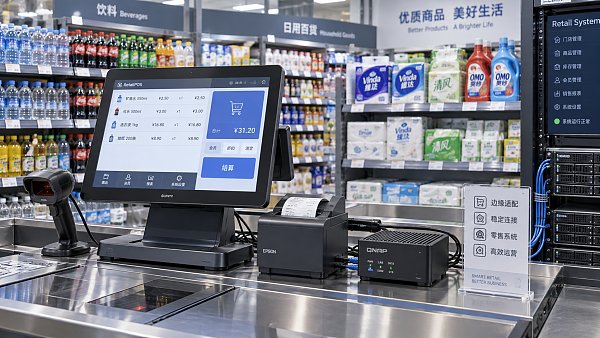
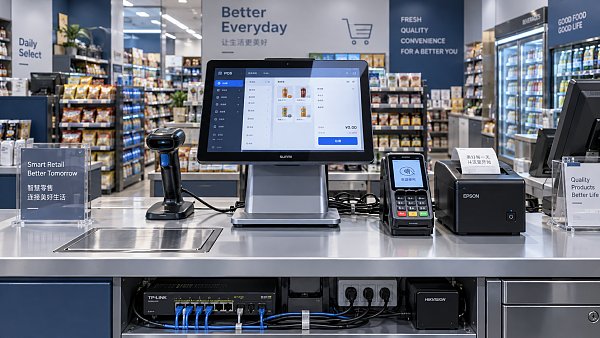
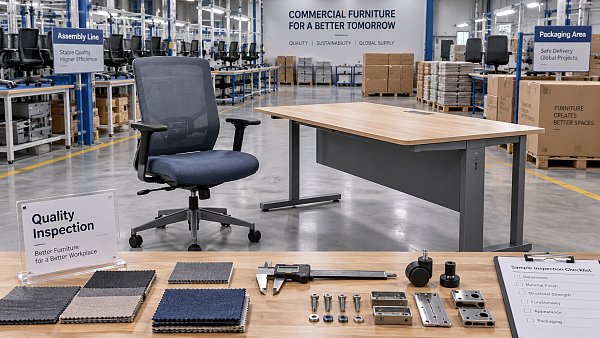
They need reliable fixtures, smart terminals, durable lighting systems, sustainable packaging, and connected customer-facing interfaces.
This is where G-BCE’s benchmarking perspective becomes useful. Its focus on commercial furniture, smart retail technology, supply chains, signage, and sustainable materials reflects the real components behind service delivery.
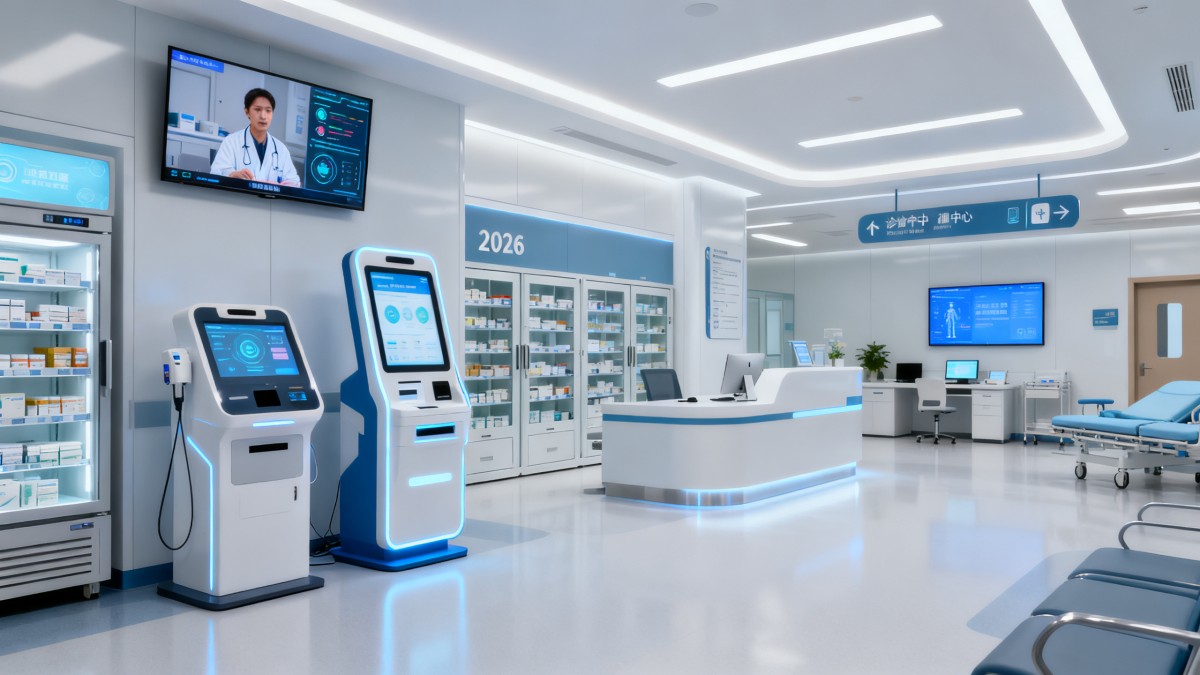
A healthcare waiting area, a digital check-in point, and a connected medication pickup zone all depend on physical and digital systems working together.
For that reason, healthcare technology strategy should not be limited to software procurement. It should also address sourcing quality, environmental performance, and international standards such as UL, CE, and BIFMA where relevant.
Common application scenarios in 2026
The most effective deployments are usually tied to specific service problems rather than broad innovation claims.
- Outpatient networks use scheduling automation, patient messaging, and smart queue systems to reduce bottlenecks.
- Acute care settings expand connected monitoring, location tracking, and documentation support to improve response time.
- Post-acute programs rely on wearable devices and remote dashboards to manage recovery outside the facility.
- Pharmacy and health retail formats combine digital kiosks, fulfillment visibility, and secure pickup workflows.
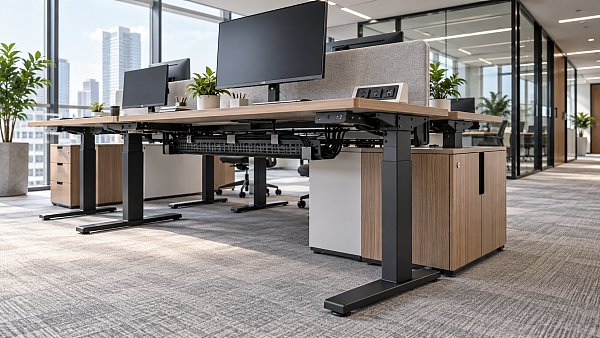
- New care environments use modular furniture, digital signage, and efficient lighting to support comfort and navigation.
These examples show why healthcare technology decisions often intersect with layout planning, hardware quality, and customer experience design.
How to assess priorities before investing
Not every trend deserves immediate adoption. A better approach is to evaluate healthcare technology through a practical set of filters.
Start with workflow pain
If a tool does not solve a measurable service constraint, it is unlikely to scale well.
Check the ecosystem fit
Look at integration needs, facility readiness, supplier stability, and maintenance implications before comparing feature lists.
Treat standards as decision tools
Certification, material quality, and technical benchmarking can reveal long-term risk that a pilot project may hide.
Measure adoption, not installation
A deployed system creates value only when staff, patients, and partners use it consistently and with low friction.
- Map where patient journeys break down today.
- Review which systems already generate usable data.
- Compare hardware and platform choices against recognized standards.
- Prioritize upgrades that improve both resilience and service quality.
What the next phase looks like
In 2026, healthcare technology is becoming less about isolated innovation and more about coordinated delivery systems.
The organizations that move well will likely be those that connect data, devices, physical environments, and sourcing decisions into one operating view.
That is also why broader intelligence matters. Cross-sector benchmarking helps clarify which technologies are durable, interoperable, and suitable for real service environments.
The next useful step is to review current care pathways, identify the highest-friction points, and evaluate healthcare technology options against workflow fit, standards alignment, and lifecycle resilience.
When those criteria are clear, investment decisions become more disciplined and the path to better care delivery becomes easier to defend.
News Recommendations
 How to assess demand forecasts in a lighting intelligence report
![51a6ab95581761cc26f4318be6520c15]()
Aris Katos
Future of Carbide Coatings
 Billerud推出PharmaKraft纤维基医药包装材料
![51a6ab95581761cc26f4318be6520c15]()
Aris Katos
Future of Carbide Coatings
 How to assess supplier reliability in global supply chain sourcing
![51a6ab95581761cc26f4318be6520c15]()
Aris Katos
Future of Carbide Coatings
 Omdia Forecasts 11.6% CAGR for Global LED Video Display Market in 2026–2030
![51a6ab95581761cc26f4318be6520c15]()
Aris Katos
Future of Carbide Coatings
 How to verify an LFGB testing laboratory's accreditation scope
![51a6ab95581761cc26f4318be6520c15]()
Aris Katos
Future of Carbide Coatings
 How to assess a workplace interior supplier's installation scope
![51a6ab95581761cc26f4318be6520c15]()
Aris Katos
Future of Carbide Coatings
 What records are needed for an ISO 9001 furniture factory audit?
![51a6ab95581761cc26f4318be6520c15]()
Aris Katos
Future of Carbide Coatings
 How to choose AI marketing tools that work with your existing CRM
![51a6ab95581761cc26f4318be6520c15]()
Aris Katos
Future of Carbide Coatings
 Do freight costs erase savings when buying retail fixtures wholesale?
![51a6ab95581761cc26f4318be6520c15]()
Aris Katos
Future of Carbide Coatings
 Can OEM retail shelf display screens work with your existing CMS?
![51a6ab95581761cc26f4318be6520c15]()
Aris Katos
Future of Carbide Coatings
 How heat buildup affects OEM retail shelf LCD screen reliability
![51a6ab95581761cc26f4318be6520c15]()
Aris Katos
Future of Carbide Coatings
 How to check whether an OEM retail shelf screen fits existing shelving
![51a6ab95581761cc26f4318be6520c15]()
Aris Katos
Future of Carbide Coatings
 What brightness should an OEM shelf LCD screen have for retail use?
![51a6ab95581761cc26f4318be6520c15]()
Aris Katos
Future of Carbide Coatings
 Can smart retail IT solutions for CPG work with legacy POS systems?
![51a6ab95581761cc26f4318be6520c15]()
Aris Katos
Future of Carbide Coatings
 What permit approvals belong in a commercial fitout planning checklist?
![51a6ab95581761cc26f4318be6520c15]()
Aris Katos
Future of Carbide Coatings
 What Selection Criteria Matter Most for Commercial Lighting?
![51a6ab95581761cc26f4318be6520c15]()
Aris Katos
Future of Carbide Coatings
 How Do You Apply Sustainability Standards to a Retail Renovation?
![51a6ab95581761cc26f4318be6520c15]()
Aris Katos
Future of Carbide Coatings
 Which Technical Factors Matter When Comparing Smart Retail Hardware?
![51a6ab95581761cc26f4318be6520c15]()
Aris Katos
Future of Carbide Coatings
 Does Data Transparency Matter When Selecting Consumer Goods Suppliers?
![51a6ab95581761cc26f4318be6520c15]()
Aris Katos
Future of Carbide Coatings
 How Does Commercial Design Differ from Interior Decoration?
![51a6ab95581761cc26f4318be6520c15]()
Aris Katos
Future of Carbide Coatings
 How Long Does It Take to Verify a Commercial Furniture Supplier?
![51a6ab95581761cc26f4318be6520c15]()
Aris Katos
Future of Carbide Coatings
 How to verify compostability claims from a bubble mailer manufacturer
![51a6ab95581761cc26f4318be6520c15]()
Aris Katos
Future of Carbide Coatings
 Will commercial smart infrastructure solutions work with legacy systems?
![51a6ab95581761cc26f4318be6520c15]()
Aris Katos
Future of Carbide Coatings
 How to verify a preschool furniture manufacturer's safety standards
![51a6ab95581761cc26f4318be6520c15]()
Aris Katos
Future of Carbide Coatings
 A technical comparison of semiconductor processes for power devices
![51a6ab95581761cc26f4318be6520c15]()
Aris Katos
Future of Carbide Coatings
 How to verify that a BIFMA ergonomic chair meets the standard
![51a6ab95581761cc26f4318be6520c15]()
Aris Katos
Future of Carbide Coatings
 How to use a CRI value chart when choosing LED lighting
![51a6ab95581761cc26f4318be6520c15]()
Aris Katos
Future of Carbide Coatings
 How to compare hotel aroma diffuser wholesale options by coverage area
![51a6ab95581761cc26f4318be6520c15]()
Aris Katos
Future of Carbide Coatings
 How to prevent O-rings and seals from failing in food equipment
![51a6ab95581761cc26f4318be6520c15]()
Aris Katos
Future of Carbide Coatings
 How to compare commercial linear light wholesale quotes accurately
![51a6ab95581761cc26f4318be6520c15]()
Aris Katos
Future of Carbide Coatings
 How to verify international standards compliance for Middle East exports
![51a6ab95581761cc26f4318be6520c15]()
Aris Katos
Future of Carbide Coatings
 How to select laboratory instruments for reproducible test results
![51a6ab95581761cc26f4318be6520c15]()
Aris Katos
Future of Carbide Coatings
 When does a sheet metal prototype reveal design flaws early?
![51a6ab95581761cc26f4318be6520c15]()
Aris Katos
Future of Carbide Coatings
 When PE air column bags reduce damage in e-commerce fulfillment
![51a6ab95581761cc26f4318be6520c15]()
Aris Katos
Future of Carbide Coatings
 How energy-efficient design reduces operating costs in retail lighting
![51a6ab95581761cc26f4318be6520c15]()
Aris Katos
Future of Carbide Coatings
 When commercial aluminum storefronts make sense for a retail renovation
![51a6ab95581761cc26f4318be6520c15]()
Aris Katos
Future of Carbide Coatings
 What makes LED lights durable in high-use commercial spaces?
![51a6ab95581761cc26f4318be6520c15]()
Aris Katos
Future of Carbide Coatings
 Which industry categories offer the strongest export potential in Latin America?
![51a6ab95581761cc26f4318be6520c15]()
Aris Katos
Future of Carbide Coatings
 How to choose an ultra bright waterproof window display for storefronts
![51a6ab95581761cc26f4318be6520c15]()
Aris Katos
Future of Carbide Coatings