Morocco Extends Safeguard Measures on Hot-Rolled Steel
Time
Click Count
Morocco’s government extended safeguard measures on hot-rolled steel products (HS codes 7208/7211) originating from China on May 27, 2026 — imposing an additional 18% duty through May 31, 2027. This development directly affects manufacturers and importers supplying structural components for retail shelving & fixtures, hospitality furniture, and architectural LED lighting systems — sectors relying heavily on this grade of steel for load-bearing frames and mounting structures.
Event Overview
On May 27, 2026, the Moroccan authorities announced the extension of safeguard measures targeting Chinese hot-rolled steel under HS codes 7208 and 7211. The measures include an additional ad valorem duty of 18%, effective until May 31, 2027. This decision follows the initial imposition of safeguards and is publicly confirmed by official Moroccan trade policy notices. No further details regarding quota adjustments, product exclusions, or review timelines were disclosed in the initial announcement.
Industries Affected
Importers of Raw Hot-Rolled Steel
Importers sourcing directly from Chinese mills face higher landed costs and longer customs clearance times due to increased documentation scrutiny. Lead times reported by local importers have extended beyond 12 weeks, indicating operational strain in logistics and compliance processing.
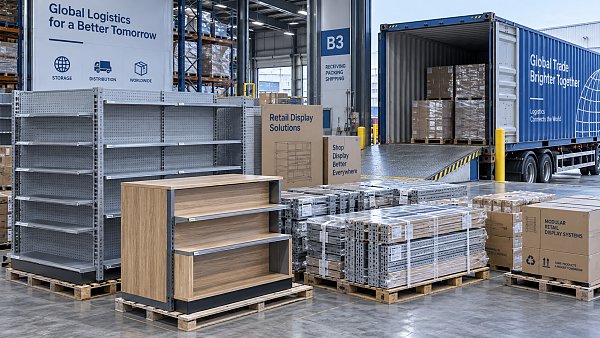
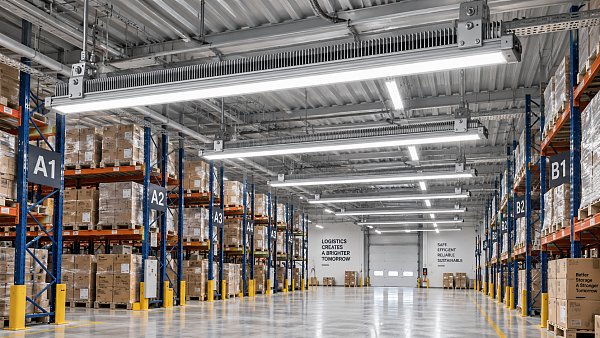
Manufacturers of Retail Shelving & Fixtures
These firms use hot-rolled steel as a primary structural material for uprights, beams, and base frames. The tariff increase raises raw material input costs and compresses margins unless passed on — potentially affecting competitiveness in price-sensitive commercial fit-out projects.
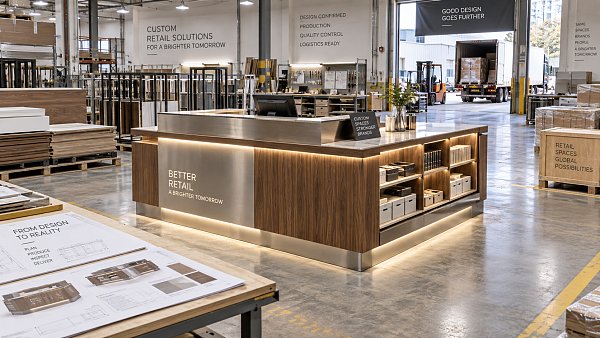
Producers of Hospitality Furniture
Structural integrity requirements for hotel and restaurant furniture — especially freestanding units, reception desks, and modular wall-mounted systems — rely on consistent hot-rolled steel supply. Extended lead times disrupt production scheduling and may delay project deliveries tied to fixed installation deadlines.
Suppliers of Architectural LED Lighting Mounting Systems
Steel-based brackets, suspension rails, and ceiling-integrated support structures depend on dimensional stability and tensile strength offered by hot-rolled grades. Sourcing delays or cost increases may prompt re-evaluation of material specifications — particularly where weight or corrosion resistance allows substitution.
Key Considerations and Recommended Actions
Monitor Official Updates for Exclusion Requests or Review Triggers
Current measures apply broadly to HS 7208/7211; however, Morocco may accept applications for product-specific exclusions. Companies should track announcements from the Ministry of Industry and Trade and prepare technical justifications if their steel use cases differ significantly from standard structural applications.
Evaluate Material Substitution Feasibility on a Product-by-Product Basis
Analysis shows aluminum extrusions or locally sourced cold-formed steel may serve as partial alternatives — but only where load requirements, fire rating, and surface finish tolerances permit. Engineering validation is required before switching; no blanket substitution is advisable without functional testing.
Secure Production Slots with Chinese Mills Ahead of Q4 2026 Order Cycles
Observably, Chinese mills are prioritizing export orders with confirmed letters of credit and advance deposits. Importers and fabricators should engage suppliers now to lock in Q4–Q1 2027 production capacity — especially for commonly used thicknesses and widths.
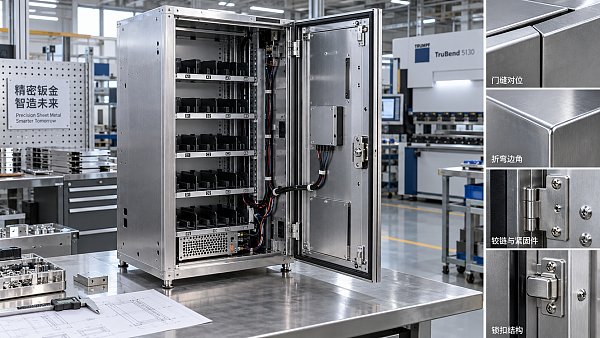
Assess Local Punching and Bending Capabilities for Nearshoring Options
From industry perspective, some Moroccan metal service centers offer precision punching, laser cutting, and roll-forming services. Where volume and tolerance requirements align, shifting secondary processing to local partners could reduce dependency on fully finished imported components — though raw material sourcing remains constrained.
Editorial Insight / Industry Observation
This extension signals continuity — not escalation — in Morocco’s trade posture toward Chinese steel. It reflects ongoing domestic industry concerns about import surges rather than a new policy shift. Observably, the 18% duty level remains unchanged, suggesting Moroccan authorities view current safeguards as sufficient for now. However, the one-year extension indicates sustained pressure on local producers — making this less a short-term disruption and more a medium-term planning parameter. Current developments are better understood as a structural adjustment signal than an acute crisis, requiring recalibration of procurement timelines and material strategies rather than emergency response.
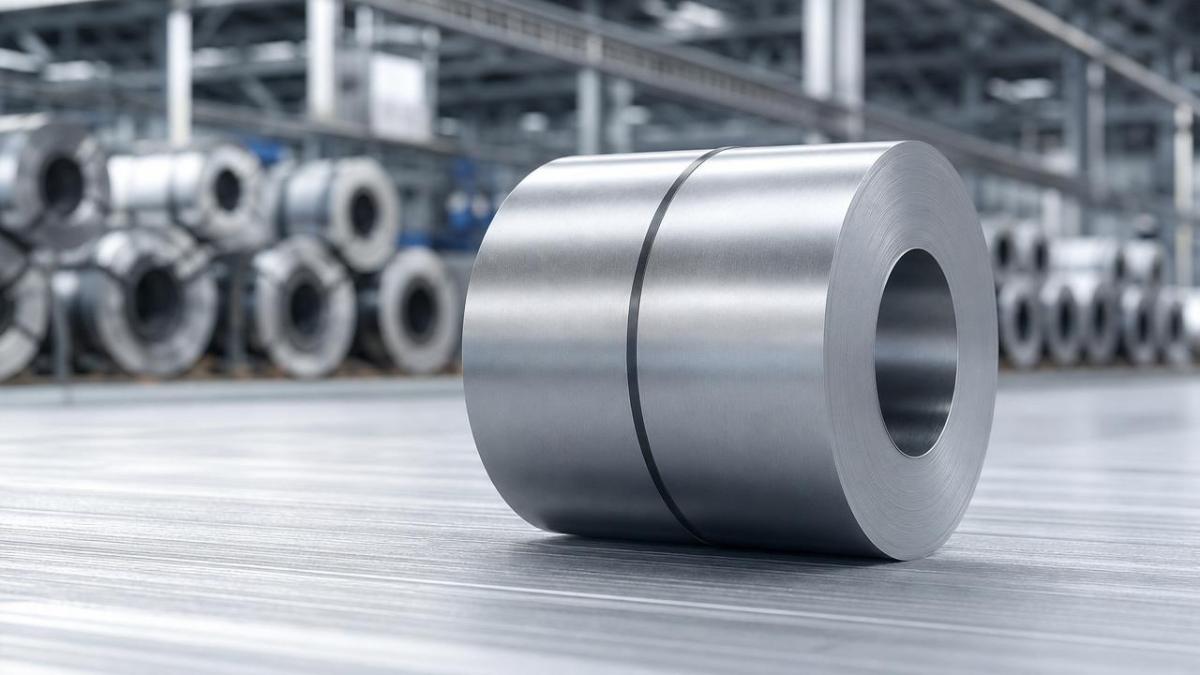
Conclusion: The extension confirms that hot-rolled steel supply chains serving Moroccan retail infrastructure, hospitality interiors, and architectural lighting systems must operate under revised cost and timing assumptions through mid-2027. It does not indicate imminent policy reversal or broader sectoral expansion — instead reinforcing the need for disciplined material planning, selective substitution evaluation, and proactive engagement with both upstream suppliers and local service providers. This is best interpreted as a stable, predictable constraint — not a volatile risk.
Source: Official notice issued by the Moroccan Ministry of Industry and Trade, dated May 27, 2026.
Further monitoring advised for any subsequent notifications regarding exclusion procedures or mid-term review outcomes.
News Recommendations
 What records are needed for an ISO 9001 furniture factory audit?
![51a6ab95581761cc26f4318be6520c15]()
Aris Katos
Future of Carbide Coatings
 How to choose AI marketing tools that work with your existing CRM
![51a6ab95581761cc26f4318be6520c15]()
Aris Katos
Future of Carbide Coatings
 Do freight costs erase savings when buying retail fixtures wholesale?
![51a6ab95581761cc26f4318be6520c15]()
Aris Katos
Future of Carbide Coatings
 Can smart retail IT solutions for CPG work with legacy POS systems?
![51a6ab95581761cc26f4318be6520c15]()
Aris Katos
Future of Carbide Coatings
 What permit approvals belong in a commercial fitout planning checklist?
![51a6ab95581761cc26f4318be6520c15]()
Aris Katos
Future of Carbide Coatings
 How Does Commercial Design Differ from Interior Decoration?
![51a6ab95581761cc26f4318be6520c15]()
Aris Katos
Future of Carbide Coatings
 How Long Does It Take to Verify a Commercial Furniture Supplier?
![51a6ab95581761cc26f4318be6520c15]()
Aris Katos
Future of Carbide Coatings
 How to verify compostability claims from a bubble mailer manufacturer
![51a6ab95581761cc26f4318be6520c15]()
Aris Katos
Future of Carbide Coatings
 Will commercial smart infrastructure solutions work with legacy systems?
![51a6ab95581761cc26f4318be6520c15]()
Aris Katos
Future of Carbide Coatings
 How to verify a preschool furniture manufacturer's safety standards
![51a6ab95581761cc26f4318be6520c15]()
Aris Katos
Future of Carbide Coatings
 A technical comparison of semiconductor processes for power devices
![51a6ab95581761cc26f4318be6520c15]()
Aris Katos
Future of Carbide Coatings
 How to verify that a BIFMA ergonomic chair meets the standard
![51a6ab95581761cc26f4318be6520c15]()
Aris Katos
Future of Carbide Coatings
 How to use a CRI value chart when choosing LED lighting
![51a6ab95581761cc26f4318be6520c15]()
Aris Katos
Future of Carbide Coatings
 How to compare hotel aroma diffuser wholesale options by coverage area
![51a6ab95581761cc26f4318be6520c15]()
Aris Katos
Future of Carbide Coatings
 How to prevent O-rings and seals from failing in food equipment
![51a6ab95581761cc26f4318be6520c15]()
Aris Katos
Future of Carbide Coatings
 How to compare commercial linear light wholesale quotes accurately
![51a6ab95581761cc26f4318be6520c15]()
Aris Katos
Future of Carbide Coatings
 How to verify international standards compliance for Middle East exports
![51a6ab95581761cc26f4318be6520c15]()
Aris Katos
Future of Carbide Coatings
 How to select laboratory instruments for reproducible test results
![51a6ab95581761cc26f4318be6520c15]()
Aris Katos
Future of Carbide Coatings
 When does a sheet metal prototype reveal design flaws early?
![51a6ab95581761cc26f4318be6520c15]()
Aris Katos
Future of Carbide Coatings
 When PE air column bags reduce damage in e-commerce fulfillment
![51a6ab95581761cc26f4318be6520c15]()
Aris Katos
Future of Carbide Coatings
 How energy-efficient design reduces operating costs in retail lighting
![51a6ab95581761cc26f4318be6520c15]()
Aris Katos
Future of Carbide Coatings
 When commercial aluminum storefronts make sense for a retail renovation
![51a6ab95581761cc26f4318be6520c15]()
Aris Katos
Future of Carbide Coatings
 What makes LED lights durable in high-use commercial spaces?
![51a6ab95581761cc26f4318be6520c15]()
Aris Katos
Future of Carbide Coatings
 Which industry categories offer the strongest export potential in Latin America?
![51a6ab95581761cc26f4318be6520c15]()
Aris Katos
Future of Carbide Coatings
 How to choose an ultra bright waterproof window display for storefronts
![51a6ab95581761cc26f4318be6520c15]()
Aris Katos
Future of Carbide Coatings
 How to verify suppliers on a trade portal for global sourcing
![51a6ab95581761cc26f4318be6520c15]()
Aris Katos
Future of Carbide Coatings
 How RoHS requirements should be stated in product specifications
![51a6ab95581761cc26f4318be6520c15]()
Aris Katos
Future of Carbide Coatings
 What affects the lead time for custom retail counter displays?
![51a6ab95581761cc26f4318be6520c15]()
Aris Katos
Future of Carbide Coatings
 What consumer packaging USA importers need to verify before ordering
![51a6ab95581761cc26f4318be6520c15]()
Aris Katos
Future of Carbide Coatings
 How commercial spaces interiors shape customer dwell time
![51a6ab95581761cc26f4318be6520c15]()
Aris Katos
Future of Carbide Coatings
 How LED commercial lighting design reduces glare in retail spaces
![51a6ab95581761cc26f4318be6520c15]()
Aris Katos
Future of Carbide Coatings
 How industrial technology information improves RFID inventory accuracy
![51a6ab95581761cc26f4318be6520c15]()
Aris Katos
Future of Carbide Coatings
 When drip garden watering systems make more sense than sprinklers
![51a6ab95581761cc26f4318be6520c15]()
Aris Katos
Future of Carbide Coatings
 When category comparison improves sourcing for industrial applications
![51a6ab95581761cc26f4318be6520c15]()
Aris Katos
Future of Carbide Coatings
 Industrial application guidance for selecting the right LED lighting
![51a6ab95581761cc26f4318be6520c15]()
Aris Katos
Future of Carbide Coatings
 Which commercial architecture standards apply to European retail fit-outs?
![51a6ab95581761cc26f4318be6520c15]()
Aris Katos
Future of Carbide Coatings
 How to verify FDA requirements for maternity care products
![51a6ab95581761cc26f4318be6520c15]()
Aris Katos
Future of Carbide Coatings
 How to verify BPA-free claims for food-contact products
![51a6ab95581761cc26f4318be6520c15]()
Aris Katos
Future of Carbide Coatings
 When does a European wholesale supplier suit modular office projects?
![51a6ab95581761cc26f4318be6520c15]()
Aris Katos
Future of Carbide Coatings