Sustainable Commercial Solutions That Lower Fit-Out Costs
Time
Click Count
For finance decision-makers, sustainable commercial solutions are no longer just a branding choice—they are a practical way to reduce fit-out costs, improve asset longevity, and support compliance across global projects.
When materials, fixtures, lighting, and sourcing are evaluated together, cost control becomes more predictable. Better planning also reduces rework, waste, and maintenance pressure across commercial environments.
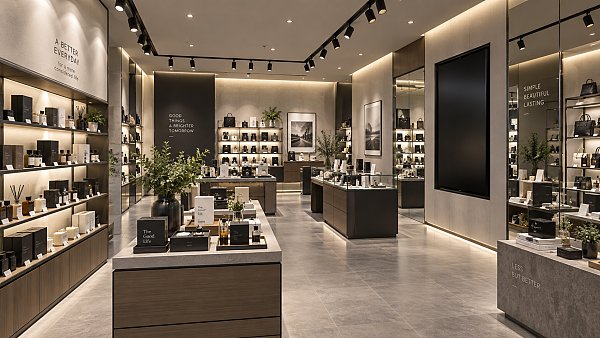
This matters across retail, office, hospitality, mixed-use, and public-facing spaces. The right sustainable commercial solutions support budget discipline without compromising visual standards or operational performance.
What are sustainable commercial solutions in a fit-out context?
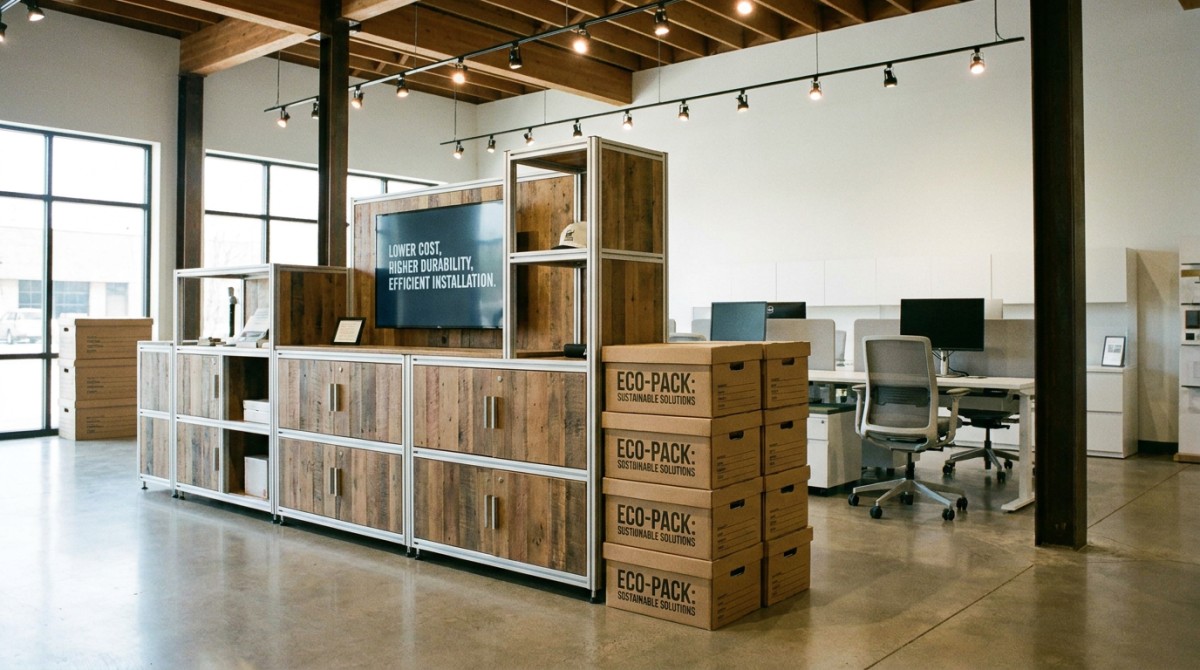
In commercial fit-outs, sustainable commercial solutions combine durable materials, efficient equipment, modular fixtures, and responsible sourcing methods that lower total project cost over time.
They are not limited to recycled finishes. They also include smarter lighting layouts, adaptable furniture systems, compliant hardware, and packaging strategies that reduce logistics waste.
A useful definition starts with lifecycle value. If a product lasts longer, installs faster, consumes less energy, and needs fewer replacements, it supports sustainable commercial solutions.
G-BCE tracks these decisions across five connected pillars. They include commercial furniture, smart retail technology, supply chain performance, lighting and signage, and sustainable packaging.
This broader view matters because fit-out cost is rarely driven by one product category. Savings often appear when several systems are designed to work together.
Key traits of high-value solutions
- Longer product lifespan and lower replacement frequency
- Compliance with standards such as UL, CE, or BIFMA
- Lower installation complexity and reduced labor hours
- Energy efficiency in lighting, controls, and smart systems
- Lower freight, packaging, and disposal costs
How do sustainable commercial solutions lower fit-out costs?
The biggest misunderstanding is that sustainable options always cost more upfront. Some do, but many reduce total fit-out spend through design simplification and fewer downstream corrections.
First, modular systems reduce customization waste. Standardized fixture dimensions shorten fabrication cycles and simplify future reconfiguration across multiple sites.
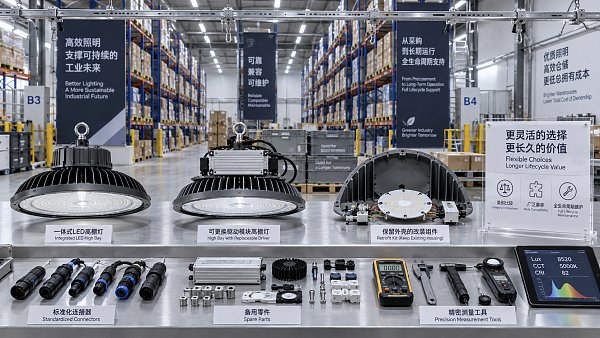
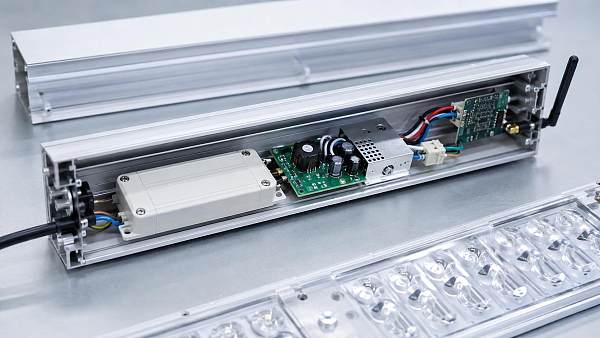
Second, efficient lighting lowers both material and operating costs. LED systems with better drivers, sensors, and zoning reduce power loads and maintenance visits.
Third, durable surfaces and hardware reduce replacement expense. In high-traffic locations, poor wear resistance can erase initial savings within a short period.
Fourth, data-backed sourcing reduces procurement risk. Benchmarking suppliers against quality and certification standards helps avoid delays, failures, and unplanned substitution costs.
Where savings usually appear
- Design optimization before tendering
- Reduced labor during installation
- Lower energy use after opening
- Less maintenance and fewer premature replacements
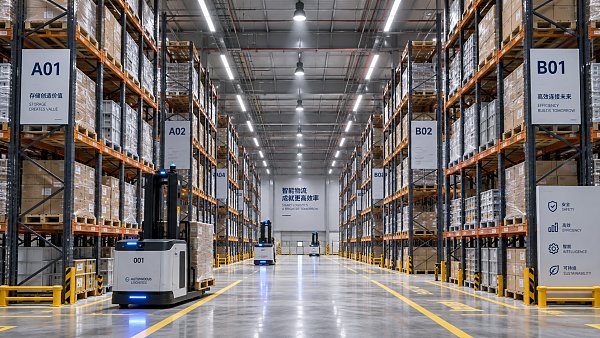
- Better logistics efficiency through compact packaging
For global projects, sustainable commercial solutions also help standardize specifications. That lowers variation across regions and improves forecasting for future rollouts.
Which commercial spaces benefit most from sustainable commercial solutions?
Almost every commercial environment can benefit, but the strongest returns usually appear in spaces with repeat builds, frequent traffic, or strict brand consistency requirements.
Retail chains gain from modular display systems, efficient signage, and smart POS integration. Repeated formats make lifecycle savings easier to measure across multiple locations.
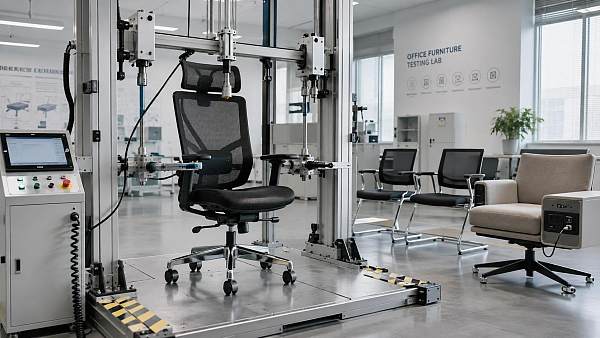
Office projects benefit through ergonomic furniture, flexible partitions, and lower-energy lighting. These choices support long-term adaptability without full refurbishment.
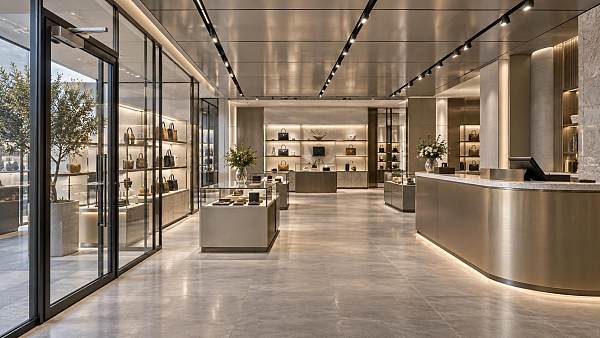
Hospitality spaces often need a balance of premium appearance and heavy-duty performance. Sustainable commercial solutions help protect aesthetics while controlling maintenance intensity.
Showrooms, service counters, and mixed-use developments also benefit when fixture systems can be refreshed in parts instead of replaced entirely.
Best-fit scenarios
- Multi-site rollouts with repeatable specifications
- Projects facing energy and compliance pressure
- Spaces requiring durable, premium finishes
- Programs with long ownership horizons
How should businesses compare options before selecting sustainable commercial solutions?
Selection should move beyond unit price. A low quote can become expensive if freight is bulky, installation is slow, or warranty support is weak.
Start with a total cost framework. Review acquisition cost, installation labor, compliance testing, maintenance frequency, expected life, and end-of-life replacement risk.
Next, examine technical compatibility. Lighting, fixtures, signage, and digital systems should be assessed together rather than purchased in isolation.
Then confirm certification and benchmark data. International projects often require documented alignment with standards and consistent quality across production batches.
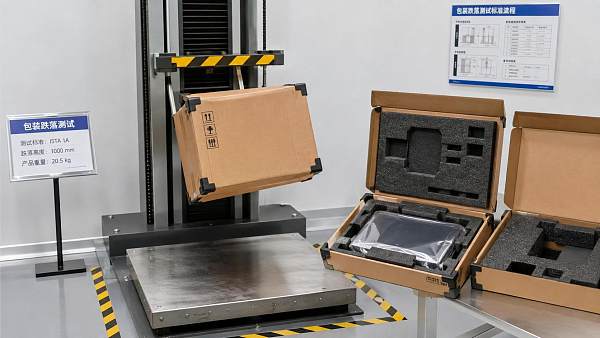
Finally, assess packaging and logistics. Well-designed packaging lowers breakage, reduces volume, and supports easier handling during distribution.
Quick comparison table
What risks and mistakes can weaken the value of sustainable commercial solutions?
One common mistake is focusing only on recycled content claims. A product is not truly efficient if it fails early or creates installation complexity.
Another risk is fragmented sourcing. When furniture, lighting, and retail technology are specified separately, hidden compatibility issues can raise site costs.
Poor benchmarking is also costly. Without data on durability, compliance, and batch consistency, savings assumptions remain weak.
Short-term budget pressure can push projects toward low-grade finishes. In public-facing environments, these materials often drive faster deterioration and earlier refurbishment.
Ignoring packaging can also undermine results. Excess volume, breakage, and disposal costs often sit outside initial product comparisons.
Risk reminder checklist
- Do not judge value by unit price alone
- Do not treat certification as optional paperwork
- Do not overlook spare parts and repair access
- Do not separate fit-out planning from logistics planning
How can businesses implement sustainable commercial solutions with better cost control?
Begin with a pilot scope. Test a limited number of fixture, lighting, or packaging options before applying them across a full commercial network.
Use benchmarking data to compare suppliers on durability, compliance, lead time, and packaging efficiency. This creates stronger procurement decisions.
Prioritize product families that support phased replacement. That allows upgrades without stripping entire areas, which protects capital over time.
Document performance after installation. Track energy use, maintenance calls, component failures, and freight damage to refine future specifications.
The strongest sustainable commercial solutions are usually measurable. If performance cannot be tracked, cost-saving claims remain difficult to prove.
Implementation sequence
- Define cost, compliance, and lifespan targets
- Benchmark shortlisted options across key categories
- Pilot and validate installation and operating results
- Standardize the best-performing specification
FAQ summary: what should be prioritized first?
Sustainable commercial solutions work best when they are treated as a cost strategy, not only a sustainability statement. The goal is durable performance, controlled rollout risk, and better long-term asset value.
By combining material intelligence, international benchmarking, and coordinated sourcing, businesses can reduce fit-out costs while building stronger commercial environments.
A practical next step is to review one current specification package and identify where sustainable commercial solutions can improve lifespan, compliance, packaging, or installation efficiency.
News Recommendations
 How to prevent O-rings and seals from failing in food equipment
![51a6ab95581761cc26f4318be6520c15]()
Aris Katos
Future of Carbide Coatings
 How to compare commercial linear light wholesale quotes accurately
![51a6ab95581761cc26f4318be6520c15]()
Aris Katos
Future of Carbide Coatings
 How to verify international standards compliance for Middle East exports
![51a6ab95581761cc26f4318be6520c15]()
Aris Katos
Future of Carbide Coatings
 How to select laboratory instruments for reproducible test results
![51a6ab95581761cc26f4318be6520c15]()
Aris Katos
Future of Carbide Coatings
 When does a sheet metal prototype reveal design flaws early?
![51a6ab95581761cc26f4318be6520c15]()
Aris Katos
Future of Carbide Coatings
 When PE air column bags reduce damage in e-commerce fulfillment
![51a6ab95581761cc26f4318be6520c15]()
Aris Katos
Future of Carbide Coatings
 How energy-efficient design reduces operating costs in retail lighting
![51a6ab95581761cc26f4318be6520c15]()
Aris Katos
Future of Carbide Coatings
 When commercial aluminum storefronts make sense for a retail renovation
![51a6ab95581761cc26f4318be6520c15]()
Aris Katos
Future of Carbide Coatings
 What makes LED lights durable in high-use commercial spaces?
![51a6ab95581761cc26f4318be6520c15]()
Aris Katos
Future of Carbide Coatings
 Which industry categories offer the strongest export potential in Latin America?
![51a6ab95581761cc26f4318be6520c15]()
Aris Katos
Future of Carbide Coatings
 How to choose an ultra bright waterproof window display for storefronts
![51a6ab95581761cc26f4318be6520c15]()
Aris Katos
Future of Carbide Coatings
 How to verify suppliers on a trade portal for global sourcing
![51a6ab95581761cc26f4318be6520c15]()
Aris Katos
Future of Carbide Coatings
 How RoHS requirements should be stated in product specifications
![51a6ab95581761cc26f4318be6520c15]()
Aris Katos
Future of Carbide Coatings
 What affects the lead time for custom retail counter displays?
![51a6ab95581761cc26f4318be6520c15]()
Aris Katos
Future of Carbide Coatings
 What consumer packaging USA importers need to verify before ordering
![51a6ab95581761cc26f4318be6520c15]()
Aris Katos
Future of Carbide Coatings
 How commercial spaces interiors shape customer dwell time
![51a6ab95581761cc26f4318be6520c15]()
Aris Katos
Future of Carbide Coatings
 How LED commercial lighting design reduces glare in retail spaces
![51a6ab95581761cc26f4318be6520c15]()
Aris Katos
Future of Carbide Coatings
 How industrial technology information improves RFID inventory accuracy
![51a6ab95581761cc26f4318be6520c15]()
Aris Katos
Future of Carbide Coatings
 When drip garden watering systems make more sense than sprinklers
![51a6ab95581761cc26f4318be6520c15]()
Aris Katos
Future of Carbide Coatings
 When category comparison improves sourcing for industrial applications
![51a6ab95581761cc26f4318be6520c15]()
Aris Katos
Future of Carbide Coatings
 Industrial application guidance for selecting the right LED lighting
![51a6ab95581761cc26f4318be6520c15]()
Aris Katos
Future of Carbide Coatings
 Which commercial architecture standards apply to European retail fit-outs?
![51a6ab95581761cc26f4318be6520c15]()
Aris Katos
Future of Carbide Coatings
 How to verify FDA requirements for maternity care products
![51a6ab95581761cc26f4318be6520c15]()
Aris Katos
Future of Carbide Coatings
 How to verify BPA-free claims for food-contact products
![51a6ab95581761cc26f4318be6520c15]()
Aris Katos
Future of Carbide Coatings
 When does a European wholesale supplier suit modular office projects?
![51a6ab95581761cc26f4318be6520c15]()
Aris Katos
Future of Carbide Coatings
 When consumer ecosystem solutions improve the in-store shopping journey
![51a6ab95581761cc26f4318be6520c15]()
Aris Katos
Future of Carbide Coatings
 How a commercial developers network can reduce site selection risk
![51a6ab95581761cc26f4318be6520c15]()
Aris Katos
Future of Carbide Coatings
 How clear purchasing specifications prevent costly supplier deviations
![51a6ab95581761cc26f4318be6520c15]()
Aris Katos
Future of Carbide Coatings
 What an ISTA drop test lab checks before your packaging ships
![51a6ab95581761cc26f4318be6520c15]()
Aris Katos
Future of Carbide Coatings
 Which commercial furniture standards apply to workplace seating?
![51a6ab95581761cc26f4318be6520c15]()
Aris Katos
Future of Carbide Coatings
 How to evaluate smart lighting module OEM compatibility before sampling
![51a6ab95581761cc26f4318be6520c15]()
Aris Katos
Future of Carbide Coatings
 How to assess whether sustainable technology delivers real impact
![51a6ab95581761cc26f4318be6520c15]()
Aris Katos
Future of Carbide Coatings
 How to assess an OEM supplier’s quality control before ordering
![51a6ab95581761cc26f4318be6520c15]()
Aris Katos
Future of Carbide Coatings
 How consumer ecosystem solutions data can improve retail personalization
![51a6ab95581761cc26f4318be6520c15]()
Aris Katos
Future of Carbide Coatings
 When does consumer packaging design justify a higher product price?
![51a6ab95581761cc26f4318be6520c15]()
Aris Katos
Future of Carbide Coatings
 Supermarket Fixture Installation: Planning Layouts, Wiring, and Handover
![51a6ab95581761cc26f4318be6520c15]()
Aris Katos
Future of Carbide Coatings
 Automated Lighting and Smart Lighting Control in Bergerac: Key Project Considerations
![51a6ab95581761cc26f4318be6520c15]()
Aris Katos
Future of Carbide Coatings
 Segment Streetlight Controllers: Choosing Control Modes for Urban Roads
![51a6ab95581761cc26f4318be6520c15]()
Aris Katos
Future of Carbide Coatings
 IEC 62471-2 Explained: How to Assess Photobiological Risks in LED Lighting
![51a6ab95581761cc26f4318be6520c15]()
Aris Katos
Future of Carbide Coatings