Soil Management Risks in Green Compliance Audits
Time
Click Count
Soil Management Risks in Green Compliance Audits
In green compliance audits, soil management is often treated as a site-level environmental issue, yet its impact reaches far beyond the ground.
Poor controls can affect product quality, worker safety, supplier credibility, and ESG disclosure confidence across complex commercial ecosystems.
For global operations connected to retail fixtures, smart equipment, packaging, lighting, and consumer goods, soil management becomes a compliance signal.
This article reviews practical risk scenarios, audit evidence, and decision points that help strengthen soil management readiness.
When Soil Management Becomes an Audit Risk Scenario
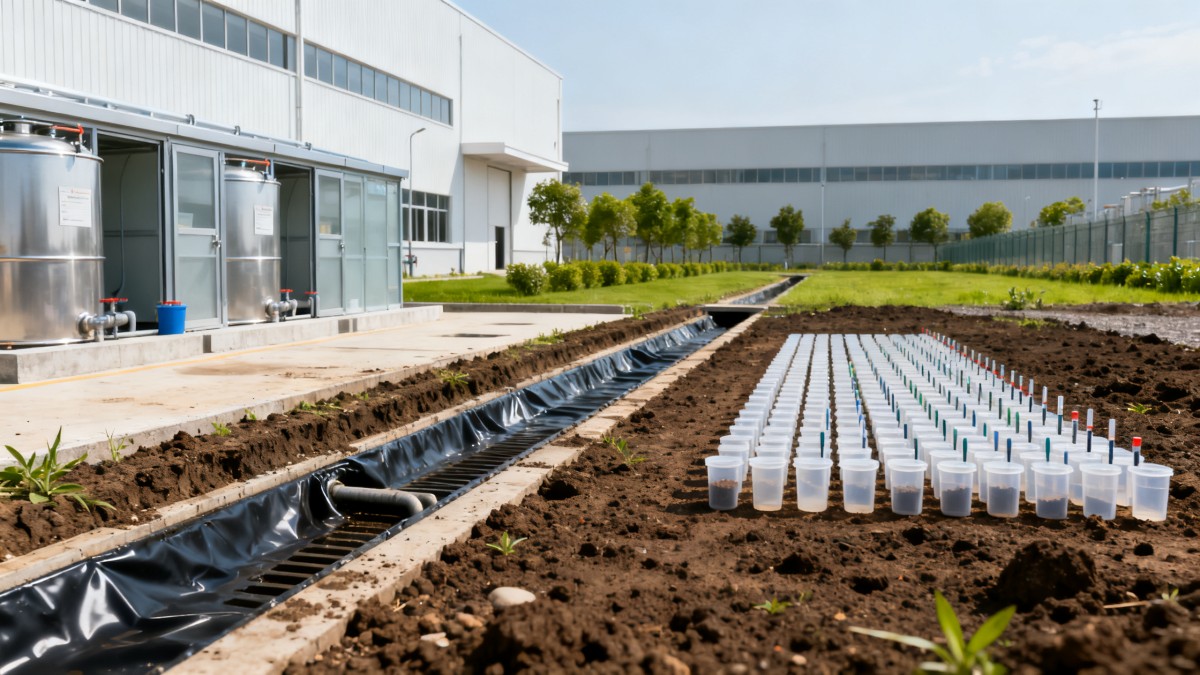
Soil management risk usually appears when facility activities create contamination pathways, unstable storage conditions, or incomplete environmental traceability.
The concern is not limited to heavy industrial sites or construction yards.
Commercial furniture plants, packaging converters, electronics assembly sites, logistics hubs, and retail redevelopment projects may all face soil management findings.
Audits often assess whether the organization understands how liquids, powders, waste, runoff, and outdoor materials interact with exposed ground.
A mature soil management program links operational behavior with documented environmental controls.
It also connects supplier qualification, site maintenance, emergency response, and sustainability reporting into one verifiable system.
Scenario Background: Why Site Context Changes the Risk Level
Soil management requirements change significantly by site type, operating activity, surrounding land use, and audit framework.
A warehouse storing packaged LED signage components has different exposure points than a facility handling coatings, adhesives, or metal treatment chemicals.
A retail renovation project may face hidden soil management issues from legacy fuel tanks, old paint residues, or uncontrolled demolition runoff.
A consumer packaging supplier may face risk through ink storage, wastewater sludge, outdoor pallet zones, or damaged chemical containers.
Therefore, a useful audit approach starts with scenario judgment, not a generic checklist.
The most reliable soil management review asks where material can move, where evidence is kept, and where accountability may be unclear.
Typical Scenario 1: Manufacturing Sites Handling Chemicals or Surface Treatments
Manufacturing facilities often face direct soil management exposure through chemical storage, pretreatment lines, painting areas, adhesives, cleaning agents, and wastewater systems.
Even when processes are indoors, soil management risks may emerge through loading bays, drainage outlets, maintenance yards, and waste staging zones.
Key judgment points include secondary containment, floor integrity, spill response readiness, and whether outdoor areas are inspected after heavy rainfall.
Auditors may also verify whether hazardous materials are separated from soil-contact surfaces and stormwater drains.
Effective soil management in this scenario requires clear maps, updated chemical inventories, maintenance records, and training evidence.
Typical Scenario 2: Commercial Furniture, Fixtures, and Interior Hardware Supply Chains
Furniture and fixture production may appear low risk, but soil management issues often hide in coatings, solvents, wood treatment, and metal finishing.
Outdoor storage of boards, hardware, packaging waste, or rejected components can create runoff pathways during rain events.
Where suppliers serve global commercial interiors, soil management controls can influence brand confidence and documentation quality.
Audit attention usually focuses on whether environmental controls match claims about responsible sourcing and sustainable materials.
Strong soil management evidence includes waste transfer records, sealed storage zones, drainage plans, and corrective action logs.
Typical Scenario 3: Smart Retail Technology and Electronic Equipment Operations
Smart retail technology sites may involve batteries, circuit boards, cleaning chemicals, packaging materials, and maintenance activities.
Soil management risk increases when rejected electronics, lubricants, or battery-related materials are stored outdoors or near drainage channels.
Audits may examine whether e-waste areas are covered, labeled, and protected from contact with exposed soil.
They may also check whether subcontracted repair or recycling partners follow comparable soil management controls.
For digital retail infrastructure, compliance credibility depends on both product safety and responsible environmental handling.
Typical Scenario 4: Sustainable Packaging and Consumer Goods Production
Packaging and consumer goods sites often emphasize recyclability, low-carbon materials, and renewable content.
However, soil management can challenge those claims if inks, coatings, additives, or residues are poorly controlled.
Risk points include sludge storage, wastewater pretreatment, raw material silos, resin handling, and outdoor waste collection zones.
The audit question is whether sustainability positioning is supported by operational discipline.
A practical soil management program confirms that green materials do not mask weak site-level contamination prevention.
Typical Scenario 5: Retail Redevelopment, Warehousing, and Logistics Nodes
Retail redevelopment sites can reveal historic contamination, undocumented fill materials, underground tanks, or old drainage infrastructure.
Warehouses and logistics nodes may face soil management issues from fuel spills, vehicle washing, battery charging, and pallet storage.
The core judgment point is whether the site has assessed past and current land-use risks.
Documentation should include site history reviews, spill reports, inspection records, and remediation evidence where relevant.
Without these records, soil management gaps can delay approvals, insurance review, landlord negotiations, or ESG reporting.
Different Scenario Needs in Soil Management Audits
This comparison shows why soil management must be adjusted to operating reality rather than copied from a standard template.
A small site may still carry high soil management risk if materials are mobile, toxic, or poorly documented.
Scenario Adaptation Recommendations for Stronger Compliance
- Map all outdoor storage, drainage points, loading zones, tanks, waste areas, and exposed soil surfaces.
- Classify materials by spill potential, toxicity, mobility, and proximity to soil or stormwater pathways.
- Use secondary containment for liquids, powders, sludge, batteries, and chemical waste.
- Inspect soil management controls after rain, maintenance work, construction activity, or abnormal operations.
- Keep spill records, corrective actions, training logs, disposal manifests, and contractor permits traceable.
- Include soil management criteria in supplier assessment, especially for high-impact materials and outsourced processes.
These actions create a practical bridge between daily site discipline and green compliance audit expectations.
They also support broader benchmarking against safety, quality, ESG, and international market-entry requirements.
Common Misjudgments That Create Soil Management Findings
Assuming indoor operations have no soil pathway
Indoor spills can reach soil through floor cracks, service trenches, doors, drains, or maintenance transfers.
Soil management reviews should include building condition and material movement, not only open ground.
Treating stormwater control as a separate topic
Stormwater and soil management are closely linked because runoff can move pollutants across yards and boundaries.
Drain maps, catch basin maintenance, and rainfall inspections often become decisive audit evidence.
Relying on policy without operational proof
A written soil management policy is weak without inspection photos, dated logs, assigned responsibilities, and closed corrective actions.
Auditors generally value repeated evidence more than broad environmental statements.
Ignoring contractor and tenant activities
Cleaning vendors, maintenance contractors, transport partners, and temporary tenants can all affect soil management outcomes.
Contract terms should define storage rules, spill reporting, waste disposal, and site restoration duties.
How Soil Management Supports ESG and Supply Chain Confidence
Modern commercial ecosystems depend on reliable data, responsible sourcing, and verifiable operational performance.
Soil management contributes to these goals by reducing hidden liabilities and improving traceability across supplier networks.
For G-BCE benchmarking logic, site-level environmental discipline complements product standards such as UL, CE, and BIFMA.
A supplier may meet functional performance expectations while still creating compliance risk through weak soil management practices.
That gap matters for commercial developers, retail operators, and brands seeking resilient consumer ecosystems.
When soil management evidence is integrated with procurement, maintenance, and ESG reporting, audit readiness becomes easier to sustain.
Action Guide: Turning Soil Management Risks into Audit Readiness
- Conduct a site walk focused on material movement, drainage, exposed soil, and waste staging.
- Create a soil management risk register with clear ownership and review frequency.
- Link each high-risk area to containment, inspection, training, and emergency response records.
- Review suppliers and contractors against the same soil management expectations used internally.
- Test documentation through a mock green compliance audit before formal assessment.
The strongest programs do not wait for an incident or audit finding before improving soil management controls.
They identify realistic scenarios, verify evidence, close gaps, and keep records ready for commercial and ESG review.
To strengthen green compliance readiness, start with the highest-risk site activities and build a soil management evidence trail.
A focused review can reveal hidden pathways, improve supplier confidence, and support more resilient global business operations.
News Recommendations
 What records are needed for an ISO 9001 furniture factory audit?
![51a6ab95581761cc26f4318be6520c15]()
Aris Katos
Future of Carbide Coatings
 How to choose AI marketing tools that work with your existing CRM
![51a6ab95581761cc26f4318be6520c15]()
Aris Katos
Future of Carbide Coatings
 Do freight costs erase savings when buying retail fixtures wholesale?
![51a6ab95581761cc26f4318be6520c15]()
Aris Katos
Future of Carbide Coatings
 Can smart retail IT solutions for CPG work with legacy POS systems?
![51a6ab95581761cc26f4318be6520c15]()
Aris Katos
Future of Carbide Coatings
 What permit approvals belong in a commercial fitout planning checklist?
![51a6ab95581761cc26f4318be6520c15]()
Aris Katos
Future of Carbide Coatings
 How Does Commercial Design Differ from Interior Decoration?
![51a6ab95581761cc26f4318be6520c15]()
Aris Katos
Future of Carbide Coatings
 How Long Does It Take to Verify a Commercial Furniture Supplier?
![51a6ab95581761cc26f4318be6520c15]()
Aris Katos
Future of Carbide Coatings
 How to verify compostability claims from a bubble mailer manufacturer
![51a6ab95581761cc26f4318be6520c15]()
Aris Katos
Future of Carbide Coatings
 Will commercial smart infrastructure solutions work with legacy systems?
![51a6ab95581761cc26f4318be6520c15]()
Aris Katos
Future of Carbide Coatings
 How to verify a preschool furniture manufacturer's safety standards
![51a6ab95581761cc26f4318be6520c15]()
Aris Katos
Future of Carbide Coatings
 A technical comparison of semiconductor processes for power devices
![51a6ab95581761cc26f4318be6520c15]()
Aris Katos
Future of Carbide Coatings
 How to verify that a BIFMA ergonomic chair meets the standard
![51a6ab95581761cc26f4318be6520c15]()
Aris Katos
Future of Carbide Coatings
 How to use a CRI value chart when choosing LED lighting
![51a6ab95581761cc26f4318be6520c15]()
Aris Katos
Future of Carbide Coatings
 How to compare hotel aroma diffuser wholesale options by coverage area
![51a6ab95581761cc26f4318be6520c15]()
Aris Katos
Future of Carbide Coatings
 How to prevent O-rings and seals from failing in food equipment
![51a6ab95581761cc26f4318be6520c15]()
Aris Katos
Future of Carbide Coatings
 How to compare commercial linear light wholesale quotes accurately
![51a6ab95581761cc26f4318be6520c15]()
Aris Katos
Future of Carbide Coatings
 How to verify international standards compliance for Middle East exports
![51a6ab95581761cc26f4318be6520c15]()
Aris Katos
Future of Carbide Coatings
 How to select laboratory instruments for reproducible test results
![51a6ab95581761cc26f4318be6520c15]()
Aris Katos
Future of Carbide Coatings
 When does a sheet metal prototype reveal design flaws early?
![51a6ab95581761cc26f4318be6520c15]()
Aris Katos
Future of Carbide Coatings
 When PE air column bags reduce damage in e-commerce fulfillment
![51a6ab95581761cc26f4318be6520c15]()
Aris Katos
Future of Carbide Coatings
 How energy-efficient design reduces operating costs in retail lighting
![51a6ab95581761cc26f4318be6520c15]()
Aris Katos
Future of Carbide Coatings
 When commercial aluminum storefronts make sense for a retail renovation
![51a6ab95581761cc26f4318be6520c15]()
Aris Katos
Future of Carbide Coatings
 What makes LED lights durable in high-use commercial spaces?
![51a6ab95581761cc26f4318be6520c15]()
Aris Katos
Future of Carbide Coatings
 Which industry categories offer the strongest export potential in Latin America?
![51a6ab95581761cc26f4318be6520c15]()
Aris Katos
Future of Carbide Coatings
 How to choose an ultra bright waterproof window display for storefronts
![51a6ab95581761cc26f4318be6520c15]()
Aris Katos
Future of Carbide Coatings
 How to verify suppliers on a trade portal for global sourcing
![51a6ab95581761cc26f4318be6520c15]()
Aris Katos
Future of Carbide Coatings
 How RoHS requirements should be stated in product specifications
![51a6ab95581761cc26f4318be6520c15]()
Aris Katos
Future of Carbide Coatings
 What affects the lead time for custom retail counter displays?
![51a6ab95581761cc26f4318be6520c15]()
Aris Katos
Future of Carbide Coatings
 What consumer packaging USA importers need to verify before ordering
![51a6ab95581761cc26f4318be6520c15]()
Aris Katos
Future of Carbide Coatings
 How commercial spaces interiors shape customer dwell time
![51a6ab95581761cc26f4318be6520c15]()
Aris Katos
Future of Carbide Coatings
 How LED commercial lighting design reduces glare in retail spaces
![51a6ab95581761cc26f4318be6520c15]()
Aris Katos
Future of Carbide Coatings
 How industrial technology information improves RFID inventory accuracy
![51a6ab95581761cc26f4318be6520c15]()
Aris Katos
Future of Carbide Coatings
 When drip garden watering systems make more sense than sprinklers
![51a6ab95581761cc26f4318be6520c15]()
Aris Katos
Future of Carbide Coatings
 When category comparison improves sourcing for industrial applications
![51a6ab95581761cc26f4318be6520c15]()
Aris Katos
Future of Carbide Coatings
 Industrial application guidance for selecting the right LED lighting
![51a6ab95581761cc26f4318be6520c15]()
Aris Katos
Future of Carbide Coatings
 Which commercial architecture standards apply to European retail fit-outs?
![51a6ab95581761cc26f4318be6520c15]()
Aris Katos
Future of Carbide Coatings
 How to verify FDA requirements for maternity care products
![51a6ab95581761cc26f4318be6520c15]()
Aris Katos
Future of Carbide Coatings
 How to verify BPA-free claims for food-contact products
![51a6ab95581761cc26f4318be6520c15]()
Aris Katos
Future of Carbide Coatings
 When does a European wholesale supplier suit modular office projects?
![51a6ab95581761cc26f4318be6520c15]()
Aris Katos
Future of Carbide Coatings