New Outbound Investment Rules Take Effect July 1
Time
Click Count
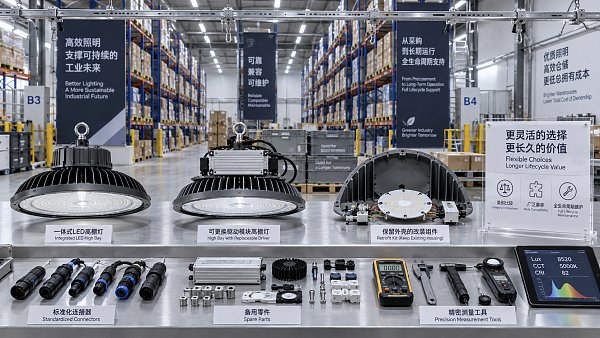
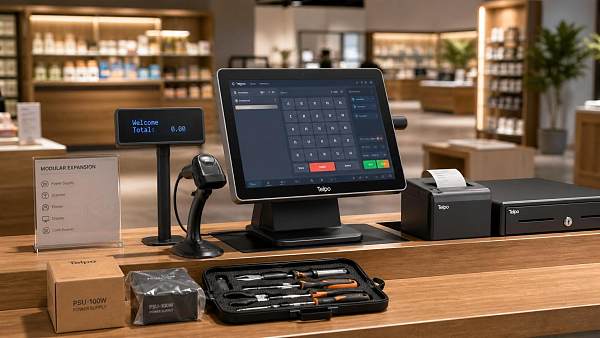
China’s new rules on outbound investment take effect on July 1, 2026, with a clear compliance-related signal for export supply chains. The policy is worth close attention from exporters of compliance-sensitive products such as POS terminals, digital signage, and smart lighting, as well as overseas buyers and supply chain service providers, because it explicitly calls for a cross-functional overseas service system to support market access, local certification coordination, and supply chain risk alerts.

What the new rules explicitly set out
The State Council has issued the Regulations of the State Council on Outbound Investment, scheduled to come into force on July 1, 2026. According to the information provided, the rules require the establishment of an overseas comprehensive service system covering foreign affairs, legal, tax and finance, customs, and trade promotion.
The same information indicates that this service framework is intended to support export companies dealing in products with higher compliance sensitivity, including POS terminals, digital signage, and smart lighting. The stated areas of support include overseas market access consultation, coordination on local certification, and supply chain risk warning services.
The summary also states that the framework is meant to help overseas customers assess the long-term fulfillment stability of Chinese suppliers.
Why different parts of the supply chain may feel the impact
Export-facing manufacturers may need stronger compliance coordination
From an industry perspective, manufacturers and direct exporters of compliance-sensitive products may be the first to watch implementation details. The reason is straightforward: the policy language ties overseas service support directly to market access, certification coordination, and risk alerts, all of which affect whether products can enter a destination market and continue to be delivered smoothly.
What deserves closer attention is not only product compliance itself, but also how internal teams connect documentation, certification progress, and shipment planning.
Overseas buyers may place more weight on supplier stability
Analysis shows that the policy signal is also relevant to procurement teams and overseas customers. The provided summary specifically notes support for assessing the long-term fulfillment stability of Chinese suppliers, which means supplier review may increasingly involve not just price and product fit, but also visibility into compliance readiness and delivery continuity.
For buyers, the practical focus may shift toward whether suppliers can respond clearly to local access requirements and maintain predictable execution under changing compliance conditions.
Service providers in certification and trade support may become more central
Supply chain service providers, certification coordinators, and trade support participants may also be affected because the policy explicitly references coordination across foreign affairs, legal, tax and finance, customs, and trade promotion. Observably, that points to a more interconnected service role around export execution rather than a single-document or single-stage compliance task.
The key change to watch is whether service demand becomes more integrated across advisory, certification, and risk-monitoring functions.
What companies should monitor now
Watch for follow-up wording and operational detail
Companies should distinguish between the policy direction already made clear and the practical details that may still require clarification. The confirmed information establishes the service framework and its intended support areas, but businesses will still need to track how those support mechanisms are expressed in later official wording or implementation arrangements.
Review exposure in compliance-sensitive product lines
For exporters of POS terminals, digital signage, smart lighting, and similar products, a useful near-term step is to review which product lines and destination-market processes depend most heavily on overseas access consultation or local certification coordination. This is especially relevant where shipment timing and certification timing are closely linked.
Strengthen supplier files and delivery communication
Analysis shows that supplier qualification materials, product documentation, certification status records, and delivery-cycle visibility may become more important in customer communication. Since the policy summary links the new service system to evaluation of long-term fulfillment stability, companies should be prepared to explain their documentation readiness and fulfillment continuity in a more structured way.
Prepare for risk-warning use in supply planning
Another practical point is the mention of supply chain risk warning services. It is more appropriate to understand this as a prompt for companies to improve internal coordination between compliance, procurement, production, and delivery planning, rather than assuming that policy support alone resolves execution risk.
How to read the signal at this stage
Observably, this development should be read less as a short-term sales catalyst and more as a governance and service-support signal for export operations. The policy language provided does not confirm specific market outcomes, but it does indicate that compliance support and supplier reliability assessment are moving closer to the center of overseas business execution for certain product categories.
Analysis also suggests that the most relevant takeaway for the industry is structural: compliance, certification, and supply chain continuity are being treated in a more connected way. That matters most for businesses whose products face higher local access sensitivity.
Why this matters beyond the headline
At this point, the news is better understood as an important policy signal with practical implications, rather than as a completed result in itself. Its industry significance lies in the explicit support framework around overseas access, certification coordination, and risk alerts, especially for export supply chains handling compliance-sensitive products.
A neutral reading is that the rules point to a stronger service foundation for cross-border execution, while the real business effect will depend on how companies align their documentation, compliance processes, and customer communication with that framework.
Basis of this article and what still needs verification
This article is generated based on the user-provided news title, event date, and event summary. For this type of development, commonly relevant source categories may include official government announcements, corporate disclosures, industry association updates, authoritative media coverage, and standards-related documents.
No specific official source link was provided in the input, so the exact official publication path still needs ongoing verification. What remains worth tracking is whether later official communication provides more operational detail on the overseas comprehensive service system, its service mechanisms, and its application to specific export scenarios.
News Recommendations
 What consumer packaging USA importers need to verify before ordering
![51a6ab95581761cc26f4318be6520c15]()
Aris Katos
Future of Carbide Coatings
 How commercial spaces interiors shape customer dwell time
![51a6ab95581761cc26f4318be6520c15]()
Aris Katos
Future of Carbide Coatings
 How LED commercial lighting design reduces glare in retail spaces
![51a6ab95581761cc26f4318be6520c15]()
Aris Katos
Future of Carbide Coatings
 How industrial technology information improves RFID inventory accuracy
![51a6ab95581761cc26f4318be6520c15]()
Aris Katos
Future of Carbide Coatings
 When drip garden watering systems make more sense than sprinklers
![51a6ab95581761cc26f4318be6520c15]()
Aris Katos
Future of Carbide Coatings
 When category comparison improves sourcing for industrial applications
![51a6ab95581761cc26f4318be6520c15]()
Aris Katos
Future of Carbide Coatings
 Industrial application guidance for selecting the right LED lighting
![51a6ab95581761cc26f4318be6520c15]()
Aris Katos
Future of Carbide Coatings
 Which commercial architecture standards apply to European retail fit-outs?
![51a6ab95581761cc26f4318be6520c15]()
Aris Katos
Future of Carbide Coatings
 How to verify FDA requirements for maternity care products
![51a6ab95581761cc26f4318be6520c15]()
Aris Katos
Future of Carbide Coatings
 How to verify BPA-free claims for food-contact products
![51a6ab95581761cc26f4318be6520c15]()
Aris Katos
Future of Carbide Coatings
 When does a European wholesale supplier suit modular office projects?
![51a6ab95581761cc26f4318be6520c15]()
Aris Katos
Future of Carbide Coatings
 When consumer ecosystem solutions improve the in-store shopping journey
![51a6ab95581761cc26f4318be6520c15]()
Aris Katos
Future of Carbide Coatings
 How a commercial developers network can reduce site selection risk
![51a6ab95581761cc26f4318be6520c15]()
Aris Katos
Future of Carbide Coatings
 How clear purchasing specifications prevent costly supplier deviations
![51a6ab95581761cc26f4318be6520c15]()
Aris Katos
Future of Carbide Coatings
 What an ISTA drop test lab checks before your packaging ships
![51a6ab95581761cc26f4318be6520c15]()
Aris Katos
Future of Carbide Coatings
 Which commercial furniture standards apply to workplace seating?
![51a6ab95581761cc26f4318be6520c15]()
Aris Katos
Future of Carbide Coatings
 How to evaluate smart lighting module OEM compatibility before sampling
![51a6ab95581761cc26f4318be6520c15]()
Aris Katos
Future of Carbide Coatings
 How to assess whether sustainable technology delivers real impact
![51a6ab95581761cc26f4318be6520c15]()
Aris Katos
Future of Carbide Coatings
 How to assess an OEM supplier’s quality control before ordering
![51a6ab95581761cc26f4318be6520c15]()
Aris Katos
Future of Carbide Coatings
 How consumer ecosystem solutions data can improve retail personalization
![51a6ab95581761cc26f4318be6520c15]()
Aris Katos
Future of Carbide Coatings
 When does consumer packaging design justify a higher product price?
![51a6ab95581761cc26f4318be6520c15]()
Aris Katos
Future of Carbide Coatings
 Supermarket Fixture Installation: Planning Layouts, Wiring, and Handover
![51a6ab95581761cc26f4318be6520c15]()
Aris Katos
Future of Carbide Coatings
 Automated Lighting and Smart Lighting Control in Bergerac: Key Project Considerations
![51a6ab95581761cc26f4318be6520c15]()
Aris Katos
Future of Carbide Coatings
 Segment Streetlight Controllers: Choosing Control Modes for Urban Roads
![51a6ab95581761cc26f4318be6520c15]()
Aris Katos
Future of Carbide Coatings
 IEC 62471-2 Explained: How to Assess Photobiological Risks in LED Lighting
![51a6ab95581761cc26f4318be6520c15]()
Aris Katos
Future of Carbide Coatings
 Food Grade Packaging Requirements by Product Type, Temperature, and Contact Risk
![51a6ab95581761cc26f4318be6520c15]()
Aris Katos
Future of Carbide Coatings
 Food Packaging Compliance Checklist: Tests, Records, and Labeling Before Shipment
![51a6ab95581761cc26f4318be6520c15]()
Aris Katos
Future of Carbide Coatings
 NSF Food Packaging Standards: When Certification Matters for Commercial Food Use
![51a6ab95581761cc26f4318be6520c15]()
Aris Katos
Future of Carbide Coatings
 FDA Food Grade Compliance: Which Materials and Documents Do Buyers Need?
![51a6ab95581761cc26f4318be6520c15]()
Aris Katos
Future of Carbide Coatings
 What Should a Food Grade Declaration Include for Packaging Compliance?
![51a6ab95581761cc26f4318be6520c15]()
Aris Katos
Future of Carbide Coatings
 Housewares Importing: How to Evaluate Suppliers, Costs, and Compliance Risks
![51a6ab95581761cc26f4318be6520c15]()
Aris Katos
Future of Carbide Coatings
 Why Freeze-Dried Fruit Ingredients Lose Crispness—and How to Prevent It
![51a6ab95581761cc26f4318be6520c15]()
Aris Katos
Future of Carbide Coatings
 What industry veterans look for before choosing a new supplier
![51a6ab95581761cc26f4318be6520c15]()
Aris Katos
Future of Carbide Coatings
 How material fatigue can shorten the service life of retail shelving
![51a6ab95581761cc26f4318be6520c15]()
Aris Katos
Future of Carbide Coatings
 What makes a global sourcing platform reliable for supplier verification?
![51a6ab95581761cc26f4318be6520c15]()
Aris Katos
Future of Carbide Coatings
 When are double platinum spark plugs a better choice than iridium?
![51a6ab95581761cc26f4318be6520c15]()
Aris Katos
Future of Carbide Coatings
 How to assess a POS terminal manufacturer in Europe for long-term support
![51a6ab95581761cc26f4318be6520c15]()
Aris Katos
Future of Carbide Coatings
 How data transparency in retail helps prevent inventory discrepancies
![51a6ab95581761cc26f4318be6520c15]()
Aris Katos
Future of Carbide Coatings
 What makes a product comparison guide actually useful for buying decisions
![51a6ab95581761cc26f4318be6520c15]()
Aris Katos
Future of Carbide Coatings