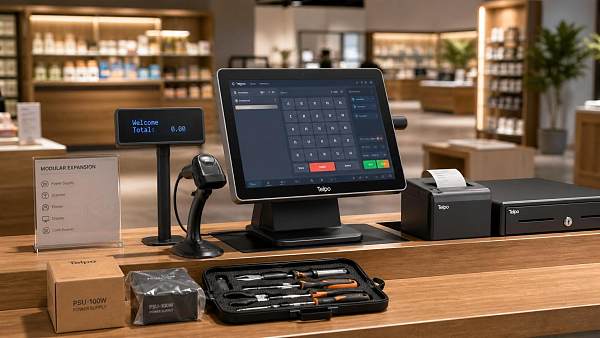
China Tightens Content Controls for Networked Signage
Time
Click Count
Effective September 1, 2026, a new multi-agency rule on multi-channel internet information distribution raises a direct compliance issue for networked digital signage, smart POS, and self-service terminal content control platforms. The change is worth close attention because it links content governance requirements with system design, delivery readiness, and export execution, especially for integrators shipping to Southeast Asia and the Middle East that may now need localized review functions alongside existing deployment capabilities.

What the new rule now requires
According to the provided information, five government departments jointly released the Administrative Provisions on Multi-Channel Distribution Services for Internet Information Content on June 11, and the rule takes effect on September 1, 2026.
The rule requires content control platforms used for all network-connected digital signage solutions, smart POS systems, and self-service terminals to have an in-country content security review interface and user behavior log retention capability.
The same information also indicates that system integrators exporting to markets in Southeast Asia and the Middle East need to upgrade localized review modules in parallel, or they may face content compliance review risks in importing markets.
Where the pressure is likely to appear first
Platform architecture and system integration
From an industry perspective, the most immediate impact is likely to fall on platform developers and system integrators because the rule is framed around capabilities embedded in the content broadcasting and control layer. That means compliance attention may shift from hardware-only delivery to whether the deployed platform can support domestic review interfaces and retain user behavior records as required.
Export projects and overseas delivery planning
Analysis shows that exporters of digital signage, smart POS, and self-service terminal solutions may need to reassess project documentation, software localization scope, and delivery schedules. Where overseas projects rely on centrally managed content distribution, the added need for localized review modules could become a practical checkpoint in procurement reviews, technical alignment, and pre-delivery compliance discussions.
Procurement and downstream acceptance
Buyers, channel partners, and downstream operators may also need to pay closer attention to whether supplied systems can demonstrate the required review and logging functions. In practice, this could affect bid specifications, supplier qualification screening, and acceptance criteria for connected display and terminal projects, even if the detailed enforcement approach is not yet provided in the input.
After-sales and traceability responsibilities
Observably, after-sales service providers and operating teams may face added pressure because user behavior log retention points to ongoing record management rather than one-time product compliance. This makes post-deployment support, system updates, and traceability readiness more relevant in contracts and service arrangements.
What companies should review now
Check whether existing platforms already cover the required functions
Analysis shows that companies should first verify whether their current content control platforms for connected signage and terminals already include an in-country content security review interface and user behavior log retention capability, or whether these functions still require development, integration, or third-party support.
Revisit export documentation and technical files
What deserves closer attention is whether technical documents, bid responses, deployment descriptions, and customer-facing compliance materials clearly reflect the upgraded review architecture. For exporters and integrators, this may become relevant not only for domestic compliance communication but also for external content compliance checks in destination markets.
Watch for changes in procurement and acceptance language
Because the input does not provide detailed enforcement guidance, it would be premature to treat market practice as settled. Still, companies should monitor whether procurement documents, project acceptance requirements, or customer specifications begin to reference local review capability, logging functions, or related compliance evidence.
Prepare for implementation questions rather than assume a fixed model
Observably, the current signal is strong on compliance direction but limited on operational detail in the provided information. Companies therefore need to stay alert to later clarifications on implementation scope, documentation expectations, and how these requirements may be interpreted across product categories and delivery scenarios.
Why this reads as an execution signal
Analysis shows that this development is more than a general policy statement because it identifies concrete functional expectations for connected content distribution systems. At the same time, it is more appropriate to understand this as an execution signal with practical compliance consequences rather than a fully transparent implementation framework, since the provided information does not include detailed enforcement standards, audit methods, or documentation templates.
From an industry perspective, the key takeaway is that content compliance is moving closer to the system capability layer. That matters not only for domestic deployments but also for export projects where local review functions may affect how overseas customers, import-side reviewers, or project owners assess solution readiness.
How the market is most reasonably likely to read it
The most balanced reading of this update is that a rule change has already landed, while its full operating impact still depends on how compliance checks, procurement language, and project-level acceptance practices develop after the effective date. For now, the issue is not simply whether companies know the rule exists, but whether their platform design, export planning, and delivery documentation can keep pace with the stated compliance direction.
Basis of this article
This article is generated from the user-provided news title, event date, and event summary. The factual basis is limited to the supplied description of the newly released rule, its effective date, the specified functional requirements for connected content control platforms, and the stated export compliance risk for system integrators serving Southeast Asia and the Middle East.
For this type of development, commonly relevant source categories may include official regulatory notices, releases from supervisory authorities, trade or customs-related updates, industry association information, standard-setting documents, and reporting by authoritative media. No specific official source link was provided in the input, so the exact official publication link still needs to be verified on an ongoing basis.
Further monitoring is still needed on implementing details, compliance interpretation, procurement document changes, bidding language, market feedback, and how affected companies execute platform upgrades in practice.
News Recommendations
 What consumer packaging USA importers need to verify before ordering
![51a6ab95581761cc26f4318be6520c15]()
Aris Katos
Future of Carbide Coatings
 How commercial spaces interiors shape customer dwell time
![51a6ab95581761cc26f4318be6520c15]()
Aris Katos
Future of Carbide Coatings
 How LED commercial lighting design reduces glare in retail spaces
![51a6ab95581761cc26f4318be6520c15]()
Aris Katos
Future of Carbide Coatings
 How industrial technology information improves RFID inventory accuracy
![51a6ab95581761cc26f4318be6520c15]()
Aris Katos
Future of Carbide Coatings
 When drip garden watering systems make more sense than sprinklers
![51a6ab95581761cc26f4318be6520c15]()
Aris Katos
Future of Carbide Coatings
 When category comparison improves sourcing for industrial applications
![51a6ab95581761cc26f4318be6520c15]()
Aris Katos
Future of Carbide Coatings
 Industrial application guidance for selecting the right LED lighting
![51a6ab95581761cc26f4318be6520c15]()
Aris Katos
Future of Carbide Coatings
 Which commercial architecture standards apply to European retail fit-outs?
![51a6ab95581761cc26f4318be6520c15]()
Aris Katos
Future of Carbide Coatings
 How to verify FDA requirements for maternity care products
![51a6ab95581761cc26f4318be6520c15]()
Aris Katos
Future of Carbide Coatings
 How to verify BPA-free claims for food-contact products
![51a6ab95581761cc26f4318be6520c15]()
Aris Katos
Future of Carbide Coatings
 When does a European wholesale supplier suit modular office projects?
![51a6ab95581761cc26f4318be6520c15]()
Aris Katos
Future of Carbide Coatings
 When consumer ecosystem solutions improve the in-store shopping journey
![51a6ab95581761cc26f4318be6520c15]()
Aris Katos
Future of Carbide Coatings
 How a commercial developers network can reduce site selection risk
![51a6ab95581761cc26f4318be6520c15]()
Aris Katos
Future of Carbide Coatings
 How clear purchasing specifications prevent costly supplier deviations
![51a6ab95581761cc26f4318be6520c15]()
Aris Katos
Future of Carbide Coatings
 What an ISTA drop test lab checks before your packaging ships
![51a6ab95581761cc26f4318be6520c15]()
Aris Katos
Future of Carbide Coatings
 Which commercial furniture standards apply to workplace seating?
![51a6ab95581761cc26f4318be6520c15]()
Aris Katos
Future of Carbide Coatings
 How to evaluate smart lighting module OEM compatibility before sampling
![51a6ab95581761cc26f4318be6520c15]()
Aris Katos
Future of Carbide Coatings
 How to assess whether sustainable technology delivers real impact
![51a6ab95581761cc26f4318be6520c15]()
Aris Katos
Future of Carbide Coatings
 How to assess an OEM supplier’s quality control before ordering
![51a6ab95581761cc26f4318be6520c15]()
Aris Katos
Future of Carbide Coatings
 How consumer ecosystem solutions data can improve retail personalization
![51a6ab95581761cc26f4318be6520c15]()
Aris Katos
Future of Carbide Coatings
 When does consumer packaging design justify a higher product price?
![51a6ab95581761cc26f4318be6520c15]()
Aris Katos
Future of Carbide Coatings
 Supermarket Fixture Installation: Planning Layouts, Wiring, and Handover
![51a6ab95581761cc26f4318be6520c15]()
Aris Katos
Future of Carbide Coatings
 Automated Lighting and Smart Lighting Control in Bergerac: Key Project Considerations
![51a6ab95581761cc26f4318be6520c15]()
Aris Katos
Future of Carbide Coatings
 Segment Streetlight Controllers: Choosing Control Modes for Urban Roads
![51a6ab95581761cc26f4318be6520c15]()
Aris Katos
Future of Carbide Coatings
 IEC 62471-2 Explained: How to Assess Photobiological Risks in LED Lighting
![51a6ab95581761cc26f4318be6520c15]()
Aris Katos
Future of Carbide Coatings
 Food Grade Packaging Requirements by Product Type, Temperature, and Contact Risk
![51a6ab95581761cc26f4318be6520c15]()
Aris Katos
Future of Carbide Coatings
 Food Packaging Compliance Checklist: Tests, Records, and Labeling Before Shipment
![51a6ab95581761cc26f4318be6520c15]()
Aris Katos
Future of Carbide Coatings
 NSF Food Packaging Standards: When Certification Matters for Commercial Food Use
![51a6ab95581761cc26f4318be6520c15]()
Aris Katos
Future of Carbide Coatings
 FDA Food Grade Compliance: Which Materials and Documents Do Buyers Need?
![51a6ab95581761cc26f4318be6520c15]()
Aris Katos
Future of Carbide Coatings
 What Should a Food Grade Declaration Include for Packaging Compliance?
![51a6ab95581761cc26f4318be6520c15]()
Aris Katos
Future of Carbide Coatings
 Housewares Importing: How to Evaluate Suppliers, Costs, and Compliance Risks
![51a6ab95581761cc26f4318be6520c15]()
Aris Katos
Future of Carbide Coatings
 Why Freeze-Dried Fruit Ingredients Lose Crispness—and How to Prevent It
![51a6ab95581761cc26f4318be6520c15]()
Aris Katos
Future of Carbide Coatings
 What industry veterans look for before choosing a new supplier
![51a6ab95581761cc26f4318be6520c15]()
Aris Katos
Future of Carbide Coatings
 How material fatigue can shorten the service life of retail shelving
![51a6ab95581761cc26f4318be6520c15]()
Aris Katos
Future of Carbide Coatings
 What makes a global sourcing platform reliable for supplier verification?
![51a6ab95581761cc26f4318be6520c15]()
Aris Katos
Future of Carbide Coatings
 When are double platinum spark plugs a better choice than iridium?
![51a6ab95581761cc26f4318be6520c15]()
Aris Katos
Future of Carbide Coatings
 How to assess a POS terminal manufacturer in Europe for long-term support
![51a6ab95581761cc26f4318be6520c15]()
Aris Katos
Future of Carbide Coatings
 How data transparency in retail helps prevent inventory discrepancies
![51a6ab95581761cc26f4318be6520c15]()
Aris Katos
Future of Carbide Coatings
 What makes a product comparison guide actually useful for buying decisions
![51a6ab95581761cc26f4318be6520c15]()
Aris Katos
Future of Carbide Coatings