Asia Consumer Electronics Expo Opens in Beijing
Time
Click Count
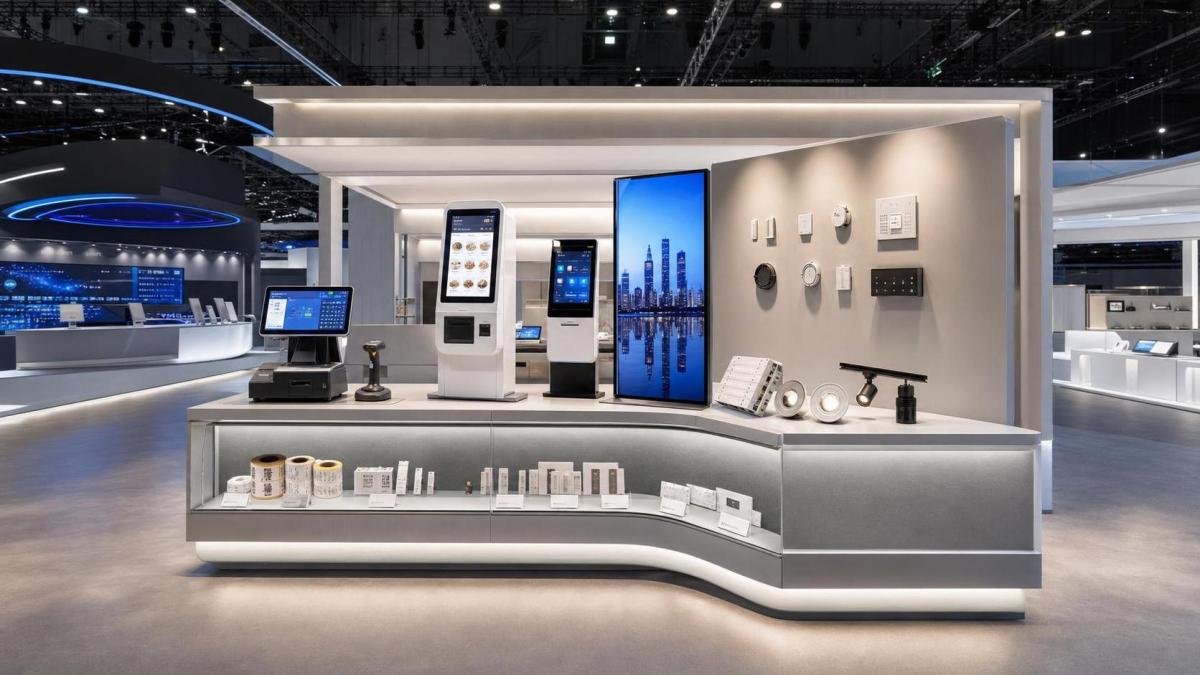
The 2026 Asia Consumer Electronics Expo opened in Beijing on June 10, bringing together hundreds of Chinese and international exhibitors around smart living and commercial technology. For retailers, hotel groups, commercial property operators, and solution providers, the event is worth watching not simply as a product showcase, but as a visible signal that AI-enabled point-of-sale systems, self-service terminals, digital signage, lighting controls, and RFID inventory tools are increasingly being presented as connected components of physical space, digital interaction, and green compliance.
What the Beijing showcase confirmed
According to the provided event information, the 2026 Asia Consumer Electronics Expo opened in Beijing on June 10. Hundreds of domestic and overseas companies participated in the exhibition.
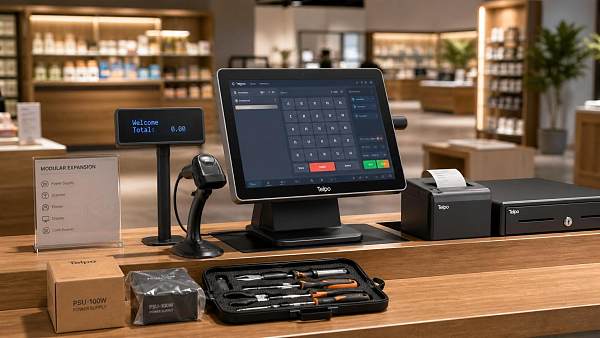
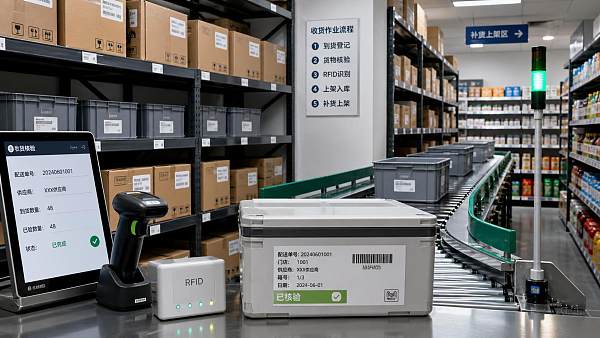
The technologies highlighted at the event included AI-driven POS systems and self-service terminals, digital signage solutions, intelligent lighting control systems, and RFID inventory management technology.
The exhibition also pointed to a combined direction centered on physical space, digital interaction, and green compliance. The event information further indicates that the showcased solutions offer overseas retailers, hotel groups, and commercial real estate operators examples of China-based technologies that can be connected to real-world deployment needs.
Why different business roles may pay attention
For operators managing customer-facing spaces
From an industry perspective, retailers, hotel groups, and commercial property operators may be the most direct observers of this development because the showcased technologies are tied to store operations, visitor interaction, service efficiency, and space management. The impact would mainly appear in front-end service design, checkout or self-service workflows, in-store communication, and inventory visibility. What deserves closer attention is whether these technologies are being evaluated as stand-alone devices or as part of an integrated operating environment.
For equipment and solution suppliers
Solution vendors, device makers, and implementation partners may also be affected because the exhibition places multiple categories—POS, self-service, signage, lighting, and RFID—within the same commercial narrative. Analysis shows this may shift attention from single-product procurement toward compatibility, deployment logic, and cross-system delivery capability. Suppliers may therefore need to watch how buyers define integration requirements and compliance expectations in future discussions.
For supply chain and project delivery teams
Companies involved in sourcing, fulfillment, deployment, and after-sales support may also see implications if buyers increasingly look for deployable packages rather than isolated hardware. Observably, the business impact would likely center on project coordination, implementation sequencing, documentation readiness, and long-cycle service support. The immediate issue is not proven demand volume, but the need to prepare for more interconnected procurement conversations.
What companies should watch next
Integration is becoming part of the buying conversation
Based on the event summary, companies should pay close attention to how AI retail tools are being linked with digital signage, lighting, and RFID rather than being marketed in isolation. In practical terms, this affects solution scoping, bid preparation, and client communication.
Green compliance needs to be separated from marketing language
The event highlights green compliance as part of the broader direction. Companies should distinguish between exhibition messaging and actual project requirements, especially when preparing technical documents, qualification materials, and customer-facing explanations. The key issue is not to assume a uniform compliance standard from the event itself, but to be ready for buyers to raise the topic more frequently.
Overseas-facing readiness may matter more in follow-up deals
Because the event is described as offering directly connectable China technology samples for overseas retailers, hotel groups, and commercial real estate operators, firms with export-oriented or cross-border business should watch how they present deployment capability, service coordination, and delivery timelines. This is especially relevant for teams handling procurement support and project execution.
Category focus should follow real operational use cases
What deserves closer attention is how each technology category maps to a concrete business function: payment and service flow for AI POS and self-service terminals, on-site communication for digital signage, energy and environment management for lighting controls, and stock visibility for RFID. Companies that align their follow-up around use cases rather than broad technology labels may be better positioned in later discussions.
How this signal should be read
Analysis shows this event is better understood as an industry signal than as proof of a settled market outcome. The combination of physical space, digital interaction, and green compliance suggests that commercial technology buyers are being presented with a more unified operating model, but the provided information does not confirm adoption scale, purchasing decisions, or implementation results.
Observably, the most meaningful takeaway is that several once-separate technology categories are now being framed together for real-world commercial settings. That matters because it can influence how buyers compare vendors, how suppliers package solutions, and how deployment teams prepare for cross-functional projects. Even so, this remains a development that still requires continued observation rather than a definitive shift already completed.
A measured reading of the event
At this stage, it is more appropriate to understand the Beijing expo as a practical window into how smart living and AI retail technologies are being positioned for commercial use, especially for overseas-facing retail, hospitality, and property scenarios. The event does not by itself establish market outcomes, but it does indicate where product integration, operational digitization, and compliance-oriented positioning are converging in current industry presentations.
Basis of this article
This article is generated from the user-provided news title, event date, and event summary. The analysis is limited to those confirmed inputs and does not rely on unverified company data, market figures, policy documents, or external reporting not included in the source material.
For this type of industry update, commonly relevant source categories may include official event announcements, company statements, industry association releases, authoritative media coverage, and standards-related documents. A specific official source link was not provided in the input, so further verification is still needed. If the story continues to develop, follow-up attention should focus on later official statements, buyer-side procurement signals, and any clearer evidence of deployment or implementation outcomes.
News Recommendations
 What consumer packaging USA importers need to verify before ordering
![51a6ab95581761cc26f4318be6520c15]()
Aris Katos
Future of Carbide Coatings
 How commercial spaces interiors shape customer dwell time
![51a6ab95581761cc26f4318be6520c15]()
Aris Katos
Future of Carbide Coatings
 How LED commercial lighting design reduces glare in retail spaces
![51a6ab95581761cc26f4318be6520c15]()
Aris Katos
Future of Carbide Coatings
 How industrial technology information improves RFID inventory accuracy
![51a6ab95581761cc26f4318be6520c15]()
Aris Katos
Future of Carbide Coatings
 When drip garden watering systems make more sense than sprinklers
![51a6ab95581761cc26f4318be6520c15]()
Aris Katos
Future of Carbide Coatings
 When category comparison improves sourcing for industrial applications
![51a6ab95581761cc26f4318be6520c15]()
Aris Katos
Future of Carbide Coatings
 Industrial application guidance for selecting the right LED lighting
![51a6ab95581761cc26f4318be6520c15]()
Aris Katos
Future of Carbide Coatings
 Which commercial architecture standards apply to European retail fit-outs?
![51a6ab95581761cc26f4318be6520c15]()
Aris Katos
Future of Carbide Coatings
 How to verify FDA requirements for maternity care products
![51a6ab95581761cc26f4318be6520c15]()
Aris Katos
Future of Carbide Coatings
 How to verify BPA-free claims for food-contact products
![51a6ab95581761cc26f4318be6520c15]()
Aris Katos
Future of Carbide Coatings
 When does a European wholesale supplier suit modular office projects?
![51a6ab95581761cc26f4318be6520c15]()
Aris Katos
Future of Carbide Coatings
 When consumer ecosystem solutions improve the in-store shopping journey
![51a6ab95581761cc26f4318be6520c15]()
Aris Katos
Future of Carbide Coatings
 How a commercial developers network can reduce site selection risk
![51a6ab95581761cc26f4318be6520c15]()
Aris Katos
Future of Carbide Coatings
 How clear purchasing specifications prevent costly supplier deviations
![51a6ab95581761cc26f4318be6520c15]()
Aris Katos
Future of Carbide Coatings
 What an ISTA drop test lab checks before your packaging ships
![51a6ab95581761cc26f4318be6520c15]()
Aris Katos
Future of Carbide Coatings
 Which commercial furniture standards apply to workplace seating?
![51a6ab95581761cc26f4318be6520c15]()
Aris Katos
Future of Carbide Coatings
 How to evaluate smart lighting module OEM compatibility before sampling
![51a6ab95581761cc26f4318be6520c15]()
Aris Katos
Future of Carbide Coatings
 How to assess whether sustainable technology delivers real impact
![51a6ab95581761cc26f4318be6520c15]()
Aris Katos
Future of Carbide Coatings
 How to assess an OEM supplier’s quality control before ordering
![51a6ab95581761cc26f4318be6520c15]()
Aris Katos
Future of Carbide Coatings
 How consumer ecosystem solutions data can improve retail personalization
![51a6ab95581761cc26f4318be6520c15]()
Aris Katos
Future of Carbide Coatings
 When does consumer packaging design justify a higher product price?
![51a6ab95581761cc26f4318be6520c15]()
Aris Katos
Future of Carbide Coatings
 Supermarket Fixture Installation: Planning Layouts, Wiring, and Handover
![51a6ab95581761cc26f4318be6520c15]()
Aris Katos
Future of Carbide Coatings
 Automated Lighting and Smart Lighting Control in Bergerac: Key Project Considerations
![51a6ab95581761cc26f4318be6520c15]()
Aris Katos
Future of Carbide Coatings
 Segment Streetlight Controllers: Choosing Control Modes for Urban Roads
![51a6ab95581761cc26f4318be6520c15]()
Aris Katos
Future of Carbide Coatings
 IEC 62471-2 Explained: How to Assess Photobiological Risks in LED Lighting
![51a6ab95581761cc26f4318be6520c15]()
Aris Katos
Future of Carbide Coatings
 Food Grade Packaging Requirements by Product Type, Temperature, and Contact Risk
![51a6ab95581761cc26f4318be6520c15]()
Aris Katos
Future of Carbide Coatings
 Food Packaging Compliance Checklist: Tests, Records, and Labeling Before Shipment
![51a6ab95581761cc26f4318be6520c15]()
Aris Katos
Future of Carbide Coatings
 NSF Food Packaging Standards: When Certification Matters for Commercial Food Use
![51a6ab95581761cc26f4318be6520c15]()
Aris Katos
Future of Carbide Coatings
 FDA Food Grade Compliance: Which Materials and Documents Do Buyers Need?
![51a6ab95581761cc26f4318be6520c15]()
Aris Katos
Future of Carbide Coatings
 What Should a Food Grade Declaration Include for Packaging Compliance?
![51a6ab95581761cc26f4318be6520c15]()
Aris Katos
Future of Carbide Coatings
 Housewares Importing: How to Evaluate Suppliers, Costs, and Compliance Risks
![51a6ab95581761cc26f4318be6520c15]()
Aris Katos
Future of Carbide Coatings
 Why Freeze-Dried Fruit Ingredients Lose Crispness—and How to Prevent It
![51a6ab95581761cc26f4318be6520c15]()
Aris Katos
Future of Carbide Coatings
 What industry veterans look for before choosing a new supplier
![51a6ab95581761cc26f4318be6520c15]()
Aris Katos
Future of Carbide Coatings
 How material fatigue can shorten the service life of retail shelving
![51a6ab95581761cc26f4318be6520c15]()
Aris Katos
Future of Carbide Coatings
 What makes a global sourcing platform reliable for supplier verification?
![51a6ab95581761cc26f4318be6520c15]()
Aris Katos
Future of Carbide Coatings
 When are double platinum spark plugs a better choice than iridium?
![51a6ab95581761cc26f4318be6520c15]()
Aris Katos
Future of Carbide Coatings
 How to assess a POS terminal manufacturer in Europe for long-term support
![51a6ab95581761cc26f4318be6520c15]()
Aris Katos
Future of Carbide Coatings
 How data transparency in retail helps prevent inventory discrepancies
![51a6ab95581761cc26f4318be6520c15]()
Aris Katos
Future of Carbide Coatings
 What makes a product comparison guide actually useful for buying decisions
![51a6ab95581761cc26f4318be6520c15]()
Aris Katos
Future of Carbide Coatings