Mobility Vision Trends Shaping Digital Infrastructure
As commercial ecosystems become more connected, data-driven, and sustainability-focused, mobility vision is emerging as a critical lens for shaping next-generation digital infrastructure. For enterprise decision makers, it is no longer just about moving people, products, or information efficiently—it is about integrating smart retail technology, resilient supply chains, adaptive commercial spaces, and intelligent consumer touchpoints into one scalable framework. This article explores the key trends redefining mobility vision and how global businesses can align infrastructure investments with future-ready operational performance.
Why Mobility Vision Now Matters to Enterprise Infrastructure
For business leaders, mobility vision is becoming a strategic infrastructure question, not simply a transportation or device management topic.
It defines how customers, employees, products, data, and physical assets move through increasingly connected commercial environments.
The core search intent behind this topic is practical: decision makers want to know which mobility trends deserve investment.
They also need to understand how those investments influence efficiency, resilience, customer experience, compliance, and long-term competitiveness.
In retail, hospitality, offices, logistics, and consumer goods, mobility vision connects digital systems with physical operating realities.
It helps enterprises decide where smart infrastructure should be deployed, upgraded, standardized, or integrated across different markets.
The Business Value Behind a Strong Mobility Vision
A mature mobility vision helps enterprises reduce friction across commercial spaces, supply chains, and customer-facing service environments.
That value is often measured through faster decision making, fewer operational delays, better asset utilization, and improved consumer engagement.
For global operators, the greatest benefit is usually consistency across locations while still allowing adaptation to local requirements.
Digital infrastructure must support different store formats, warehouse models, regulatory rules, device ecosystems, and sustainability expectations.
Without a clear mobility vision, companies often accumulate disconnected platforms that increase cost and weaken operational visibility.
With the right framework, mobility becomes a foundation for scalable growth rather than another fragmented technology expense.
Trend One: Connected Commercial Spaces Are Becoming Operational Platforms
Commercial spaces are shifting from static locations into responsive operational platforms supported by sensors, software, and intelligent hardware.
This trend is visible in smart retail stores, flexible offices, logistics hubs, mixed-use developments, and experience-led brand environments.
Mobility vision helps leaders understand how people and products interact with these spaces throughout the entire operating cycle.
For example, customer flow data can guide fixture placement, staffing decisions, checkout design, and digital signage positioning.
In office and hospitality environments, occupancy analytics can improve energy use, furniture planning, cleaning schedules, and safety management.
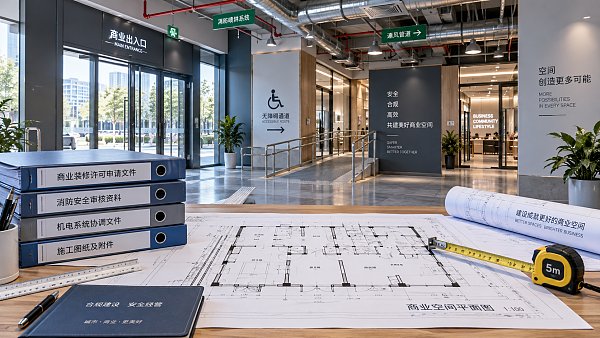
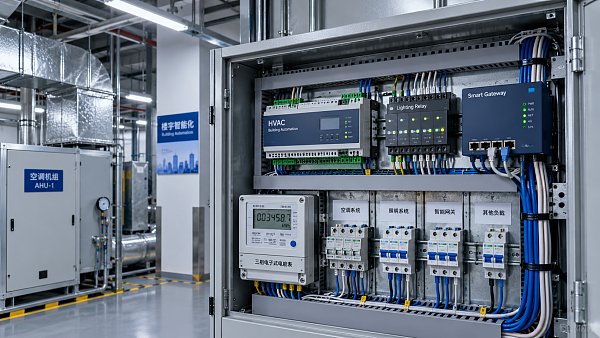
The infrastructure challenge is ensuring that lighting, displays, furniture, POS terminals, access systems, and analytics platforms work together.
Enterprises should prioritize interoperable systems that can be benchmarked against recognized standards and maintained across international markets.
Trend Two: Smart Retail Technology Is Redefining Customer Mobility
Customer mobility now includes every movement from product discovery to payment, pickup, returns, loyalty engagement, and post-purchase support.
Smart retail technology makes those movements measurable, predictable, and easier to improve across both physical and digital channels.
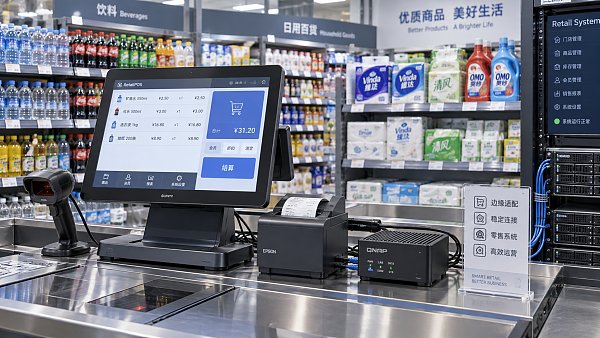
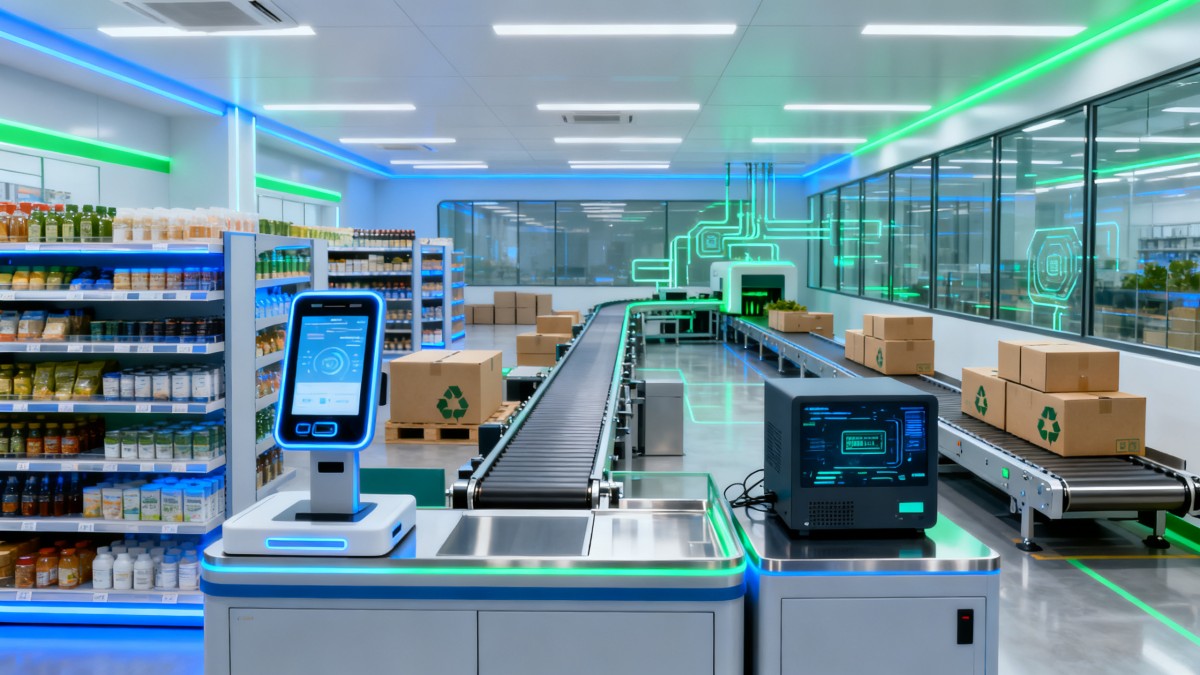
AI-enabled POS terminals, self-checkout systems, interactive kiosks, electronic shelf labels, and mobile ordering tools are becoming infrastructure assets.
They do more than accelerate transactions; they generate behavioral data that supports merchandising, inventory planning, and service design.
For decision makers, the key question is not whether smart retail tools are innovative, but whether they reduce operational friction.
A useful mobility vision evaluates transaction speed, staff redeployment, maintenance burden, cybersecurity exposure, and integration with existing systems.
Enterprises should avoid isolated pilots that look impressive but fail to scale across store networks or regional operating models.
Trend Three: Supply Chain Mobility Requires Real-Time Visibility
Mobility vision also applies to products, materials, packaging, and components moving through increasingly complex global supply chains.
Recent disruptions have shown that enterprises cannot rely only on cost-based sourcing or delayed reporting from upstream partners.
Real-time visibility is becoming essential for tracking shipment status, production capacity, quality performance, and sustainability documentation.
For consumer goods brands, this visibility directly influences stock availability, promotional reliability, packaging compliance, and customer satisfaction.
Digital infrastructure should connect procurement teams, manufacturers, logistics providers, quality inspectors, and commercial operators through trusted data flows.
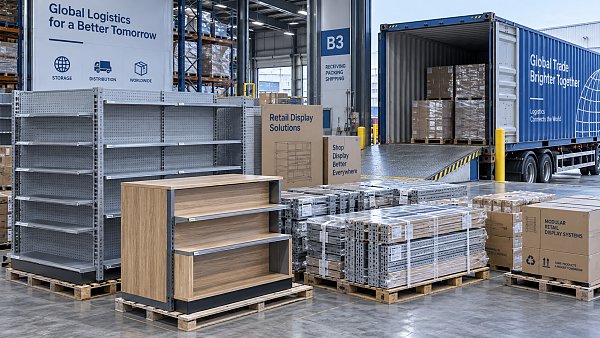
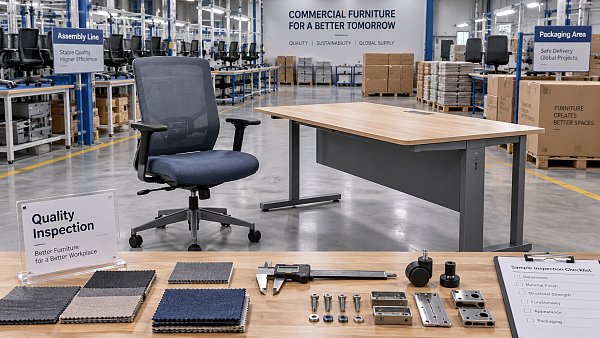
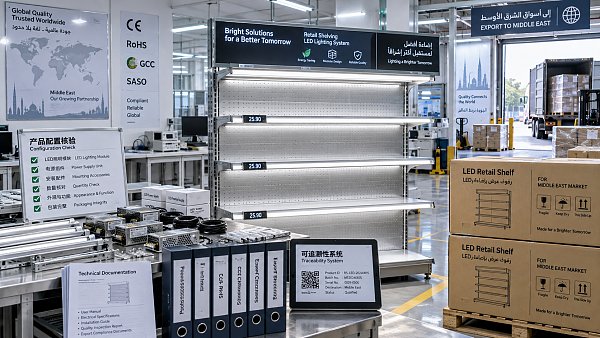
Technical benchmarking is especially important when sourcing commercial furniture, fixtures, electronics, lighting, signage, or packaging from global suppliers.
Decision makers should assess whether suppliers can meet UL, CE, BIFMA, environmental, and market-specific documentation requirements consistently.
Trend Four: Sustainable Mobility Is Moving From Branding to Infrastructure
Sustainability is no longer only a brand statement; it is becoming embedded in infrastructure design and purchasing decisions.
Mobility vision must account for the environmental cost of moving goods, operating spaces, replacing hardware, and managing packaging waste.
Commercial developers and sourcing directors increasingly evaluate lifecycle performance, repairability, material transparency, and end-of-use recovery.
This is particularly relevant for commercial furniture, lighting systems, signage, and packaging deployed across large operating footprints.
A fixture with a lower purchase price may create higher costs through frequent replacement, inefficient shipping, or poor recyclability.
Likewise, packaging that performs well visually may fail if it increases damage rates, storage volume, or regulatory risk.
Future-ready infrastructure should combine durability, modular design, energy efficiency, and verified material standards rather than superficial sustainability claims.
Trend Five: Edge Intelligence Is Bringing Decisions Closer to the Customer
As commercial environments generate more data, enterprises cannot send every decision back to centralized systems for processing.
Edge intelligence allows devices and local systems to respond faster while still contributing to broader enterprise analytics.
In practice, this supports dynamic pricing displays, automated inventory alerts, queue management, safety monitoring, and localized customer engagement.
For mobility vision, edge infrastructure matters because movement often happens in real time and cannot wait for delayed analysis.
The business benefit is faster response, reduced bandwidth dependency, improved reliability, and better continuity during network disruptions.
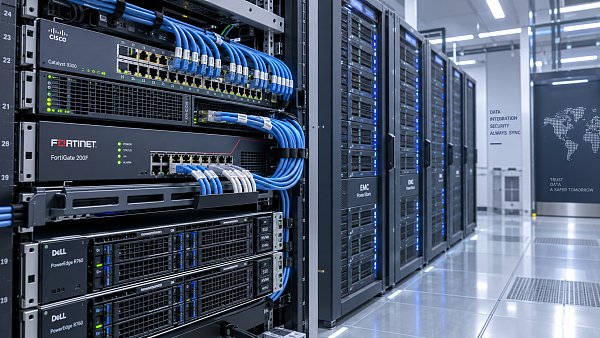
However, leaders must evaluate cybersecurity, device lifecycle management, software updates, and vendor accountability before expanding edge deployments.
The strongest strategies balance local intelligence with centralized governance, ensuring data remains usable, secure, and comparable across locations.
How Decision Makers Should Evaluate Mobility Vision Investments
Enterprise leaders should evaluate mobility vision investments through business outcomes first, then map the required technology stack afterward.
The most useful starting point is identifying where movement currently creates measurable cost, delay, risk, or customer dissatisfaction.
These friction points may appear in checkout lines, replenishment cycles, supplier communication, space utilization, maintenance response, or delivery accuracy.
After identifying the problem, leaders should define success metrics before choosing platforms, devices, or infrastructure partners.
Relevant metrics may include transaction time, inventory accuracy, energy consumption, stockout reduction, asset uptime, conversion rate, and compliance efficiency.
Decision makers should also calculate total cost of ownership, including integration, training, maintenance, security, replacement, and supplier qualification.
A low-cost system can become expensive if it creates data silos, fails certification requirements, or requires frequent manual intervention.
G-BCE’s benchmarking perspective is valuable here because infrastructure decisions increasingly depend on hardware quality, interoperability, and global standards alignment.
Key Risks Enterprises Should Not Ignore
Mobility vision creates major opportunity, but poorly planned implementation can increase complexity instead of improving operational performance.
The first risk is fragmented procurement, where different teams purchase incompatible systems for stores, warehouses, offices, or regional markets.
The second risk is over-automation, where enterprises deploy technology without redesigning workflows or preparing staff for changed responsibilities.
The third risk is weak data governance, especially when customer behavior, supplier performance, and operational movement data are combined.
Security and privacy controls must be built into the infrastructure plan rather than added after deployment.
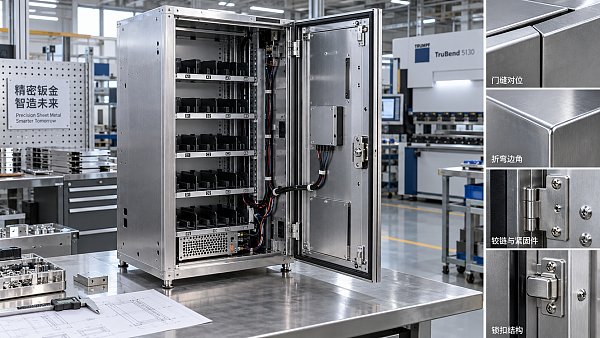
Another risk is underestimating physical durability, particularly for devices, fixtures, signage, and furniture used in high-traffic commercial environments.
Enterprise-grade mobility infrastructure must perform reliably under real operating conditions, not only in controlled demonstration environments.
Where Mobility Vision Delivers the Strongest Near-Term Returns
Not every enterprise needs to transform every part of its infrastructure at once to benefit from mobility vision.
The strongest near-term returns usually come from areas where digital visibility meets repeated physical movement at scale.
Retail checkout modernization, inventory visibility, smart replenishment, store traffic analytics, and commercial energy optimization are common starting points.
For brands managing global sourcing, supplier transparency and technical benchmarking can quickly reduce quality disputes and launch delays.
For commercial developers, connected lighting, signage, access control, and occupancy systems can improve tenant value and operating efficiency.
For consumer goods companies, smarter packaging data can improve logistics planning, sustainability reporting, and shelf-level execution.
The best investment sequence depends on where operational friction most directly affects revenue, margin, compliance, or customer loyalty.
Building a Scalable Mobility Vision Framework
A scalable framework begins with a clear map of stakeholders, assets, data flows, and movement patterns across the enterprise.
This map should include customers, employees, products, suppliers, facilities, devices, and digital platforms supporting commercial operations.
Next, leaders should classify infrastructure needs into core systems, enabling hardware, data standards, security requirements, and sustainability criteria.
That structure prevents mobility vision from becoming a loose collection of innovation projects without operational discipline.
Enterprises should also define which capabilities must be globally standardized and which should remain locally adaptable.
Payment systems, safety requirements, technical certifications, and cybersecurity controls often require stronger standardization across markets.
Store layouts, customer engagement formats, packaging preferences, and service models may need greater flexibility by region or channel.
The goal is to create infrastructure that is stable enough to scale, yet flexible enough to respond to market change.
Conclusion: Mobility Vision Is a Practical Strategy for Future-Ready Infrastructure
Mobility vision is not a futuristic slogan; it is a practical way to evaluate how modern enterprises operate and compete.
It connects smart retail technology, commercial space design, supply chain transparency, sustainable materials, and intelligent consumer touchpoints.
For enterprise decision makers, the priority is to link mobility investments directly to measurable business outcomes and infrastructure resilience.
The most successful organizations will avoid fragmented adoption and instead build integrated systems supported by standards, data, and governance.
As commercial ecosystems become more complex, mobility vision will help leaders decide what to modernize, when to invest, and how to scale.
Companies that treat mobility as a strategic infrastructure layer will be better positioned for efficiency, adaptability, and global market relevance.