Global Chain Management in 2026: Lead Time and Cost Shifts
Time
Click Count
In 2026, global chain management is entering a sharper phase of adjustment. Lead times are no longer stabilizing in a simple post-disruption pattern.
Instead, they are splitting by region, product category, certification path, and transport mode. Cost structures are also changing beyond freight alone.
For commercial interiors, retail technology, consumer goods, signage, and sustainable packaging, the new challenge is coordinated decision-making across the full supply chain.
That is why global chain management now depends on better benchmarking, supplier visibility, and compliance-aware planning. Speed matters, but predictable speed matters more.
2026 Signals Show Global Chain Management Becoming More Fragmented

Several signals define the current environment. Shipping lanes are operational, yet routing reliability remains uneven across ports and inland hubs.
At the same time, customs reviews, product testing schedules, and sustainability documentation are extending planning cycles in many categories.
In global chain management, a supplier with acceptable unit pricing may still become a high-cost choice if approval delays, packaging redesign, or labeling corrections slow launch timing.
This is especially visible in cross-sector sourcing. Commercial furniture may face foam, fabric, and hardware variation. Smart retail devices face component and firmware dependencies.
Consumer packaging faces recycled material variability and documentation pressure. Each pillar has different risk timing, but the pressure pattern is similar.
The Main Forces Behind Lead Time and Cost Shifts
The latest shifts in global chain management are not caused by one event. They come from layered structural changes.
A key takeaway is clear. Global chain management must now measure total landed performance, not only ex-factory cost.
Why compliance has become a hidden schedule driver
International standards such as UL, CE, and BIFMA remain essential references across many commercial categories. Yet documentation readiness differs sharply by supplier maturity.
When technical files, test reports, or material declarations are incomplete, global chain management absorbs delay through rework, retesting, and postponed shipments.
Cost Inflation Is Moving From Freight to Process and Quality Risk
In earlier disruption cycles, freight captured most attention. In 2026, process friction is becoming a larger cost source in global chain management.
Examples include sample iteration, engineering changes, packaging adjustments, test failures, origin shifts, and split shipments caused by incomplete production batches.
These issues do not always appear in first-round quotations. However, they influence inventory carrying costs, launch timing, labor scheduling, and downstream sales conversion.
- Delayed compliance approval can increase warehousing and project idle time.
- Inconsistent quality can trigger replacement logistics and service costs.
- Material substitutions can affect aesthetics, performance, and brand consistency.
- Low visibility into tier-two sourcing can create surprise shortages.
This makes data transparency a strategic advantage. In global chain management, the best-cost supplier is often the supplier with the lowest variance.
Different Business Segments Are Feeling the Pressure in Different Ways
Not every category experiences the same bottleneck. The pattern depends on whether value is concentrated in materials, assembly, electronics, finishing, or certification.
Commercial furniture and fixtures
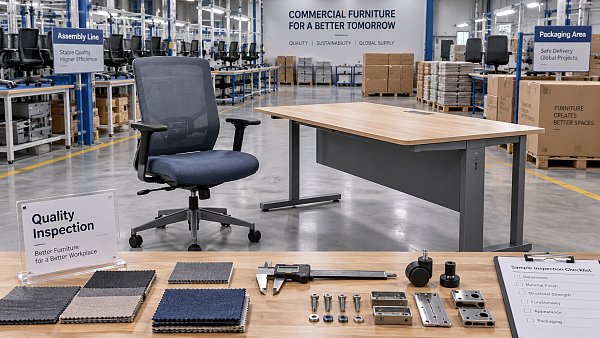
Lead times are shaped by upholstery inputs, metal fabrication queues, and custom finish approval. Ergonomic performance claims also require stronger validation.
Smart retail technology
POS terminals, digital displays, and sensor-enabled devices depend on semiconductors, firmware stability, and compatibility testing. Small technical changes can delay deployment.
Consumer goods supply chain
Category expansion across markets requires stronger traceability, packaging localization, and balanced inventory placement. The challenge is not only sourcing, but synchronized replenishment.
Commercial lighting and signage
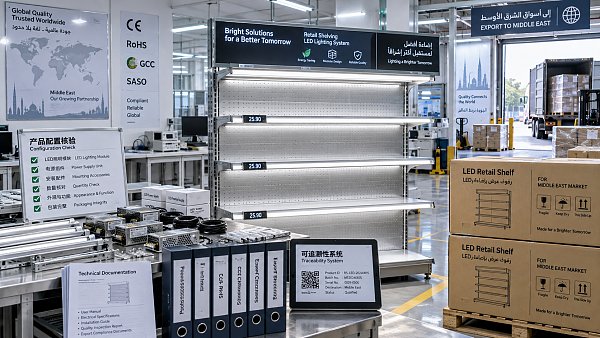
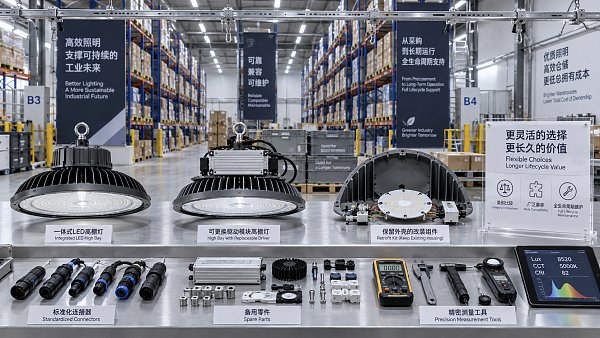
Certification, driver availability, and installation-specific design changes affect schedule confidence. Project-based demand can also create sudden production compression.
Sustainable packaging
Recycled and bio-based materials support environmental goals, yet they may introduce sourcing variability, print challenges, and new validation requirements.
Across all these areas, global chain management is becoming more cross-functional. Design, engineering, sourcing, logistics, and compliance must act earlier and with shared metrics.
What Deserves Immediate Attention in Global Chain Management
The most useful response is not broad caution. It is disciplined prioritization supported by comparable data.
- Track lead time by milestone, not by one headline number.
- Separate production time from approval, testing, and transport time.
- Benchmark suppliers on quality consistency, not only quoted capacity.
- Review total landed cost with packaging, compliance, and service factors included.
- Map exposure at component and material level for critical categories.
- Build backup options by region before disruption arrives.
- Use standards-based technical benchmarking to reduce approval surprises.
These focus areas support stronger global chain management because they reduce hidden variability. Better predictability improves both margin protection and launch performance.
A Practical Framework for Better Decisions in 2026
A simple response framework can help turn market uncertainty into controlled execution.
This approach reflects the reality of modern global chain management. Resilience is no longer built through scale alone. It is built through visibility, comparability, and timing control.
The Next Competitive Edge Will Come From Benchmarking and Early Coordination
In 2026, strong global chain management will favor organizations that can compare suppliers beyond price sheets and evaluate technical readiness before order release.
That is where cross-sector intelligence becomes valuable. Benchmarking across furniture, retail technology, packaging, lighting, and consumer products reveals recurring risk patterns earlier.
It also supports better sourcing architecture between Asian manufacturing strengths and global commercial standards. This alignment reduces friction across aesthetics, performance, and compliance.
Global chain management is no longer just a logistics topic. It is now a commercial performance system connecting design intent, technical proof, and delivery reliability.
The most effective next step is a focused review of current suppliers, milestone lead times, certification status, and total landed cost assumptions. Small data corrections today can prevent large execution losses tomorrow.
- commercial furniture
- smart retail
- POS terminals
- supply chain
- consumer goods
- commercial lighting
- signage
- sustainable packaging
- retail technology
- consumer packaging
- global chain
- data transparency
- international standards
- technical benchmarking
- consumer goods supply chain
- smart retail technology
- global chain management
News Recommendations
 What records are needed for an ISO 9001 furniture factory audit?
![51a6ab95581761cc26f4318be6520c15]()
Aris Katos
Future of Carbide Coatings
 How to choose AI marketing tools that work with your existing CRM
![51a6ab95581761cc26f4318be6520c15]()
Aris Katos
Future of Carbide Coatings
 Do freight costs erase savings when buying retail fixtures wholesale?
![51a6ab95581761cc26f4318be6520c15]()
Aris Katos
Future of Carbide Coatings
 Can smart retail IT solutions for CPG work with legacy POS systems?
![51a6ab95581761cc26f4318be6520c15]()
Aris Katos
Future of Carbide Coatings
 What permit approvals belong in a commercial fitout planning checklist?
![51a6ab95581761cc26f4318be6520c15]()
Aris Katos
Future of Carbide Coatings
 How Does Commercial Design Differ from Interior Decoration?
![51a6ab95581761cc26f4318be6520c15]()
Aris Katos
Future of Carbide Coatings
 How Long Does It Take to Verify a Commercial Furniture Supplier?
![51a6ab95581761cc26f4318be6520c15]()
Aris Katos
Future of Carbide Coatings
 How to verify compostability claims from a bubble mailer manufacturer
![51a6ab95581761cc26f4318be6520c15]()
Aris Katos
Future of Carbide Coatings
 Will commercial smart infrastructure solutions work with legacy systems?
![51a6ab95581761cc26f4318be6520c15]()
Aris Katos
Future of Carbide Coatings
 How to verify a preschool furniture manufacturer's safety standards
![51a6ab95581761cc26f4318be6520c15]()
Aris Katos
Future of Carbide Coatings
 A technical comparison of semiconductor processes for power devices
![51a6ab95581761cc26f4318be6520c15]()
Aris Katos
Future of Carbide Coatings
 How to verify that a BIFMA ergonomic chair meets the standard
![51a6ab95581761cc26f4318be6520c15]()
Aris Katos
Future of Carbide Coatings
 How to use a CRI value chart when choosing LED lighting
![51a6ab95581761cc26f4318be6520c15]()
Aris Katos
Future of Carbide Coatings
 How to compare hotel aroma diffuser wholesale options by coverage area
![51a6ab95581761cc26f4318be6520c15]()
Aris Katos
Future of Carbide Coatings
 How to prevent O-rings and seals from failing in food equipment
![51a6ab95581761cc26f4318be6520c15]()
Aris Katos
Future of Carbide Coatings
 How to compare commercial linear light wholesale quotes accurately
![51a6ab95581761cc26f4318be6520c15]()
Aris Katos
Future of Carbide Coatings
 How to verify international standards compliance for Middle East exports
![51a6ab95581761cc26f4318be6520c15]()
Aris Katos
Future of Carbide Coatings
 How to select laboratory instruments for reproducible test results
![51a6ab95581761cc26f4318be6520c15]()
Aris Katos
Future of Carbide Coatings
 When does a sheet metal prototype reveal design flaws early?
![51a6ab95581761cc26f4318be6520c15]()
Aris Katos
Future of Carbide Coatings
 When PE air column bags reduce damage in e-commerce fulfillment
![51a6ab95581761cc26f4318be6520c15]()
Aris Katos
Future of Carbide Coatings
 How energy-efficient design reduces operating costs in retail lighting
![51a6ab95581761cc26f4318be6520c15]()
Aris Katos
Future of Carbide Coatings
 When commercial aluminum storefronts make sense for a retail renovation
![51a6ab95581761cc26f4318be6520c15]()
Aris Katos
Future of Carbide Coatings
 What makes LED lights durable in high-use commercial spaces?
![51a6ab95581761cc26f4318be6520c15]()
Aris Katos
Future of Carbide Coatings
 Which industry categories offer the strongest export potential in Latin America?
![51a6ab95581761cc26f4318be6520c15]()
Aris Katos
Future of Carbide Coatings
 How to choose an ultra bright waterproof window display for storefronts
![51a6ab95581761cc26f4318be6520c15]()
Aris Katos
Future of Carbide Coatings
 How to verify suppliers on a trade portal for global sourcing
![51a6ab95581761cc26f4318be6520c15]()
Aris Katos
Future of Carbide Coatings
 How RoHS requirements should be stated in product specifications
![51a6ab95581761cc26f4318be6520c15]()
Aris Katos
Future of Carbide Coatings
 What affects the lead time for custom retail counter displays?
![51a6ab95581761cc26f4318be6520c15]()
Aris Katos
Future of Carbide Coatings
 What consumer packaging USA importers need to verify before ordering
![51a6ab95581761cc26f4318be6520c15]()
Aris Katos
Future of Carbide Coatings
 How commercial spaces interiors shape customer dwell time
![51a6ab95581761cc26f4318be6520c15]()
Aris Katos
Future of Carbide Coatings
 How LED commercial lighting design reduces glare in retail spaces
![51a6ab95581761cc26f4318be6520c15]()
Aris Katos
Future of Carbide Coatings
 How industrial technology information improves RFID inventory accuracy
![51a6ab95581761cc26f4318be6520c15]()
Aris Katos
Future of Carbide Coatings
 When drip garden watering systems make more sense than sprinklers
![51a6ab95581761cc26f4318be6520c15]()
Aris Katos
Future of Carbide Coatings
 When category comparison improves sourcing for industrial applications
![51a6ab95581761cc26f4318be6520c15]()
Aris Katos
Future of Carbide Coatings
 Industrial application guidance for selecting the right LED lighting
![51a6ab95581761cc26f4318be6520c15]()
Aris Katos
Future of Carbide Coatings
 Which commercial architecture standards apply to European retail fit-outs?
![51a6ab95581761cc26f4318be6520c15]()
Aris Katos
Future of Carbide Coatings
 How to verify FDA requirements for maternity care products
![51a6ab95581761cc26f4318be6520c15]()
Aris Katos
Future of Carbide Coatings
 How to verify BPA-free claims for food-contact products
![51a6ab95581761cc26f4318be6520c15]()
Aris Katos
Future of Carbide Coatings
 When does a European wholesale supplier suit modular office projects?
![51a6ab95581761cc26f4318be6520c15]()
Aris Katos
Future of Carbide Coatings