Green Mobility Trends in 2026: Costs, Policies, and Practical Shifts
Time
Click Count
Green Mobility is becoming a business discipline, not a brand gesture

Green Mobility enters 2026 with a different tone. It is no longer framed as a future ambition or a communications theme.
It now sits inside cost control, regulatory planning, and supply chain design. That shift matters across the broader commercial ecosystem.
Transport inflation, carbon disclosure rules, and urban access restrictions are changing everyday decisions. Route planning, fleet composition, packaging weight, and store replenishment now connect more tightly.
For companies managing physical retail, consumer goods, fixtures, lighting, and smart equipment, Green Mobility is becoming part of operational architecture.
This is where a platform like G-BCE becomes relevant. Cross-sector benchmarking helps businesses compare mobility choices against standards, commercial performance, and material efficiency rather than treating them as isolated transport issues.
The most important signal in 2026 is simple: mobility decisions now influence resilience, compliance, and customer-facing experience at the same time.
Why the Green Mobility shift is accelerating now
Several pressures have been building for years, but they are now converging. That convergence explains why Green Mobility is moving faster than many expected.
Energy volatility remains one trigger. Even where fuel prices stabilize, budgeting confidence has not fully returned.
Policy is another force. Low-emission zones, reporting obligations, and procurement criteria increasingly reward traceable transport performance.
More noticeably, customers and investors now ask for measurable evidence. General sustainability claims carry less weight than route emissions data, material reduction, and delivery efficiency metrics.
Digital infrastructure also changes the picture. Better telematics, AI routing, smart retail demand forecasting, and warehouse visibility make Green Mobility more manageable at scale.
The result is not a single trend. It is a practical reset in how movement, material, and commercial performance are evaluated together.
The cost story is more nuanced than higher upfront spending
One reason Green Mobility was delayed in many sectors was the assumption that it simply costs more. In 2026, that view looks incomplete.
Yes, cleaner fleets, charging infrastructure, software integration, and supplier alignment can increase near-term capital needs. That part is real.
What is changing is the quality of the comparison. Businesses now evaluate total operating impact, not just equipment price.
A heavier display system, oversized packaging format, or fragmented replenishment schedule can quietly erase any savings from conventional transport choices.
From recent market behavior, more organizations are linking Green Mobility with packaging redesign, modular fixtures, and smarter store delivery windows.
That broader lens matters in sectors covered by G-BCE. Commercial furniture, smart terminals, lighting components, and consumer packaging all influence transport intensity.
Where hidden costs are becoming visible
- Inefficient cube utilization raises cost per delivered unit, even when freight rates appear stable.
- Frequent partial deliveries increase emissions and labor exposure in dense urban markets.
- Non-standard materials can complicate reverse logistics, recycling, and cross-border handling.
- Poor interoperability between logistics data and retail systems weakens planning accuracy.
So the key question is no longer whether Green Mobility costs money. The better question is where it reduces future friction and volatility.
Policy signals are shaping commercial choices earlier in the cycle
Policy used to affect mobility near the final transport stage. In 2026, it reaches much further upstream.
Design teams, sourcing teams, and rollout planners increasingly need to account for emissions thresholds, material disclosures, and urban delivery constraints before launch.
This is especially relevant for multi-market retail and commercial space development. Different regions are not moving at the same speed, but directionally they are aligned.
A product, fixture, or packaged component that performs well operationally but creates compliance risk in transport will face growing resistance.
More worth noting is the role of standards culture. Businesses already familiar with UL, CE, and BIFMA thinking are often better positioned to adapt.
They tend to treat Green Mobility less as a campaign and more as a measurable specification issue tied to durability, safety, traceability, and lifecycle performance.
The impact is spreading across the wider commercial ecosystem
Green Mobility does not affect only transport providers. Its influence now reaches product configuration, retail operations, facility planning, and after-sales support.
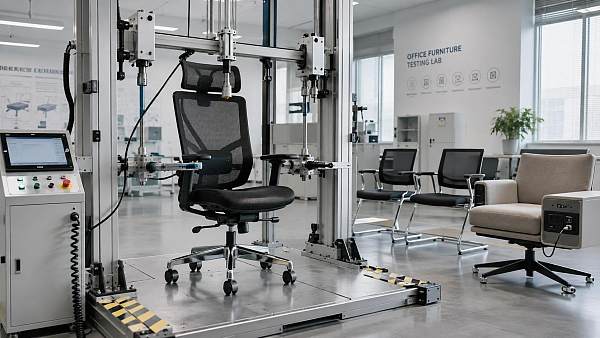
In commercial interiors, modular furniture systems can reduce transport waste and simplify reconfiguration. That improves both mobility efficiency and asset longevity.
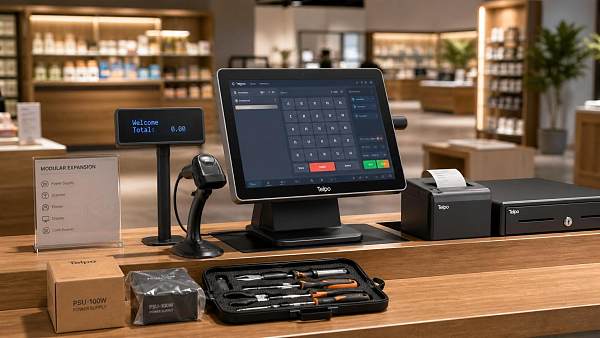
In smart retail technology, connected POS terminals and analytics tools help align replenishment with actual demand. Fewer emergency shipments mean lower cost and lower emissions.
In lighting and signage, lighter materials and standardized components support more efficient deployment across regions.
In consumer goods supply chains, Green Mobility increasingly overlaps with packaging optimization, reverse logistics, and shelf-ready formats.
That is why integrated intelligence matters. G-BCE’s cross-sector perspective reflects a market reality: mobility performance now depends on design, technology, and material decisions made far earlier than dispatch.
What deserves closer attention over the next planning cycle
The strongest Green Mobility strategies in 2026 are not defined by a single technology choice. They are defined by decision discipline.
In practice, several checkpoints are becoming more useful than broad sustainability targets alone.
- Track emissions and cost by route, load type, and delivery frequency rather than using annual averages only.
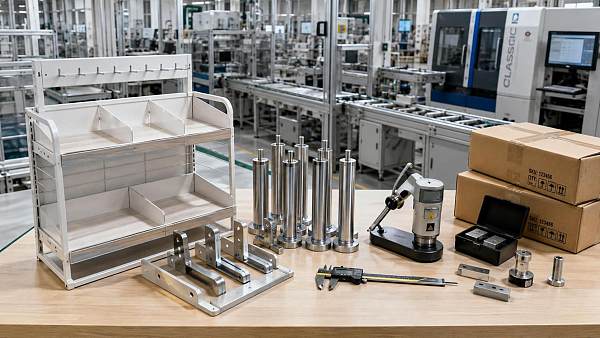
- Review whether packaging, fixture dimensions, or material choices are increasing transport inefficiency.
- Compare regional policy exposure before scaling one logistics model across all markets.
- Check if mobility data can connect with retail, warehouse, and procurement systems in real time.
- Prioritize pilots where Green Mobility can improve service reliability as well as carbon performance.
More advanced organizations are also assessing whether their supplier network can support lower-emission distribution without weakening quality control or lead-time stability.
That question becomes critical when global sourcing and local compliance expectations move at different speeds.
A practical reading of Green Mobility in 2026
Green Mobility in 2026 is best understood as a commercial coordination issue. Costs, policies, materials, and digital tools are now interacting more directly.
The businesses gaining ground are usually not the ones making the loudest claims. They are the ones translating mobility pressure into better design choices, cleaner data, and fewer avoidable movements.
That creates a more resilient operating model across retail environments, supply networks, and branded commercial spaces.
The next useful step is to map where Green Mobility already touches current operations, then benchmark those touchpoints against cost exposure, policy risk, and technical standards.
From there, it becomes easier to identify which adjustments are strategic, which are overdue, and which can deliver measurable value within the next planning horizon.
News Recommendations
 What consumer packaging USA importers need to verify before ordering
![51a6ab95581761cc26f4318be6520c15]()
Aris Katos
Future of Carbide Coatings
 How commercial spaces interiors shape customer dwell time
![51a6ab95581761cc26f4318be6520c15]()
Aris Katos
Future of Carbide Coatings
 How LED commercial lighting design reduces glare in retail spaces
![51a6ab95581761cc26f4318be6520c15]()
Aris Katos
Future of Carbide Coatings
 How industrial technology information improves RFID inventory accuracy
![51a6ab95581761cc26f4318be6520c15]()
Aris Katos
Future of Carbide Coatings
 When drip garden watering systems make more sense than sprinklers
![51a6ab95581761cc26f4318be6520c15]()
Aris Katos
Future of Carbide Coatings
 When category comparison improves sourcing for industrial applications
![51a6ab95581761cc26f4318be6520c15]()
Aris Katos
Future of Carbide Coatings
 Industrial application guidance for selecting the right LED lighting
![51a6ab95581761cc26f4318be6520c15]()
Aris Katos
Future of Carbide Coatings
 Which commercial architecture standards apply to European retail fit-outs?
![51a6ab95581761cc26f4318be6520c15]()
Aris Katos
Future of Carbide Coatings
 How to verify FDA requirements for maternity care products
![51a6ab95581761cc26f4318be6520c15]()
Aris Katos
Future of Carbide Coatings
 How to verify BPA-free claims for food-contact products
![51a6ab95581761cc26f4318be6520c15]()
Aris Katos
Future of Carbide Coatings
 When does a European wholesale supplier suit modular office projects?
![51a6ab95581761cc26f4318be6520c15]()
Aris Katos
Future of Carbide Coatings
 When consumer ecosystem solutions improve the in-store shopping journey
![51a6ab95581761cc26f4318be6520c15]()
Aris Katos
Future of Carbide Coatings
 How a commercial developers network can reduce site selection risk
![51a6ab95581761cc26f4318be6520c15]()
Aris Katos
Future of Carbide Coatings
 How clear purchasing specifications prevent costly supplier deviations
![51a6ab95581761cc26f4318be6520c15]()
Aris Katos
Future of Carbide Coatings
 What an ISTA drop test lab checks before your packaging ships
![51a6ab95581761cc26f4318be6520c15]()
Aris Katos
Future of Carbide Coatings
 Which commercial furniture standards apply to workplace seating?
![51a6ab95581761cc26f4318be6520c15]()
Aris Katos
Future of Carbide Coatings
 How to evaluate smart lighting module OEM compatibility before sampling
![51a6ab95581761cc26f4318be6520c15]()
Aris Katos
Future of Carbide Coatings
 How to assess whether sustainable technology delivers real impact
![51a6ab95581761cc26f4318be6520c15]()
Aris Katos
Future of Carbide Coatings
 How to assess an OEM supplier’s quality control before ordering
![51a6ab95581761cc26f4318be6520c15]()
Aris Katos
Future of Carbide Coatings
 How consumer ecosystem solutions data can improve retail personalization
![51a6ab95581761cc26f4318be6520c15]()
Aris Katos
Future of Carbide Coatings
 When does consumer packaging design justify a higher product price?
![51a6ab95581761cc26f4318be6520c15]()
Aris Katos
Future of Carbide Coatings
 Supermarket Fixture Installation: Planning Layouts, Wiring, and Handover
![51a6ab95581761cc26f4318be6520c15]()
Aris Katos
Future of Carbide Coatings
 Automated Lighting and Smart Lighting Control in Bergerac: Key Project Considerations
![51a6ab95581761cc26f4318be6520c15]()
Aris Katos
Future of Carbide Coatings
 Segment Streetlight Controllers: Choosing Control Modes for Urban Roads
![51a6ab95581761cc26f4318be6520c15]()
Aris Katos
Future of Carbide Coatings
 IEC 62471-2 Explained: How to Assess Photobiological Risks in LED Lighting
![51a6ab95581761cc26f4318be6520c15]()
Aris Katos
Future of Carbide Coatings
 Food Grade Packaging Requirements by Product Type, Temperature, and Contact Risk
![51a6ab95581761cc26f4318be6520c15]()
Aris Katos
Future of Carbide Coatings
 Food Packaging Compliance Checklist: Tests, Records, and Labeling Before Shipment
![51a6ab95581761cc26f4318be6520c15]()
Aris Katos
Future of Carbide Coatings
 NSF Food Packaging Standards: When Certification Matters for Commercial Food Use
![51a6ab95581761cc26f4318be6520c15]()
Aris Katos
Future of Carbide Coatings
 FDA Food Grade Compliance: Which Materials and Documents Do Buyers Need?
![51a6ab95581761cc26f4318be6520c15]()
Aris Katos
Future of Carbide Coatings
 What Should a Food Grade Declaration Include for Packaging Compliance?
![51a6ab95581761cc26f4318be6520c15]()
Aris Katos
Future of Carbide Coatings
 Housewares Importing: How to Evaluate Suppliers, Costs, and Compliance Risks
![51a6ab95581761cc26f4318be6520c15]()
Aris Katos
Future of Carbide Coatings
 Why Freeze-Dried Fruit Ingredients Lose Crispness—and How to Prevent It
![51a6ab95581761cc26f4318be6520c15]()
Aris Katos
Future of Carbide Coatings
 What industry veterans look for before choosing a new supplier
![51a6ab95581761cc26f4318be6520c15]()
Aris Katos
Future of Carbide Coatings
 How material fatigue can shorten the service life of retail shelving
![51a6ab95581761cc26f4318be6520c15]()
Aris Katos
Future of Carbide Coatings
 What makes a global sourcing platform reliable for supplier verification?
![51a6ab95581761cc26f4318be6520c15]()
Aris Katos
Future of Carbide Coatings
 When are double platinum spark plugs a better choice than iridium?
![51a6ab95581761cc26f4318be6520c15]()
Aris Katos
Future of Carbide Coatings
 How to assess a POS terminal manufacturer in Europe for long-term support
![51a6ab95581761cc26f4318be6520c15]()
Aris Katos
Future of Carbide Coatings
 How data transparency in retail helps prevent inventory discrepancies
![51a6ab95581761cc26f4318be6520c15]()
Aris Katos
Future of Carbide Coatings
 What makes a product comparison guide actually useful for buying decisions
![51a6ab95581761cc26f4318be6520c15]()
Aris Katos
Future of Carbide Coatings