UL 8750-2026 Tightens Blue Light Limits for Architectural LEDs
Time
Click Count
On June 10, 2026, UL formally released UL 8750-2026, introducing a stricter compliance baseline for Architectural LED Lighting. The update deserves close attention from luminaire manufacturers, testing and certification teams, project suppliers, and buyers serving North America, because it adds a mandatory blue light hazard weighted radiance test, tightens the limit by 30% versus the 2022 edition, and links compliance directly to access to key commercial channels such as large hotel groups and mixed-use developments.
What the new edition explicitly changes
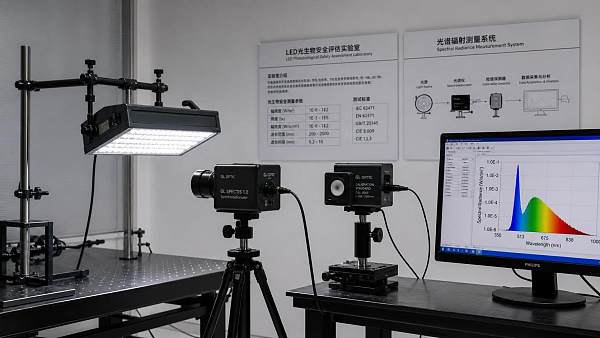
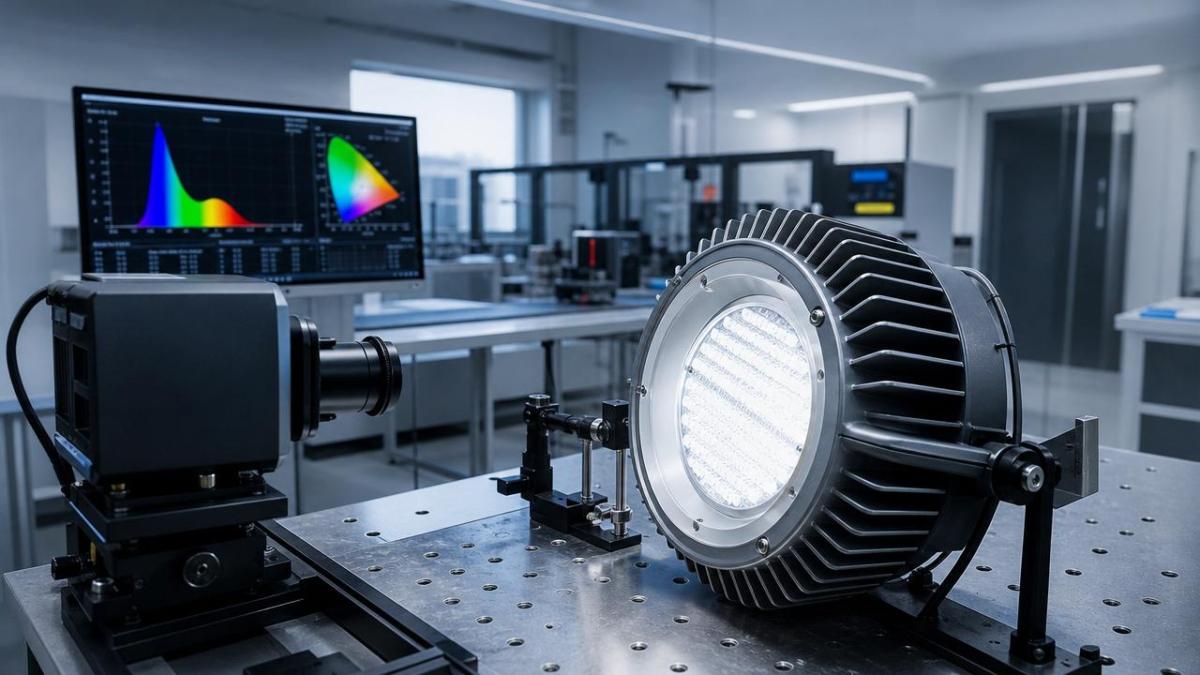
According to the provided event information, UL released UL 8750-2026 on June 10, 2026. For Architectural LED Lighting, the new edition adds a mandatory test item for blue light hazard weighted radiance, stated as equivalent to IEC TR 62778:2023. The limit is 30% tighter than in the 2022 edition. The update also requires optical structure assessment at the complete luminaire level rather than treating the issue only at the component level. Products that do not meet the requirement will not be able to obtain UL listing, which means loss of access to important North American channels including large chain hotels and commercial complexes.
Where the pressure is likely to appear first
Complete luminaire makers face a design-to-certification issue
From an industry perspective, manufacturers of Architectural LED Lighting are likely to be affected most directly because the requirement is tied to mandatory testing and complete luminaire optical assessment. The immediate impact is not only on certification, but also on how optical design choices are validated before products are submitted for UL listing.
Project suppliers and channel-oriented exporters need to watch access risk
Analysis shows that suppliers serving North American commercial projects may feel the impact through channel qualification. If a product cannot secure UL listing under the new edition, the issue is not limited to technical compliance; it may also affect bidding, approved vendor status, and delivery planning for projects tied to large hotel and commercial property customers.
Procurement and specification teams may need earlier screening
Buyers and sourcing teams connected to hospitality and commercial real estate projects may need to pay closer attention to certification readiness at the product-selection stage. Observably, the change matters because the compliance threshold now interacts more directly with market access, making late-stage substitution or documentation gaps more consequential.
Testing and compliance functions will be pulled further upstream
For certification, regulatory, and quality teams, the new requirement suggests that optical safety review may need to happen earlier in product development and supplier coordination. What deserves closer attention is the shift from a narrower test mindset toward a full-luminaire evaluation mindset.
What companies should monitor now
Check which architectural lighting lines are exposed
Companies should first identify which Architectural LED Lighting products are intended for UL listing and North American commercial channels. This is the most direct way to determine where the new blue light hazard weighted radiance requirement may affect current or planned shipments.
Review whether product documentation supports full-luminaire assessment
Because the update requires optical structure evaluation at the complete luminaire level, businesses should pay attention to whether current technical files, test preparation materials, and product definitions are sufficient for that level of review. This is a practical issue rather than a purely legal one, especially for teams managing multiple variants.
Prepare for customer communication around listing status
Suppliers and account teams should be ready to explain how UL listing status may change under UL 8750-2026, particularly for customers in hotel, commercial complex, and similar procurement environments. Analysis shows that this is as much a delivery and expectation-management issue as it is a testing issue.
Track any follow-up wording or implementation detail
What deserves closer attention is the distinction between the published rule change and its operational application in certification workflows. Companies should continue monitoring whether additional official clarifications, implementation notes, or testing interpretations emerge after the standard release.
Why this looks like more than a short-lived update
Observably, this development should not be read as a routine wording revision alone. The confirmed facts point to three concrete shifts: a new mandatory test item, a materially tighter limit, and a complete luminaire assessment requirement. Analysis shows that together these changes matter because they connect product design, certification timing, and channel access more tightly than before. At the same time, it is more appropriate to understand this as a clear compliance signal rather than a fully exhausted market outcome, because the downstream business effects will depend on how companies adapt and how projects enforce listing requirements in practice.
How to read the signal at this stage
At this stage, the most balanced reading is that UL 8750-2026 creates an immediate compliance checkpoint for Architectural LED Lighting aimed at North America, while also signaling a stricter approach to photobiological safety assessment in channel-sensitive applications. The confirmed consequence around UL listing makes the change commercially relevant now, but the full scale of impact still requires continued observation across certification, procurement, and project execution.
Basis of this article and points for follow-up verification
This article is generated based on the user-provided news title, event date, and event summary. For this type of development, relevant source categories typically include official announcements, standard organization documents, company disclosures, industry association updates, and reporting by authoritative trade media. No specific official source link was provided in the input, so the exact source document link still needs ongoing verification. Follow-up attention should remain on any official clarification related to UL 8750-2026, the blue light hazard weighted radiance requirement, and the practical application of complete luminaire optical structure assessment.
News Recommendations
 What consumer packaging USA importers need to verify before ordering
![51a6ab95581761cc26f4318be6520c15]()
Aris Katos
Future of Carbide Coatings
 How commercial spaces interiors shape customer dwell time
![51a6ab95581761cc26f4318be6520c15]()
Aris Katos
Future of Carbide Coatings
 How LED commercial lighting design reduces glare in retail spaces
![51a6ab95581761cc26f4318be6520c15]()
Aris Katos
Future of Carbide Coatings
 How industrial technology information improves RFID inventory accuracy
![51a6ab95581761cc26f4318be6520c15]()
Aris Katos
Future of Carbide Coatings
 When drip garden watering systems make more sense than sprinklers
![51a6ab95581761cc26f4318be6520c15]()
Aris Katos
Future of Carbide Coatings
 When category comparison improves sourcing for industrial applications
![51a6ab95581761cc26f4318be6520c15]()
Aris Katos
Future of Carbide Coatings
 Industrial application guidance for selecting the right LED lighting
![51a6ab95581761cc26f4318be6520c15]()
Aris Katos
Future of Carbide Coatings
 Which commercial architecture standards apply to European retail fit-outs?
![51a6ab95581761cc26f4318be6520c15]()
Aris Katos
Future of Carbide Coatings
 How to verify FDA requirements for maternity care products
![51a6ab95581761cc26f4318be6520c15]()
Aris Katos
Future of Carbide Coatings
 How to verify BPA-free claims for food-contact products
![51a6ab95581761cc26f4318be6520c15]()
Aris Katos
Future of Carbide Coatings
 When does a European wholesale supplier suit modular office projects?
![51a6ab95581761cc26f4318be6520c15]()
Aris Katos
Future of Carbide Coatings
 When consumer ecosystem solutions improve the in-store shopping journey
![51a6ab95581761cc26f4318be6520c15]()
Aris Katos
Future of Carbide Coatings
 How a commercial developers network can reduce site selection risk
![51a6ab95581761cc26f4318be6520c15]()
Aris Katos
Future of Carbide Coatings
 How clear purchasing specifications prevent costly supplier deviations
![51a6ab95581761cc26f4318be6520c15]()
Aris Katos
Future of Carbide Coatings
 What an ISTA drop test lab checks before your packaging ships
![51a6ab95581761cc26f4318be6520c15]()
Aris Katos
Future of Carbide Coatings
 Which commercial furniture standards apply to workplace seating?
![51a6ab95581761cc26f4318be6520c15]()
Aris Katos
Future of Carbide Coatings
 How to evaluate smart lighting module OEM compatibility before sampling
![51a6ab95581761cc26f4318be6520c15]()
Aris Katos
Future of Carbide Coatings
 How to assess whether sustainable technology delivers real impact
![51a6ab95581761cc26f4318be6520c15]()
Aris Katos
Future of Carbide Coatings
 How to assess an OEM supplier’s quality control before ordering
![51a6ab95581761cc26f4318be6520c15]()
Aris Katos
Future of Carbide Coatings
 How consumer ecosystem solutions data can improve retail personalization
![51a6ab95581761cc26f4318be6520c15]()
Aris Katos
Future of Carbide Coatings
 When does consumer packaging design justify a higher product price?
![51a6ab95581761cc26f4318be6520c15]()
Aris Katos
Future of Carbide Coatings
 Supermarket Fixture Installation: Planning Layouts, Wiring, and Handover
![51a6ab95581761cc26f4318be6520c15]()
Aris Katos
Future of Carbide Coatings
 Automated Lighting and Smart Lighting Control in Bergerac: Key Project Considerations
![51a6ab95581761cc26f4318be6520c15]()
Aris Katos
Future of Carbide Coatings
 Segment Streetlight Controllers: Choosing Control Modes for Urban Roads
![51a6ab95581761cc26f4318be6520c15]()
Aris Katos
Future of Carbide Coatings
 IEC 62471-2 Explained: How to Assess Photobiological Risks in LED Lighting
![51a6ab95581761cc26f4318be6520c15]()
Aris Katos
Future of Carbide Coatings
 Food Grade Packaging Requirements by Product Type, Temperature, and Contact Risk
![51a6ab95581761cc26f4318be6520c15]()
Aris Katos
Future of Carbide Coatings
 Food Packaging Compliance Checklist: Tests, Records, and Labeling Before Shipment
![51a6ab95581761cc26f4318be6520c15]()
Aris Katos
Future of Carbide Coatings
 NSF Food Packaging Standards: When Certification Matters for Commercial Food Use
![51a6ab95581761cc26f4318be6520c15]()
Aris Katos
Future of Carbide Coatings
 FDA Food Grade Compliance: Which Materials and Documents Do Buyers Need?
![51a6ab95581761cc26f4318be6520c15]()
Aris Katos
Future of Carbide Coatings
 What Should a Food Grade Declaration Include for Packaging Compliance?
![51a6ab95581761cc26f4318be6520c15]()
Aris Katos
Future of Carbide Coatings
 Housewares Importing: How to Evaluate Suppliers, Costs, and Compliance Risks
![51a6ab95581761cc26f4318be6520c15]()
Aris Katos
Future of Carbide Coatings
 Why Freeze-Dried Fruit Ingredients Lose Crispness—and How to Prevent It
![51a6ab95581761cc26f4318be6520c15]()
Aris Katos
Future of Carbide Coatings
 What industry veterans look for before choosing a new supplier
![51a6ab95581761cc26f4318be6520c15]()
Aris Katos
Future of Carbide Coatings
 How material fatigue can shorten the service life of retail shelving
![51a6ab95581761cc26f4318be6520c15]()
Aris Katos
Future of Carbide Coatings
 What makes a global sourcing platform reliable for supplier verification?
![51a6ab95581761cc26f4318be6520c15]()
Aris Katos
Future of Carbide Coatings
 When are double platinum spark plugs a better choice than iridium?
![51a6ab95581761cc26f4318be6520c15]()
Aris Katos
Future of Carbide Coatings
 How to assess a POS terminal manufacturer in Europe for long-term support
![51a6ab95581761cc26f4318be6520c15]()
Aris Katos
Future of Carbide Coatings
 How data transparency in retail helps prevent inventory discrepancies
![51a6ab95581761cc26f4318be6520c15]()
Aris Katos
Future of Carbide Coatings
 What makes a product comparison guide actually useful for buying decisions
![51a6ab95581761cc26f4318be6520c15]()
Aris Katos
Future of Carbide Coatings