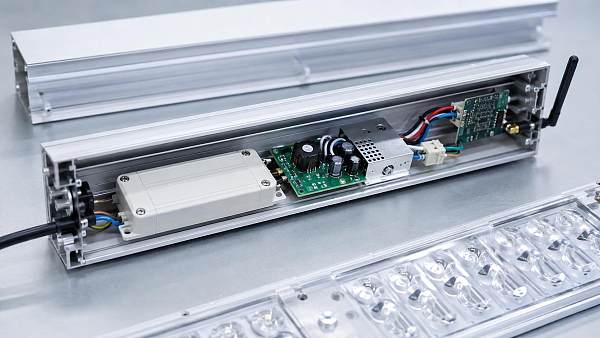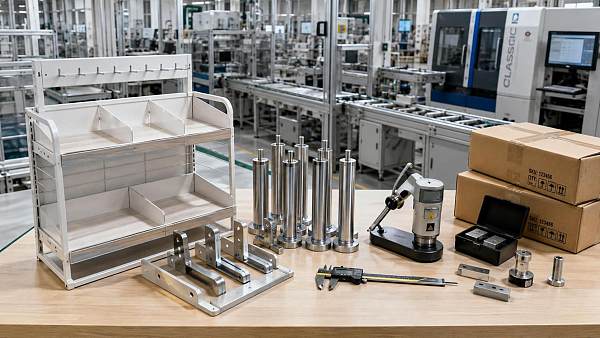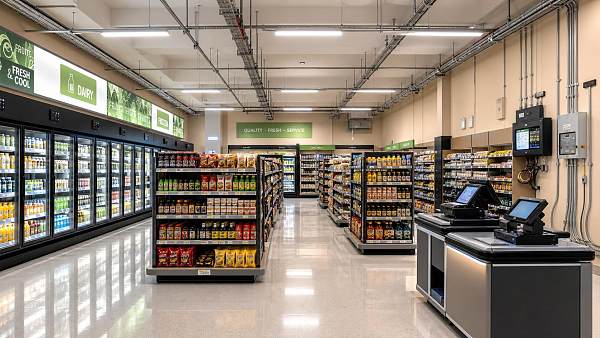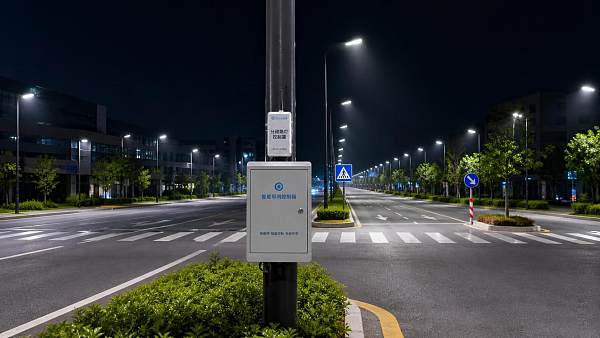
Industrial application guidance for selecting the right LED lighting
Time
Click Count
When an industrial lighting project is reviewed only through wattage, price, and a catalogue lumen figure, the result often looks acceptable on paper and disappoints on the floor. A warehouse aisle may appear bright while still creating glare for forklift drivers. A production station may meet a general illumination target but leave inspectors struggling to distinguish surface defects. A fitting that saves energy can become an expensive choice if it fails early in a washdown area or requires difficult access at 12 metres.
This industrial application guidance is designed for technical evaluators who need to select LED lighting with a clearer view of operational risk, visual performance, compliance, and whole-life value. Rather than treating industrial facilities as a single lighting category, it examines how environmental conditions, task requirements, installation constraints, controls, and maintenance practices should influence a final specification.
For global operators, developers, and sourcing teams, the central question is not simply “Which LED luminaire is brightest?” It is: “Which lighting system will support safe, consistent operations in this specific space over its expected service life?”
Begin with the work being done, not the fixture type
Terms such as “high-bay,” “linear light,” and “floodlight” are useful starting points, but they should not determine the specification by themselves. The application comes first. Two facilities with the same ceiling height can require very different optical distributions, colour quality, mounting strategies, and controls.
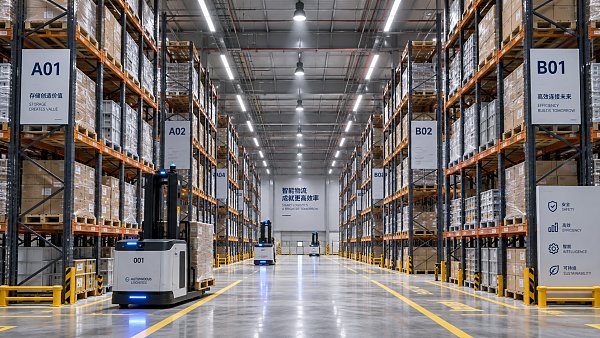
In a bulk storage warehouse, the priority may be reliable vertical illumination on rack faces, safe vehicle movement, and low maintenance at height. In an assembly area, uniform task lighting and glare control become more important. A food-processing zone introduces hygiene, washdown exposure, and material-resistance concerns. A loading dock must support the rapid visual transition between indoor and outdoor light, often while coping with dust, vibration, and irregular hours of use.
Before reviewing supplier data sheets, build an application brief that identifies:
- Primary visual tasks, including picking, inspection, assembly, packaging, or vehicle navigation;
- Ceiling height, rack geometry, machinery layout, and obstructions;
- Operating schedule, shift patterns, and occupancy variability;
- Ambient temperature, moisture, dust, chemicals, vibration, and impact risk;
- Required emergency lighting, exit-route visibility, and local regulatory obligations;
- Maintenance access, shutdown windows, and whether equipment such as lifts is required.
This information turns a broad purchasing exercise into a defensible engineering decision. It also prevents a common procurement mistake: comparing fixtures that were designed for different operating conditions as though they were interchangeable.
Use illumination metrics in context
Lumen output matters, but it is only the starting point. Lumens describe light emitted by a source, not necessarily useful light delivered to the working plane. In industrial applications, technical evaluators should look for photometric information that shows how the luminaire distributes light across the actual environment.
For example, narrow aisle optics can direct light down between high racks and improve visibility at lower wattage than a broad flood distribution. Conversely, a narrow beam used over an open loading area may create dark zones between fittings. Mounting height, spacing, reflectance of walls and ceilings, rack density, and the location of work surfaces all shape the final result.
Assess proposed layouts against the relevant lighting standard, local code, and the facility’s internal requirements. Typical evaluation points include maintained illuminance, uniformity, vertical illumination, and glare. “Maintained” is especially important: a new installation may look impressive on day one, yet dirt accumulation and gradual luminous depreciation can reduce light levels over time.
Do not overlook vertical surfaces. Labels, rack locations, control panels, safety signs, and the faces of colleagues are often seen vertically rather than horizontally. In logistics environments, adequate vertical illuminance improves scan accuracy and orientation. In manufacturing, it can reduce the small but persistent delays caused by workers repositioning items just to see them clearly.
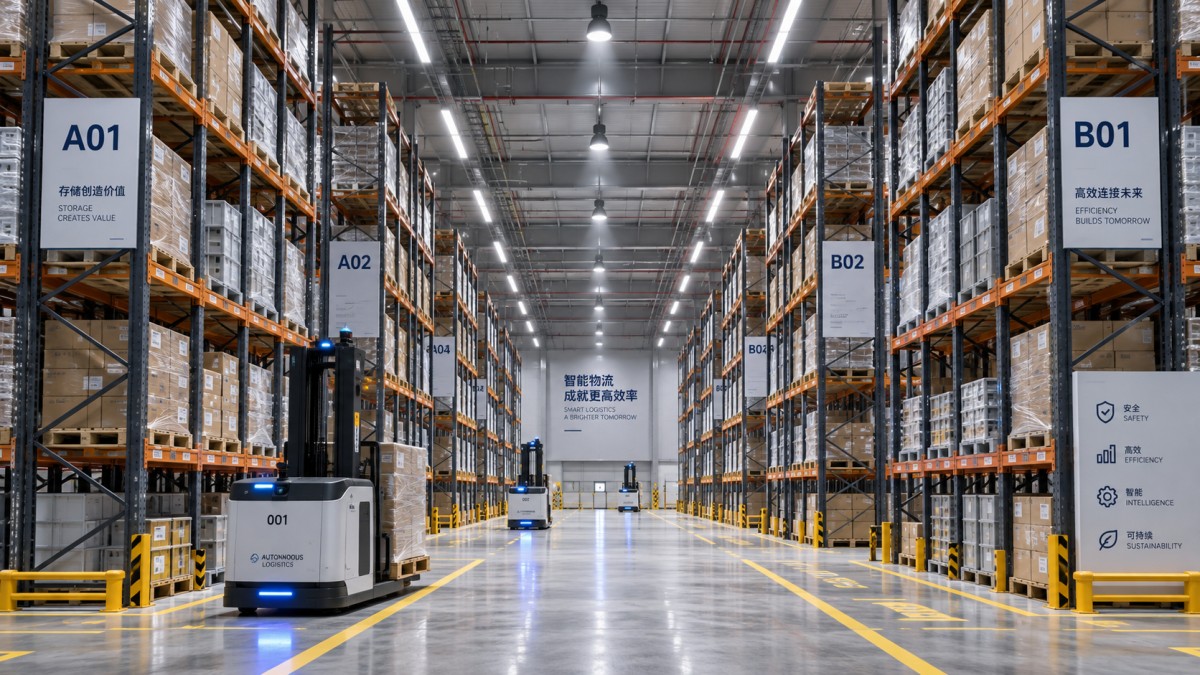
A practical evaluation matrix for common industrial settings
Environmental protection ratings are not a box-ticking exercise
Industrial sites can be unforgiving. Fine dust enters enclosures; steam finds weak seals; oils and cleaning agents attack unsuitable materials; forklifts create vibration and occasional impact. An LED fitting installed outside its environmental design envelope may fail long before its rated life suggests.
Ingress protection ratings should be matched to the real exposure, not only the nominal room classification. An IP rating indicates resistance to ingress of solids and water, but it does not automatically confirm resistance to chemical washdown, salt-laden air, ultraviolet exposure, or high-pressure cleaning. Likewise, an impact-resistance rating can be relevant in zones where fixtures may be struck by equipment or stored goods.
Ambient temperature deserves equal attention. LED drivers and light engines respond differently in cold stores, foundries, roof-level spaces, and enclosed plant rooms. Request the operating temperature range for the complete luminaire, not just a generic statement about LED efficiency. Where heat is a concern, confirm whether the published output and expected lifetime are valid at the site’s anticipated ambient temperature.
Hazardous or potentially explosive atmospheres require a separate and more rigorous route. In locations where combustible gases, vapours, or dusts may be present, technical teams should identify the relevant area classification and select equipment certified for that classification under applicable regulations. A standard industrial luminaire should never be assumed suitable merely because it has a robust enclosure.
Light quality affects safety, accuracy, and human comfort
Industrial lighting does not need to imitate hospitality lighting, but it should not be treated as a purely utilitarian utility either. Poor glare control can hide obstacles, make display terminals uncomfortable to read, and fatigue workers during long shifts. Excessively cool or inconsistent lighting can make a facility feel harsher than necessary, particularly in mixed-use commercial and logistics environments where employees, visitors, and drivers share circulation zones.
Colour temperature should support the task and the character of the space. Neutral white light is often preferred for general industrial activity because it creates a balanced visual environment, while the best choice still depends on local standards, existing finishes, and the nature of the work. Colour rendering is more critical where teams inspect packaging, wiring, product finishes, printed labels, or colour-coded materials. A strong general colour rendering value does not replace a task-specific trial when visual discrimination is essential.
Consider flicker as part of the quality review. Flicker may be difficult to notice in casual observation, yet it can affect camera systems, machine-vision equipment, and workers operating near rotating machinery. Ask suppliers for meaningful flicker-performance information and verify compatibility with the facility’s imaging and automation systems where relevant.
Energy efficiency should be measured as a system outcome
LED upgrades are commonly justified by reduced power consumption, but the best outcome comes from combining efficient luminaires with appropriate light distribution and controls. Installing fewer high-output fittings may lower installation quantities while compromising uniformity. Installing the same number of fittings as a legacy system without recalculating the layout can leave energy savings unrealized.
Evaluate luminaire efficacy alongside delivered illuminance, control compatibility, driver performance, and the expected operating profile. A fitting with impressive efficacy may not be the best value if its optical performance produces waste light or if it cannot integrate with the control strategy the site needs.
Controls deserve early coordination with operations teams. Occupancy sensors can work well in aisles, storage zones, washrooms, and intermittently used service areas. Daylight harvesting can be effective near skylights and façade openings, provided sensor commissioning accounts for changing daylight patterns and rack shadows. In active production zones, abrupt shutoff or aggressive dimming may be disruptive; a stepped dimming strategy may be more appropriate.
Any controls proposal should answer practical questions: Who will commission it? Can supervisors override settings safely? How will sensor zones behave when forklifts enter from adjacent aisles? Is the system interoperable with building management infrastructure, or does it create a proprietary maintenance burden? Smart lighting has value when it creates usable operational data and simpler control, not when it adds a layer of complexity nobody owns.
Read lifetime claims with disciplined skepticism
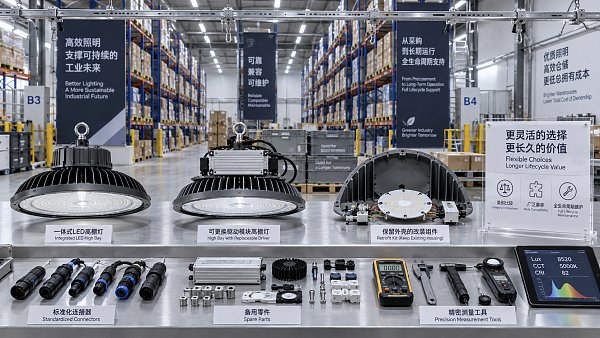
Long LED life claims are often presented as a reason to choose the lowest-maintenance option. They should be interpreted carefully. A stated lumen-maintenance figure may describe the LED package under specified test conditions, while the installed luminaire also depends on the driver, thermal design, surge protection, seals, connectors, and site conditions.
Ask for a clear explanation of the lifetime metric being used, the operating temperature assumptions, and the projected failure behaviour. Driver replacement options matter, particularly in facilities where access is costly. So does the availability of compatible spare parts over the anticipated ownership period. A sealed, non-serviceable unit may be perfectly sensible in some locations; in hard-to-reach industrial bays, a more maintainable design may offer better lifecycle economics.
Surge protection is another frequently overlooked point. Electrical disturbances can occur in facilities with motors, switching equipment, or exposed external circuits. Review the luminaire’s protection characteristics and consider whether additional upstream protection is needed as part of the electrical design.
Compliance review: verify the whole evidence trail
For multinational sourcing projects, compliance should be managed as a documented process rather than a logo on packaging. The applicable requirements vary by market and application, but evaluators may need to review electrical safety, electromagnetic compatibility, photobiological safety, energy requirements, environmental declarations, and installation codes. UL, CE, and other marks are relevant only when they correspond to the intended market and are supported by valid documentation.
G-BCE’s technical benchmarking approach is useful here: compare evidence, construction details, declared performance, and test scope across suppliers instead of relying on marketing labels. Confirm the legal entity responsible for the declaration, the exact model covered, and whether options such as emergency modules, sensors, different drivers, or mounting accessories change the compliance status.
For larger rollouts, sample testing and a pilot installation can reveal issues that data sheets cannot. Check glare at normal viewing angles, sensor response around machinery, electrical installation quality, emergency operation, and the ease of cleaning or replacement. A short pilot can prevent a long-term specification error across hundreds of luminaires.
A selection sequence that supports confident decisions
A robust industrial LED selection usually follows a simple but demanding order: define the task and environment; gather accurate site information; establish performance and compliance criteria; compare photometric and construction evidence; validate the control concept; then test the preferred option in representative conditions. Cost should be assessed across purchase, installation, energy, access, replacement, and disruption—not as a standalone fixture price.
The strongest specification is rarely the one with the most features. It is the one where light level, optics, durability, controls, certification, and serviceability all fit the actual working environment. By applying this industrial application guidance with disciplined site assessment and transparent supplier comparison, technical evaluators can select LED lighting that supports safer movement, clearer work, more resilient facilities, and sounder long-term investment decisions.
News Recommendations
 What consumer packaging USA importers need to verify before ordering
![51a6ab95581761cc26f4318be6520c15]()
Aris Katos
Future of Carbide Coatings
 How commercial spaces interiors shape customer dwell time
![51a6ab95581761cc26f4318be6520c15]()
Aris Katos
Future of Carbide Coatings
 How LED commercial lighting design reduces glare in retail spaces
![51a6ab95581761cc26f4318be6520c15]()
Aris Katos
Future of Carbide Coatings
 How industrial technology information improves RFID inventory accuracy
![51a6ab95581761cc26f4318be6520c15]()
Aris Katos
Future of Carbide Coatings
 When drip garden watering systems make more sense than sprinklers
![51a6ab95581761cc26f4318be6520c15]()
Aris Katos
Future of Carbide Coatings
 When category comparison improves sourcing for industrial applications
![51a6ab95581761cc26f4318be6520c15]()
Aris Katos
Future of Carbide Coatings
 Industrial application guidance for selecting the right LED lighting
![51a6ab95581761cc26f4318be6520c15]()
Aris Katos
Future of Carbide Coatings
 Which commercial architecture standards apply to European retail fit-outs?
![51a6ab95581761cc26f4318be6520c15]()
Aris Katos
Future of Carbide Coatings
 How to verify FDA requirements for maternity care products
![51a6ab95581761cc26f4318be6520c15]()
Aris Katos
Future of Carbide Coatings
 How to verify BPA-free claims for food-contact products
![51a6ab95581761cc26f4318be6520c15]()
Aris Katos
Future of Carbide Coatings
 When does a European wholesale supplier suit modular office projects?
![51a6ab95581761cc26f4318be6520c15]()
Aris Katos
Future of Carbide Coatings
 When consumer ecosystem solutions improve the in-store shopping journey
![51a6ab95581761cc26f4318be6520c15]()
Aris Katos
Future of Carbide Coatings
 How a commercial developers network can reduce site selection risk
![51a6ab95581761cc26f4318be6520c15]()
Aris Katos
Future of Carbide Coatings
 How clear purchasing specifications prevent costly supplier deviations
![51a6ab95581761cc26f4318be6520c15]()
Aris Katos
Future of Carbide Coatings
 What an ISTA drop test lab checks before your packaging ships
![51a6ab95581761cc26f4318be6520c15]()
Aris Katos
Future of Carbide Coatings
 Which commercial furniture standards apply to workplace seating?
![51a6ab95581761cc26f4318be6520c15]()
Aris Katos
Future of Carbide Coatings
 How to evaluate smart lighting module OEM compatibility before sampling
![51a6ab95581761cc26f4318be6520c15]()
Aris Katos
Future of Carbide Coatings
 How to assess whether sustainable technology delivers real impact
![51a6ab95581761cc26f4318be6520c15]()
Aris Katos
Future of Carbide Coatings
 How to assess an OEM supplier’s quality control before ordering
![51a6ab95581761cc26f4318be6520c15]()
Aris Katos
Future of Carbide Coatings
 How consumer ecosystem solutions data can improve retail personalization
![51a6ab95581761cc26f4318be6520c15]()
Aris Katos
Future of Carbide Coatings
 When does consumer packaging design justify a higher product price?
![51a6ab95581761cc26f4318be6520c15]()
Aris Katos
Future of Carbide Coatings
 Supermarket Fixture Installation: Planning Layouts, Wiring, and Handover
![51a6ab95581761cc26f4318be6520c15]()
Aris Katos
Future of Carbide Coatings
 Automated Lighting and Smart Lighting Control in Bergerac: Key Project Considerations
![51a6ab95581761cc26f4318be6520c15]()
Aris Katos
Future of Carbide Coatings
 Segment Streetlight Controllers: Choosing Control Modes for Urban Roads
![51a6ab95581761cc26f4318be6520c15]()
Aris Katos
Future of Carbide Coatings
 IEC 62471-2 Explained: How to Assess Photobiological Risks in LED Lighting
![51a6ab95581761cc26f4318be6520c15]()
Aris Katos
Future of Carbide Coatings
 Food Grade Packaging Requirements by Product Type, Temperature, and Contact Risk
![51a6ab95581761cc26f4318be6520c15]()
Aris Katos
Future of Carbide Coatings
 Food Packaging Compliance Checklist: Tests, Records, and Labeling Before Shipment
![51a6ab95581761cc26f4318be6520c15]()
Aris Katos
Future of Carbide Coatings
 NSF Food Packaging Standards: When Certification Matters for Commercial Food Use
![51a6ab95581761cc26f4318be6520c15]()
Aris Katos
Future of Carbide Coatings
 FDA Food Grade Compliance: Which Materials and Documents Do Buyers Need?
![51a6ab95581761cc26f4318be6520c15]()
Aris Katos
Future of Carbide Coatings
 What Should a Food Grade Declaration Include for Packaging Compliance?
![51a6ab95581761cc26f4318be6520c15]()
Aris Katos
Future of Carbide Coatings
 Housewares Importing: How to Evaluate Suppliers, Costs, and Compliance Risks
![51a6ab95581761cc26f4318be6520c15]()
Aris Katos
Future of Carbide Coatings
 Why Freeze-Dried Fruit Ingredients Lose Crispness—and How to Prevent It
![51a6ab95581761cc26f4318be6520c15]()
Aris Katos
Future of Carbide Coatings
 What industry veterans look for before choosing a new supplier
![51a6ab95581761cc26f4318be6520c15]()
Aris Katos
Future of Carbide Coatings
 How material fatigue can shorten the service life of retail shelving
![51a6ab95581761cc26f4318be6520c15]()
Aris Katos
Future of Carbide Coatings
 What makes a global sourcing platform reliable for supplier verification?
![51a6ab95581761cc26f4318be6520c15]()
Aris Katos
Future of Carbide Coatings
 When are double platinum spark plugs a better choice than iridium?
![51a6ab95581761cc26f4318be6520c15]()
Aris Katos
Future of Carbide Coatings
 How to assess a POS terminal manufacturer in Europe for long-term support
![51a6ab95581761cc26f4318be6520c15]()
Aris Katos
Future of Carbide Coatings
 How data transparency in retail helps prevent inventory discrepancies
![51a6ab95581761cc26f4318be6520c15]()
Aris Katos
Future of Carbide Coatings
 What makes a product comparison guide actually useful for buying decisions
![51a6ab95581761cc26f4318be6520c15]()
Aris Katos
Future of Carbide Coatings