Mechanical Foundations: Common Design Gaps
Time
Click Count
Mechanical foundations often determine whether a commercial system performs reliably under real-world loads, yet design gaps can remain hidden until deployment or certification.
When fixtures, smart terminals, lighting systems, or packaging equipment face vibration, impact, heat, and repeated handling, weak foundations quickly become costly failures.
Early evaluation of Mechanical foundations supports safer structures, lower retrofit costs, and stronger alignment with UL, CE, BIFMA, and related international benchmarks.
Mechanical Foundations in Commercial System Design
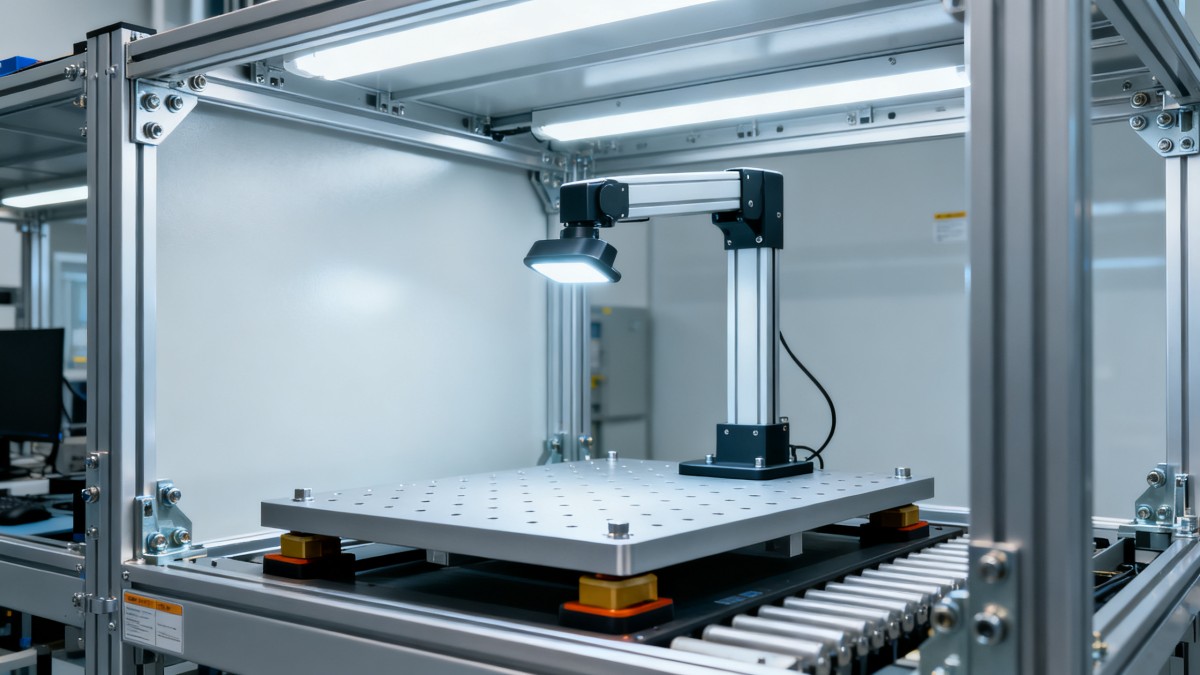
Mechanical foundations are the load-bearing, stabilizing, and connecting elements that allow a product or commercial installation to perform consistently.
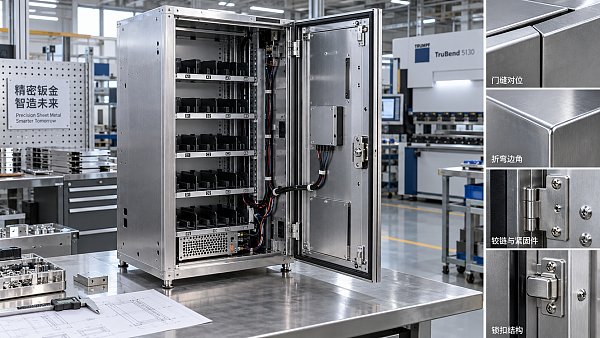
They include frames, brackets, mounting plates, fasteners, joints, hinges, bases, rails, enclosures, and internal support structures.
In commercial environments, Mechanical foundations must support daily interaction, transportation stress, environmental exposure, and long service cycles.
A display shelf may appear simple, but its foundation controls load capacity, balance, safety, installation speed, and maintenance access.
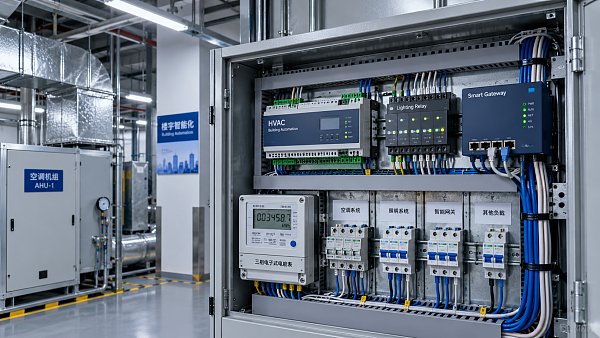
A smart retail kiosk depends on Mechanical foundations for screen stability, cable protection, heat management, and anti-tamper resistance.
A lighting sign requires precise foundations to manage wind loads, thermal expansion, vibration, and safe electrical separation.
The central risk is not always material weakness. Many failures come from incomplete assumptions during early design reviews.
These assumptions often involve load direction, mounting tolerance, user behavior, assembly variation, or certification test conditions.
Common Design Gaps Across Mechanical Foundations
Design gaps in Mechanical foundations usually emerge where engineering intent meets real operating conditions.
The most common gaps are practical, measurable, and preventable when review criteria are defined early.
One frequent oversight is treating static load capacity as the complete measure of safety.
Commercial assets rarely experience only static load. They are pushed, rotated, cleaned, transported, serviced, and sometimes misused.
Another gap appears when Mechanical foundations are designed after visual styling, rather than integrated during concept development.
Aesthetic requirements may reduce wall thickness, shorten bracket depth, or hide fasteners in positions that weaken structural integrity.
Foundation design also suffers when thermal behavior is ignored.
Lighting systems, digital displays, and power-integrated fixtures need foundations that manage expansion, airflow, and material compatibility.
Industry Signals Driving Stricter Foundation Review
Modern commercial spaces combine physical fixtures, digital interfaces, and sustainability requirements within one operating environment.
This convergence increases the importance of Mechanical foundations across product categories and supply chain decisions.
- Omnichannel retail increases movement, modular changes, and equipment relocation.
- Smart hardware adds screens, sensors, batteries, cables, and thermal loads.
- Sustainable materials introduce new stiffness, creep, and humidity behaviors.
- Global compliance requires consistent documentation and repeatable test outcomes.
- Shorter rollout cycles reduce tolerance for late mechanical redesign.
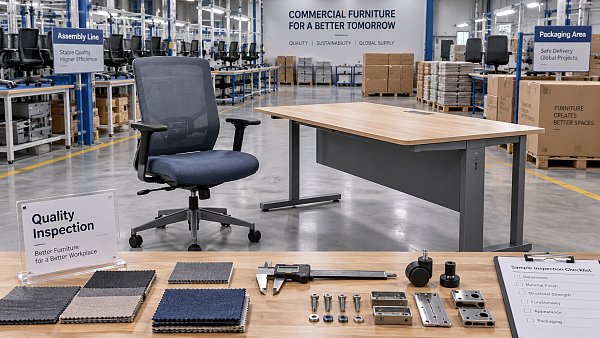
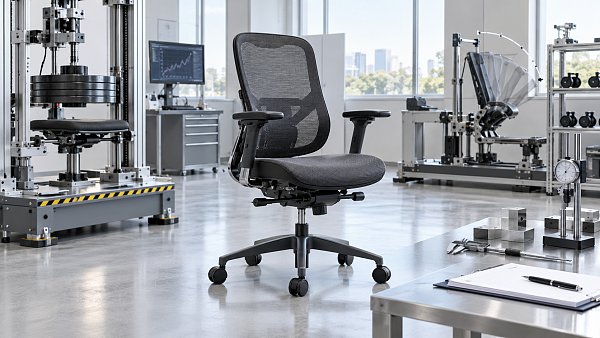
Within commercial furniture and fixtures, Mechanical foundations influence ergonomic performance, anchoring safety, and long-term stability.
For smart retail technology, they protect functional reliability by reducing vibration, cable strain, and enclosure deformation.
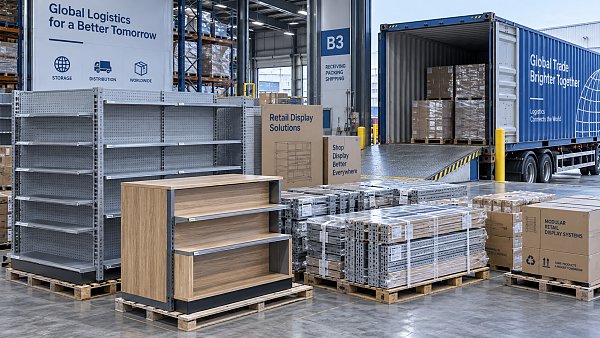
For consumer goods supply chains, foundations affect pallets, transport frames, dispensing systems, and automated handling compatibility.
In lighting and signage, they connect electrical safety with structural performance under heat, wind, and maintenance cycles.
Sustainable packaging also depends on sound Mechanical foundations when lightweight structures must survive stacking, compression, and vibration.
Business Value of Strong Mechanical Foundations
Strong Mechanical foundations reduce risk before it becomes visible in field operations.
They help commercial systems remain safe, serviceable, and consistent across regions, installers, and operating conditions.
The first value is reliability. Stable foundations reduce deformation, loosening, rattling, and misalignment during repeated use.
The second value is compliance readiness. Better documentation supports UL, CE, BIFMA, and internal quality review processes.
The third value is lifecycle cost control. Early corrections are usually cheaper than field reinforcement or product recall.
The fourth value is user experience. Stable fixtures feel safer, cleaner, and more premium during interaction.
Mechanical foundations also influence installation efficiency.
Clear anchoring points, predictable tolerances, and accessible fasteners reduce site delays and improve repeatability.
For global rollouts, repeatability is especially important because site conditions, labor practices, and regulatory expectations vary widely.
Typical Application Objects and Evaluation Points
Mechanical foundations should be evaluated according to object type, operating load, user interaction, and maintenance exposure.
A category-based review helps identify hidden risks without overcomplicating the assessment process.
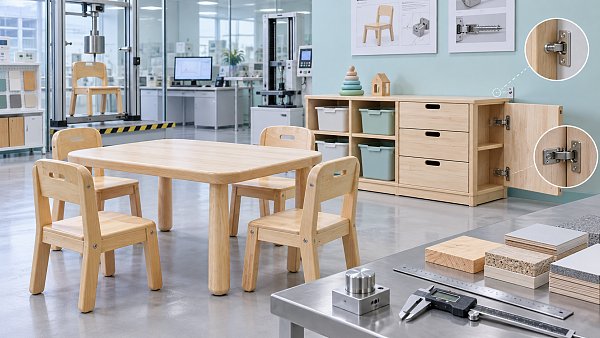
For modular furniture, Mechanical foundations should allow reconfiguration without progressive joint damage.
For signage, the foundation must protect both structural stability and electrical separation.
For display automation, foundation stiffness affects sensor calibration, motor alignment, and long-term motion accuracy.
For sustainable packaging, lighter materials require closer review of edge crush, humidity response, and stacking deformation.
Practical Review Methods for Mechanical Foundations
A strong review process begins with use-case mapping, not drawings alone.
Each load path should be traced from user contact point to ground, wall, ceiling, or transport support.
This reveals whether Mechanical foundations distribute stress evenly or concentrate force at weak joints.
Key checks during concept validation
- Define static, dynamic, accidental, and maintenance loads separately.
- Review load direction, not only total weight.
- Check anchoring points against real site conditions.
- Confirm materials meet strength, corrosion, and fire-related expectations.
- Compare assumptions with relevant UL, CE, or BIFMA requirements.
Prototype testing should include realistic handling, not only controlled laboratory loading.
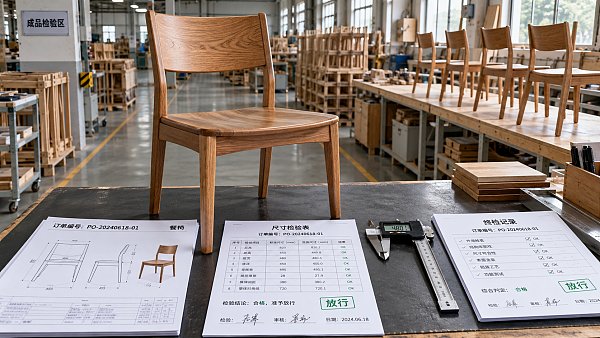
Repeated assembly, relocation, cleaning, and service access can expose foundation weaknesses missed by single-load tests.
Fastener strategy deserves separate attention because many foundation failures begin with loosening or incorrect installation torque.
Documentation should specify torque values, thread engagement, locking methods, and acceptable replacement procedures.
Tolerance analysis is equally important for products assembled across multiple factories or regions.
Small dimensional drift can create gaps, preload loss, misalignment, or hidden stress in Mechanical foundations.
Avoiding Foundation Weakness During Material Changes
Material substitution is a common source of hidden foundation risk.
A recycled polymer, lightweight alloy, or coated board may meet visual goals but change stiffness or creep behavior.
Mechanical foundations should be revalidated whenever material density, thickness, coating, grain direction, or joining method changes.
This is especially important when sustainable materials replace conventional metals, plastics, or laminated panels.
A lower-carbon option can perform well, but only when load paths and environmental exposure are properly matched.
Humidity, temperature swings, cleaning chemicals, ultraviolet exposure, and packaging compression can all alter foundation behavior.
For smart equipment, material changes can also affect grounding, shielding, heat dissipation, and enclosure rigidity.
Actionable Next Steps for Stronger Technical Assessment
A disciplined assessment of Mechanical foundations should be built into the earliest product or project review stage.
The process does not need to be complex, but it must be consistent and evidence-based.
- Create a load-path map for every major fixture, device, or package.
- List expected misuse, relocation, cleaning, and maintenance events.
- Match foundation requirements with applicable compliance benchmarks.
- Verify material and fastener choices through targeted testing.
- Record acceptable tolerances, torque values, and inspection criteria.
- Reassess Mechanical foundations after design, supplier, or material changes.
G-BCE supports this type of structured comparison through cross-sector benchmarking and technical intelligence.
By connecting commercial hardware, smart retail technology, lighting, packaging, and supply chain data, clearer foundation decisions become possible.
Mechanical foundations are not only engineering details. They are the structural basis of safe, scalable, and resilient commercial ecosystems.
The next practical step is to benchmark current designs against real loads, international standards, and lifecycle operating conditions.
With stronger Mechanical foundations, commercial systems can move from compliant prototypes to dependable global deployments with fewer surprises.
News Recommendations
 What records are needed for an ISO 9001 furniture factory audit?
![51a6ab95581761cc26f4318be6520c15]()
Aris Katos
Future of Carbide Coatings
 How to choose AI marketing tools that work with your existing CRM
![51a6ab95581761cc26f4318be6520c15]()
Aris Katos
Future of Carbide Coatings
 Do freight costs erase savings when buying retail fixtures wholesale?
![51a6ab95581761cc26f4318be6520c15]()
Aris Katos
Future of Carbide Coatings
 Can smart retail IT solutions for CPG work with legacy POS systems?
![51a6ab95581761cc26f4318be6520c15]()
Aris Katos
Future of Carbide Coatings
 What permit approvals belong in a commercial fitout planning checklist?
![51a6ab95581761cc26f4318be6520c15]()
Aris Katos
Future of Carbide Coatings
 How Does Commercial Design Differ from Interior Decoration?
![51a6ab95581761cc26f4318be6520c15]()
Aris Katos
Future of Carbide Coatings
 How Long Does It Take to Verify a Commercial Furniture Supplier?
![51a6ab95581761cc26f4318be6520c15]()
Aris Katos
Future of Carbide Coatings
 How to verify compostability claims from a bubble mailer manufacturer
![51a6ab95581761cc26f4318be6520c15]()
Aris Katos
Future of Carbide Coatings
 Will commercial smart infrastructure solutions work with legacy systems?
![51a6ab95581761cc26f4318be6520c15]()
Aris Katos
Future of Carbide Coatings
 How to verify a preschool furniture manufacturer's safety standards
![51a6ab95581761cc26f4318be6520c15]()
Aris Katos
Future of Carbide Coatings
 A technical comparison of semiconductor processes for power devices
![51a6ab95581761cc26f4318be6520c15]()
Aris Katos
Future of Carbide Coatings
 How to verify that a BIFMA ergonomic chair meets the standard
![51a6ab95581761cc26f4318be6520c15]()
Aris Katos
Future of Carbide Coatings
 How to use a CRI value chart when choosing LED lighting
![51a6ab95581761cc26f4318be6520c15]()
Aris Katos
Future of Carbide Coatings
 How to compare hotel aroma diffuser wholesale options by coverage area
![51a6ab95581761cc26f4318be6520c15]()
Aris Katos
Future of Carbide Coatings
 How to prevent O-rings and seals from failing in food equipment
![51a6ab95581761cc26f4318be6520c15]()
Aris Katos
Future of Carbide Coatings
 How to compare commercial linear light wholesale quotes accurately
![51a6ab95581761cc26f4318be6520c15]()
Aris Katos
Future of Carbide Coatings
 How to verify international standards compliance for Middle East exports
![51a6ab95581761cc26f4318be6520c15]()
Aris Katos
Future of Carbide Coatings
 How to select laboratory instruments for reproducible test results
![51a6ab95581761cc26f4318be6520c15]()
Aris Katos
Future of Carbide Coatings
 When does a sheet metal prototype reveal design flaws early?
![51a6ab95581761cc26f4318be6520c15]()
Aris Katos
Future of Carbide Coatings
 When PE air column bags reduce damage in e-commerce fulfillment
![51a6ab95581761cc26f4318be6520c15]()
Aris Katos
Future of Carbide Coatings
 How energy-efficient design reduces operating costs in retail lighting
![51a6ab95581761cc26f4318be6520c15]()
Aris Katos
Future of Carbide Coatings
 When commercial aluminum storefronts make sense for a retail renovation
![51a6ab95581761cc26f4318be6520c15]()
Aris Katos
Future of Carbide Coatings
 What makes LED lights durable in high-use commercial spaces?
![51a6ab95581761cc26f4318be6520c15]()
Aris Katos
Future of Carbide Coatings
 Which industry categories offer the strongest export potential in Latin America?
![51a6ab95581761cc26f4318be6520c15]()
Aris Katos
Future of Carbide Coatings
 How to choose an ultra bright waterproof window display for storefronts
![51a6ab95581761cc26f4318be6520c15]()
Aris Katos
Future of Carbide Coatings
 How to verify suppliers on a trade portal for global sourcing
![51a6ab95581761cc26f4318be6520c15]()
Aris Katos
Future of Carbide Coatings
 How RoHS requirements should be stated in product specifications
![51a6ab95581761cc26f4318be6520c15]()
Aris Katos
Future of Carbide Coatings
 What affects the lead time for custom retail counter displays?
![51a6ab95581761cc26f4318be6520c15]()
Aris Katos
Future of Carbide Coatings
 What consumer packaging USA importers need to verify before ordering
![51a6ab95581761cc26f4318be6520c15]()
Aris Katos
Future of Carbide Coatings
 How commercial spaces interiors shape customer dwell time
![51a6ab95581761cc26f4318be6520c15]()
Aris Katos
Future of Carbide Coatings
 How LED commercial lighting design reduces glare in retail spaces
![51a6ab95581761cc26f4318be6520c15]()
Aris Katos
Future of Carbide Coatings
 How industrial technology information improves RFID inventory accuracy
![51a6ab95581761cc26f4318be6520c15]()
Aris Katos
Future of Carbide Coatings
 When drip garden watering systems make more sense than sprinklers
![51a6ab95581761cc26f4318be6520c15]()
Aris Katos
Future of Carbide Coatings
 When category comparison improves sourcing for industrial applications
![51a6ab95581761cc26f4318be6520c15]()
Aris Katos
Future of Carbide Coatings
 Industrial application guidance for selecting the right LED lighting
![51a6ab95581761cc26f4318be6520c15]()
Aris Katos
Future of Carbide Coatings
 Which commercial architecture standards apply to European retail fit-outs?
![51a6ab95581761cc26f4318be6520c15]()
Aris Katos
Future of Carbide Coatings
 How to verify FDA requirements for maternity care products
![51a6ab95581761cc26f4318be6520c15]()
Aris Katos
Future of Carbide Coatings
 How to verify BPA-free claims for food-contact products
![51a6ab95581761cc26f4318be6520c15]()
Aris Katos
Future of Carbide Coatings
 When does a European wholesale supplier suit modular office projects?
![51a6ab95581761cc26f4318be6520c15]()
Aris Katos
Future of Carbide Coatings